
Milky Spore for Grubs: Only Works on Japanese Beetle
Milky spore controls Japanese beetle grubs only, takes two to four years to establish, and does nothing to the other grub species in US lawns.
 By
On this page
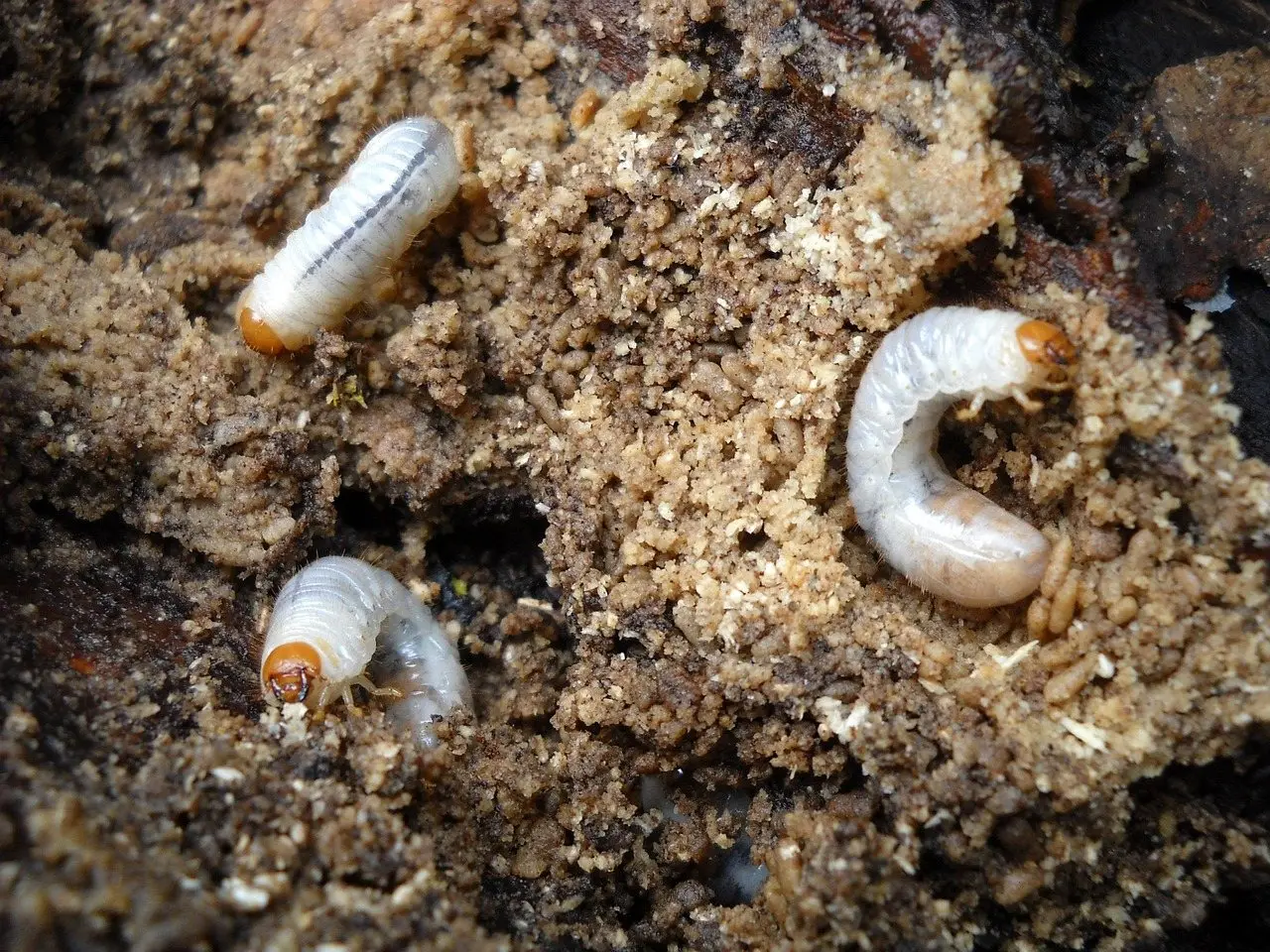
Milky spore is safe, long-lasting and only useful against one grub species. If the grubs in your lawn are not Japanese beetle larvae, nothing happens.
Identifying the grub before you buy anything
| grub | raster pattern | milky spore effect |
|---|---|---|
| Japanese beetle | V-shaped row of bristles | Works |
| Masked chafer | Random scattered bristles | None |
| European chafer | Two parallel rows | None |
| Oriental beetle | Two parallel rows, transverse | None |
| June beetle | Two parallel rows; much larger grub | None |
Use a hand lens on the underside of the last segment. A local extension office will identify a sample, and that single step decides whether this product is worth the money.
How it works, and why it is slow
- The grub eats spores in the soil while feeding on roots
- The bacterium multiplies inside it, turning the grub milky white
- When the grub dies, billions of new spores enter the soil
- The population therefore grows only in proportion to grubs killed
That is why year one does little, and why the manufacturers recommend repeat applications across consecutive seasons.
Application
- Timing: late summer into early autumn, when young grubs feed near the surface; spring is a weaker second window
- Soil: warm and moist. Water it in thoroughly and keep the soil damp for several days
- Not on frozen, very cold or bone-dry ground
- Spot-apply in a grid pattern as the label directs, rather than broadcasting thinly
If you need results this season, buy nematodes
Heterorhabditis bacteriophora attacks several grub species and works within weeks. It does not persist, so it is a repeat purchase — but it treats damage that is happening now, which milky spore cannot.
Safety
A naturally occurring soil bacterium specific to scarab larvae: no effect on people, pets, birds, fish, bees or earthworms, and no waiting period before using the lawn. That is the real reason it stays on the shelves.
Common questions
Does milky spore actually work on lawn grubs?
How long does milky spore take to work?
Milky spore or beneficial nematodes?
How do I identify which grub I have?
When should milky spore be applied?
Is milky spore safe for pets, people and earthworms?
Backyard Weekly
Know what to plant, week by week
Join the weekly email for seasonal jobs, fixes for what is going wrong, and gear worth buying.
Not ready to subscribe? The planting calendar is free and needs no email.
By subscribing you agree to our privacy policy. Grow In Backyard will never sell your address.
Keep reading
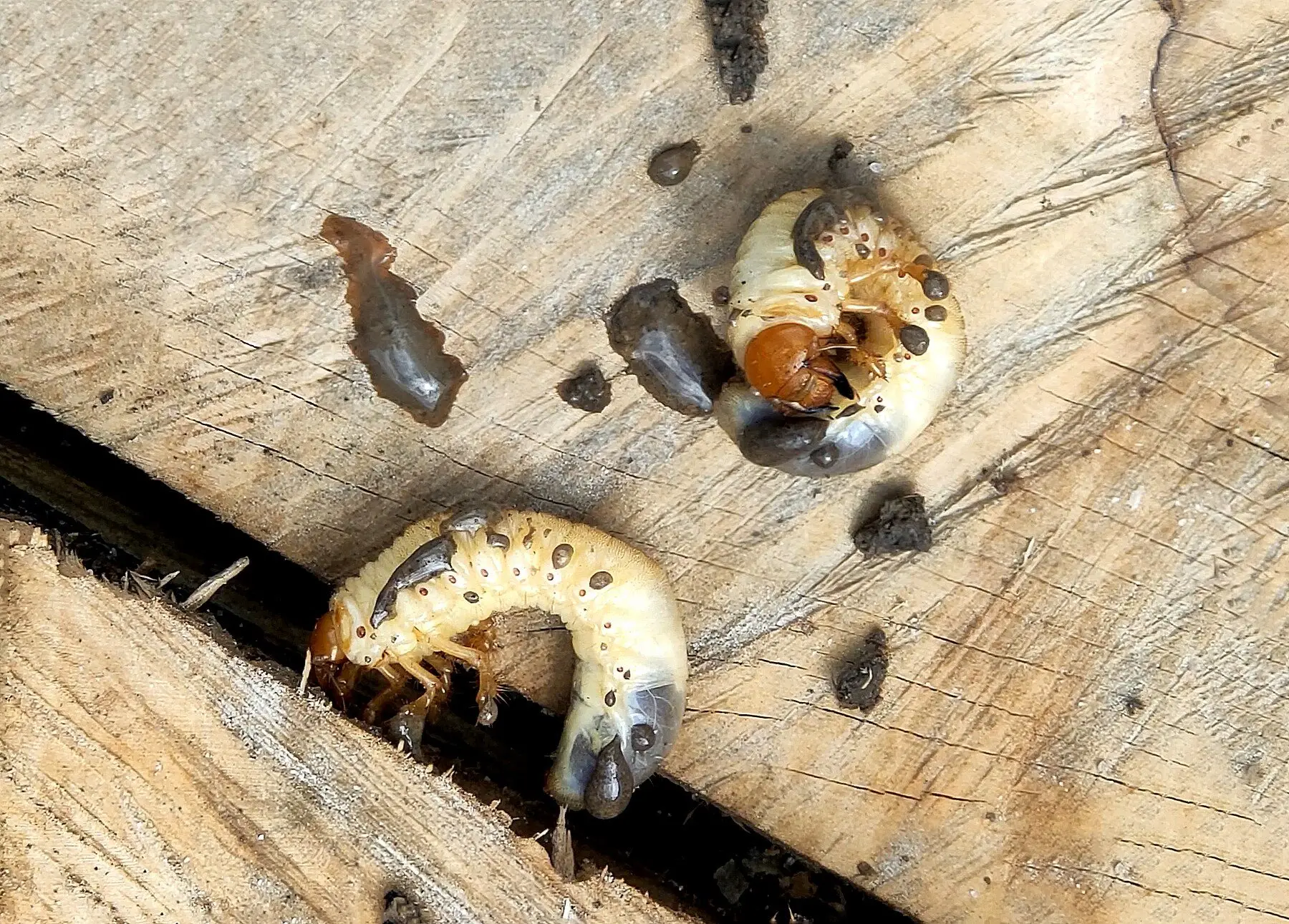
Grub Worm: How to Tell If You Have Them, and When to Treat
Most lawns carry grubs harmlessly. The threshold is 6 to 10 per square foot — how to count them, and why timing matters more than the product.
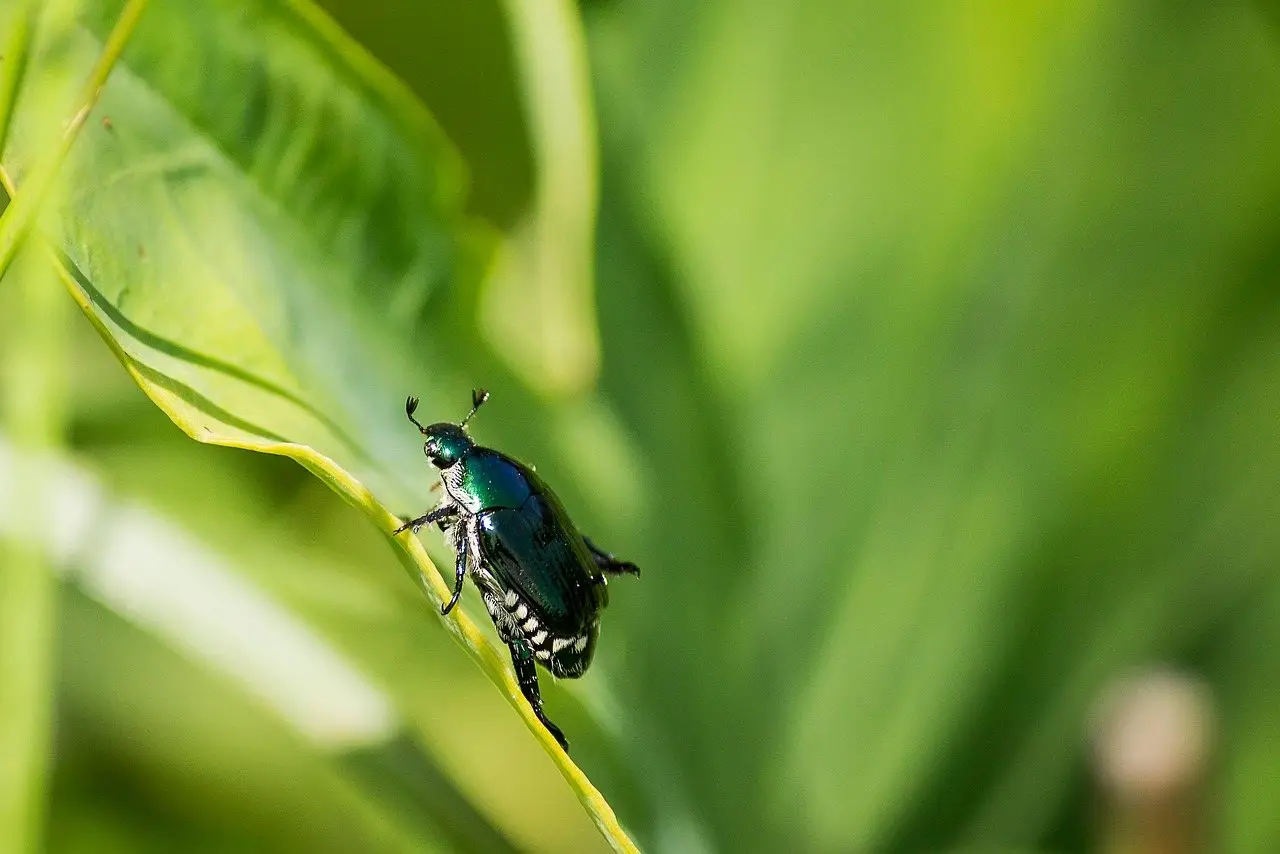
What Plants Deter Japanese Beetles? A Short, Honest List
Japanese beetles avoid a handful of plants, but nothing you grow repels them from the ones they like. Planting choice is avoidance, not protection.
How to Fix Burned Grass: Diagnose First, Then Repair
Fertilizer burn, dog urine, drought and disease all look similar and need different fixes. How to tell them apart and repair each one.
Natural Fly Repellent Outside: What Works on a Patio
Flies breed in waste and find you by smell. Removing sources, running a fan and using essential-oil sprays in the right order is what clears a patio.