
Best Wood for a Birdhouse: Cedar, Pine and What to Avoid
Untreated cedar is the right default for a birdhouse. Why pine is the budget pick, and the woods and finishes that make a box unsafe or short-lived.
 By
On this page
For a nest box, the whole wood question reduces to three words: solid, untreated, and at least 3/4 inch thick. Cedar is the default because it meets all three cheaply enough.
The options compared
| wood | life outdoors | cost | notes |
|---|---|---|---|
| Western red cedar | 10–15 yr | high | The standard. Leave it bare |
| Cypress | 10+ yr | medium | Equivalent where locally available |
| Redwood | 10+ yr | high | Same story; sourcing varies |
| Untreated pine | 3–5 yr | low | Fine, shorter-lived. Thicker stock helps |
| Exterior plywood | 2–4 yr | low | Delaminates; glues are not nest-chamber material |
| Pressure-treated | long | medium | Do not use — preservatives in the chamber |
Why thickness matters more than species
- Heat. A thin box in full sun can reach temperatures that kill a brood. 3/4 inch buffers it
- Predators. Squirrels and woodpeckers enlarge an entrance hole in thin stock
- Fixings. Screws need material to bite into, especially where a side panel pivots open
Never finish the inside
No paint, stain, oil, varnish or preservative inside the box or around the entrance hole. Nestlings are in direct contact with it for weeks, and a sealed interior traps moisture. Bare wood also gives the young something to grip when they climb out.
The things that matter more than wood choice
- Entrance diameter matched to the species — this is the single most important dimension
- No perch. A perch helps predators, not the occupants
- Drainage holes in the floor and vent gaps under the roof
- A side or roof that opens so you can clean it out annually
- Mounted on a pole with a baffle, not nailed to a tree trunk where cats and raccoons climb
Common questions
What is the best wood for a birdhouse?
Is pine good enough for a birdhouse?
How thick should birdhouse wood be?
What wood should you never use for a birdhouse?
Can you paint or stain a birdhouse?
Does the wood matter more than the design?
Backyard Weekly
Know what to plant, week by week
Join the weekly email for seasonal jobs, fixes for what is going wrong, and gear worth buying.
Not ready to subscribe? The planting calendar is free and needs no email.
By subscribing you agree to our privacy policy. Grow In Backyard will never sell your address.
Keep reading
How to Keep Birds From Nesting on a Porch, Deck or Ledge
Deter birds before they build, because once eggs are laid the nest is protected by law. Physical blocking, timing, and what deterrents fail at.
Do Birds Return to the Same Nest? Usually the Site, Not the Nest
Most songbirds build fresh each time, but return to the same territory year after year. Which species reuse nests, and what that means for your boxes.
Best Bird Baths — 2 Inches Deep Is the Whole Secret
The best bird baths are 2 inches deep with a rough bottom. 6 picks compared on grip, depth and winter use. See which one birds will actually use.
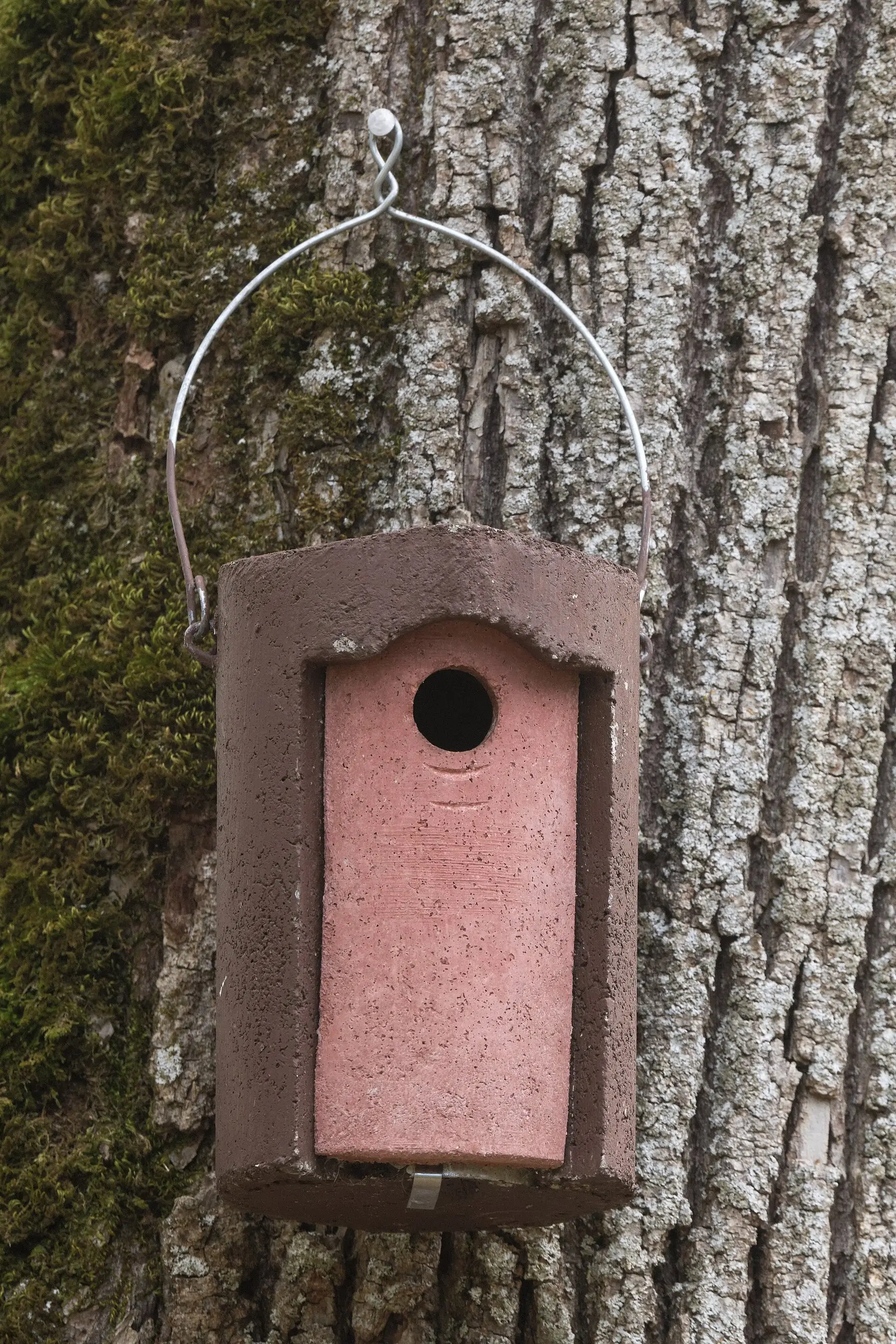
Bird House Hole Size: The Number That Picks the Tenant
Entrance diameter decides which species can use a box and which predators cannot. A size chart, the dimensions that go with each, and why perches are harmful.