
What Vegetables Can Tortoises Eat Daily? Weeds, Not Veg
Mediterranean tortoises want wild greens and weeds, not salad vegetables. The daily list, the weekly list, and why supermarket veg causes shell problems.
 By
On this page
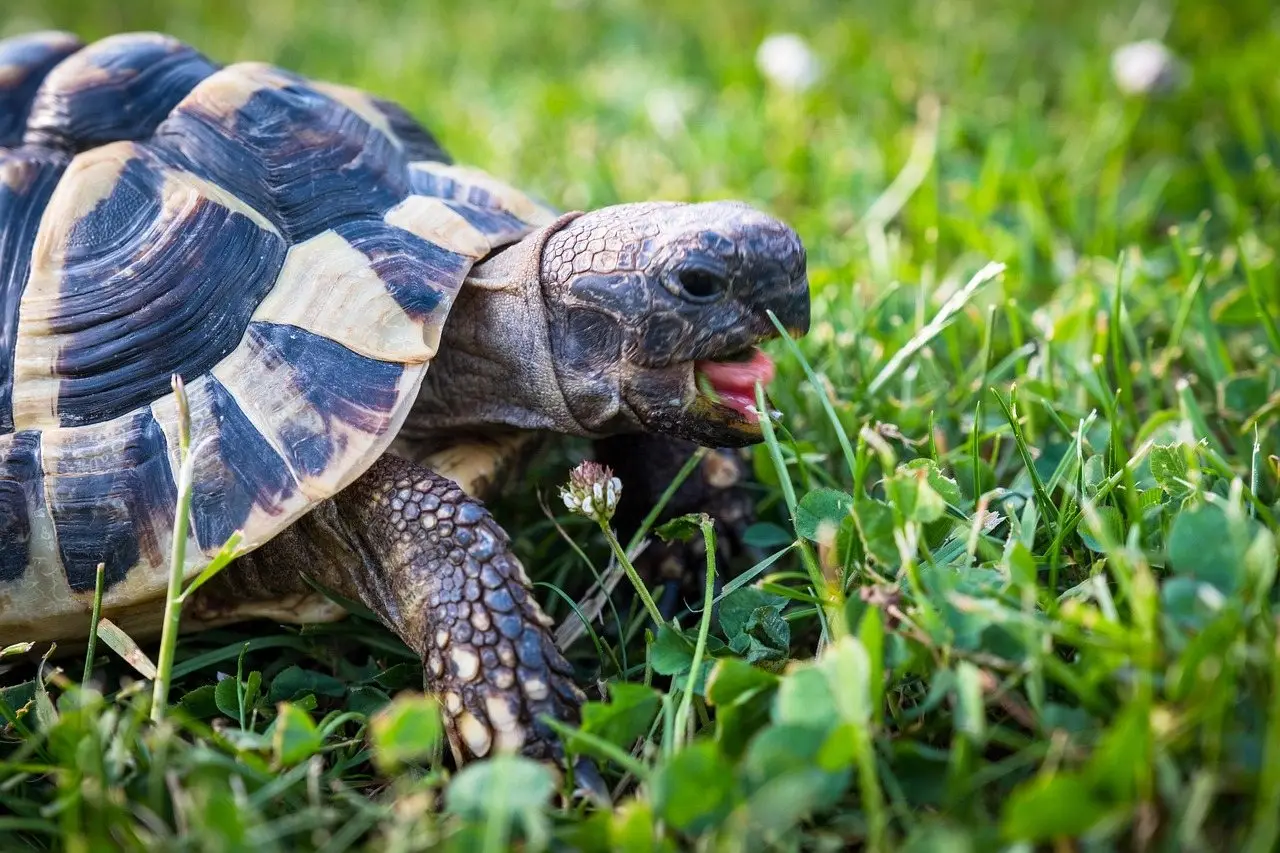
A Mediterranean tortoise evolved on dry, fibrous, calcium-rich weeds. Nearly everything in the vegetable aisle is the opposite of that, which is why so many pet tortoises grow lumpy shells.
Daily, weekly, never
| daily | a few times a week | never |
|---|---|---|
| Dandelion leaf and flower | Rocket, watercress | Any animal protein |
| Plantain (Plantago) | Romaine, dark lettuces | Fruit (Mediterranean species) |
| Sow thistle, hawkbit | Chicory, endive | Spinach, chard, rhubarb |
| Clover, mallow | Kale, cabbage, pak choi | Avocado |
| Bramble leaf | Squash, courgette | Buttercup, foxglove, bulbs |
| Hibiscus leaf and flower | Carrot, pepper (treat) | Ivy, rhododendron, azalea |
| Coarse grass | Nightshades, hellebore |
Why supermarket veg goes wrong
| property | wild weeds | salad vegetables |
|---|---|---|
| Fibre | high | low |
| Calcium : phosphorus | favourable | often poor |
| Water content | moderate | high |
| Protein | low | low to moderate |
| Oxalates | low | high in spinach, chard, beet |
The visible result of getting this wrong is pyramiding — raised, lumpy scutes from growth that is too fast for the bone beneath it, usually alongside inadequate humidity.
Advice for a red-foot will harm a Hermann's
Tropical tortoises are omnivorous and take fruit and occasional animal protein. Mediterranean species are not and must not. Most bad tortoise feeding advice online is correct advice applied to the wrong group — identify the species before following anything.
Calcium and light together
- Cuttlebone left in the enclosure, taken at will
- Calcium powder dusted on food two or three times a week for a growing tortoise
- UVB lighting replaced on schedule — output falls long before the tube stops lighting
- Natural sunlight outdoors beats any lamp, through unfiltered air rather than glass
Grow the diet rather than buying it
A patch of dandelion, plantain, clover, sow thistle and mallow in a corner of the garden feeds a Mediterranean tortoise better than anything in a supermarket, costs nothing, and is the one piece of tortoise care that gets easier over time.
Common questions
What can a tortoise eat every day?
Why are salad vegetables a problem?
What should be occasional rather than daily?
What must never be fed?
Do tropical species differ?
Do they need calcium supplements?
Backyard Weekly
Know what to plant, week by week
Join the weekly email for seasonal jobs, fixes for what is going wrong, and gear worth buying.
Not ready to subscribe? The planting calendar is free and needs no email.
By subscribing you agree to our privacy policy. Grow In Backyard will never sell your address.
Keep reading
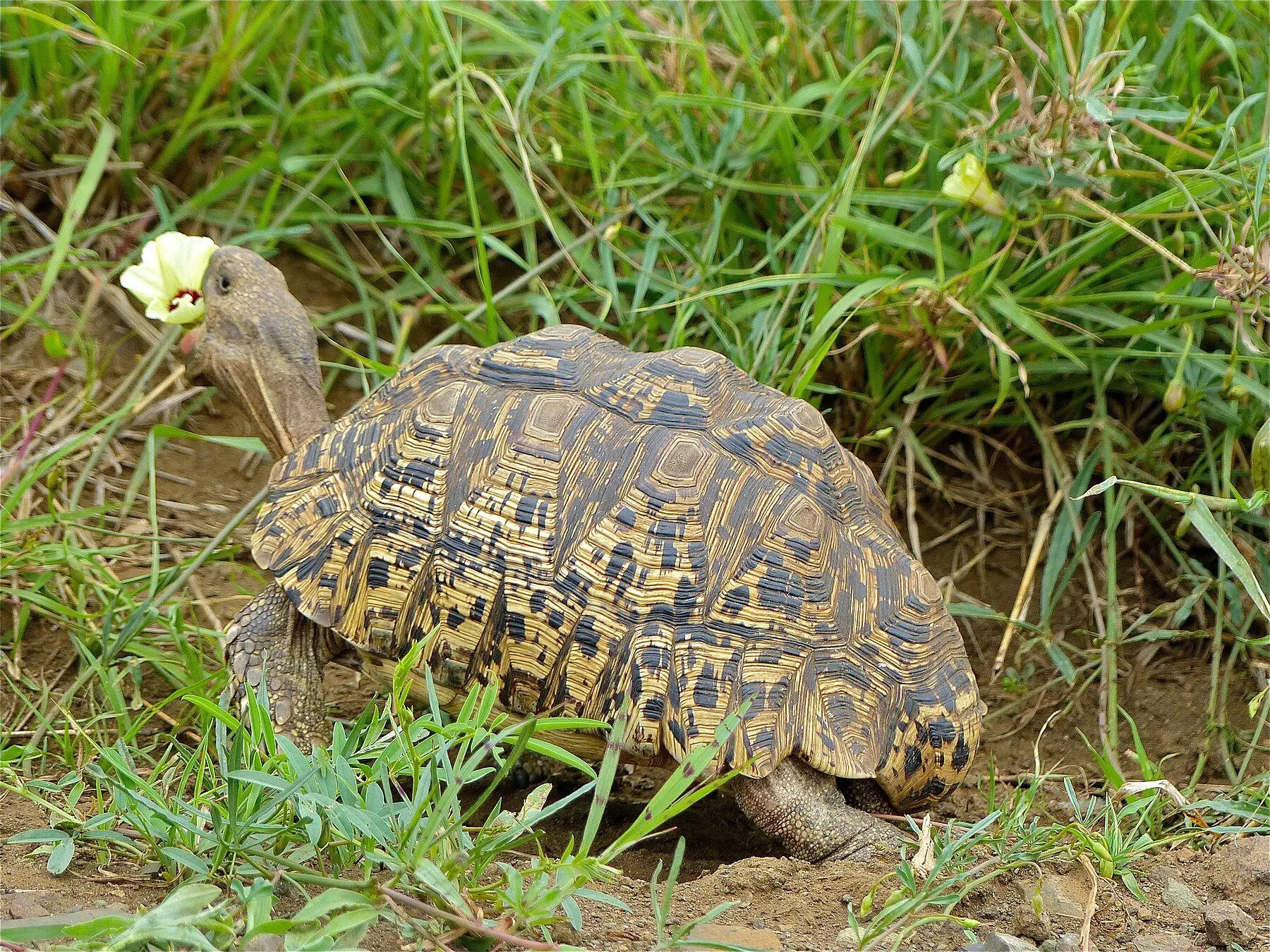
What Flowers Can Tortoises Eat? A Safe and Unsafe List
Hibiscus, dandelion, nasturtium and rose are all safe and popular. The flowers that are genuinely toxic, and why variety matters more than any one.
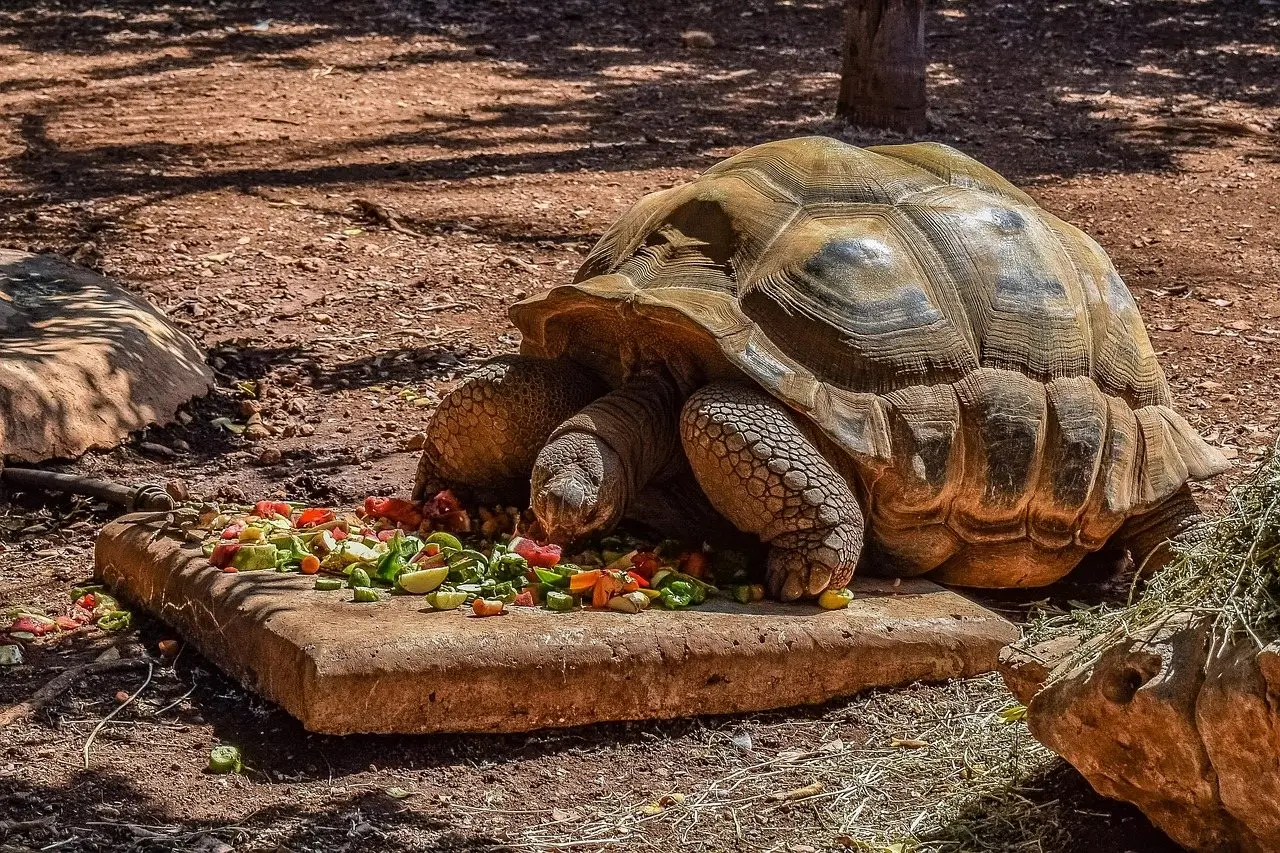
Will Tortoises Eat Poisonous Plants? Often Yes
Wild tortoises avoid most toxic plants, but captive ones in a small enclosure will eat them. Never rely on instinct — remove the plant instead.
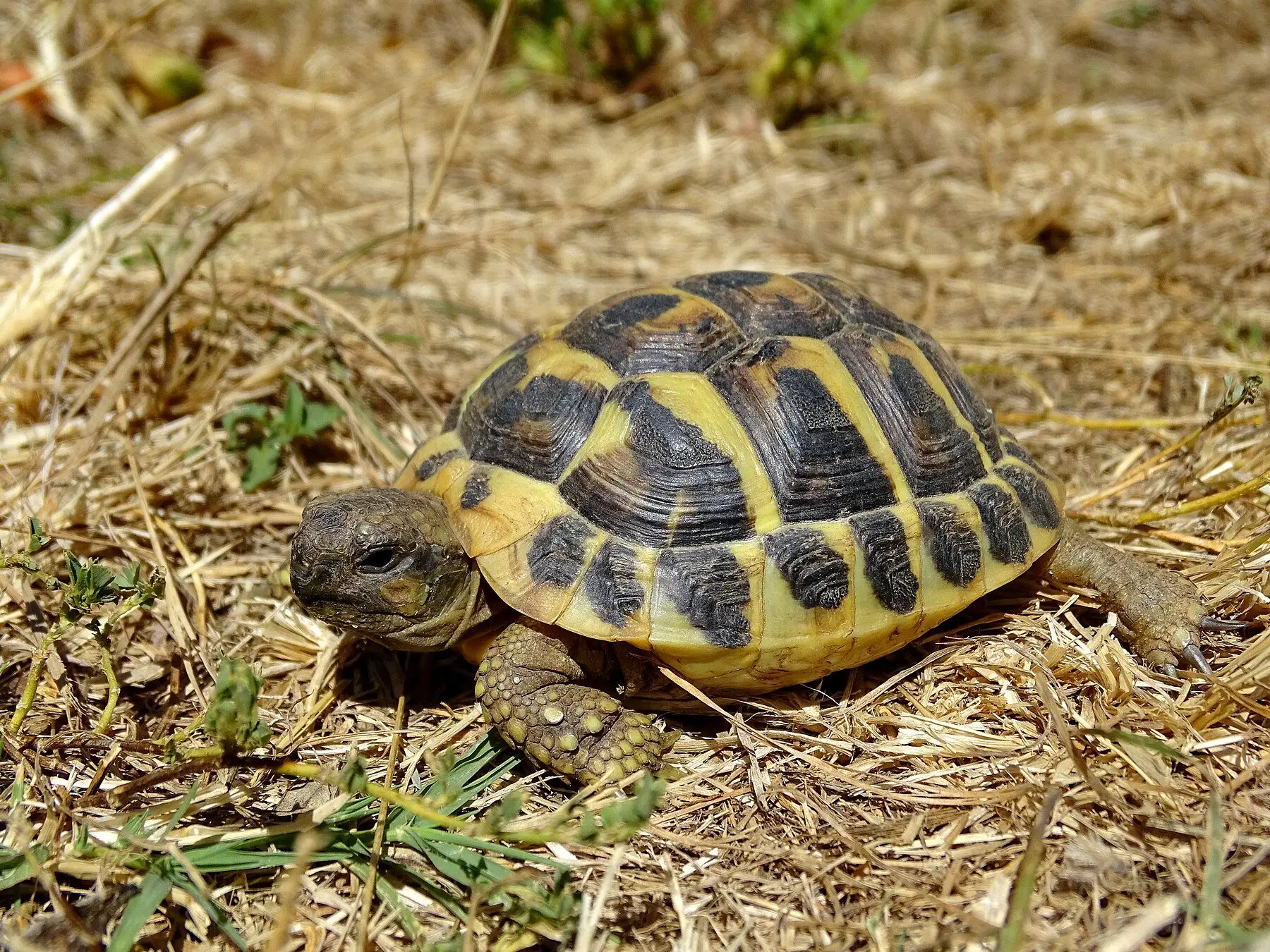
Can a Tortoise Live in My Backyard? Climate Decides It
Mediterranean species manage outdoors in mild climates with a heated shelter. What a secure enclosure needs, and the escape routes people miss.
Where Can You Find Lizards in Your Backyard? Warm Edges
Sunlit walls, rock piles, log edges and south-facing paving in the morning. Lizards need to warm up before they can hunt, so they bask first.