
Can a Tortoise Live in My Backyard? Climate Decides It
Mediterranean species manage outdoors in mild climates with a heated shelter. What a secure enclosure needs, and the escape routes people miss.
 By

On this page
Outdoors is better for a tortoise than any vivarium — more light, real grazing, room to move. The limits are your climate, the species, and whether the walls are opaque.
Species and climate
| species | temperate backyard |
|---|---|
| Hermann’s | yes, with a heated hide |
| Spur-thighed (Testudo graeca) | yes, with a heated hide |
| Marginated | yes, with a heated hide |
| Horsfield’s / Russian | yes — digs hard, sink the walls deep |
| Leopard, sulcata | summer only; sulcata outgrows most gardens |
| Redfoot, yellowfoot | no — needs tropical humidity |
Enclosure checklist
| element | spec |
|---|---|
| Wall height | 2× the tortoise’s length, opaque |
| Wall depth below ground | 20–30 cm |
| Corners | rounded off — they climb angles |
| Basking area | open, south-facing, all morning sun |
| Shade | deep, available all afternoon |
| Water | shallow, enterable, refreshed daily |
| Hide | insulated, heated, dry |
| Overhead | netting where foxes, corvids or cats visit |
Plant it as meadow, not lawn
| grow | avoid |
|---|---|
| Dandelion, plantain, clover | Buttercup, foxglove |
| Sow thistle, hawkbit | Daffodil, bluebell |
| Bramble leaf, mallow | Ivy, rhododendron, azalea |
| Coarse grasses | Hellebore, nightshades |
Do not hibernate a tortoise in an outdoor hide
Outdoor hibernation fails in three ways: too warm and the animal burns reserves it cannot replace, too cold and it suffers frost damage to the eyes and limbs, too wet and it drowns or rots. A controlled 3–7°C in a fridge or a stable cold room, with pre-hibernation weight and health checks, is the method that works.
Check the perimeter after heavy rain
Soft ground is when they get out. A tortoise that has pushed at the same spot for weeks succeeds the first time the soil gives, and a lost tortoise in a neighbourhood is very rarely recovered.
Common questions
Can a tortoise live outdoors in a backyard?
Can they stay out all year?
What does the enclosure need?
Why do walls need to be opaque?
What plants should be in there?
What gets tortoises out of a garden?
Backyard Weekly
Know what to plant, week by week
Join the weekly email for seasonal jobs, fixes for what is going wrong, and gear worth buying.
Not ready to subscribe? The planting calendar is free and needs no email.
By subscribing you agree to our privacy policy. Grow In Backyard will never sell your address.
Keep reading
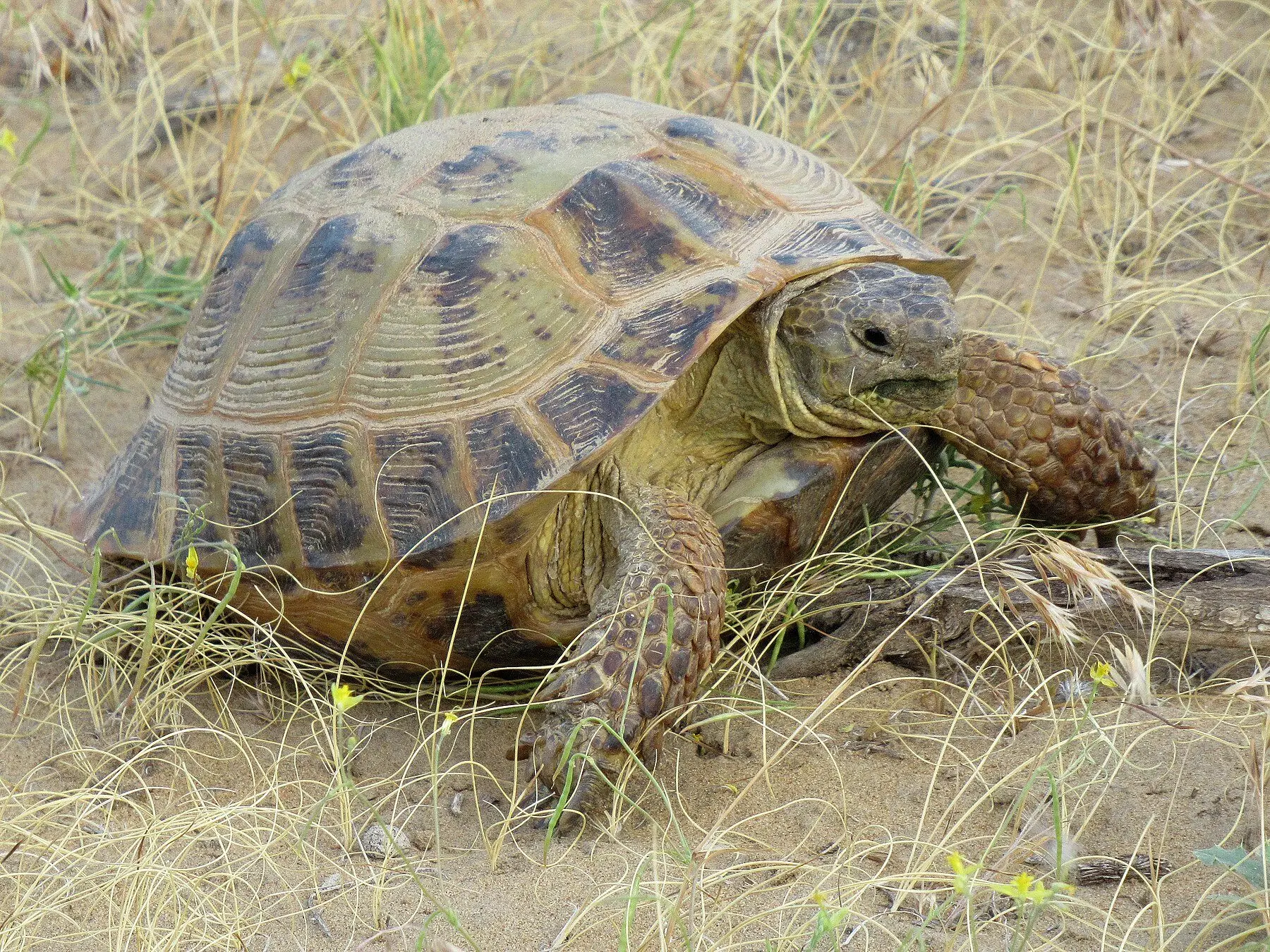
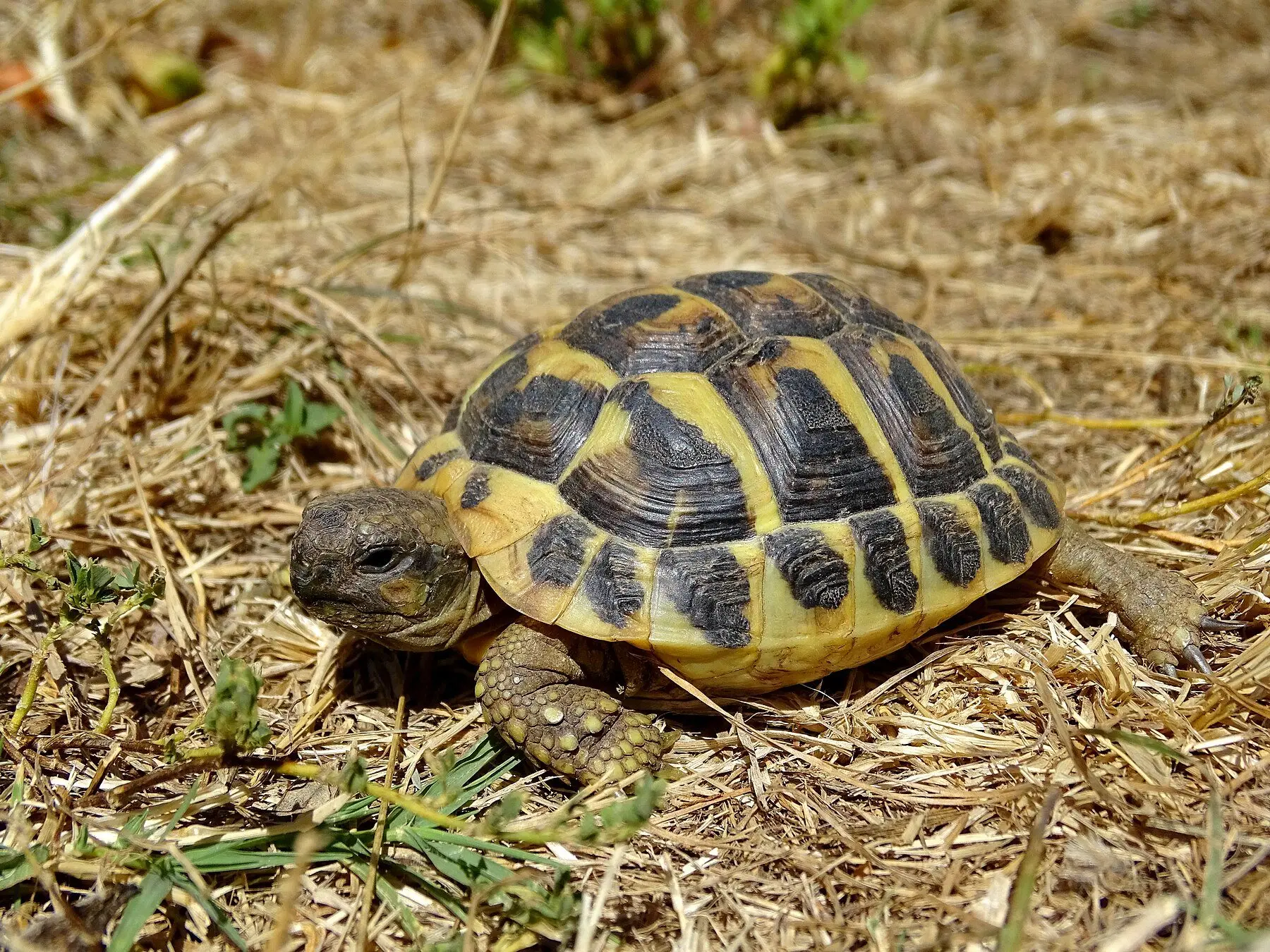
Best Pet Tortoise for Beginners: 5 Species Worth Considering
Tortoises are easy animals in the right enclosure and difficult in the wrong one. The five beginner species, their adult sizes, and what indoors really costs.
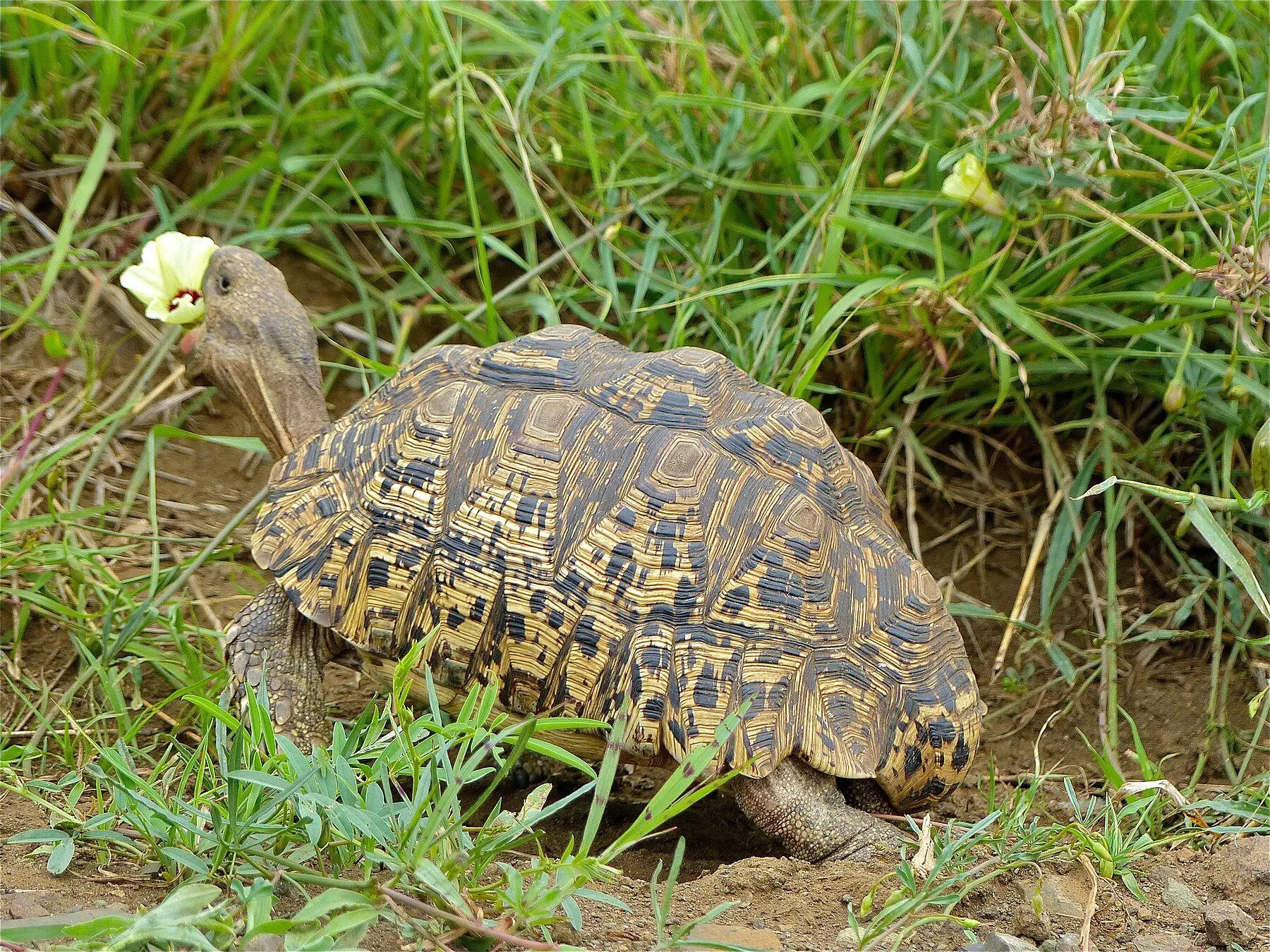
What Flowers Can Tortoises Eat? A Safe and Unsafe List
Hibiscus, dandelion, nasturtium and rose are all safe and popular. The flowers that are genuinely toxic, and why variety matters more than any one.
Will Tortoises Eat Poisonous Plants? Often Yes
Wild tortoises avoid most toxic plants, but captive ones in a small enclosure will eat them. Never rely on instinct — remove the plant instead.
Can Tortoises Eat Marigolds? Pot Marigold Yes, French No
Calendula is safe and readily eaten; the French and African marigolds sold as bedding are a different genus. How to tell them apart before feeding.