
What Temperature Should Baby Squirrels Be Kept At?
Warmth comes before food, always. The safe way to warm a found kit, why direct heat burns, and the signs that it is warm enough to be moved.
 By
On this page
Warmth comes before food, always. A cold kit cannot digest, so feeding one kills it. Gentle indirect heat, a quiet dark box, and a phone call are the whole of what a bystander should do.
Why they chill so fast
| age | thermoregulation |
|---|---|
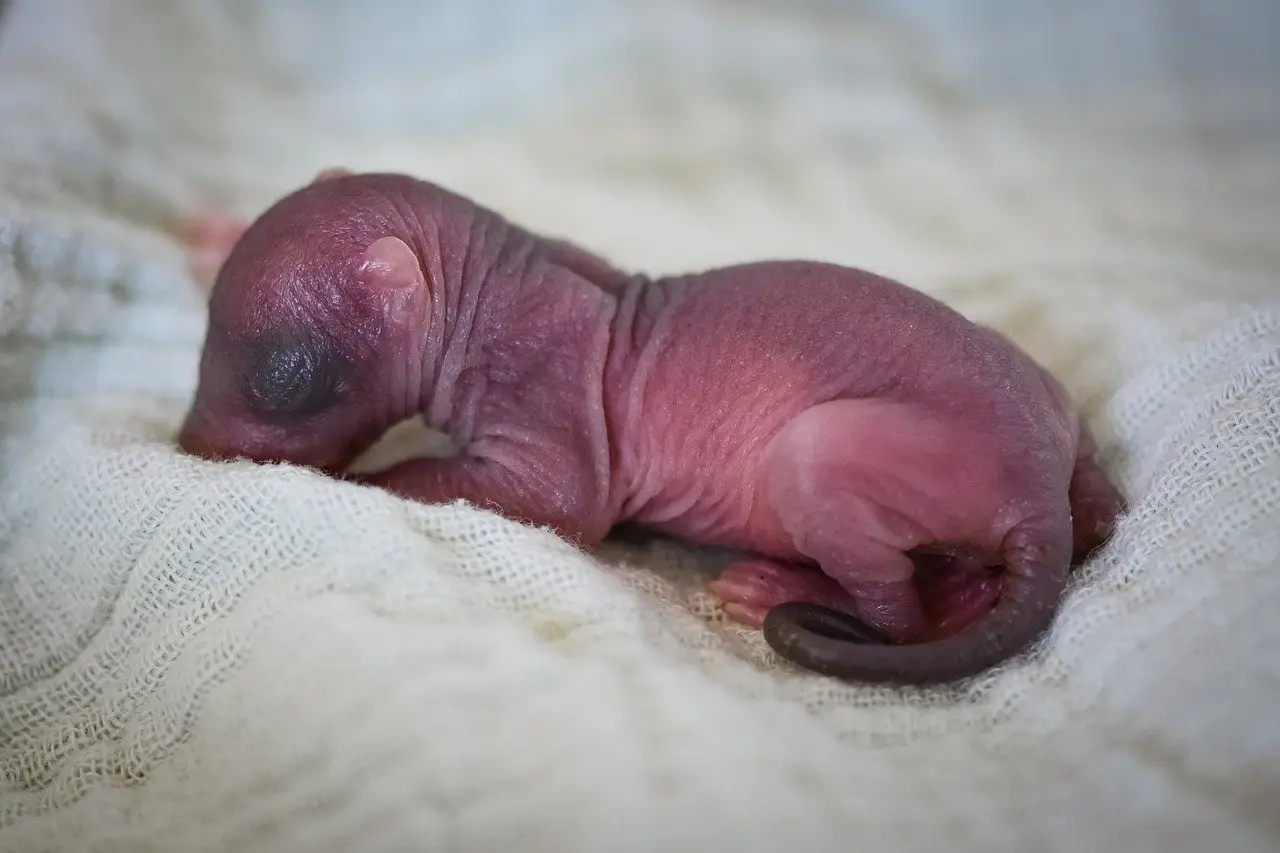
| 0–2 weeks, naked and pink | none at all; entirely dependent on the nest and littermates |
| 2–4 weeks, fine fur appearing | very poor |
| 4–6 weeks, fully furred | improving, still limited |
| 7 weeks and up | reasonable, and starting to leave the nest |
A drey works because it is insulated, enclosed, and holds a mother and several kits pressed together. On open ground, none of that applies, and a naked kit cools in minutes.
That is why so much of what follows is about heat rather than food. Hypothermia is what is actually killing the animal while people look for milk.
How to warm one safely
- A bottle or sealed container of warm water — warm to the inside of your wrist, not hot
- Wrap it, or put it under a folded towel
- Lay the kit on the towel, so the heat reaches it through a layer
- Cover the box loosely. Quiet, dark, out of draughts
- Leave half the box unheated, so it can move away if it gets too warm
- Check it every 20 minutes and refresh the water as it cools
What burns kits
Heating pads on anything above the lowest setting, hot water bottles against bare skin, hair dryers, radiators and heat lamps. A weak kit cannot crawl away from heat, and the skin damage happens without any struggle to warn you. Always warm through a layer and always leave an escape side.
Signs it is warm enough
- Body feels warm to the back of your hand, not cool
- Responsive — moves, squirms, curls when touched
- Breathing is steady and quiet, mouth closed
- No longer limp
A kit that stays limp and cool after an hour of gentle warmth is in trouble that heat alone will not fix.
What not to do, in order of how often it happens
- Do not feed it. Cow’s milk and human infant formula cause fatal diarrhoea. Feeding a cold kit causes food to ferment in the gut. Feeding at the wrong angle causes aspiration pneumonia
- Do not give water by syringe. Same aspiration risk
- Do not bathe it. Wet plus cold is worse than cold
- Do not keep it. Raising a wild squirrel requires a licence in most places, and hand-raised squirrels are frequently unreleasable and become aggressive at maturity
- Do not handle it more than necessary. Stress costs an already-struggling animal
Then give the mother a chance
If the kit is warm, uninjured, and the nest tree is identifiable:
- Open shallow box at the base of the tree, in shade
- Keep the warm bottle underneath
- Cats and dogs kept well away — this is the part that decides it
- Withdraw and watch from a distance for two to three hours
Mothers retrieve kits routinely, carrying them clamped against the belly, and will move a whole litter to another drey if the first has been disturbed.
When to call a rehabilitator
Call your state or regional wildlife agency for the licensed rehabilitator list if:
- The kit stays cold or limp after warming
- Nobody has come after two to three hours
- There is blood, an injury, or flies, fly eggs or maggots on it
- Breathing is laboured, open-mouthed, bubbling or clicking
- The mother is known to be dead
- Anyone has already fed it
The call is free. The rehabilitator has the incubator, the correct formula and the antibiotics, and is the only legal route in most places.
Common questions
How warm does a baby squirrel need to be?
How do I safely warm a cold baby squirrel?
Can I use a heating pad for a baby squirrel?
Why must a baby squirrel be warm before it is fed?
How long does it take to warm a cold kit?
Should I put a baby squirrel back outside once it is warm?
Backyard Weekly
Know what to plant, week by week
Join the weekly email for seasonal jobs, fixes for what is going wrong, and gear worth buying.
Not ready to subscribe? The planting calendar is free and needs no email.
By subscribing you agree to our privacy policy. Grow In Backyard will never sell your address.
Keep reading
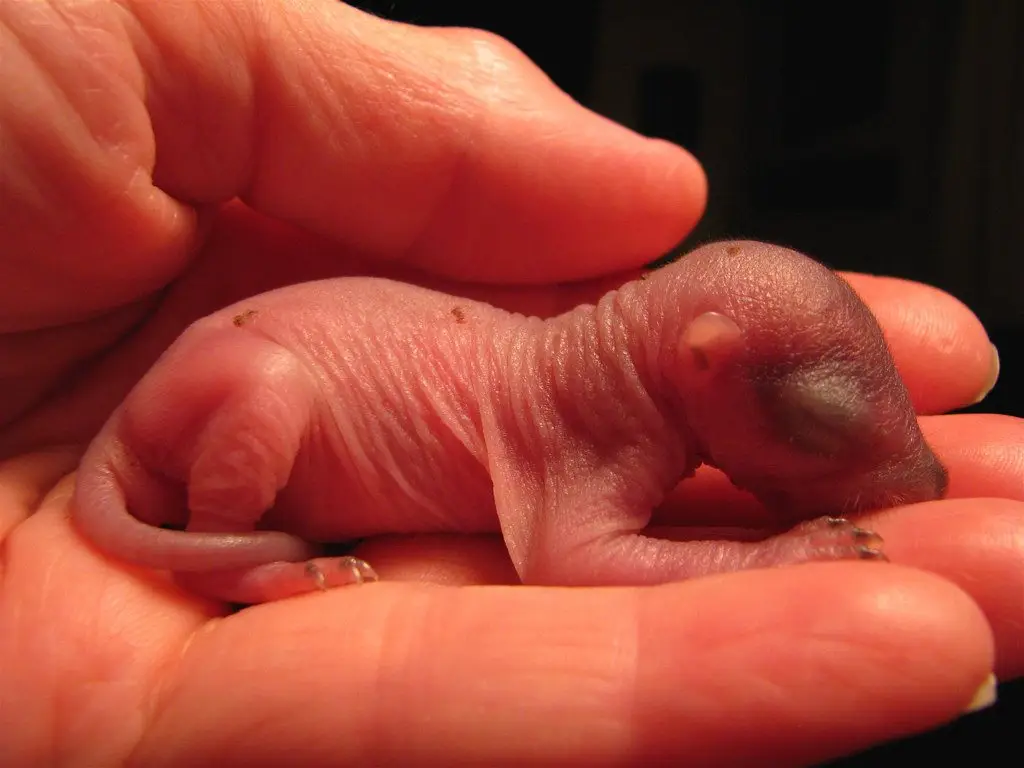
What to Feed Newborn Squirrels: The Honest Answer
A cold newborn squirrel cannot digest anything, and the wrong formula kills. What to do in the first hour, and why a rehabilitator is the real answer.
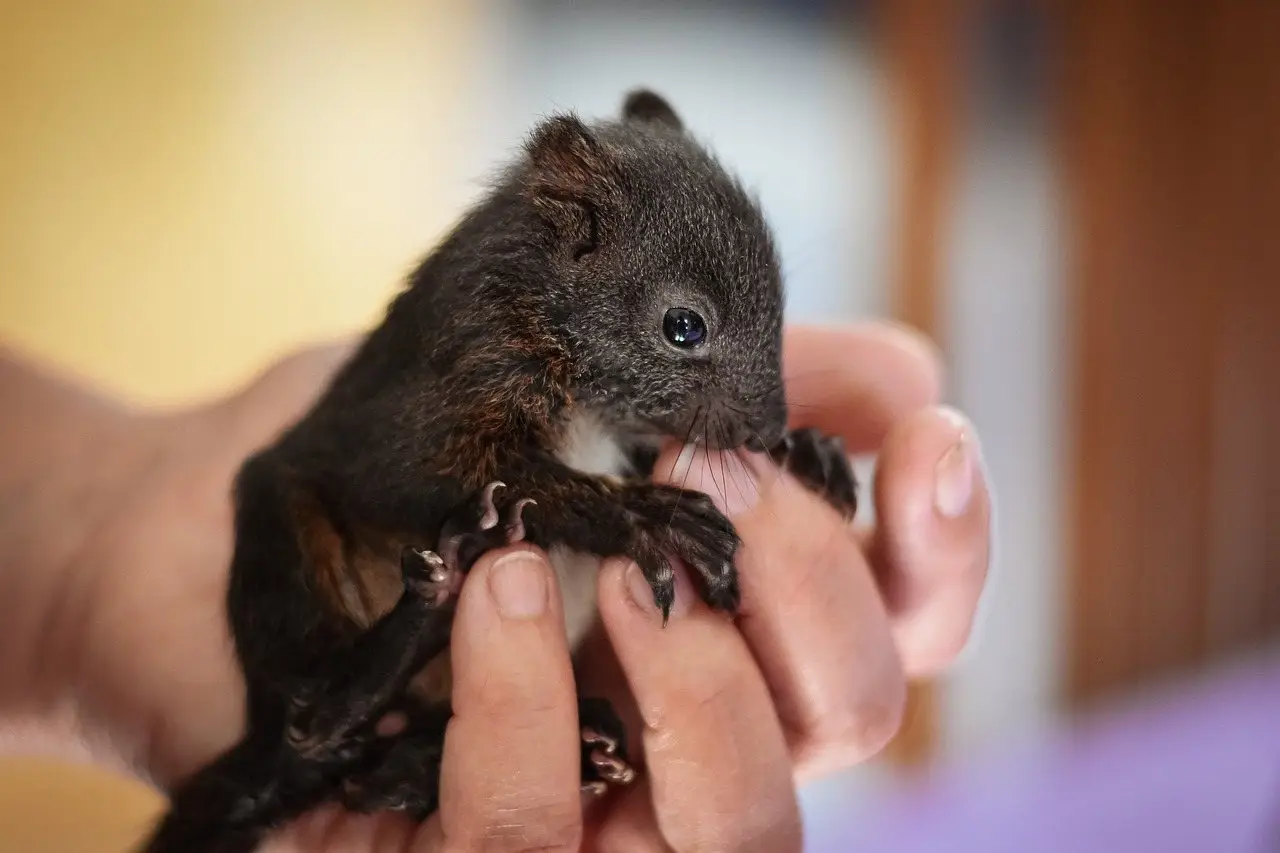
How Fast Do Baby Squirrels Breathe? And What It Tells You
A warm, healthy kit breathes steadily and quietly. What laboured, open-mouth or bubbling breathing means, and why it is a call rather than a home job.
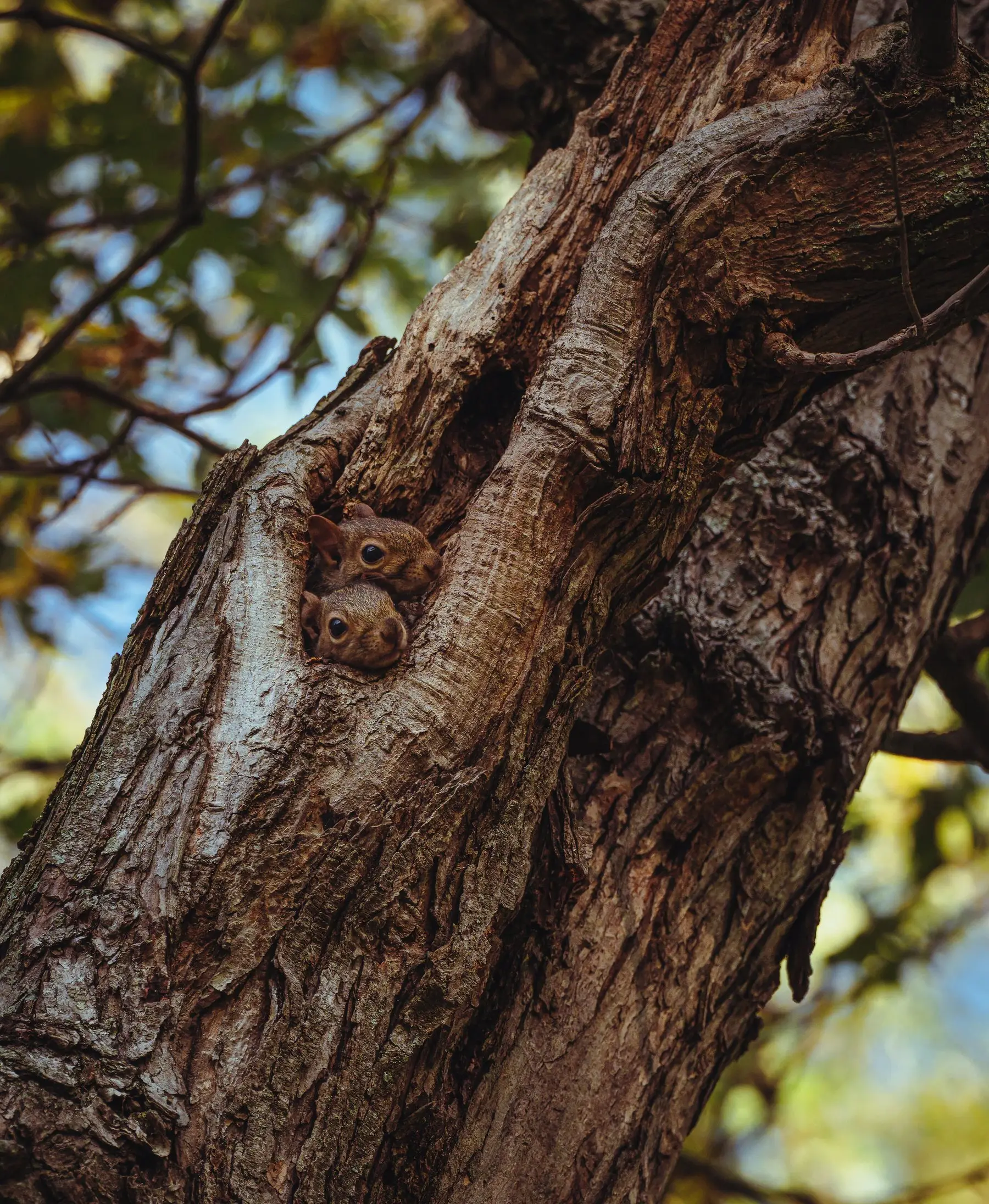
When Do Baby Squirrels Leave the Nest? Week by Week
Kits first come out at six or seven weeks and are independent by three months. The timeline, and how to tell an orphan from one that is fine.
What to Bait Squirrels With: What Works, and the Law First
Peanut butter, pecans and sunflower seed out-perform everything else. The bait table, why trapping rarely solves it, and the legal check that comes first.