
What to Bait Squirrels With: What Works, and the Law First
Peanut butter, pecans and sunflower seed out-perform everything else. The bait table, why trapping rarely solves it, and the legal check that comes first.
 By
On this page
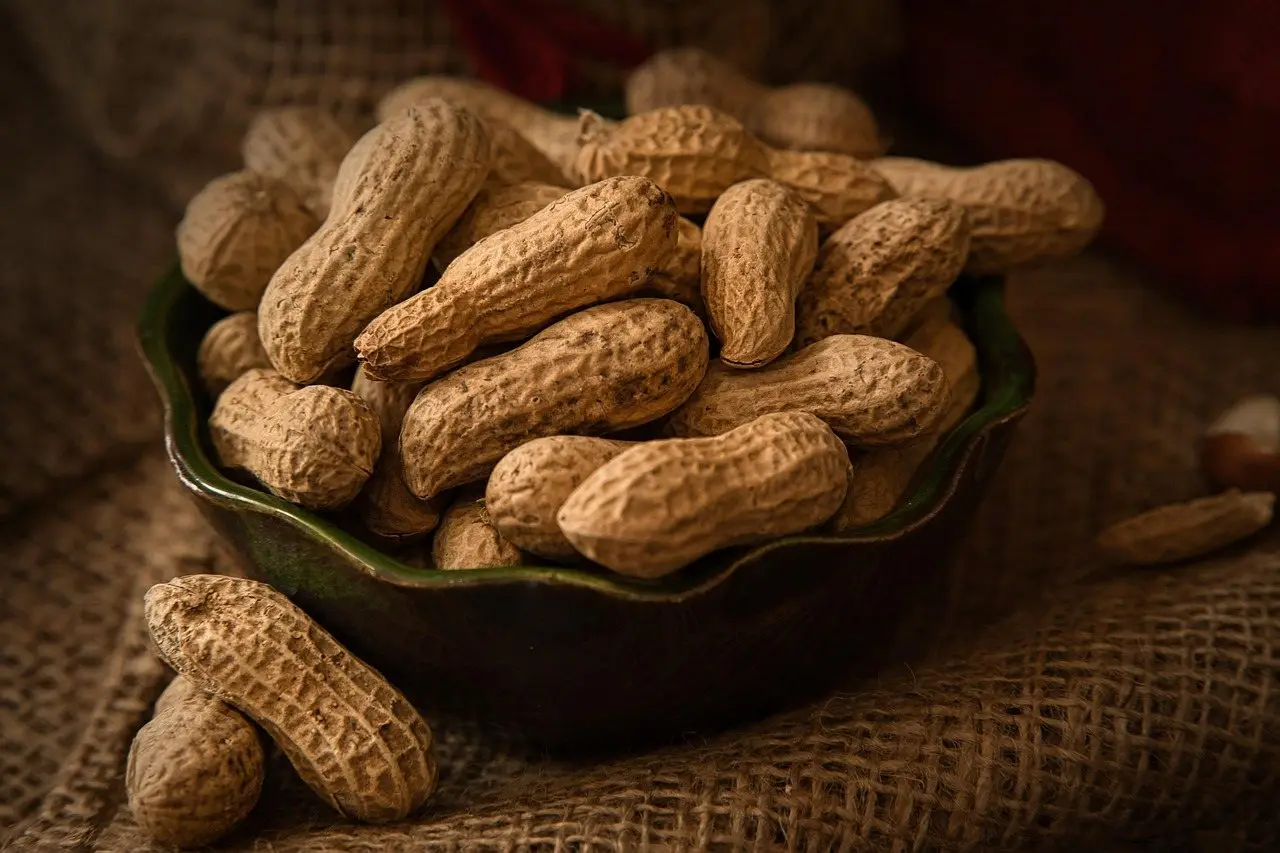
Peanut butter wins on scent and stickiness. But the honest version of this article starts elsewhere: check the law, and ask whether trapping will solve anything, because in most gardens it does not.
Before the bait: two questions
1. Is it legal where you are? Trapping native wildlife is regulated in many jurisdictions, and relocating a trapped animal is restricted or prohibited in a great many of them. In Britain it is an offence to release a trapped grey squirrel. Your state or national wildlife agency is the authority, not a hardware store.
2. Will it work? Trapping removes one squirrel. It does not remove the dry roof cavity, the deck void, or the bird feeder spilling seed on the lawn — and those are what brought the squirrel. The usual outcome of trapping without exclusion is the same job again next season.
Relocation is often the worst option even where it is legal
A squirrel moved several miles into unfamiliar territory has no caches, no nest and no knowledge of the local predators, and it is moving into ground already held by other squirrels. Survival is poor. Relocating a nursing female also leaves kits to starve in the nest.
The bait table
| bait | why it works | notes |
|---|---|---|
| Peanut butter | strong scent, sticky, slow to remove | the standard; smear on the trip plate |
| Whole pecans, walnuts in shell | squirrels carry rather than nibble, so they trip the plate | wire one in place |
| Black oil sunflower seed | cheap, familiar, high oil content | scatter on the approach |
| Hazelnuts, almonds | good scent | raw and unsalted only |
| Apple or orange slice | adds moisture in hot weather | dries out fast |
| Shelled corn | cheap | less attractive than the above |
Peanut butter plus a few sunflower seeds is as good as this gets. More exotic baits are mostly marketing.
Placement beats bait
- Set the trap on the route, not in open ground — fence tops, the base of a wall, along a gutter run, on the branch line they already use
- Pre-bait for two or three days with the trap wired open, so the animals learn the spot is safe
- Smear the plate, scatter a trail of seed to the entrance
- Level, stable footing. A trap that rocks does not get entered
- Shade. Direct sun on a trapped animal is a welfare problem within an hour
- Wear gloves when handling the trap, and keep human scent down
Welfare, which is not optional
- Check at least twice a day, and more often in heat or frost. Many jurisdictions set a legal minimum
- A trapped squirrel injures its face and teeth trying to escape — time matters
- Cover the trap with a towel once an animal is in it; dark calms them
- Never handle a trapped squirrel. The bite is deep and the animal is terrified
- Do not set traps you cannot check. Exclusion work waits for you; a trapped animal does not
What never to use
- Poison bait. Not legal for squirrels in many jurisdictions, slow, and it kills the owls, hawks, foxes and cats that eat the poisoned animal
- Chocolate. Toxic to squirrels, and used as bait it is simply a slow poison
- Glue traps. Indiscriminate, inhumane, and banned in a growing number of places
- Bread and processed food. No nutritional value, and it draws rats
The thing that actually works
Spend the effort on exclusion instead:
- Move bird feeders 15–20 ft from the house, sweep the spill, and switch to hulled or pepper-treated seed
- Prune branches back about 10 ft from the roofline — squirrels jump 6–8 ft
- Seal entry points in heavy-gauge metal mesh, never plastic or timber
- Screen under decks with half-inch hardware cloth, turned outward in an L below ground
- Fit smooth metal bands to posts and guards to downpipes
None of it requires a trap, none of it requires a permit, and all of it holds after you have stopped paying attention.
Common questions
What is the best bait for a squirrel trap?
Is it legal to trap squirrels?
Does trapping actually get rid of squirrels?
What should you never use as squirrel bait?
Where should I put the trap?
How often must a live trap be checked?
Backyard Weekly
Know what to plant, week by week
Join the weekly email for seasonal jobs, fixes for what is going wrong, and gear worth buying.
Not ready to subscribe? The planting calendar is free and needs no email.
By subscribing you agree to our privacy policy. Grow In Backyard will never sell your address.
Keep reading
How Far to Relocate a Squirrel? Distance Is Not the Fix
Relocated squirrels mostly die, and moving one is illegal in many places. The distances people quote, why they fail, and what to do instead.
Non-Lethal Squirrel Deterrents: What Works and What Doesn't
Baffles and hardware cloth work. Ultrasonic devices, predator urine and most repellent sprays do not. Here is the evidence, sorted.
What to Feed Wild Squirrels: Nuts in Shell, Not Peanuts
Hazelnuts, walnuts and acorns in the shell suit them. Peanuts are legumes, nutritionally poor and risk aflatoxin, and bread does real harm.
What to Do When a Squirrel Has a Seizure
Do not touch it. The likely causes — head trauma, rodenticide, metabolic bone disease — and the exact call to make to get the animal real help.