
How Fast Do Baby Squirrels Breathe? And What It Tells You
A warm, healthy kit breathes steadily and quietly. What laboured, open-mouth or bubbling breathing means, and why it is a call rather than a home job.
 By
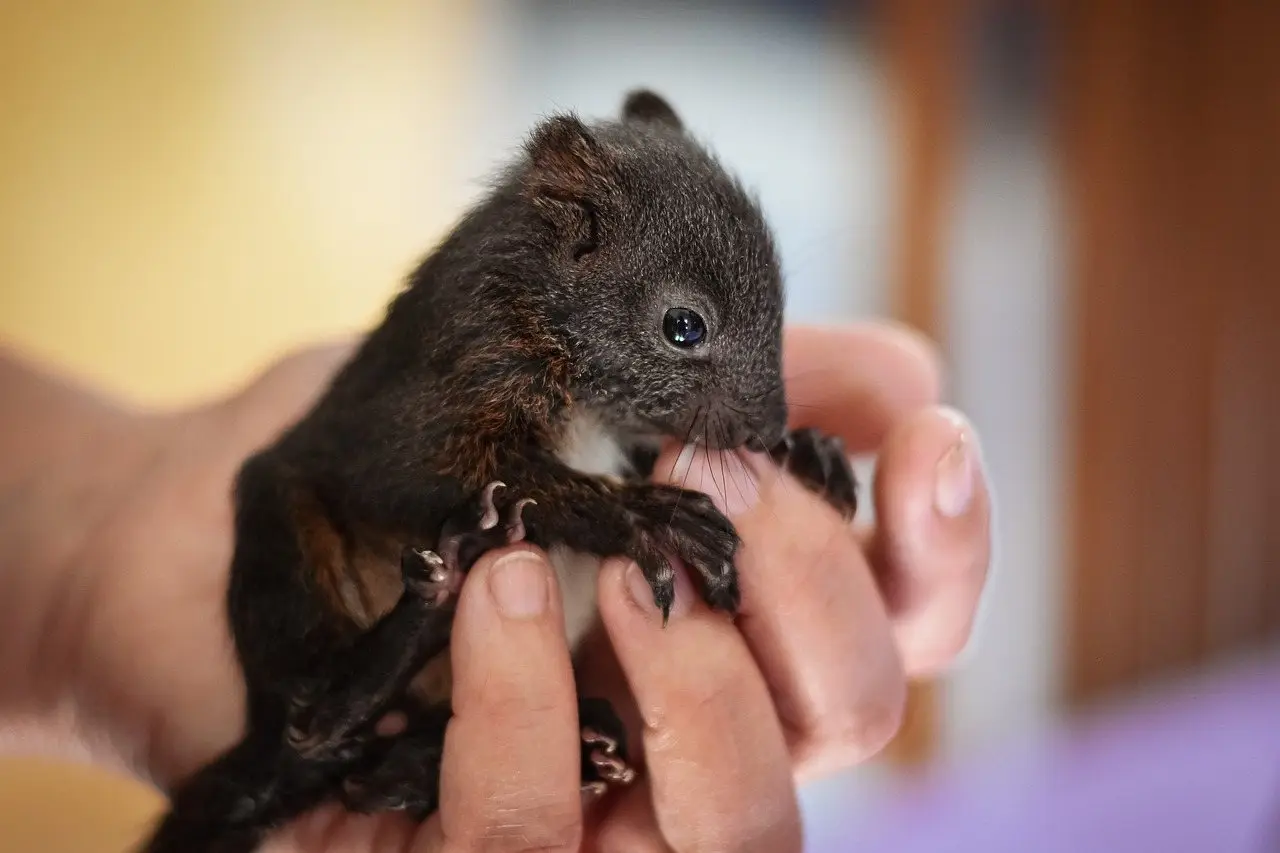
On this page
The number matters less than the character of the breathing. A warm, healthy kit breathes quietly, steadily, with its mouth closed and no visible effort. Anything laboured, open-mouthed or bubbling is a call to make, not a thing to treat.
What normal looks like
| healthy kit | |
|---|---|
| Rhythm | steady and regular |
| Sound | silent |
| Mouth | closed |
| Effort | none visible; no flaring, no heaving flanks |
| Body | warm to the touch, responsive, curls when handled |
Counting breaths is less useful than it sounds, because a kit that has just been picked up is stressed and breathing faster than it would in the nest. Watch instead for how it breathes once it has settled under gentle warmth for a few minutes.
The warning signs, and what they mean
| what you see | what it suggests |
|---|---|
| Open-mouth breathing | emergency — aspiration, pneumonia or chest trauma |
| Bubbling or clicking | fluid in the airway, usually inhaled formula |
| Fluid or bubbles at the nostrils | aspiration during feeding |
| Heaving flanks, visible effort | respiratory distress |
| Slow, shallow, limp, cold | hypothermia — the most urgent and most fixable |
| Rattly, wet-sounding | pneumonia developing |
Aspiration is how most hand-fed kits die
Formula inhaled into the lungs causes pneumonia within hours to days, and it is usually fatal without veterinary antibiotics. It happens when a kit is fed too fast, held on its back like a human baby, or fed from a syringe that delivers faster than it can swallow. This is the single strongest reason not to feed a found kit yourself.
Cold comes before everything
A chilled kit cannot digest. Food given to a cold squirrel sits in the gut and ferments, and the animal dies of that rather than of starvation.
Warm it first, and do not feed it at all:
- Indirect heat. A bottle of warm water wrapped in a cloth, placed under a towel the kit lies on — not against bare skin
- A covered box, somewhere quiet and dark
- No direct heat sources. Heat pads on high, hot water bottles against the body and hair dryers all burn
- Give it time. Warming takes a while, and a kit that is limp and cold needs a rehabilitator regardless
Give the mother a chance first
If the kit is warm, uninjured and the nest tree is identifiable, the best outcome is usually the mother retrieving it.
- Keep cats and dogs away from the area entirely
- Open shallow box at the base of the tree, in shade
- Gentle warmth underneath, as above
- Withdraw and watch from well back for two to three hours
- Do not feed, do not handle more than necessary, do not take it indoors while you wait
Mothers routinely carry kits back, clamped against the belly. Interrupting that is the most common avoidable mistake.
When to call, and who
Call a licensed wildlife rehabilitator — your state or regional wildlife agency keeps the list — if any of these apply:
- Breathing is laboured, open-mouthed, bubbling or clicking
- The kit is cold, limp or unresponsive
- There is blood, an obvious injury, or a wound
- There are flies, fly eggs or maggots on it
- The mother is known to be dead
- Nobody has come after two to three hours
- It has been fed anything by a person
In most jurisdictions keeping and raising a wild squirrel requires a licence. The call is free, the rehabilitator has the formula, the equipment and the antibiotics, and it is the route by which the animal has a realistic chance.
Common questions
How fast should a baby squirrel breathe?
Why is my baby squirrel breathing with its mouth open?
What does bubbling or clicking breathing mean?
Is a cold baby squirrel in danger?
Should I feed a baby squirrel I found?
How do I know if the mother will come back?
Backyard Weekly
Know what to plant, week by week
Join the weekly email for seasonal jobs, fixes for what is going wrong, and gear worth buying.
Not ready to subscribe? The planting calendar is free and needs no email.
By subscribing you agree to our privacy policy. Grow In Backyard will never sell your address.
Keep reading
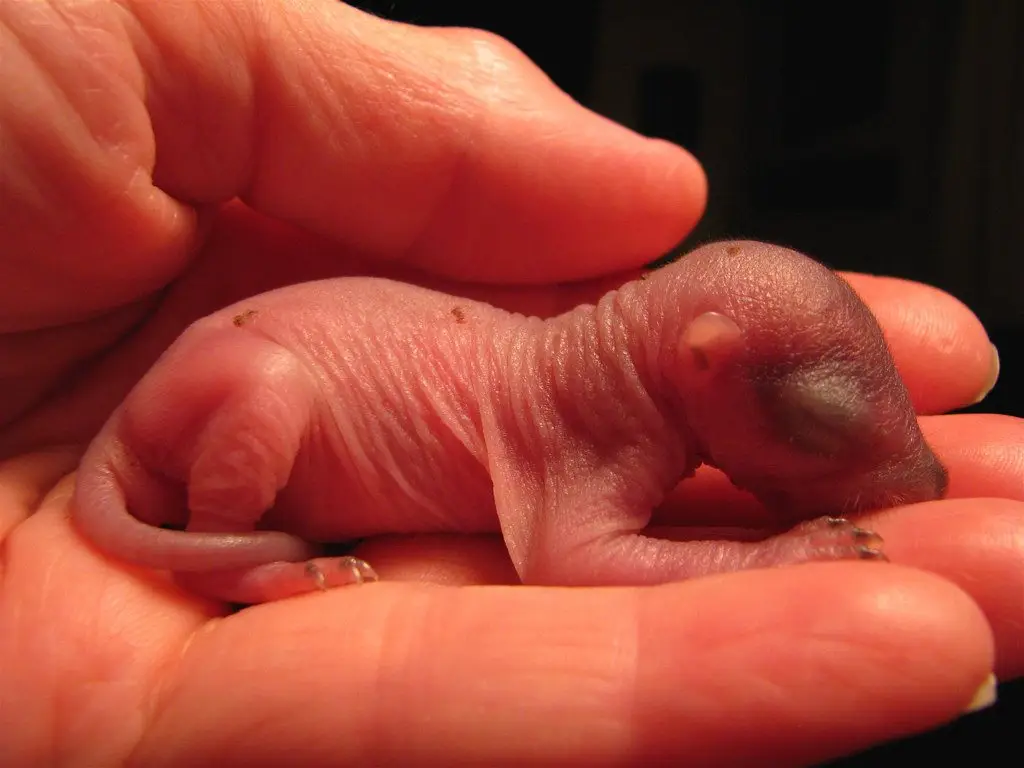
What to Feed Newborn Squirrels: The Honest Answer
A cold newborn squirrel cannot digest anything, and the wrong formula kills. What to do in the first hour, and why a rehabilitator is the real answer.
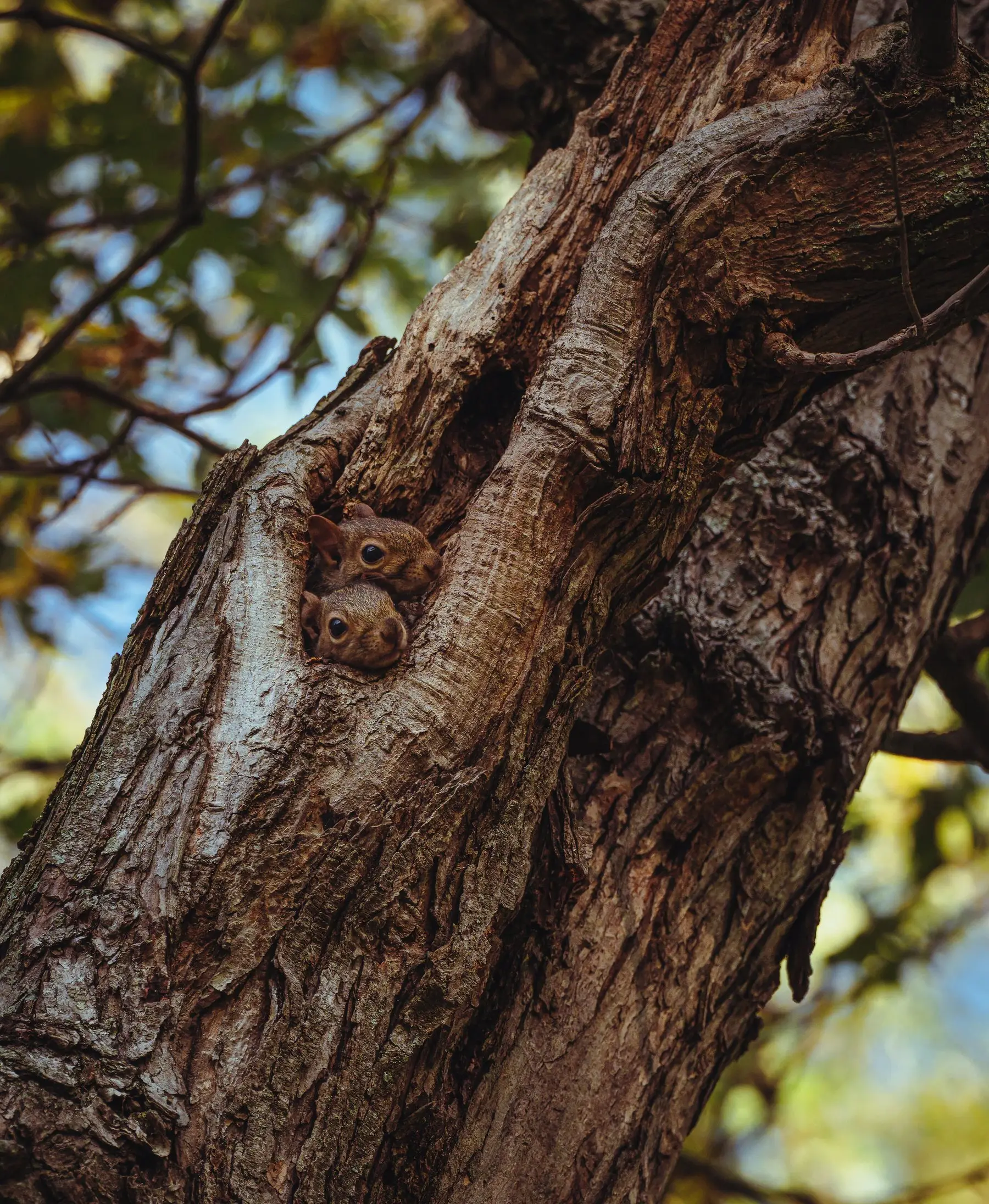
When Do Baby Squirrels Leave the Nest? Week by Week
Kits first come out at six or seven weeks and are independent by three months. The timeline, and how to tell an orphan from one that is fine.
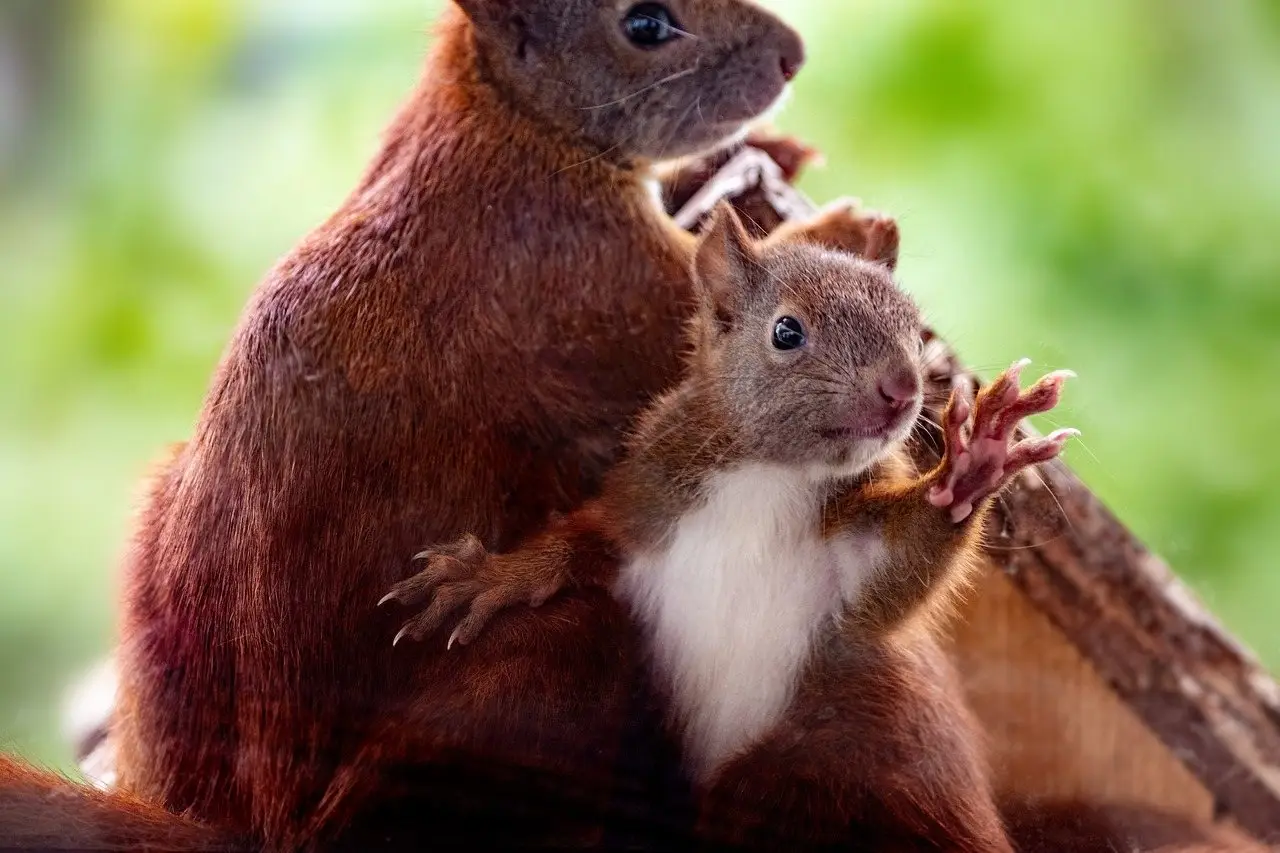
How Do Squirrels Carry Their Babies? Wrapped Under the Chin
A mother squirrel carries each kit in her mouth with the baby curled around her neck, one at a time, and she will move a whole litter nest to nest.
How High Can a Rat Jump? And How Far, and How Small a Gap
A brown rat clears about three feet vertically and four horizontally, and fits through a gap the size of a quarter. What that means for rat-proofing.