
What Plant Repels Snails? None Reliably — Some Are Just Ignored
No plant drives snails away. What exists is a list they rarely eat: rough, aromatic or bitter foliage they walk past on their way to your hostas.
 By
On this page
None. No plant drives snails away. What exists is a list they rarely eat — rough, aromatic or bitter foliage they walk straight past on their way to your hostas. Planting those protects the plants themselves, not their neighbours.
Left alone versus always eaten
| Rarely touched | Reliably destroyed |
|---|---|
| Rosemary, thyme, sage, lavender | Hostas — above everything |
| Bergenia, hardy geraniums, lamb’s ear | Delphiniums, lupins |
| Pulmonaria, astilbe, most ferns | Dahlias, young marigolds |
| Euphorbia — irritant sap | Sunflower seedlings |
| Alliums, ornamental onions | Lettuce, brassica transplants, courgette seedlings |
| Grasses and sedges | Almost any soft new growth |
| Hellebore, aquilegia, foxglove, fuchsia, nasturtium | — |
The pattern is consistent: thin, soft, moist foliage close to the ground is what they want. Tough, hairy, aromatic or dry is what they skip.
Why companion planting fails here
Snails navigate by contact and by chemical trails over very short distances — not by detecting and avoiding airborne scent across a bed.
A rosemary bush emits nothing that creates a protected zone. A snail crawling past simply keeps going.
This is why aromatic plants sometimes work on flying pests and never on crawling ones
Flying insects navigate on airborne cues and can be confused by them. A mollusc moving at a few metres an hour across the soil surface cannot.
The remedies that do not hold up
Eggshells, grit and coffee grounds
Eggshells and grit have repeatedly failed in controlled trials — slugs and snails travel over them on mucus without difficulty. Coffee grounds show an effect only at caffeine concentrations far above what used grounds provide.
Copper tape is the exception with some genuine evidence, for pots and raised beds, where it forms a complete unbroken ring. It fails the moment a leaf bridges it or the tape tarnishes.
What actually works
- Hand-collect after dark or after rain. Unglamorous, and the most effective thing available.
- Remove daytime shelter — boards, upturned pots, dense ground cover next to vulnerable plants.
- Water in the morning so the surface is dry by nightfall.
- Encourage predators — thrushes, frogs, toads, hedgehogs, ground beetles.
- Ferric phosphate pellets where you need them.
- Plant the resistant list — which simply means less of the garden is worth defending.
Common questions
What plant repels snails?
Why does companion planting not work against snails?
Which plants are most likely to be left alone?
What do they always eat?
Do coffee grounds, eggshells or copper tape work?
What actually reduces snail damage?
Backyard Weekly
Know what to plant, week by week
Join the weekly email for seasonal jobs, fixes for what is going wrong, and gear worth buying.
Not ready to subscribe? The planting calendar is free and needs no email.
By subscribing you agree to our privacy policy. Grow In Backyard will never sell your address.
Keep reading
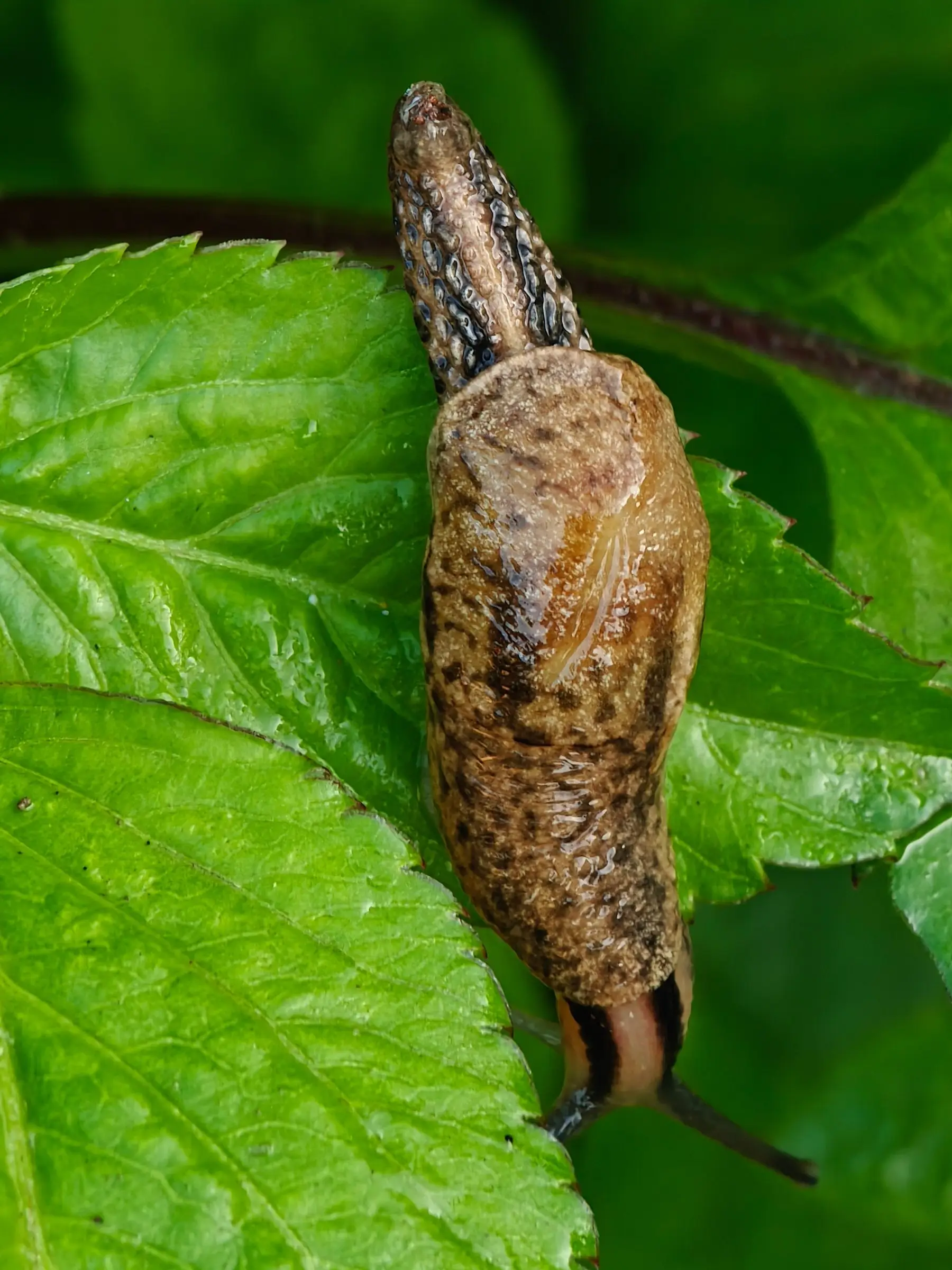
Homemade Slug Repellent: What Works and What Is Folklore
Beer traps, copper, eggshells and coffee grounds checked against what the evidence says. The two homemade methods that genuinely reduce damage.
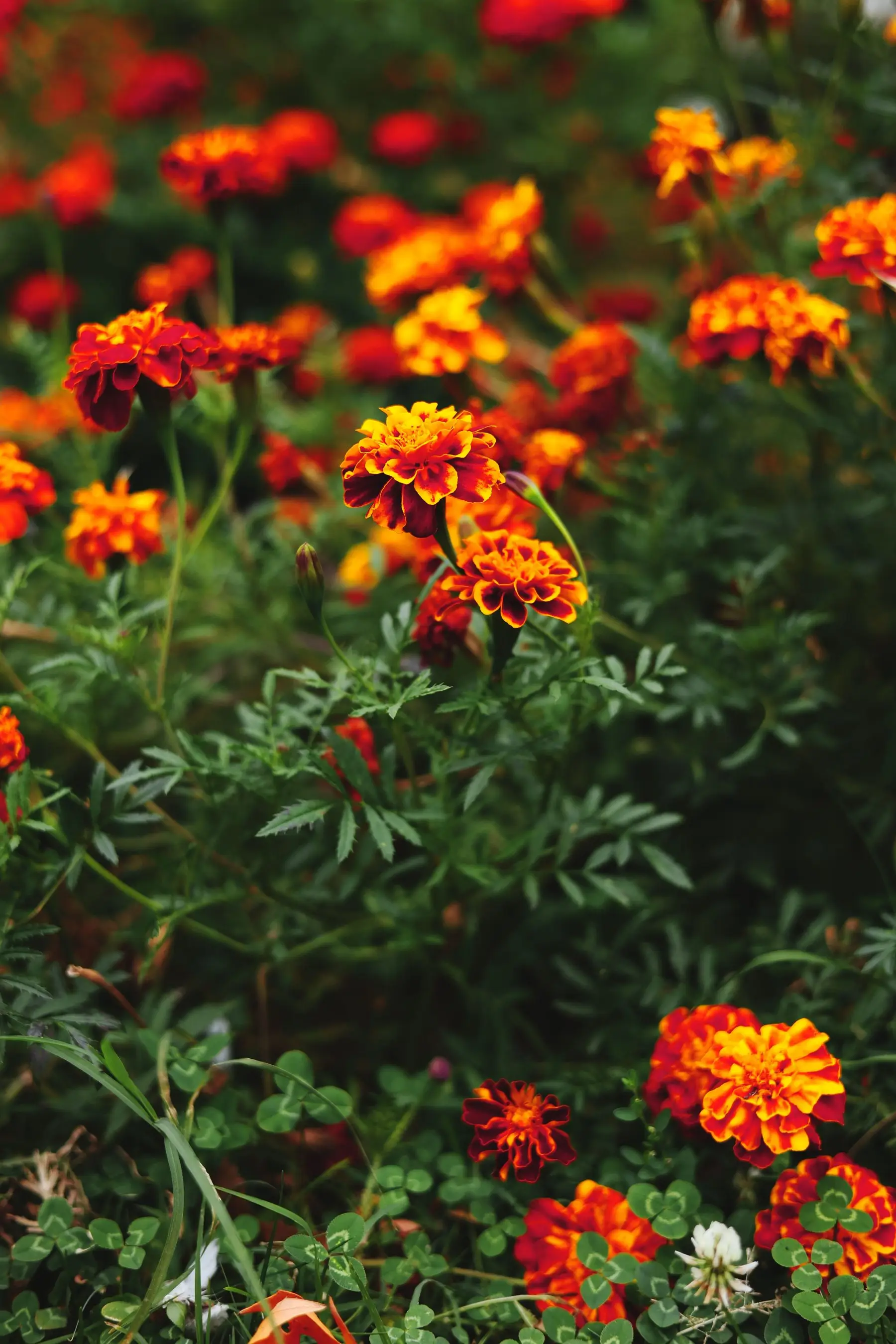
Do Marigolds Deter Slugs? They Attract Them Instead
Marigolds are one of the plants slugs go for first, not a repellent. Why the myth persists, how gardeners use them as a trap crop, and what does work.
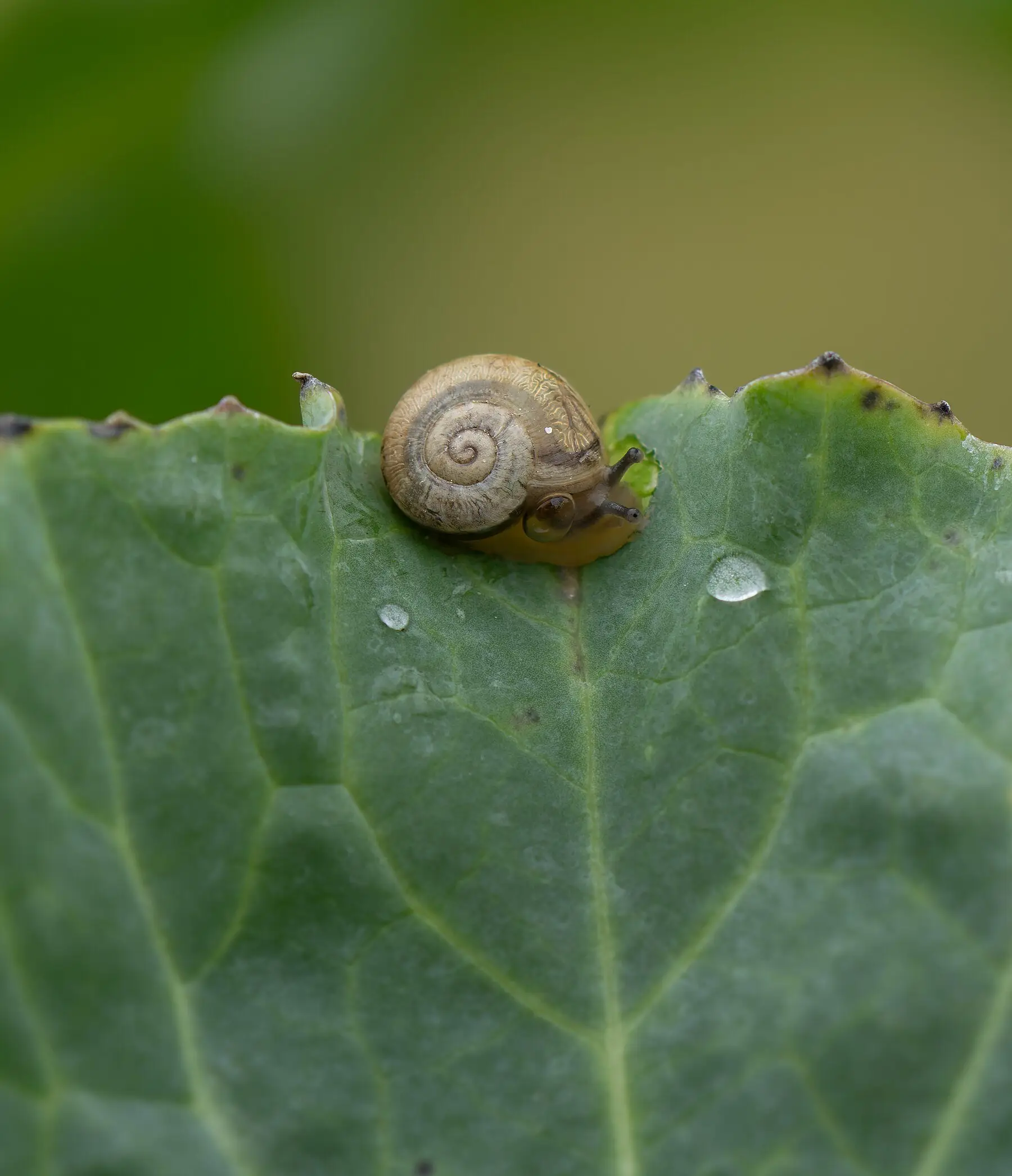
What Do Snails Eat and Drink? Garden, Pond and Pet
Snails rasp food with a toothed ribbon and absorb most of their water through the skin and foot. What they eat, what they need, and what harms them.
Where Do Slugs Live, and Where Do They Go in the Day?
Slugs spend daylight underground or under damp cover within feet of where they feed. Where to look, and why finding the shelter beats any barrier.