
What Is the Most Beneficial Bird for a Garden? Five Ranked
Barn owls take rodents, swallows take flying insects, tits take caterpillars by the hundred. Which does most for your garden, and how to get it.
 By
On this page
The most useful bird in a garden is rarely the one at the feeder. It is whichever one is eating the thing that is damaging your plants.
What each one actually removes
| bird | takes | present |
|---|---|---|
| Blue tit / chickadee | caterpillars, aphids | year round |
| Barn owl | voles, mice, rats | year round |
| Swallow / house martin | flying insects | summer only |
| Song thrush / robin | slugs, snails, grubs | year round |
| Woodpecker | wood-boring larvae | year round |
| Sparrow, finch, pigeon | seed | year round |
The last row is most of what a feeder attracts, and it is the row that does least for the garden.
Rodenticide kills the owl that was solving the problem
Second-generation anticoagulants persist in a poisoned rodent long enough for the predator that eats it to accumulate a lethal dose. Barn owls, kestrels and red kites die this way routinely. Using poison and hoping for owls are mutually exclusive.
Recruiting them, in order of effect
- Water — a shallow dish under 5 cm, sloping, rinsed every few days. Brings in more species than anything else and costs nothing.
- Nest boxes — 25–28 mm hole for tits and chickadees, open-fronted for robins, large and deep for owls and woodpeckers. Face north to east, 2–4 m up, clear of a branch a cat can use.
- Insects to eat — one unmown corner, a log pile, and no broad-spectrum insecticide. A garden with no insects supports no insect-eating birds, whatever you hang up.
- Standing deadwood where it is safe to leave it — the limiting resource for woodpeckers, owls, bats and tits alike.
Judge your site before buying a box
A barn owl box on a suburban plot stays empty, because the hunting habitat is not there. Match the box to what surrounds the garden rather than to the bird you would most like to see.
How we picked
Five birds judged on what they actually remove from a garden, and whether you can realistically attract them · Picks last checked November 2026.
- Prey that actually damages gardens
- A bird that eats seed does nothing for pest control. The useful ones take caterpillars, slugs, rodents or flying insects — the things that cause the damage people complain about.
- Whether it is present when needed
- A migratory bird works for four months. A resident works for twelve. Peak value also differs: tits matter most in the weeks they are feeding chicks.
- Whether you can recruit it
- A nest box can put blue tits in a small garden within a season. No box will put a barn owl on a suburban plot without hunting habitat, and knowing which is which saves money.
- Habitat it actually needs
- Most of these are limited by nest sites and insect populations rather than by food you can put out. Boxes and deadwood do more than feeders.
Our picks
| # | Pick | Best for | Where to buy |
|---|---|---|---|
| 1 | Blue tit or chickadee | Most pest control per garden | |
| 2 | Barn owl | Best rodent control | |
| 3 | Swallow or house martin | Best flying-insect control | |
| 4 | Song thrush or robin | Best slug and snail control | |
| 5 | Woodpecker | Best for wood-boring pests |
Most pest control per garden
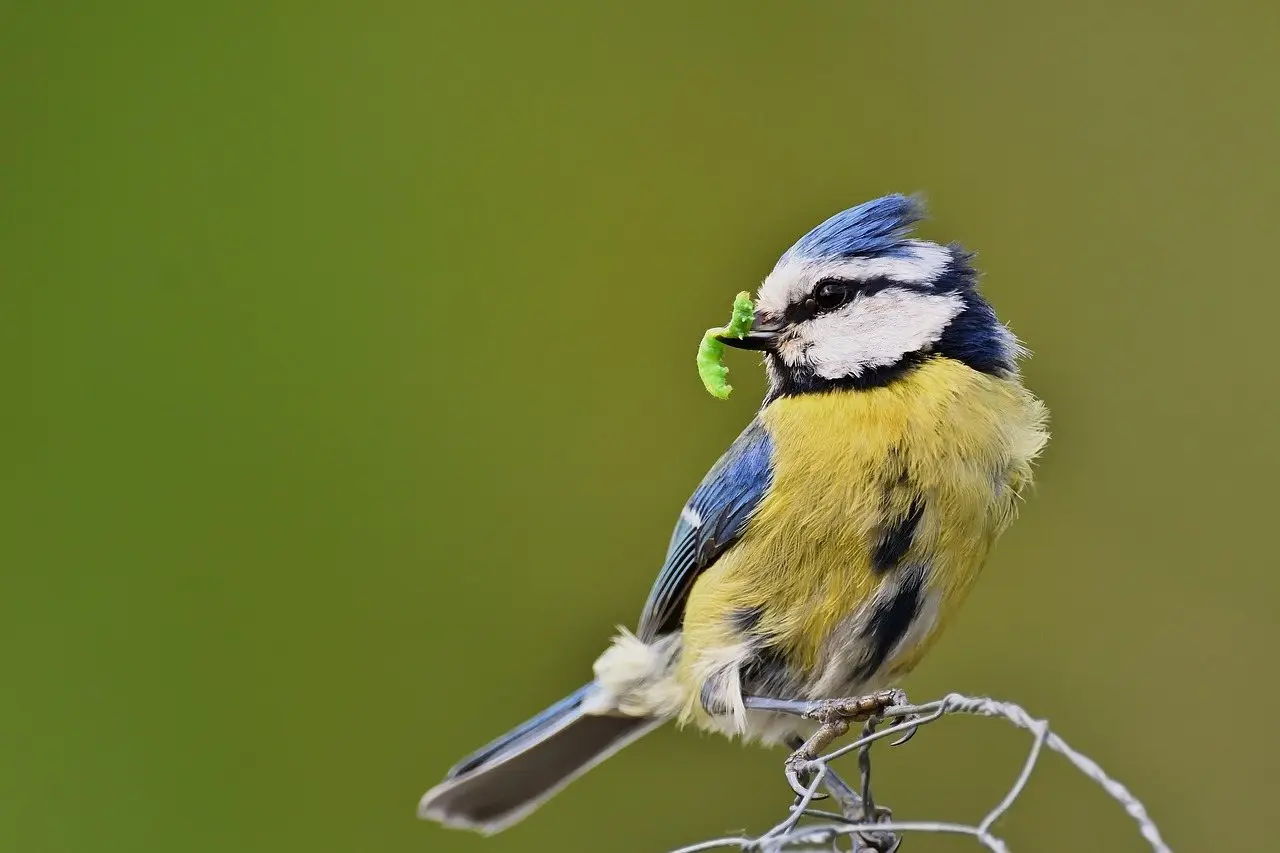
Blue tit or chickadee
The best return for the smallest effort. One correctly sited nest box can put a pair in a small garden, and nothing else on this list is as easy to recruit or as effective per square metre.
- Eats
- Caterpillars, aphids, scale insects
- Peak value
- Breeding season
- Nest box
- 25–28 mm hole
- Range
- Garden-sized territory
What we liked
- A breeding pair takes several hundred caterpillars a day while feeding chicks
- Will use a nest box readily, so you can actually recruit one
- Stays in the garden all year rather than passing through
- Works the whole canopy, including the undersides of leaves
Worth knowing
- Peak benefit lasts only the few weeks of chick rearing
- Needs an insect population to feed on, so a heavily sprayed garden supports none
- Takes some beneficial insects along with the pests
Best rodent control
Barn owl
Unmatched if you have the land for it. On a suburban plot the hunting habitat is not there, and a box will simply stay empty — judge your site honestly before buying one.
- Eats
- Voles, mice, rats, shrews
- Peak value
- Year round
- Nest box
- Large, 3–5 m up
- Range
- 1–3 km hunting radius
What we liked
- A breeding pair and their young take well over a thousand rodents in a season
- Hunts at night, when rodents are active
- Entirely replaces the need for rodenticide, which kills owls in turn
- Will occupy a well-sited box where natural cavities have gone
Worth knowing
- Needs rough grassland or field margin to hunt, not lawn
- Only realistic on larger properties or those bordering open land
- Vulnerable to road traffic and to secondary rodenticide poisoning
Best flying-insect control
Swallow or house martin
The best thing available against midges and mosquitoes around a patio or pond. Put a board under the nest to catch droppings rather than removing the nest, which is illegal in many countries while in use.
- Eats
- Flies, midges, mosquitoes, aphids on the wing
- Peak value
- Summer
- Nest box
- Open cup or artificial martin cup
- Range
- Wide aerial foraging
What we liked
- Takes very large numbers of flying insects daily through the summer
- Nests colonially, so a successful site attracts more birds
- Returns to the same site year after year
Worth knowing
- Migratory, so absent for over half the year
- Needs mud for nest building, which tidy gardens lack
- Droppings below nests are a genuine nuisance under eaves
Best slug and snail control
Song thrush or robin
The answer to a slug problem that does not involve pellets — and the reason pellets are self-defeating, since they remove the predator along with the prey.
- Eats
- Slugs, snails, worms, beetle larvae
- Peak value
- Spring and autumn
- Nest box
- Open-fronted
- Range
- Garden-sized territory
What we liked
- Among the few birds that take snails in quantity, breaking them on a stone anvil
- Works the ground layer, where most garden damage starts
- Open-fronted boxes and dense shrubs recruit them easily
- Present year round in much of the range
Worth knowing
- Vulnerable to cats, being a ground feeder
- Slug pellets kill them indirectly, so the two cannot coexist
- Song thrush numbers have declined sharply in some regions
Best for wood-boring pests
Woodpecker
Worth encouraging mainly for the cavities it leaves behind, which become homes for everything else. Leave a dead limb standing where it is safe to do so — that one decision does more than any box.
- Eats
- Wood-boring larvae, ants, beetles
- Peak value
- Year round
- Nest box
- Large, deep, 45–50 mm hole
- Range
- Several gardens
What we liked
- Takes larvae no other garden bird can reach, from inside dead wood
- Excavates cavities later used by tits, owls and bats
- Present through winter
Worth knowing
- Needs standing deadwood, which most gardens remove
- Will drum on fascia boards and occasionally raid nest boxes
- Not recruitable by feeder alone; it is a habitat question
Which should you buy?
| If you… | Buy | Because |
|---|---|---|
| Small garden, caterpillar and aphid damage | Blue tit or chickadee | One box with a 25–28 mm hole can recruit a pair, and a breeding pair takes several hundred caterpillars a day. |
| Acreage or land bordering rough grassland, rodent problem | Barn owl | A pair and their brood take well over a thousand rodents in a season, and it removes the case for rodenticide entirely. |
| Midges or mosquitoes around a patio or pond | Swallow or house martin | Nothing else clears flying insects at that rate through the summer. |
| Slug and snail damage, want to stop using pellets | Song thrush or robin | Among the few birds taking snails in quantity — and pellets kill them, which is why pellets stop working. |
Common questions
What is the single most beneficial bird for a garden?
Do birds actually control garden pests?
What attracts beneficial birds fastest?
Does feeding birds help with pests?
Will birds eat my fruit and seedlings too?
Why do slug pellets make the slug problem worse?
Backyard Weekly
Know what to plant, week by week
Join the weekly email for seasonal jobs, fixes for what is going wrong, and gear worth buying.
Not ready to subscribe? The planting calendar is free and needs no email.
By subscribing you agree to our privacy policy. Grow In Backyard will never sell your address.
Keep reading
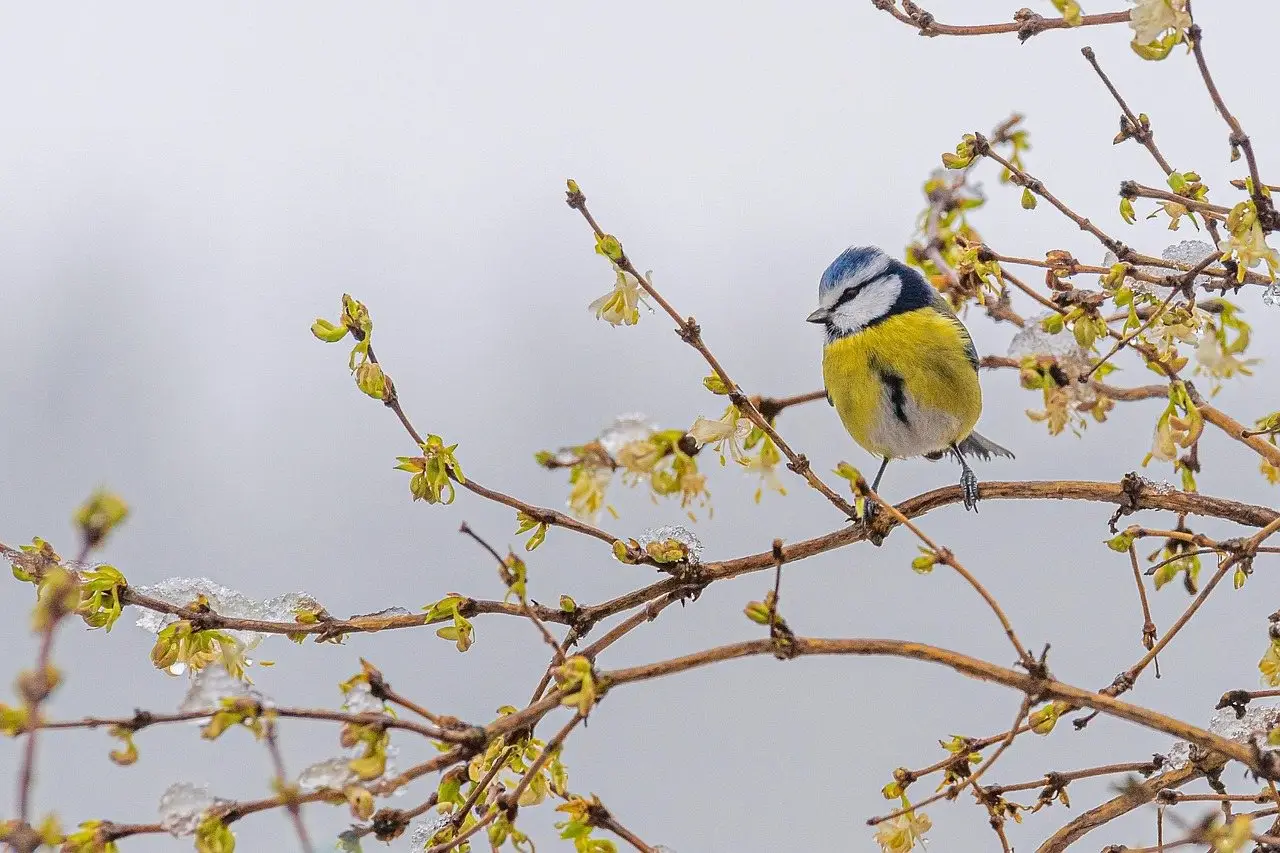
Is It Good to Have Birds in Your Backyard? Mostly Yes
Birds eat pests, pollinate and spread seed — and peck fruit, foul patios and strip lawns. The honest ledger, and how to tilt it.
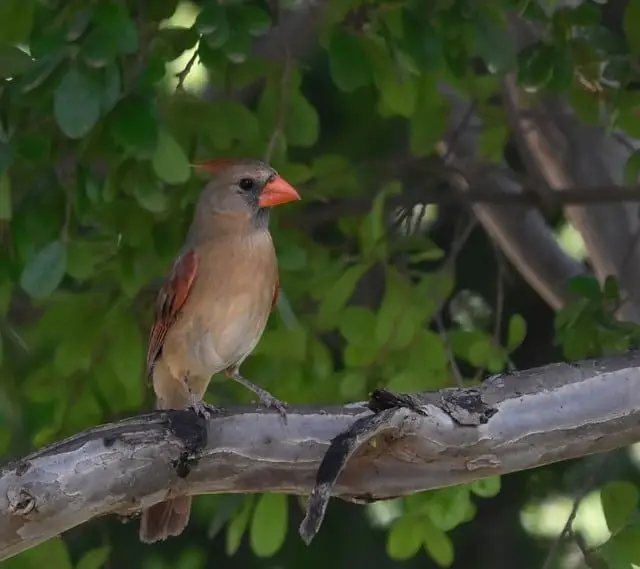
The Most Common Backyard Birds, and How to Tell Them Apart
The ten birds you will almost certainly see at a feeder in North America, what each one eats, and the field marks that separate the confusing pairs.
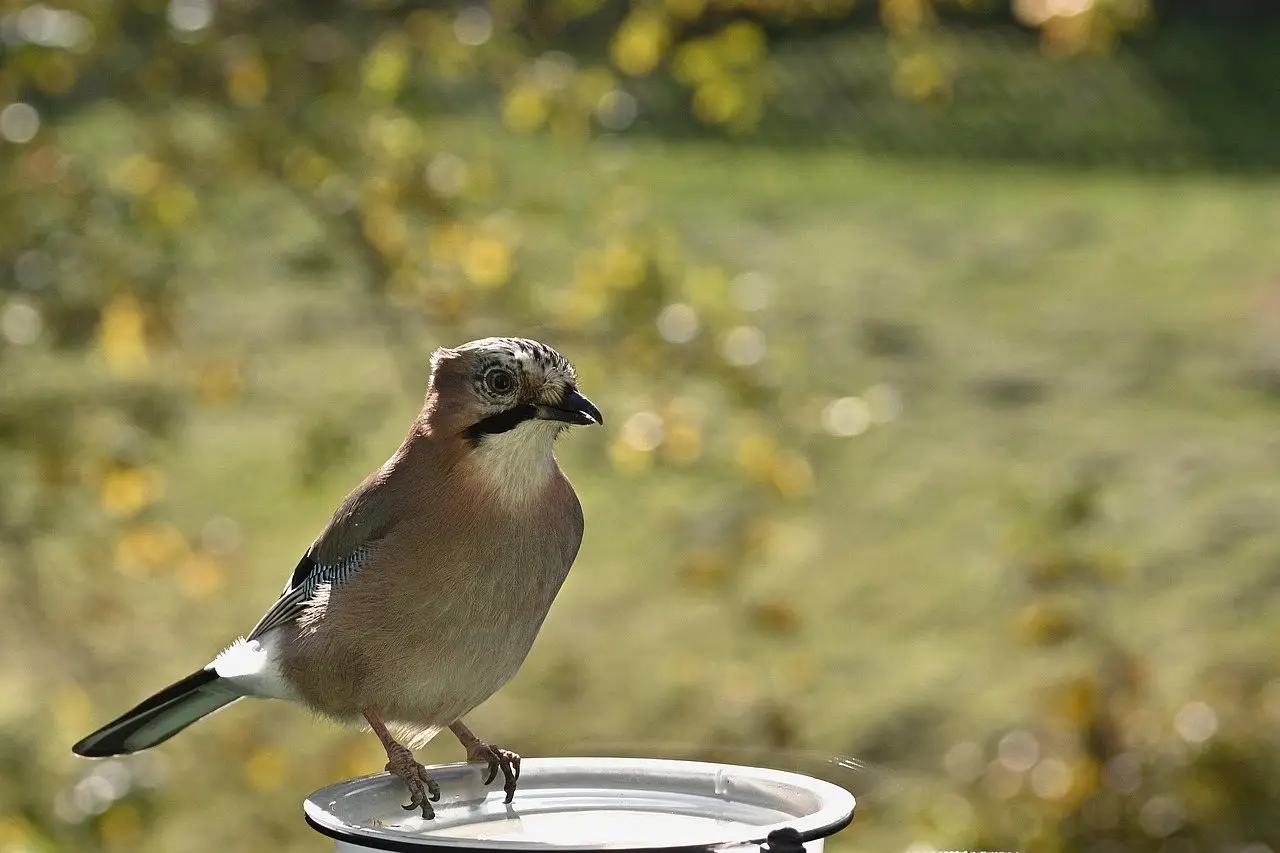
What Bird Bath Attracts the Most Birds? Shallow and Moving
Depth, not design, decides. The 1-to-2-inch rule, why a rough bottom matters more than material, and what adding motion to the water does to visit rates.
What to Feed Butterflies (And How to Get One to Land on You)
Butterflies drink rather than eat — nectar, fruit juice and mineral-rich mud. A sugar-water feeder, a fruit plate, and the reason yellow and purple work.