
Is It Good to Have Birds in Your Backyard? Mostly Yes
Birds eat pests, pollinate and spread seed — and peck fruit, foul patios and strip lawns. The honest ledger, and how to tilt it.
 By
On this page
A garden with birds in it has free pest control, a pollination assist and a seed-dispersal service. It also has pecked raspberries and a spotted patio. The ledger comes out well ahead for most gardens, and the debits are mostly placeable.
The ledger
| credit | debit |
|---|---|
| Caterpillar and aphid control | Pecked soft fruit |
| Slug and snail predation | Brassica seedlings stripped |
| Leatherjacket and chafer grub removal | Turf lifted while they do it |
| Flying-insect control | Droppings on patio, car, washing |
| Seed dispersal, some pollination | Dawn chorus in the bedroom |
What they will and will not control
| pest | birds help |
|---|---|
| Caterpillars | strongly |
| Aphids | moderately |
| Leatherjackets, chafer grubs | strongly |
| Slugs, snails | moderately |
| Vine weevil adults | moderately |
| Root aphids, stem borers | no |
| Red spider mite | no |
Lawn damage is a diagnosis, not a nuisance
Birds pulling at turf in autumn and early spring are telling you there are grubs beneath. Netting the lawn or scaring the birds leaves the grubs in place, and the turf goes brown in the first dry spell because the roots are gone.
Tilting the balance
- Net the fruit two weeks before it colours, not after the first peck
- Site feeders downwind and away from seating, washing lines and parked cars
- Use sunflower hearts rather than husked mixes so there is no hull mat underneath
- Add water — a shallow dish, sloping, under 5 cm deep, rinsed every few days
- Keep one scruffy corner — the insects the birds need have to live somewhere
One nest box, facing north to east
A box on a north-to-east-facing wall avoids afternoon sun and driving rain, which is the commonest reason an occupied box fails. Put it 2–4 m up, clear of a branch a cat can use, and leave it alone once there is activity.
Common questions
Are birds good for a garden overall?
What are the actual downsides?
Do birds eat the pests I actually have?
Why are birds digging up my lawn?
Will feeding birds make the downsides worse?
What is the single best thing to add?
Backyard Weekly
Know what to plant, week by week
Join the weekly email for seasonal jobs, fixes for what is going wrong, and gear worth buying.
Not ready to subscribe? The planting calendar is free and needs no email.
By subscribing you agree to our privacy policy. Grow In Backyard will never sell your address.
Keep reading
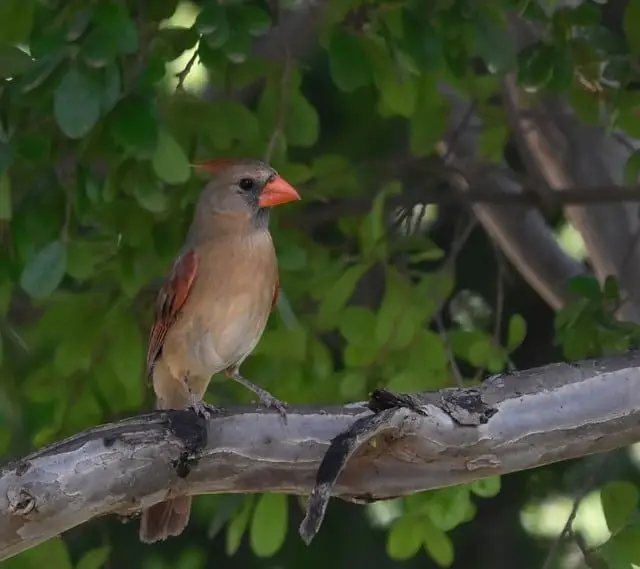
The Most Common Backyard Birds, and How to Tell Them Apart
The ten birds you will almost certainly see at a feeder in North America, what each one eats, and the field marks that separate the confusing pairs.
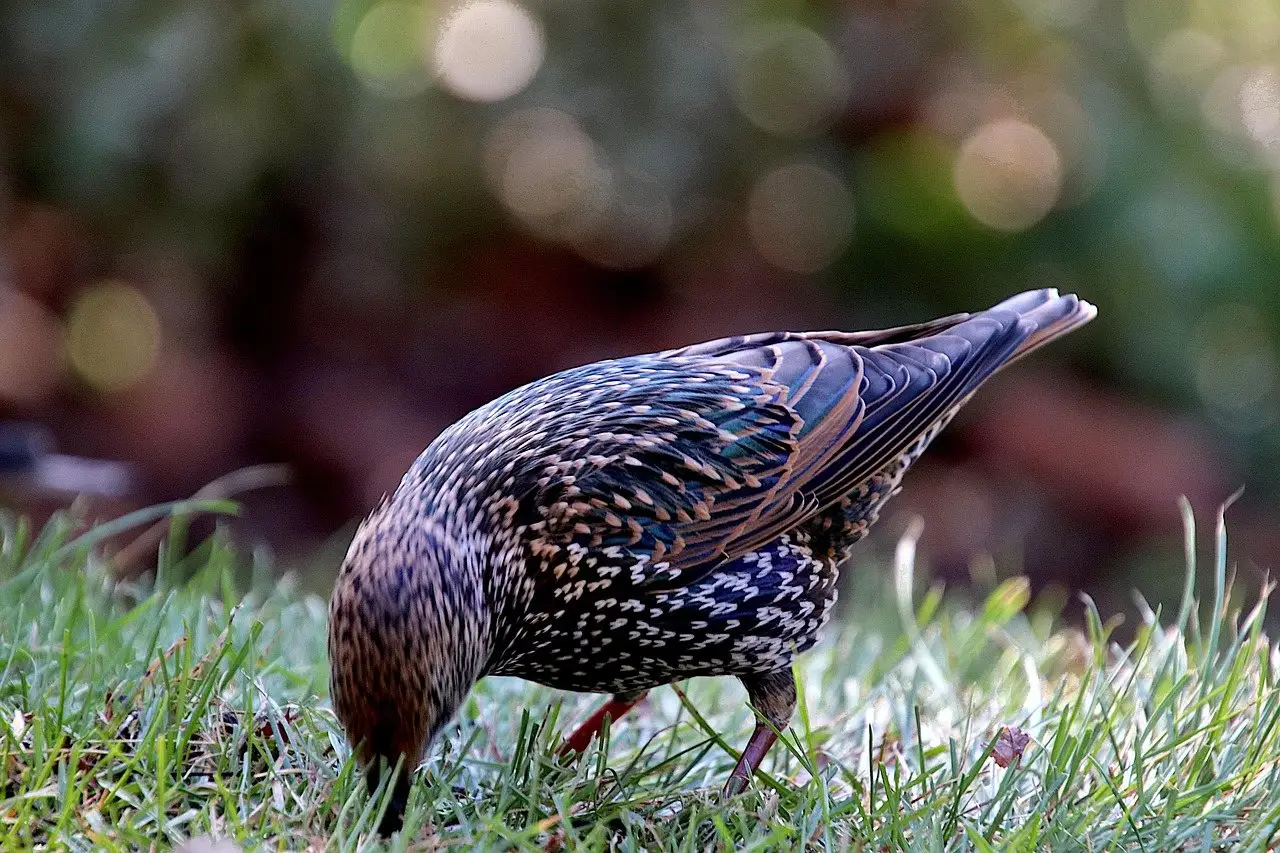
Why Are Birds Destroying My Lawn? They Are Not
Birds tearing up turf are after grubs underneath. The damage is a symptom of chafer or leatherjacket larvae — treat those, not the birds.
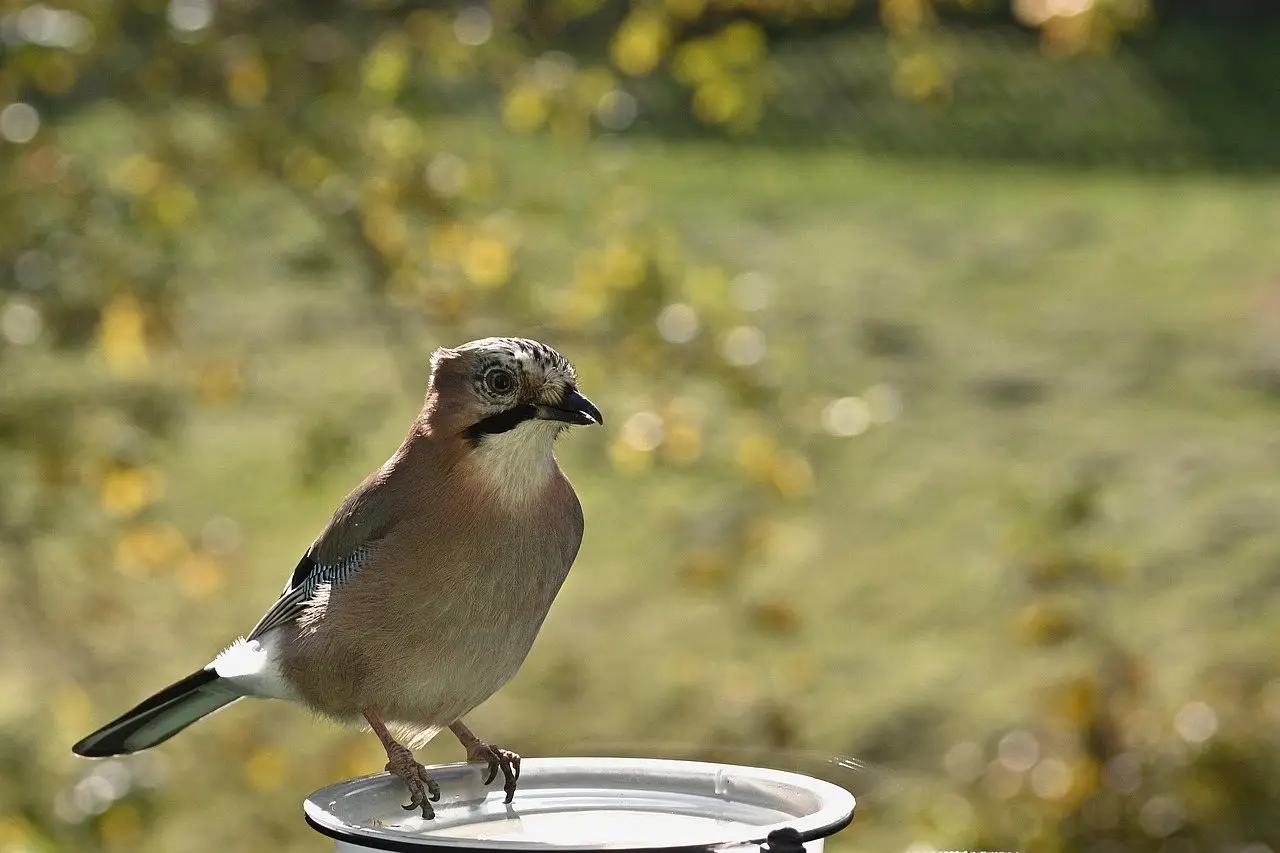
What Bird Bath Attracts the Most Birds? Shallow and Moving
Depth, not design, decides. The 1-to-2-inch rule, why a rough bottom matters more than material, and what adding motion to the water does to visit rates.
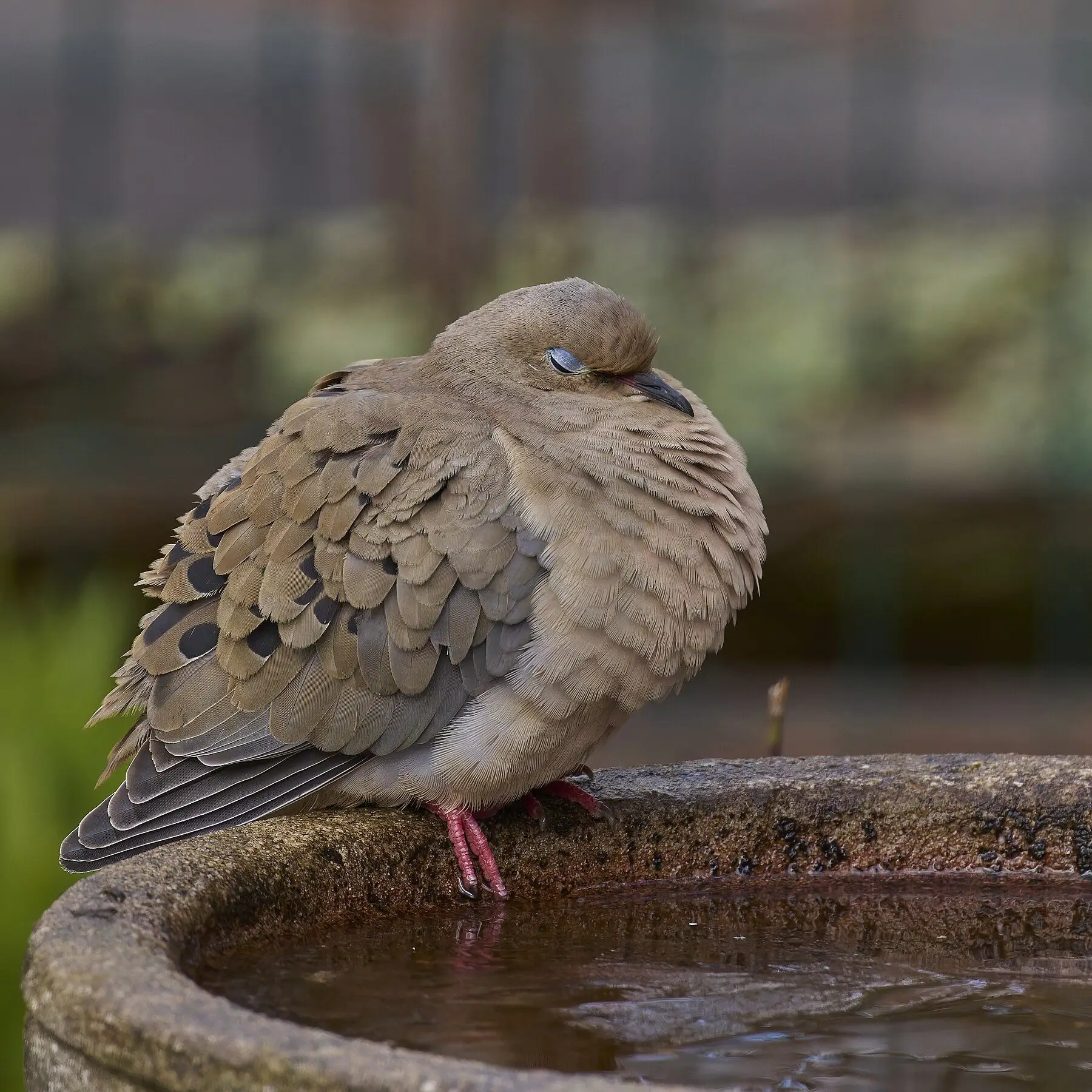
Mourning Dove Bird Feeder — 5 Trays and Platforms
A mourning dove bird feeder needs a flat surface, not a perch. 5 trays and platforms compared, plus the seed. See which fits your yard.