
Mourning Dove Bird Feeder — 5 Trays and Platforms
A mourning dove bird feeder needs a flat surface, not a perch. 5 trays and platforms compared, plus the seed. See which fits your yard.
 By
We may earn a commission when you buy through links on this page, at no extra cost to you.

On this page
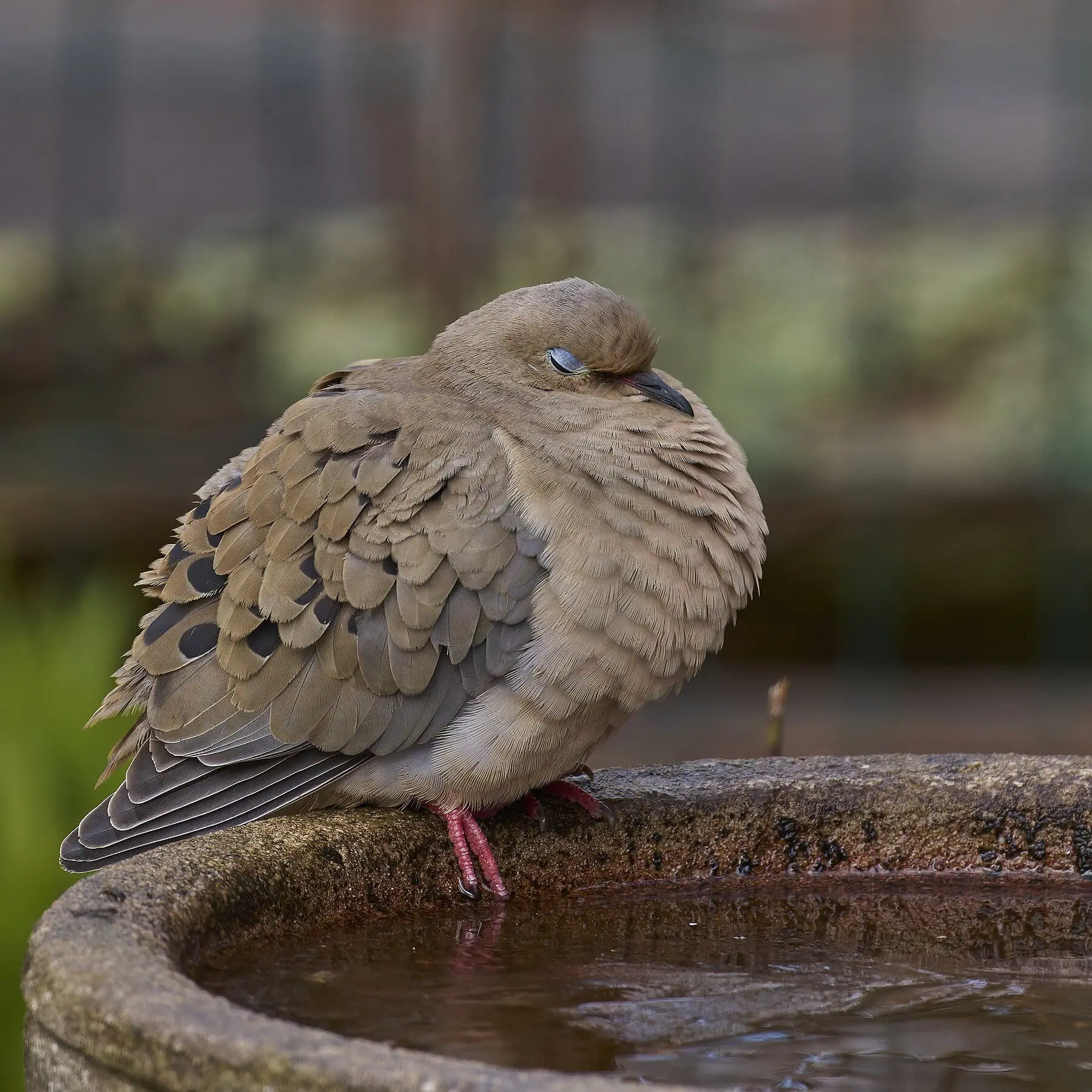
Most dove content on the internet is about getting rid of them. This is the other half of the audience: people who like mourning doves, find the soft call one of the better sounds in a garden, and want to feed them properly.
Note
If you arrived wanting the opposite, we have that too — how to keep doves off bird feeders covers cages, perch length and the ground spill that keeps them coming back.
The whole problem is body shape. A dove cannot use a tube feeder, and no seed choice changes that.
Why no tube feeder will ever work
A mourning dove is about 120 grams with short legs set well back, built for walking and for fast level flight rather than for clinging. It does not hang upside down like a chickadee, does not cling to mesh like a goldfinch, and does not hover.
The two-inch perches on a tube feeder give it nothing to stand on. You will occasionally see a dove attempt one and give up.
So the feeder question for doves has exactly one answer in two forms: a platform, or a tray. Both are flat, both are open, and the only real difference is height.
| Feeder | Usable by doves | Notes |
|---|---|---|
| Raised platform tray | Yes, best | Flat, open, drains with a mesh floor |
| Low ground tray | Yes | Matches natural foraging; empty before dark |
| Covered platform | Yes, if the roof is high | A low roof puts them off entirely |
| Hopper | Sometimes | Ledge is often too narrow for a dove to stand on |
| Tube feeder | No | Perches too short; cannot cling |
| Nyjer sock or mesh tube | No | Finch feeder entirely |
| Suet cage | No | Nothing to stand on |
The millet paradox
This is the detail worth taking away, because it looks like a contradiction and is not.
Cheap mixed bird seed is mostly white proso millet, cracked corn, wheat and milo, and in a tube feeder that is genuinely bad value: chickadees, titmice and finches want the sunflower and flick everything else onto the ground, where it rots.
Put the same millet in a flat tray and it is the right seed. A dove’s bill is not built to crack a sunflower shell efficiently, and small seed swallowed whole suits it exactly. Juncos, towhees, native sparrows and buntings take it too.
So millet is not a bad seed. It is a seed that only makes sense in a feeder shape the birds that eat it can actually use.
Drainage, which decides whether this works
A flat tray with a solid bottom is a puddle waiting to happen. Seed sitting in water sours within a day or two in warm weather, and mouldy seed is a genuine health risk to birds rather than merely unappetising.
Mesh floors are the standard answer and they work. Water passes straight through, air circulates underneath, and the tray dries between rain showers.
If you already own a solid tray, drill it. A dozen holes transforms it.
Water matters more than usual here
Doves drink by suction — bill submerged, drawing water up continuously — rather than taking a billful and tipping the head back as most birds do. They also drink considerably more than most feeder birds, and more often.
A shallow bath, no deeper than about two inches, with a rough bottom they can grip, gets heavy use. Set it near the tray in open ground where they can see around them, and clean it every few days in warm weather.
It will often be busier than the feeder.
Feeding doves without acquiring rats
The honest risk with ground and platform feeding is rodents, and it is entirely manageable. The rule is about quantity and timing, not about the bird.
- Offer a measured amount in the morning — enough to be cleared in an hour or two
- Sweep or lift the tray before dusk. Nothing left overnight
- Keep the tray off the soil, so spill does not work into the ground
- Store seed in a galvanised metal bin, not a bag or a plastic tub
- Site it on hard standing or short grass you can actually sweep
Done that way, a dove tray adds no rodent risk. Done by throwing a scoop of mixed seed onto the lawn at teatime, it is the textbook way to end up with rats — and then blaming the doves.
Grit, which nobody mentions
Doves swallow seed whole and grind it in a muscular gizzard, which needs grit to work. Birds find it on paths, driveways and bare soil without help in most gardens.
If yours is entirely lawn and planting, a small tray of coarse sand or poultry grit near the feeder is genuinely useful. It is the sort of detail that makes a garden somewhere doves settle rather than somewhere they pass through.
How we picked
Feeders compared against documented mourning dove feeding behaviour and body size, published feeder dimensions, and what feeder owners report about rodents and drainage. · Picks last checked October 2026.
- Somewhere to stand, flat and open
- A mourning dove weighs about 120 g, has short legs and does not cling or hover. It needs a flat surface it can walk on, which rules out every tube feeder.
- Open approach and sightlines
- Doves are heavy, slow to take off and heavily preyed on. They feed where they can see around them and will not use a feeder tucked into a shrub.
- Drainage
- A flat tray holds rain, and wet seed in a tray sours within a day or two in warm weather. Mesh floors are not a luxury on this feeder type.
- Height off the ground
- A tray lifted a few inches off soil stays dry, keeps seed off the earth, and is far less attractive to rodents than scattering.
- Does it control the quantity
- Spilled and leftover seed on the ground is what brings rats. A tray you can fill in measured amounts beats broadcasting by hand.
Our picks
| # | Pick | Best for | Where to buy |
|---|---|---|---|
| 1 | Raised platform tray with mesh floor | Best overall for doves | Check price for Raised platform tray with mesh floor → |
| 2 | Low ground tray | Best value | Check price for Low ground tray → |
| 3 | White proso millet | Best seed for doves specifically | Check price for White proso millet → |
| 4 | Platform feeder with a roof | Best in wet climates | Check price for Platform feeder with a roof → |
| 5 | Shallow bird bath | Best addition for doves | Check price for Shallow bird bath → |
Best overall for doves
Raised platform tray with mesh floor
The right feeder for this bird. Insist on the mesh floor — a solid tray holds water and the seed sours in a day.
- Shape
- Flat open tray, no roof or a high one
- Floor
- Metal or plastic mesh for drainage
- Height
- A few inches to waist height on a post
- Also suits
- Cardinals, jays, juncos, sparrows, towhees
What we liked
- Flat surface a heavy short-legged bird can walk on
- Mesh floor drains rain, so seed does not sour
- Open sightlines, which doves need to feel safe
- Keeps seed in one sweepable place
Worth knowing
- Offers no protection from squirrels or jays
- Needs sweeping and scrubbing regularly
- Exposed to rain unless you add a roof
Best value
Low ground tray
Better than scattering by a wide margin and almost as cheap. The whole discipline is emptying it before dark.
- Shape
- Flat tray on short legs
- Height
- 2–6 in off the soil
- Floor
- Mesh preferred
- Matches
- Natural ground-foraging behaviour
What we liked
- Closest to how doves naturally feed
- Cheapest option and simple to make yourself
- Keeps seed off the soil, unlike scattering
- Easy to lift, empty and sweep at dusk
Worth knowing
- Accessible to cats, rodents and squirrels
- Needs emptying before dark to avoid feeding rodents
- Gets dirty fast in wet weather
Best seed for doves specifically
White proso millet
The seed that is wrong in a tube feeder and right in a dove tray. Same ingredient, opposite verdict, depending on the feeder.
- Seed
- White proso millet
- Eaten by
- Doves, juncos, sparrows, towhees, buntings
- Rejected by
- Chickadees, titmice, finches, cardinals mostly
- Use
- Small measured amounts in a tray
What we liked
- The seed doves actually want, rather than tolerate
- Rejected by most tube-feeder birds, so it feeds doves specifically
- Cheap per pound
- Small seed suits a dove's bill, which cannot crack sunflower well
Worth knowing
- This is the filler that makes cheap mixes bad — in a tube
- Attracts house sparrows, which may not be welcome
- Spoils quickly once wet
Best in wet climates
Platform feeder with a roof
Worth it where it rains often. Check the roof clearance — a dove will not duck under a low one.
- Shape
- Open tray under a raised roof
- Clearance
- High enough not to crowd a dove
- Floor
- Mesh
- Also suits
- Cardinals, jays, woodpeckers
What we liked
- Keeps rain off the seed, which is the main spoilage cause
- Still open enough for a large bird to land and walk
- Roof deters some aerial predators approaching
- Seed lasts much longer between fills
Worth knowing
- A low roof puts doves off entirely
- Heavier and dearer than a bare tray
- Reduces the open sightlines doves prefer
Best addition for doves
Shallow bird bath
A genuinely good pairing with a dove tray. They drink heavily, and a shallow bath gets more use than the feeder.
- Depth
- No more than 2 in
- Surface
- Rough, for grip
- Why
- Doves drink by suction, unlike most birds
- Clean
- Every few days in warm weather
What we liked
- Doves drink more, and more often, than most feeder birds
- They are unusual in drinking by suction rather than tipping
- A shallow rough-bottomed bath is used constantly
- Draws species that never visit a feeder
Worth knowing
- Needs cleaning every few days in summer
- Freezes in winter without a heater
Which should you buy?
Our verdict
- Best overall:
- Raised platform tray with mesh floor
- Best value:
- Low ground tray
A raised platform tray with a mesh floor is the right feeder for mourning doves: flat and open so a heavy, short-legged bird can walk on it, drains after rain so the seed does not sour, and keeps everything in one place you can sweep. A simple low ground tray is a fraction of the price and matches their natural foraging even better — it is only second because it needs more attention to drainage. Either beats scattering seed on the lawn, which is the same food delivered in the form most likely to bring rats.
| If you… | Buy | Because |
|---|---|---|
| You want doves and want to keep it tidy | A raised platform tray with a mesh floor | Flat, open, drains after rain, and holds the seed in one sweepable place rather than scattered across the lawn. |
| Doves plus cardinals, jays and sparrows | A large platform feeder on a post | A platform is the one feeder shape that suits every heavy and ground-feeding bird at once, which is most of the big species. |
| You scatter seed on the ground now | A low ground tray instead | Same birds, same behaviour, but the seed stays off the soil, stays dry, and can be swept up before dark so nothing is left for rodents. |
| Rats or mice have appeared | A tray you fill in measured amounts, swept at dusk | The feeder is rarely the problem; what remains on the ground overnight is. Quantity and timing fix it without stopping feeding. |
| You want doves but not the whole flock | White proso millet in a small tray, once a day | Millet is what doves want and most feeder birds reject, so a small measured amount feeds them specifically without a free-for-all. |
When not to buy at all
Do not feed doves by scattering seed on the ground and leaving it overnight. That is the single most reliable way to acquire rats in a garden, and it is also how uneaten seed spoils into the soil. Use a tray, offer a measured amount, and sweep what is left before dusk. And if you keep a tube feeder for small birds, do not switch it to cheap mixed seed hoping to serve the doves as well — the small birds flick the millet onto the ground, which gets you the worst of both arrangements.
Common questions
What kind of feeder do mourning doves use?
What seed do mourning doves like best?
Should I feed doves on the ground?
Do mourning doves drink differently from other birds?
How do I attract mourning doves to my yard?
Will feeding doves bring rats?
Backyard Weekly
Know what to plant, week by week
Join the weekly email for seasonal jobs, fixes for what is going wrong, and gear worth buying.
Not ready to subscribe? The planting calendar is free and needs no email.
By subscribing you agree to our privacy policy. Grow In Backyard will never sell your address.
Keep reading
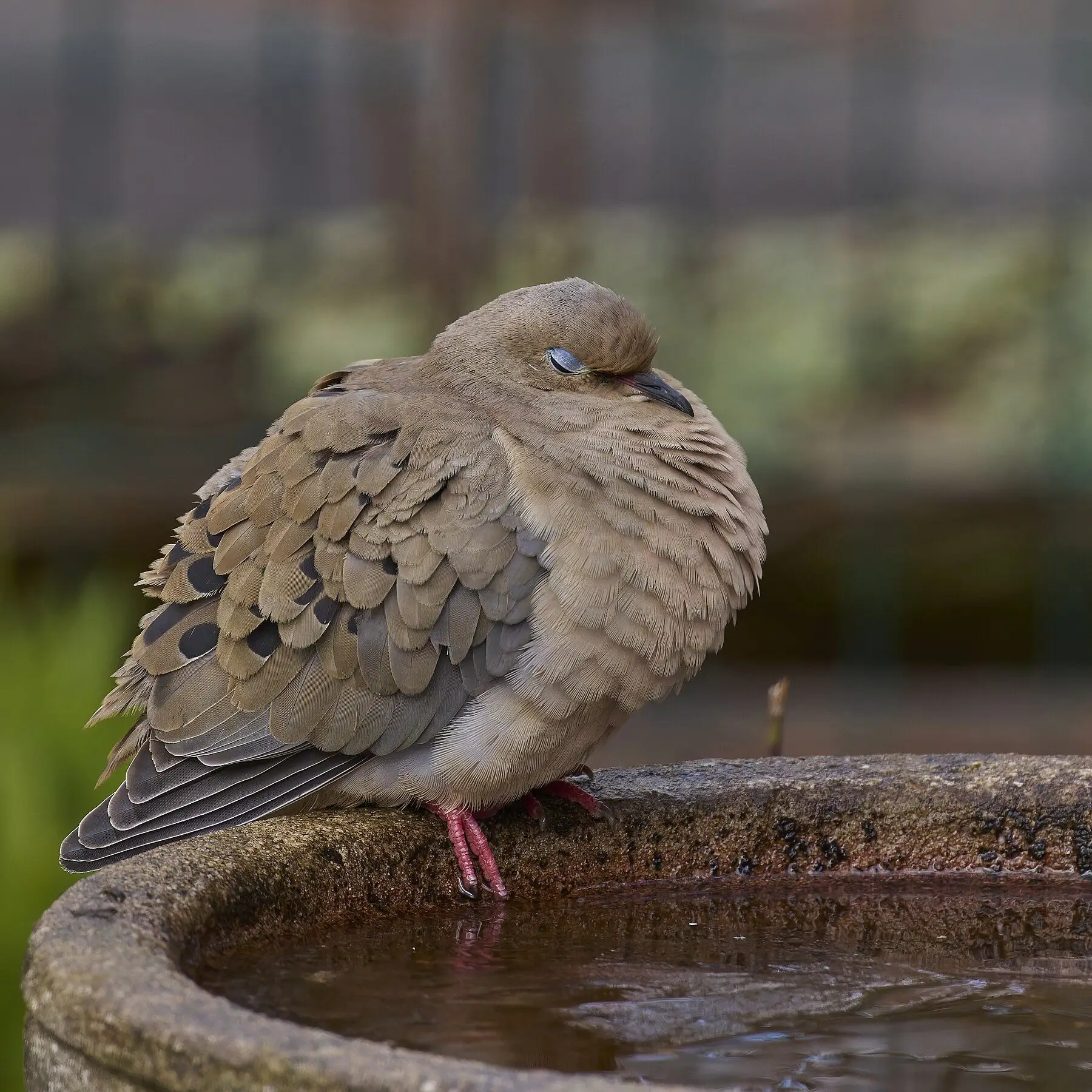
How to Keep Doves Off Bird Feeders — 3 Changes
How to keep doves off bird feeders is a perch and seed question. 3 changes compared, plus the ground problem underneath. See which suits your setup.
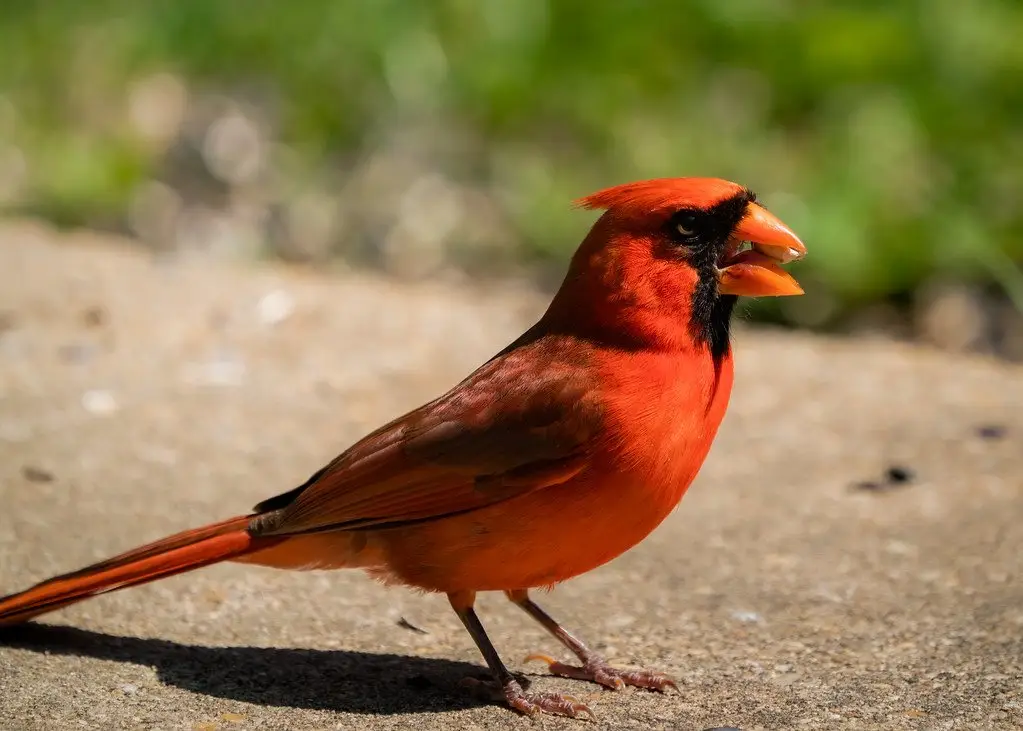
Best Bird Seed for Cardinals — 5 Picks, Safflower First
The best bird seed for cardinals is safflower, which squirrels leave alone. 5 seeds compared on pull, cost and mess. See which suits your feeder.
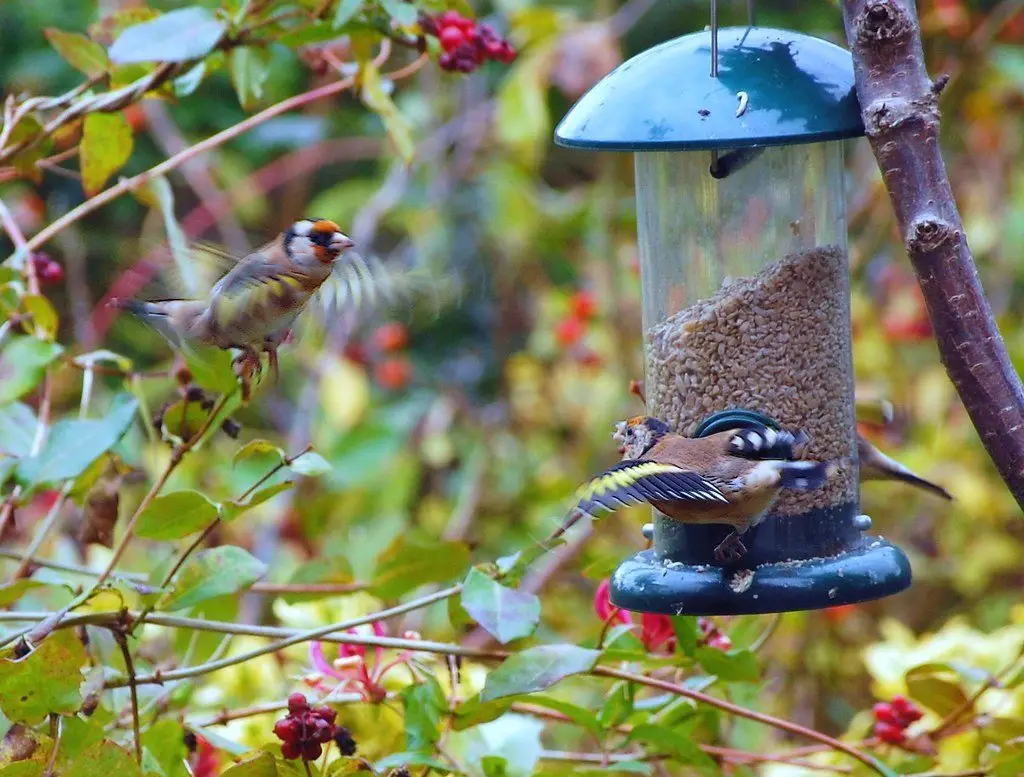
Best Bird Food to Attract Colorful Birds — 6 by Species
The best bird food to attract colorful birds changes by species. 6 foods matched to cardinals, orioles, bluebirds and more. See which to put out first.
Rat Deterrent for Garden — 5 Fixes, Only 1 Permanent
A rat deterrent for garden use fails unless food and shelter go first. 5 measures compared, and why poison is the wrong call. See which fits yours.