
What Bird Bath Attracts the Most Birds? Shallow and Moving
Depth, not design, decides. The 1-to-2-inch rule, why a rough bottom matters more than material, and what adding motion to the water does to visit rates.
 By
On this page
The bath that pulls the most birds is shallow, rough-bottomed, and moving. Those three things do nearly all the work; the price, the material and the pedestal style do almost none of it.
Depth is the one spec that decides it
Garden songbirds bathe by standing in water and flicking it over themselves. They do not swim, and they will not enter water they cannot stand up in.
| depth at the deepest point | who uses it |
|---|---|
| 0.5–1 in | nearly everything, including warblers and hummingbirds at the edge |
| 1–2 in | the full range of common garden songbirds — the target |
| 2–3 in | finches and sparrows still bathe; smaller birds drink only |
| over 3 in | pigeons, doves, crows, jays — and mosquitoes |
Most baths sold as ornaments are three to five inches deep in the middle, which is why so many sit unused. The fix costs nothing: a handful of flat stones or a layer of pea gravel in the centre.
Test it with your finger
Stand your index finger in the middle of the basin. The water should reach the first knuckle, not the second. That is the whole specification.
Texture, not material
A bird standing in water needs purchase. Glazed ceramic and polished metal are slick when wet, and birds that slip once tend not to come back.
- Good: rough concrete, unpolished stone, textured resin, terracotta
- Poor: glazed ceramic, smooth glass, polished stainless
- Fix for a slick basin: one flat, rough stone sitting proud of the water
Metal has a second problem in hot climates — it heats the water fast in direct sun. Stone and concrete hold temperature far better.
Motion is the biggest single upgrade
Birds find water by sound and by the flash of moving surface. A still basin has to be discovered visually, from directly overhead; a dripping or rippling one advertises itself across the garden.
- A dripper — a slow drip from a reservoir above the basin. The cheapest option and the most effective per pound
- A small solar fountain — a floating disc pump, no wiring. Works in sun, stops in cloud
- A homemade drip — a lidded bucket with a pinhole, hung from a branch
Motion also keeps mosquitoes out. Culex larvae need still water for roughly a week to develop; a surface that is constantly disturbed does not support them.
Placement: close to cover, not under it
Birds balance two risks — being caught in the open, and being ambushed from cover.
- About 10 ft from a shrub or low branch is the compromise most species accept
- Not directly beneath dense planting, which gives a cat somewhere to wait
- Not in all-day full sun in hot climates; dappled shade keeps the water cooler and fresher
- Visible from where you sit — otherwise you will not notice when it needs cleaning
Ground level against a pedestal
| ground basin | pedestal | |
|---|---|---|
| Species range | wider — adds thrushes, towhees, doves, juncos | narrower |
| Cat risk | higher | lower |
| Fouling | faster — debris blows in | slower |
| Winter use | freezes faster at the edges | freezes faster overall in wind |
Where cats hunt the garden, a pedestal is the sensible default. Where they do not, a ground-level basin is consistently the busier of the two.
Keeping it used
- Change the water every two to three days in warm weather
- Scrub weekly with a stiff brush — droppings and feather debris foul a basin fast, and dirty baths spread trichomonosis and other diseases between garden birds
- Top up daily in heat. An inch of water in a shallow basin evaporates quickly
- Keep it going in winter. Open water in a freeze is scarcer than food, and a bath that stays liquid becomes the busiest thing in the garden
A bath only works if it is reliable. Birds learn a water source over days and abandon it after a couple of dry visits.
Common questions
How deep should a bird bath be?
Do birds prefer moving water?
What material is best for a bird bath?
Where should a bird bath be placed?
Does a pedestal or a ground-level bath attract more birds?
How often does the water need changing?
Backyard Weekly
Know what to plant, week by week
Join the weekly email for seasonal jobs, fixes for what is going wrong, and gear worth buying.
Not ready to subscribe? The planting calendar is free and needs no email.
By subscribing you agree to our privacy policy. Grow In Backyard will never sell your address.
Keep reading
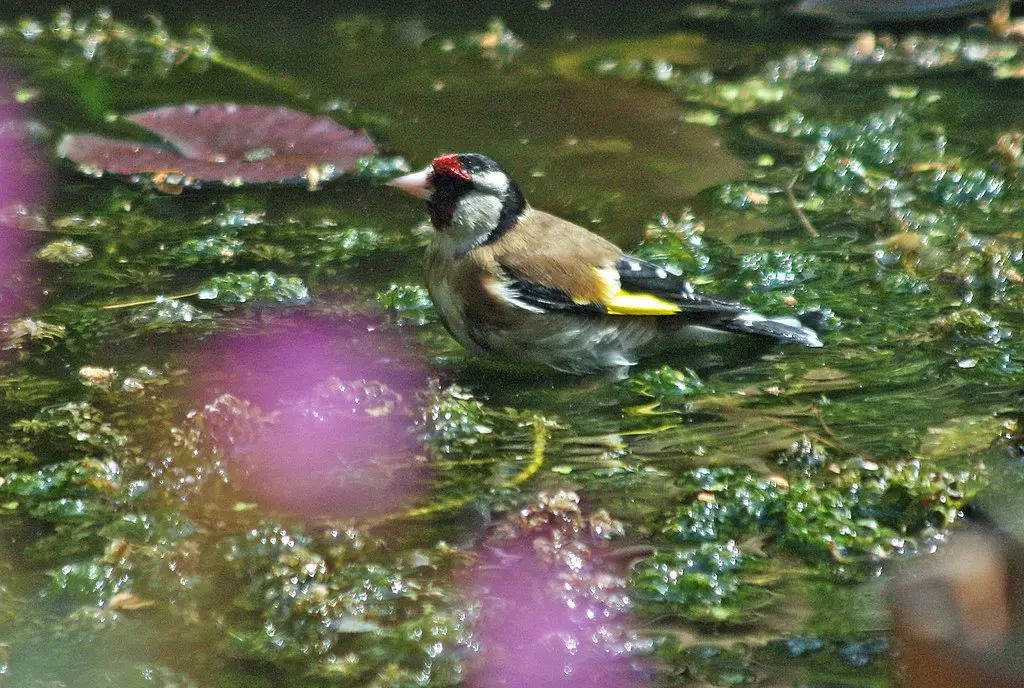
Best Bird Baths — 2 Inches Deep Is the Whole Secret
The best bird baths are 2 inches deep with a rough bottom. 6 picks compared on grip, depth and winter use. See which one birds will actually use.
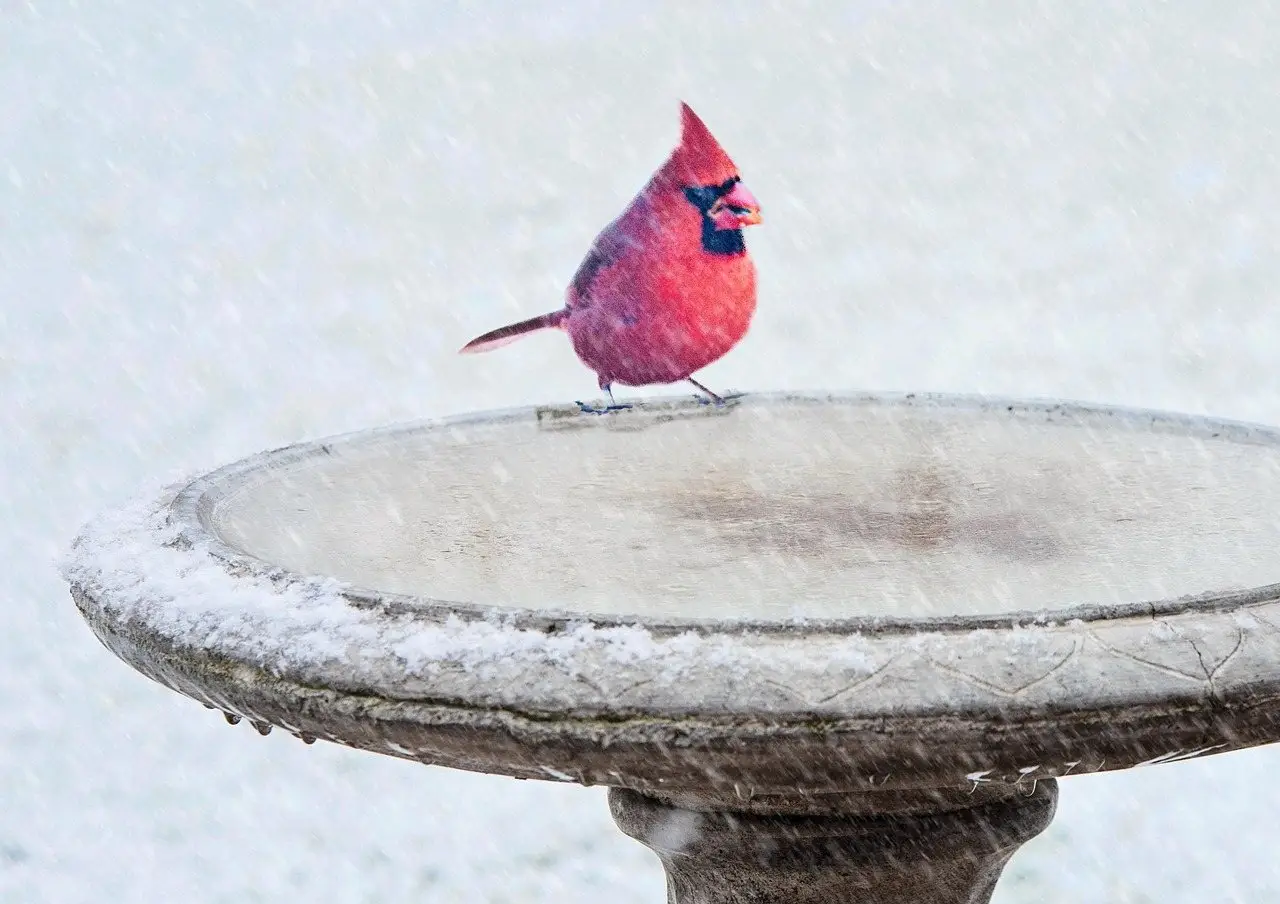
How to Keep a Bird Bath From Freezing, Without a Heater
Open water matters more than food in a freeze. Heated baths, de-icers, dark basins and the ball trick compared — plus what never to put in the water.
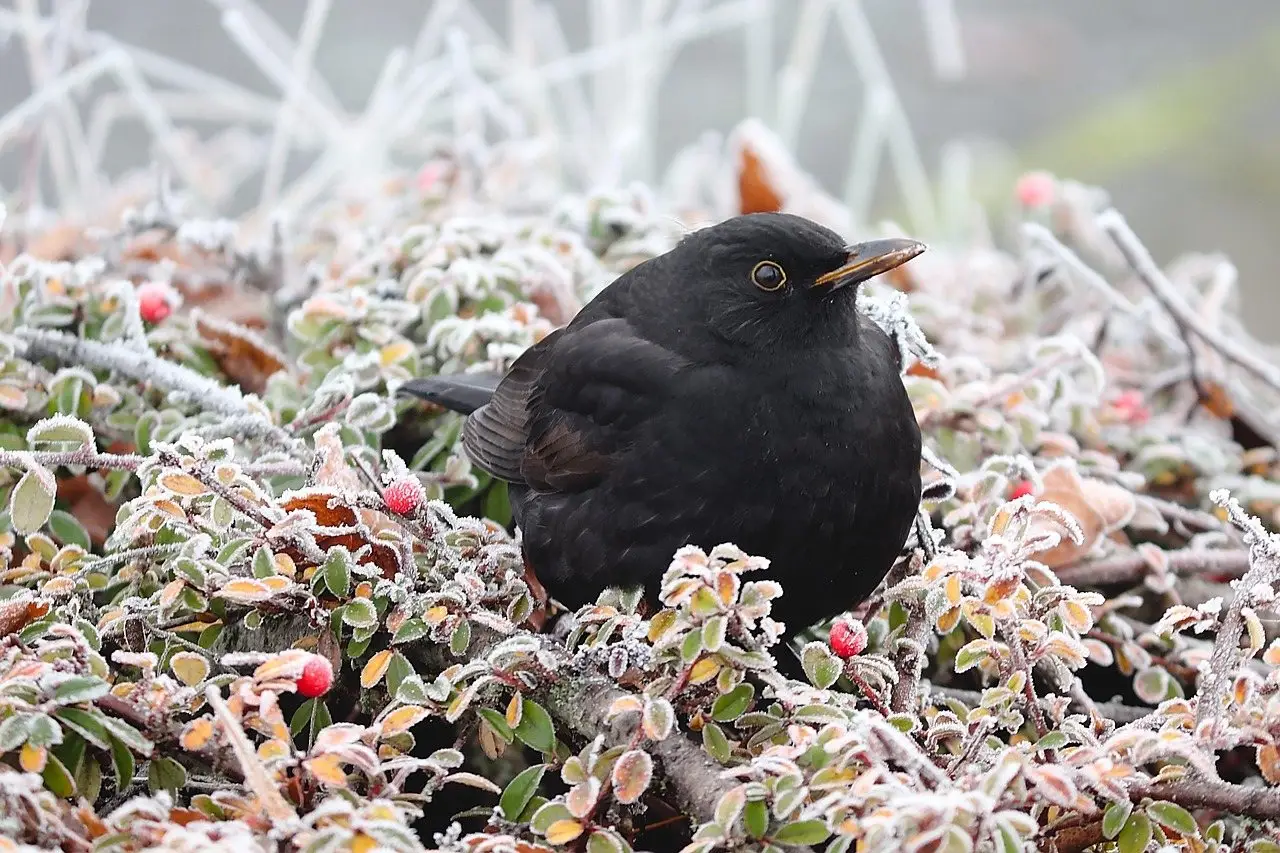
Where Do Backyard Birds Go at Night?
Most roost in dense cover, not in nests. Where each garden species sleeps, why nests are empty outside breeding season, and how to help.
What Is the Most Beneficial Bird for a Garden? Five Ranked
Barn owls take rodents, swallows take flying insects, tits take caterpillars by the hundred. Which does most for your garden, and how to get it.