
What Is the Easiest Goat Breed to Raise? Four Honest Picks
Nigerian Dwarf, Nubian, Kiko and Pygmy judged on size, fencing, noise and how much they forgive. Why goats are never a two-animal decision.
 By
On this page
Easiest, in goats, mostly means two things: how much the animal weighs when it does not want to be held, and how loud it is at six in the morning.
Size is the thing nobody weighs beforehand
| breed | weight | one-person handling |
|---|---|---|
| Nigerian Dwarf | 60–75 lb | yes |
| Pygmy | 55–85 lb | yes |
| Kiko | 100–180 lb | with practice |
| Nubian | 135–175 lb | with practice |
| Boer | 200–300 lb | no |
Hoof trimming every six to eight weeks, worming, and any veterinary treatment all require the animal held still. That is a ten-minute job with a Nigerian Dwarf and a two-person wrestle with a Boer.
A single goat is a welfare problem
Goats are herd animals. Kept alone they become distressed, persistently vocal and destructive. Two is the minimum and three is better, so that losing one does not leave a lone animal. Budget space, fencing and cost for a pair from the start.
What actually kills goats
Internal parasites, chiefly barber’s pole worm. A goat carries a heavy burden while still looking well, then declines quickly. The management that works is rotating grazing, keeping browse at head height so they feed upward rather than off the ground, and worming on the basis of faecal egg counts rather than a calendar — blanket worming breeds resistance and is why so many flocks now carry worms nothing on the shelf will touch.
Fence before you buy
Every goat tests fencing and some are remarkable at it. Woven wire at 4 ft with a hot wire at nose height holds most; stock netting alone does not. A goat in the neighbour’s vegetable garden is how almost every goat dispute begins.
How we picked
Five breeds judged on what a first keeper can physically and legally manage · Picks last checked November 2026.
- Weight you can physically restrain
- Hoof trimming, worming and any veterinary treatment means holding the animal still. A 70 lb goat is a one-person job; a 250 lb one is not, and that difference shapes every week of ownership.
- Noise
- Goats are vocal, and some breeds are extremely so. It is the most common reason a backyard goat is rehomed, and it cannot be trained away.
- Parasite resistance
- Internal parasites, especially barber's pole worm, are the main cause of death in goats. Breeds differ substantially in resistance, and that difference is measured in vet bills.
- Fencing demanded
- Every goat tests fencing; the breeds differ in how hard. A goat that gets out eats the neighbour's garden, which is how most goat disputes start.
Our picks
| # | Pick | Best for | Where to buy |
|---|---|---|---|
| 1 | Nigerian Dwarf | Easiest overall | |
| 2 | Nubian | Best milk, most noise | |
| 3 | Kiko | Hardiest, least intervention | |
| 4 | Pygmy | Best as a pet | |
| 5 | Boer | Common, but not a beginner goat |
Easiest overall
Nigerian Dwarf
The right first goat for almost anyone. Small enough to manage physically, productive enough to justify itself, and far more forgiving of a beginner's fencing than any full-size breed.
- Height
- 17–21 in
- Weight
- 60–75 lb
- Milk/day
- 1–2 quarts
- Noise
- Low to moderate
- Min. pair space
- ~400 sq ft plus browse
What we liked
- Small enough that one person can handle and restrain one unaided
- Produces genuinely useful milk at high butterfat for its size
- Friendly and responsive; the easiest breed to tame
- Eats less and damages less than a standard-size goat
Worth knowing
- Small kids escape fencing that holds adults
- Difficult kiddings are more common than in larger breeds
- Still needs a companion, hoof trimming and worming like any goat
Best milk, most noise
Nubian
The breed to pick if milk is the point and the nearest neighbour is far enough away. The noise is not exaggerated and it is not trainable out.
- Height
- 30–35 in
- Weight
- 135–175 lb
- Milk/day
- 2–3 quarts
- Noise
- High
- Min. pair space
- ~800 sq ft plus browse
What we liked
- High butterfat milk, the best tasting of the common dairy breeds
- Long lactation, so milk continues further through the year
- Hardy in heat, unlike most dairy breeds
- Affectionate and people-oriented
Worth knowing
- Genuinely loud, and vocal for no reason — the usual neighbour complaint
- Full size, so handling takes real strength
- Needs more feed and stronger fencing
Hardiest, least intervention
Kiko
The lowest-maintenance goat on this list by a clear margin. Choose it if you want brush cleared and meat rather than milk, and if your fencing is genuinely good.
- Height
- 28–32 in
- Weight
- 100–180 lb
- Milk/day
- Not a dairy breed
- Noise
- Low
- Min. pair space
- ~800 sq ft plus browse
What we liked
- Bred in New Zealand for survival with minimal management
- Notably parasite resistant, which is the main health cost in goats
- Kids easily and raises kids without help
- Excellent browser, so it clears scrub efficiently
Worth knowing
- Not a milk breed
- Athletic and a determined escaper
- Less commonly available than a Boer
Best as a pet
Pygmy
A good companion animal and a poor investment. Fine if you want goats for their own sake, and the wrong choice if you expect a return.
- Height
- 16–23 in
- Weight
- 55–85 lb
- Milk/day
- Under 1 quart
- Noise
- Low to moderate
- Min. pair space
- ~400 sq ft plus browse
What we liked
- Small, sturdy and good-tempered
- Stockier than a Nigerian Dwarf, so easier to keep in good condition
- Long-lived and hardy
Worth knowing
- Minimal milk — a pet rather than a producer
- Prone to obesity on rich pasture
- Still escapes and still eats the garden
Common, but not a beginner goat
Boer
Listed because it is the goat most people are offered first. At 200–300 lb it is a livestock animal needing livestock handling, and that is a different undertaking from a pair of Nigerian Dwarfs.
- Height
- 28–36 in
- Weight
- 200–300 lb
- Milk/day
- Not a dairy breed
- Noise
- Moderate
- Min. pair space
- ~1,000 sq ft plus browse
What we liked
- Fast growing and the standard meat breed
- Docile for its size
- Widely available
Worth knowing
- Very heavy — a struggling Boer is more than most keepers can hold
- More prone to parasites than a Kiko
- Needs substantial feed and robust handling facilities
Which should you buy?
| If you… | Buy | Because |
|---|---|---|
| First goats, small plot, want some milk | Nigerian Dwarf | Handleable by one person, genuinely productive for its size, and the most forgiving of imperfect fencing. |
| Milk is the main purpose and neighbours are distant | Nubian | The best tasting milk of the common dairy breeds, over a longer lactation — if you can live with the volume of noise. |
| Want scrub cleared with minimal management | Kiko | Bred for survival with little intervention and notably parasite resistant, provided the fencing is real. |
| Want goats as pets, not producers | Pygmy | Sturdy, good-tempered and long-lived, with no pretence of a return. |
Common questions
What is the easiest goat breed for a beginner?
How many goats do I need to keep?
Which goat is the quietest?
Can I keep goats in a backyard?
What do goats actually need?
Are goats hard to keep healthy?
Backyard Weekly
Know what to plant, week by week
Join the weekly email for seasonal jobs, fixes for what is going wrong, and gear worth buying.
Not ready to subscribe? The planting calendar is free and needs no email.
By subscribing you agree to our privacy policy. Grow In Backyard will never sell your address.
Keep reading
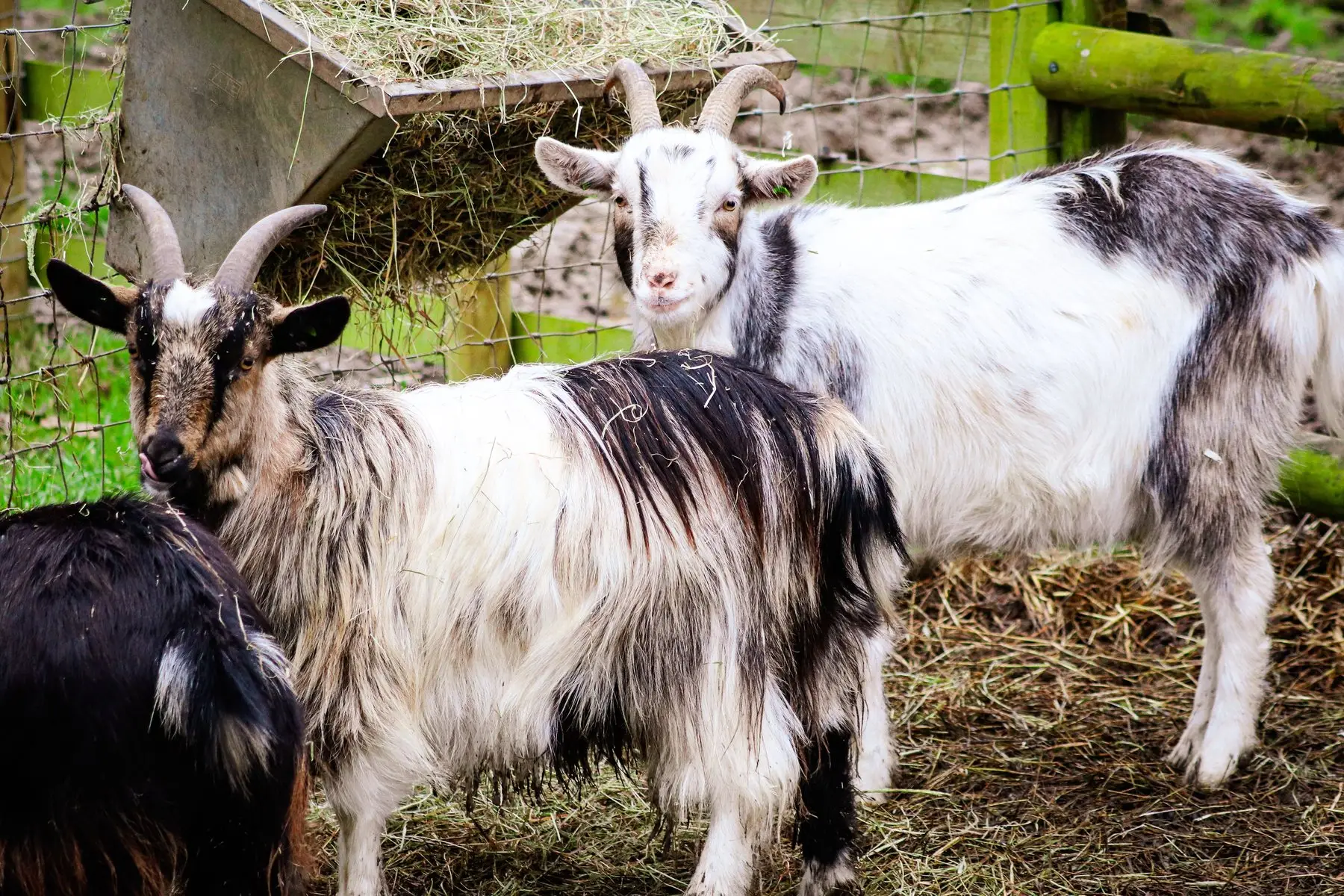
Can I Have a Goat in My Backyard? Check Three Rules First
Zoning, minimum lot size and pet limits decide it before anything else — and goats are herd animals, so the answer is never one goat.
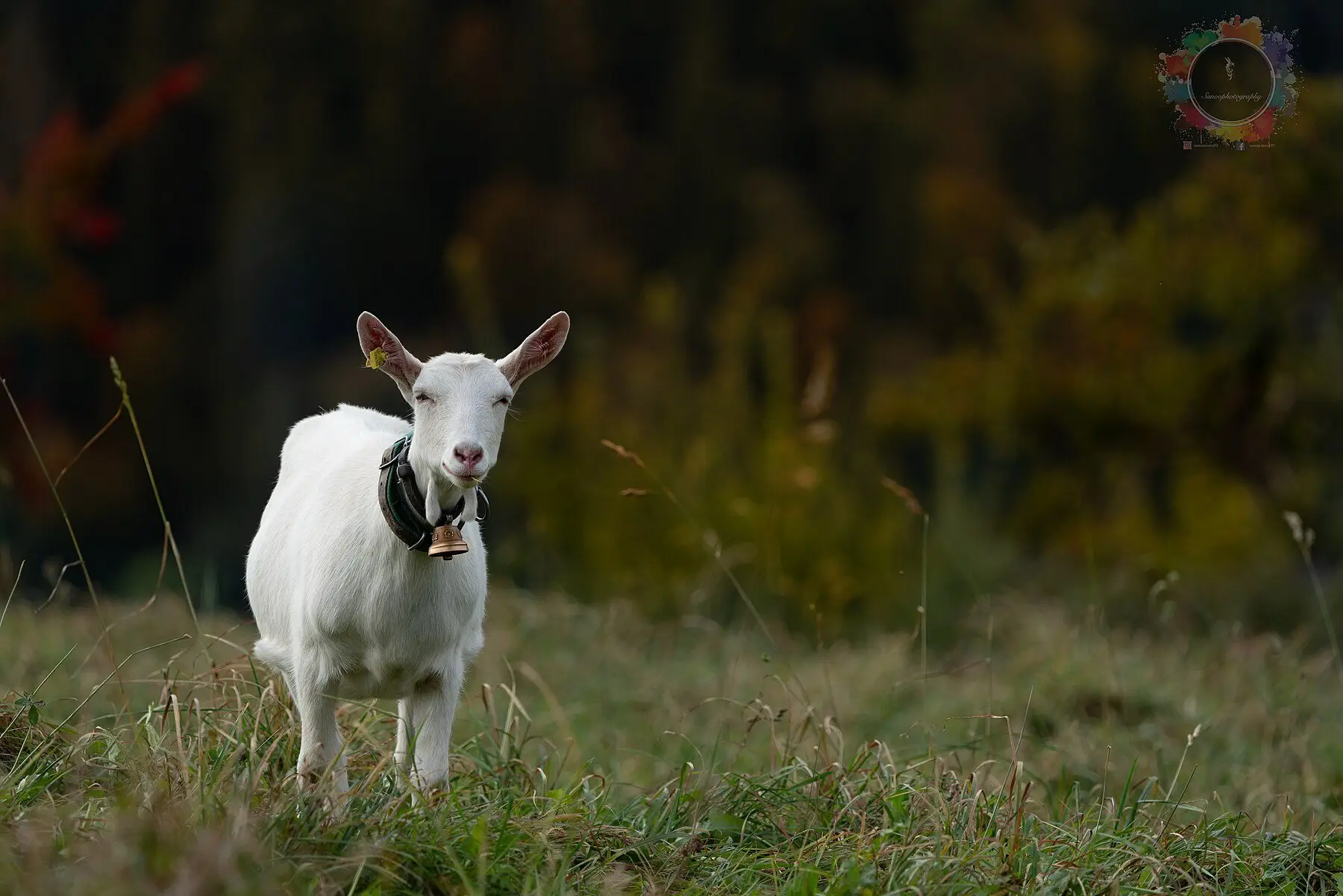
Dairy Goat Breeds — 6 Compared on Yield and Butterfat
Dairy goat breeds trade volume against butterfat, and that decides taste. 6 compared on yield, richness and size. See which suits your holding.
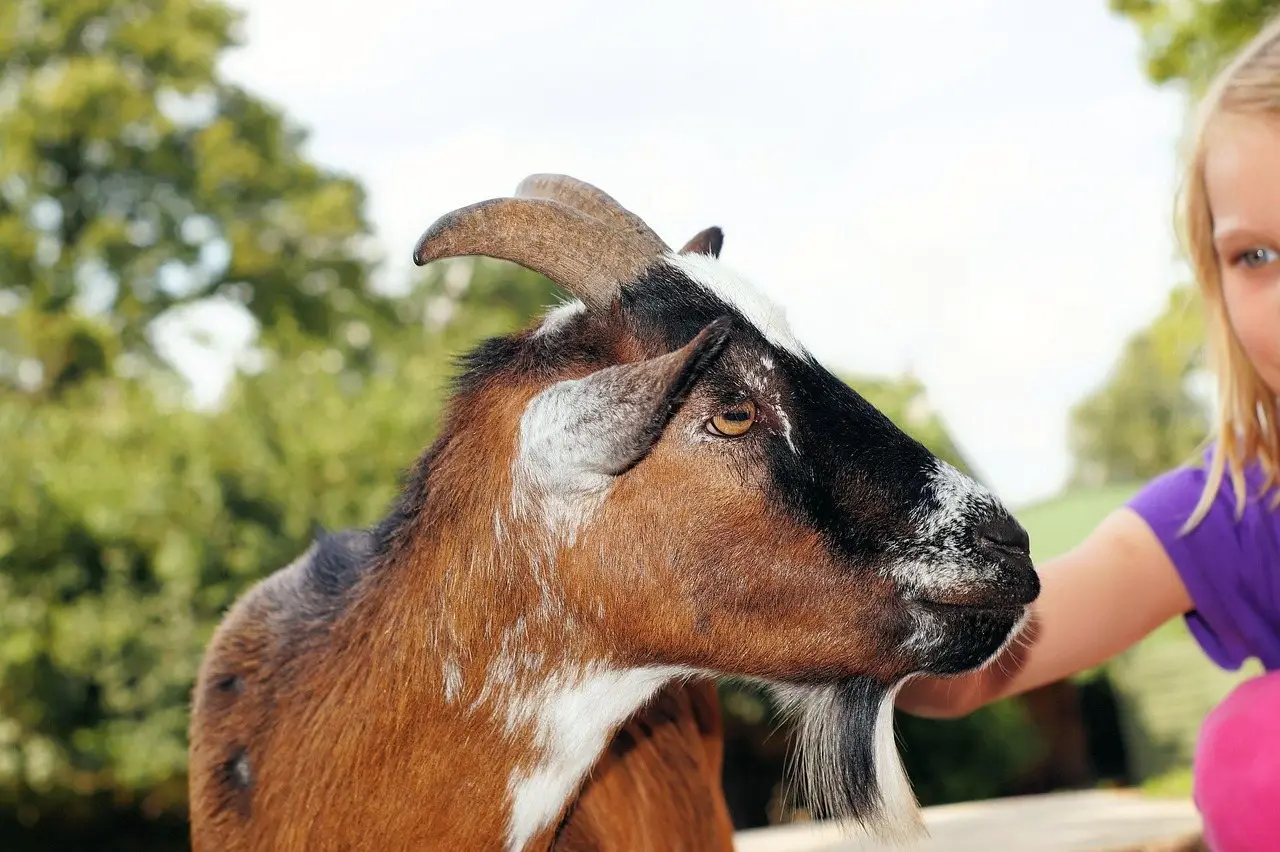
Are Goats Friendly? Breed, Rearing and Sex All Decide It
Goats are social and curious rather than affectionate by default. How they were raised, which breed, and whether a buck or a wether changes everything.

What Keeps Squirrels Out of Tomato Plants? Only a Barrier
Squirrels bite tomatoes for water, not food, so repellents and scare tactics fail. Physical exclusion and a water source are what actually work.