
Are Goats Friendly? Breed, Rearing and Sex All Decide It
Goats are social and curious rather than affectionate by default. How they were raised, which breed, and whether a buck or a wether changes everything.
 By
On this page
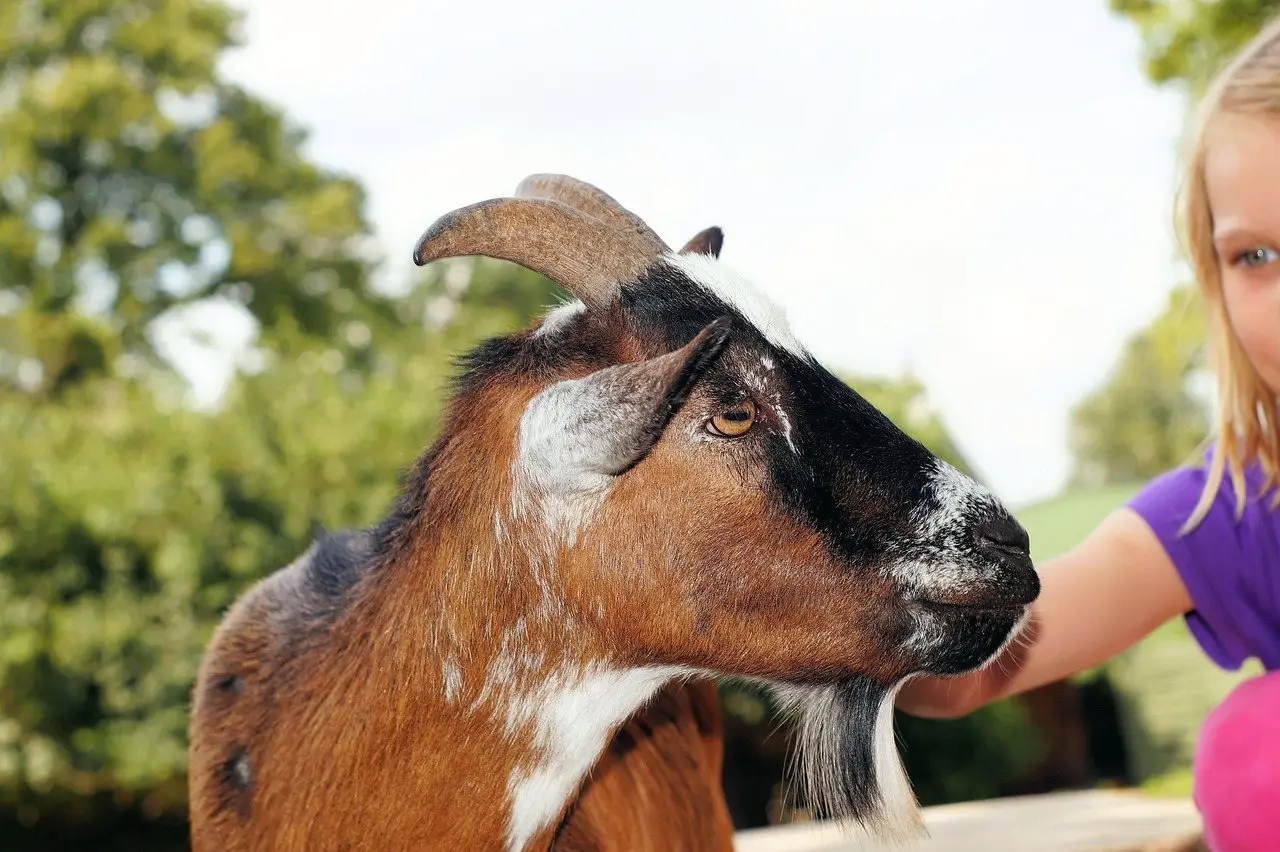
Goats are social and curious by nature, and affectionate only by upbringing. Those are not the same thing, and the gap explains most disappointed first-time owners.
What “friendly” means to a goat
- Curious. A goat investigates everything, including you, your pockets and your car. That is not affection, it is inspection
- Social. It needs company of its own kind, and it bonds with people as part of a wider herd
- Attached to routine. Goats recognise individual people and learn who brings food
- Not cuddly. Being restrained, lifted or held reads as predation
Rearing decides most of it
| how it was raised | what you get |
|---|---|
| Bottle-raised, handled daily | Follows you, asks for scratches, can be pushy |
| Dam-raised with frequent handling | Tame, calm, respects space — usually the best balance |
| Dam-raised, little contact | Wary, hard to catch, may never want touching |
Bottle-raising makes the tamest goats and also the most demanding — a bottle kid grows into an adult that treats you as herd-mate and does not understand personal space.
The buck problem
An intact buck is not a pet
In rut a buck urinates on his own face and chest, smells strongly enough to taint milk nearby, becomes vocal and pushy, and head-butts hard. Castrated males — wethers — keep the friendly temperament without any of that, and they are cheaper to keep.
How to handle one so it stays friendly
- Scratch the neck, chest and shoulders. Avoid the head and muzzle
- Never reward butting, even in play with a kid — it becomes dangerous at 80 lb
- Go to them rather than chasing; let them close the last step
- Keep handling short and daily rather than long and occasional
- Feed from a trough, not your hand, or you teach mugging
Common questions
Are goats friendly towards people?
Which goat breeds are friendliest?
Do goats like being petted?
Are bucks dangerous or unfriendly?
Are goats good pets for children?
Can you keep just one goat?
Backyard Weekly
Know what to plant, week by week
Join the weekly email for seasonal jobs, fixes for what is going wrong, and gear worth buying.
Not ready to subscribe? The planting calendar is free and needs no email.
By subscribing you agree to our privacy policy. Grow In Backyard will never sell your address.
Keep reading
Can I Have a Goat in My Backyard? Check Three Rules First
Zoning, minimum lot size and pet limits decide it before anything else — and goats are herd animals, so the answer is never one goat.
Best Goats for Meat — 4 Breeds and Why Crosses Win
The best goats for meat trade growth against hardiness. 4 breeds compared on weight gain, input and carcass. See why a cross usually beats a purebred.
Best Tasting Goat Milk Breed — 4 Compared on Butterfat
The best tasting goat milk breed is Nubian, on butterfat. 4 breeds compared, plus the handling that matters more. See which suits your holding.

Are Groundhogs Bad for Your Backyard? Burrows Are the Issue
Garden damage is real but modest; the burrow under a shed, deck or retaining wall is the expensive part. How to judge which you have.