
What Backyard Birds Mate for Life? Fewer Than You Think
Geese, swans, cranes and some corvids form long pair bonds. Most garden songbirds re-pair each season, and even faithful pairs are rarely monogamous.
 By
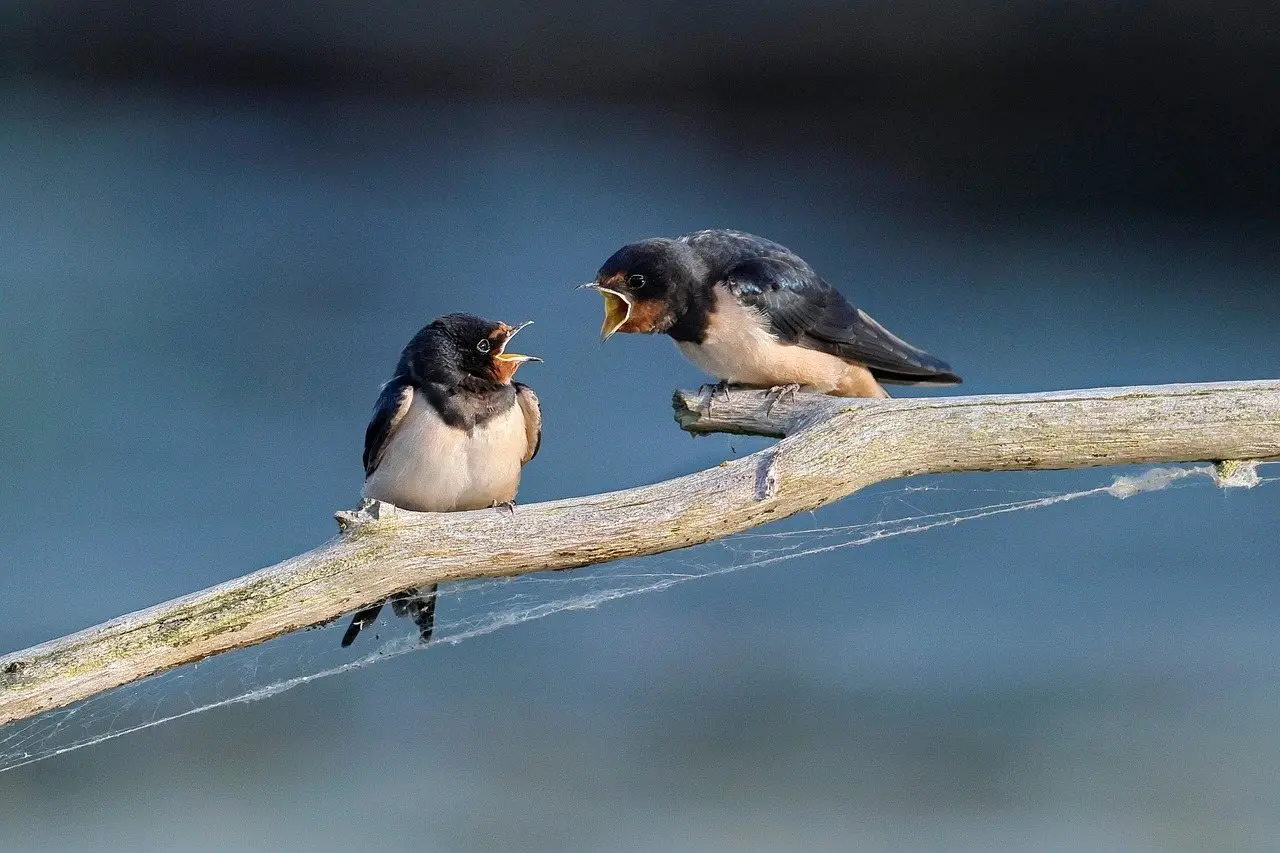
On this page
Fewer than the phrase suggests. Geese, swans, cranes and corvids hold genuinely long bonds. Most garden songbirds re-pair each season — and even faithful pairs are rarely monogamous in the genetic sense.
Who actually holds a long bond
| Bird | Pair bond |
|---|---|
| Canada goose, mute swan | Long-term, often years |
| Sandhill crane | Long-term |
| Raven, crow, magpie, jackdaw | Long-term, with allopreening |
| Pigeons and doves | Often across seasons |
| Northern cardinal | Durable by songbird standards — but not lifelong |
| Robins, finches, tits, sparrows | Usually one season |
| Wrens, some blackbirds | Sometimes a single brood |
What “mates for life” actually means
It describes the parenting, not the mating
DNA studies since the 1990s have found extra-pair paternity across a very large share of socially monogamous bird species — young in the nest fathered by a male other than the pair male. In some species a quarter or more of nestlings are not his.
The pair bond describes who raises the brood, defends the territory and shares the work. It has never described exclusive mating.
Why small birds do not bother
Annual survival for many small songbirds is around fifty percent. A bird returning to breed a second year frequently finds its previous mate simply gone.
Lasting bonds pay off where a species is long-lived, strongly territorial, and both sexes invest heavily in the young — geese, swans, cranes, large corvids. An established pair breeds more successfully than a newly formed one, and that advantage compounds over years the bird actually gets to live.
When a mate dies
The survivor re-pairs, usually within a season and sometimes within weeks.
Geese and swans may show a period of apparent disturbance and hold a territory alone for a while, which is where most of the grieving-swan folklore comes from. Re-pairing is the normal outcome — and a bird that does not re-pair simply does not breed.
Telling a pair apart in the garden
Watch behaviour, not proximity:
- Courtship feeding — the male passes food to the female. Common in cardinals, robins, many finches
- Allopreening — mutual preening around head and neck. Strong signal in corvids and pigeons
- Coordinated territory defence — moving through the same ground together, seeing off the same intruders
Two birds on the same feeder tell you nothing
Feeders concentrate unrelated birds. The pair signals are all about shared work, not shared space.
Common questions
What backyard birds mate for life?
Do cardinals mate for life?
Does mating for life mean they are faithful?
Why do most small birds not pair for life?
What happens when one of a bonded pair dies?
How can I tell if garden birds are a pair?
Backyard Weekly
Know what to plant, week by week
Join the weekly email for seasonal jobs, fixes for what is going wrong, and gear worth buying.
Not ready to subscribe? The planting calendar is free and needs no email.
By subscribing you agree to our privacy policy. Grow In Backyard will never sell your address.
Keep reading
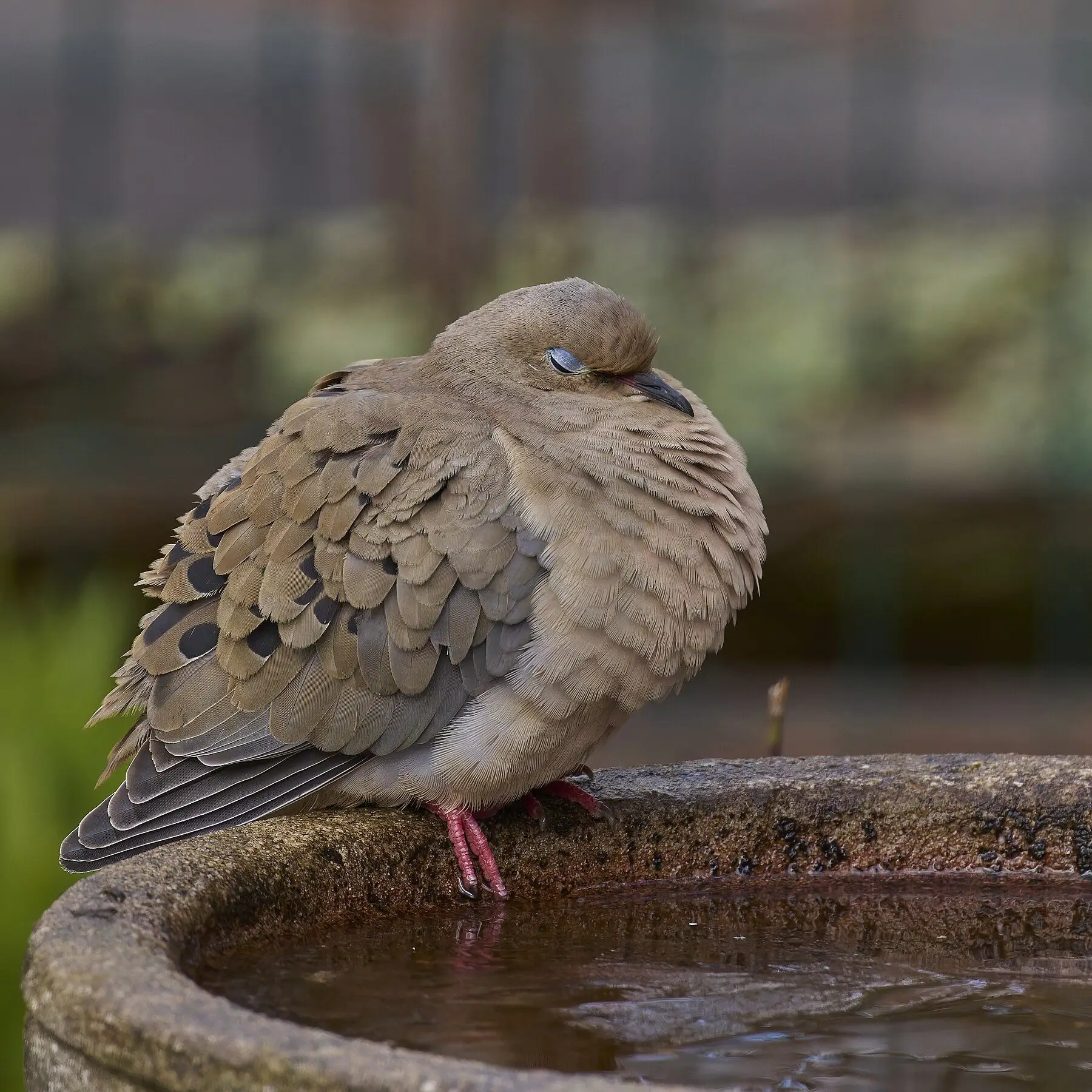
Mourning Dove Bird Feeder — 5 Trays and Platforms
A mourning dove bird feeder needs a flat surface, not a perch. 5 trays and platforms compared, plus the seed. See which fits your yard.

Best Binoculars for Backyard Bird Watching — 6 Picks
For the best binoculars for backyard bird watching, close focus beats magnification. 6 pairs compared across budgets. See which hits yours.
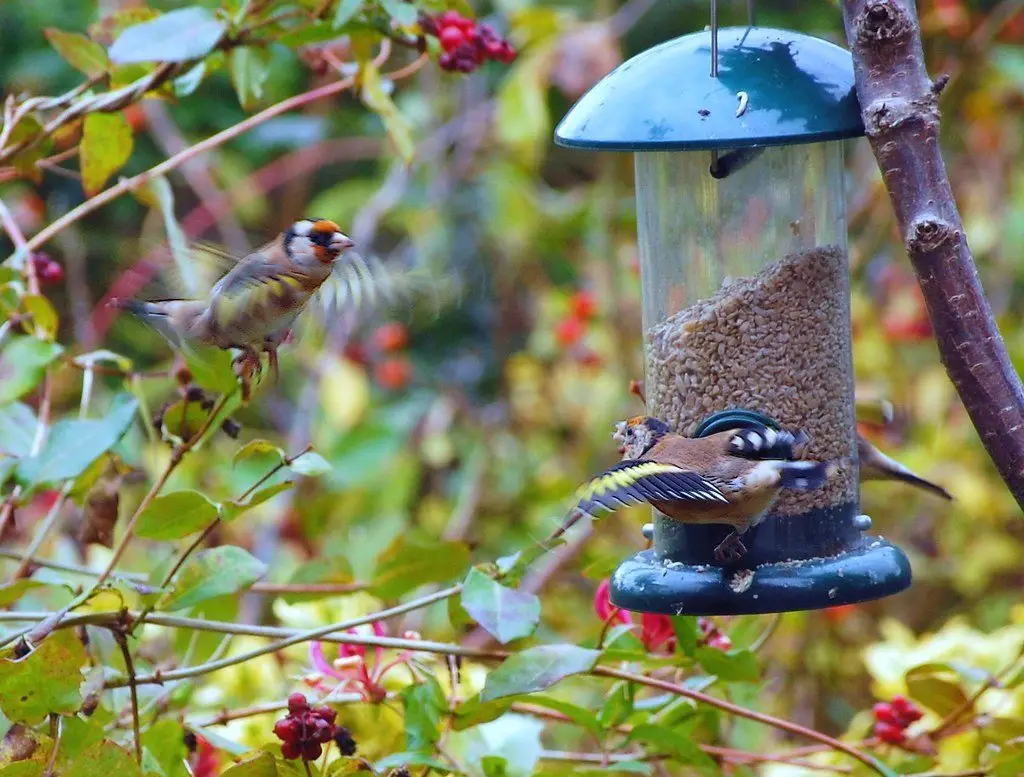
Best Bird Food to Attract Colorful Birds — 6 by Species
The best bird food to attract colorful birds changes by species. 6 foods matched to cardinals, orioles, bluebirds and more. See which to put out first.
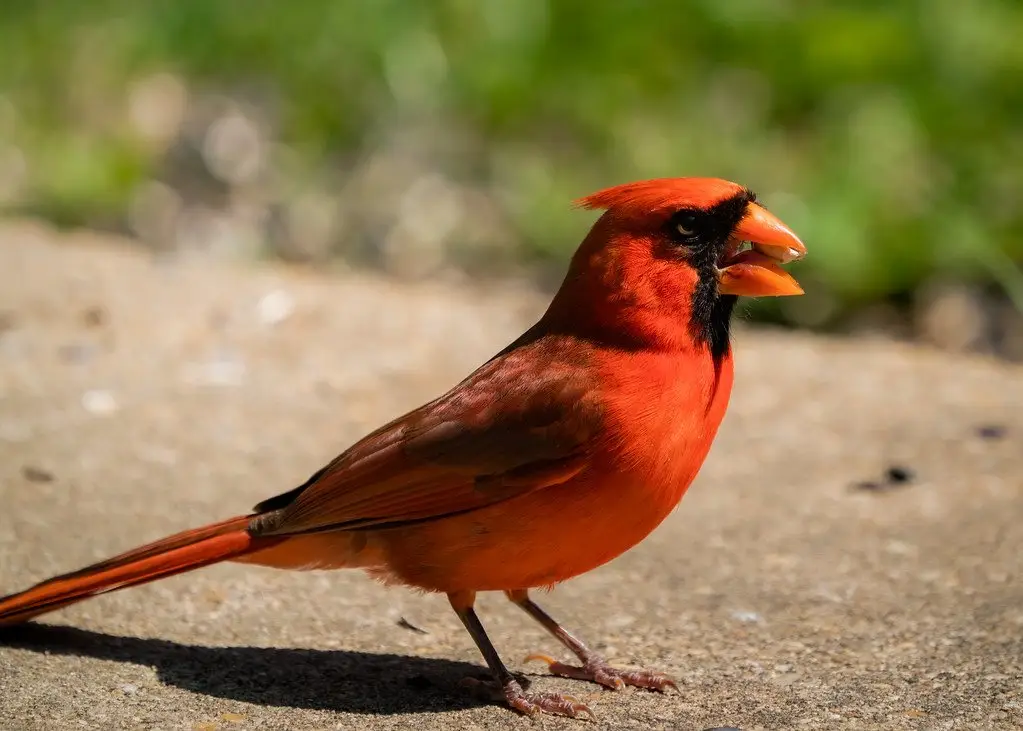
Best Bird Seed for Cardinals — 5 Picks, Safflower First
The best bird seed for cardinals is safflower, which squirrels leave alone. 5 seeds compared on pull, cost and mess. See which suits your feeder.