
How to Get Rid of Lizards and Skinks (and Why to Think Twice)
Skinks and yard lizards eat the insects you are spraying for. If they still have to go, here is what works on the porch, the patio and the plants.
 By

On this page
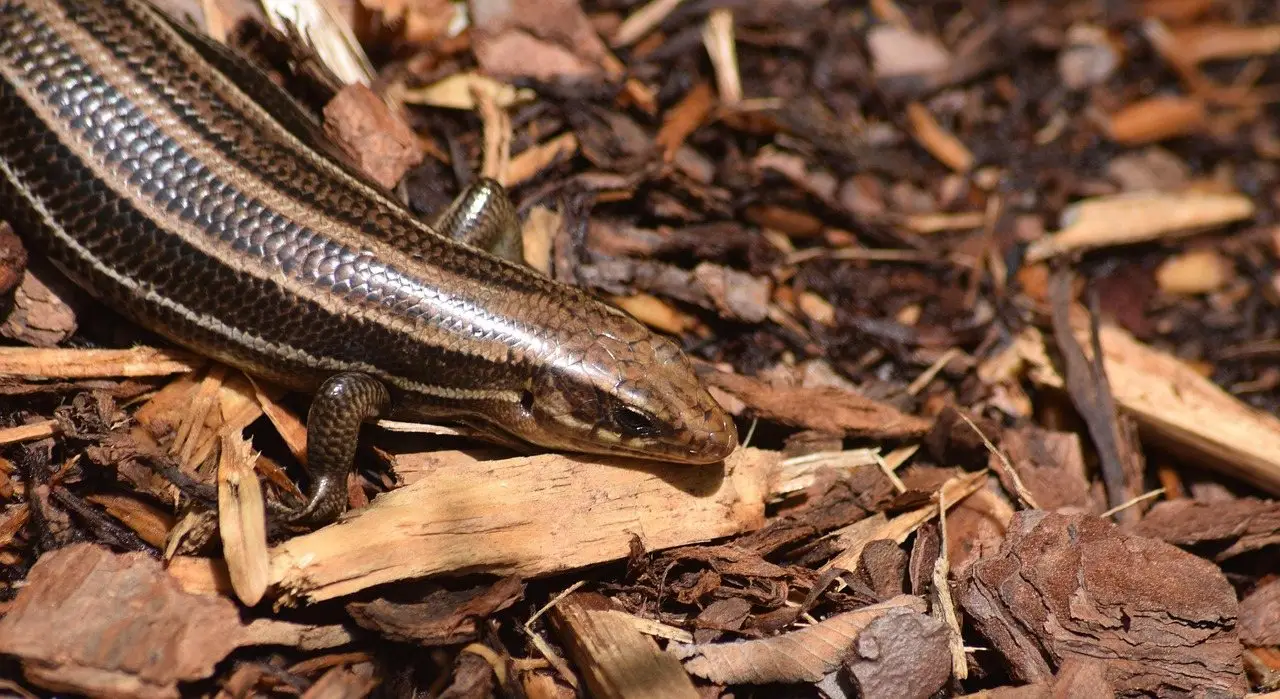
Before the how: a skink on your patio is eating mosquitoes, crickets, roaches and spiders, damages nothing, and is one of the better signs about a yard. A lot of people arrive at this question having assumed otherwise.
If they still have to go — indoors, or a genuine phobia — the fix is the same either way, and it is not a spray.
Why they are there
Two things, and both are fixable:
1. The insects. A porch light running all night concentrates moths, midges and beetles against a wall. A lizard that finds that is not leaving while it lasts.
2. The cover. Skinks especially need damp shelter within a short dash of a warm basking surface — which is exactly what a woodpile next to a patio, or leaf litter against a sunny wall, provides.
Remove either half and the pairing stops working.
What works
| Measure | Effect | Effort |
|---|---|---|
| Yellow bug bulbs / motion sensor lighting | High — removes the food supply | One evening |
| Clearing leaf litter, woodpiles, loose bricks | High | An afternoon |
| Door sweep, weatherstrip, mesh on weep holes | High, for indoors specifically | An afternoon |
| Netting over specific plants | High, where plant damage is real | Minutes per plant |
| Water feature removal near the patio | Moderate | Varies |
| Snake repellent granules | None demonstrated | Ongoing cost |
| Mothballs | None, and illegal used this way in the US | — |
| Ultrasonic devices | None | — |
| Glue boards | “Works”, inhumanely and indiscriminately | — |
Lighting is the whole game
Swap white and cool-white exterior bulbs for yellow bug lights, aim path lighting downward, and put the porch light on a motion sensor rather than leaving it on all night. Within a week or two the insect swarm is gone and so is the reason for the lizards.
Cover, then gaps
Clear back along walls and patio edges: leaf litter, stacked firewood, loose bricks and pavers, upturned pots, dense low groundcover. Keep mulch shallow near the house.
Then close the building. On a sunny afternoon, stand inside with the lights off and look for daylight around doors, vents, weep holes and pipe penetrations. Door sweep, foam weatherstrip, fine mesh, caulk — the same list that keeps out draughts, insects and mice.
Getting one out of the house
- Shut the interior doors.
- Open an exterior door, ideally the one nearest the lizard.
- Herd it low and slow with a broom held flat to the floor. Lizards run along walls, so guide rather than chase.
- If it stops: container over it, card underneath, carry it out.
- Release it near cover, close to the house.
Never by the tail
Skinks and most other yard lizards autotomise — they shed the tail deliberately to escape a predator’s grip. The tail thrashes, the lizard runs, and it then spends weeks and a lot of stored fat regrowing a shorter, duller replacement. Grabbing a tail is not a catch; it is an injury.
Blue-tailed lizards, briefly
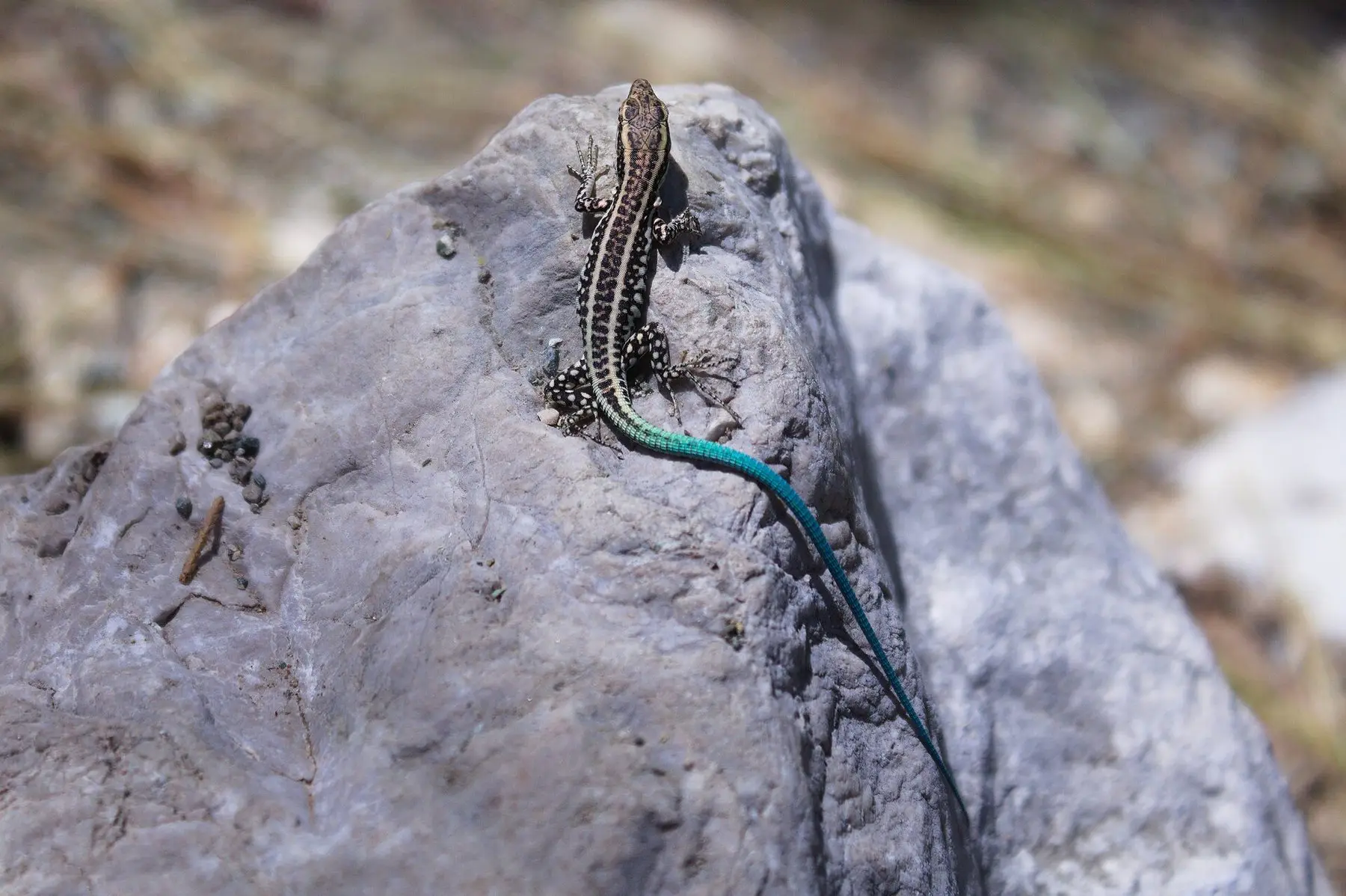
A “blue-tailed lizard” is usually a juvenile skink — the brilliant blue tail is a decoy that draws a predator’s strike away from the body, and it fades to brown as the animal matures.
They are not venomous and not poisonous to touch. The old belief that they poison cats is folklore; what a cat that eats one can actually pick up is an intestinal parasite, which is a worming conversation with a vet rather than a poisoning.
If they are eating your plants
Most yard lizards eat no plant material whatsoever. Before treating this as a lizard problem, check the usual suspects: slugs and snails (ragged holes, slime, overnight), earwigs, cutworms (whole seedlings cut off at ground level), birds, and rabbits.
Where a lizard genuinely is taking soft fruit or seedlings, fine netting or a cloche over those plants for a few weeks solves it without removing the insect control from the rest of the garden.
Iguanas are the real exception — in Florida, Hawaii and other tropical regions they do serious plant damage, and that is a different article and often a licensed-removal question.
Things not to do
- Glue boards. A lizard on a glue board dies slowly, and birds, skinks and snakes get caught by accident. If you find one stuck, vegetable oil along the contact line releases it.
- Mothballs. No effect, toxic to people and pets, and illegal in the US when used against anything not on the label.
- Ultrasonic repellers. No demonstrated effect on reptiles.
- Broad-spectrum insecticide as a lizard strategy. It removes the insects eventually, but it also removes the pollinators and the predators, and the lizards were doing the same job for free.
Step by step
- Time
- P7D
- Cost
- $25
- You need
- Foam weatherstrip and a door sweep, Fine mesh for vents and weep holes, Yellow "bug light" bulbs
- Tools
- Caulk gun, Rake
Take away the insects first
Lizards are on your porch because the porch light is a nightly insect buffet. Switch to yellow bug bulbs or a motion sensor, move lighting away from doors and seating, and the lizards follow the food elsewhere within a week or two. Nothing else on this list works as well.
Remove the cover they are using
Clear leaf litter, stacked firewood, loose bricks, upturned pots and dense groundcover against walls and along the patio edge. Skinks in particular need damp cover within a short dash of open basking ground — take away one half of that pairing and they move on.
Close the gaps into the house
Fit a door sweep, weatherstrip warped doors, mesh weep holes and vents, and seal cracks around pipes and window frames. A lizard indoors got in through a gap you can find on a sunny afternoon with the lights off, by looking for daylight.
Escort indoor lizards out rather than trapping them
Shut the interior doors, open an exterior one, and herd it gently with a broom held low and flat. If it needs catching, put a container over it and slide card underneath. Never grab a lizard by the tail — skinks and many other species shed the tail deliberately, which costs them fat reserves they need.
Protect specific plants rather than the whole yard
The handful of lizards that genuinely nibble seedlings or soft fruit are dealt with by fine netting or a cloche over those plants for a few weeks. This is far more effective than any area treatment and it does not remove the insect control the same lizards are providing.
Skip the repellents
Snake repellent granules, mothballs, ultrasonic devices and glue boards either do not work on lizards or cause a slow death for the lizard and whatever else walks into them. None of them address the light or the cover, which is what actually decides whether lizards are there.
Common questions
How do I get rid of skinks in my yard?
Does Snake Away work on lizards?
Are blue-tailed lizards dangerous or poisonous?
Do lizards eat garden plants?
How do I get a lizard out of my house?
Should I get rid of lizards at all?
Backyard Weekly
Know what to plant, week by week
Join the weekly email for seasonal jobs, fixes for what is going wrong, and gear worth buying.
Not ready to subscribe? The planting calendar is free and needs no email.
By subscribing you agree to our privacy policy. Grow In Backyard will never sell your address.
Keep reading
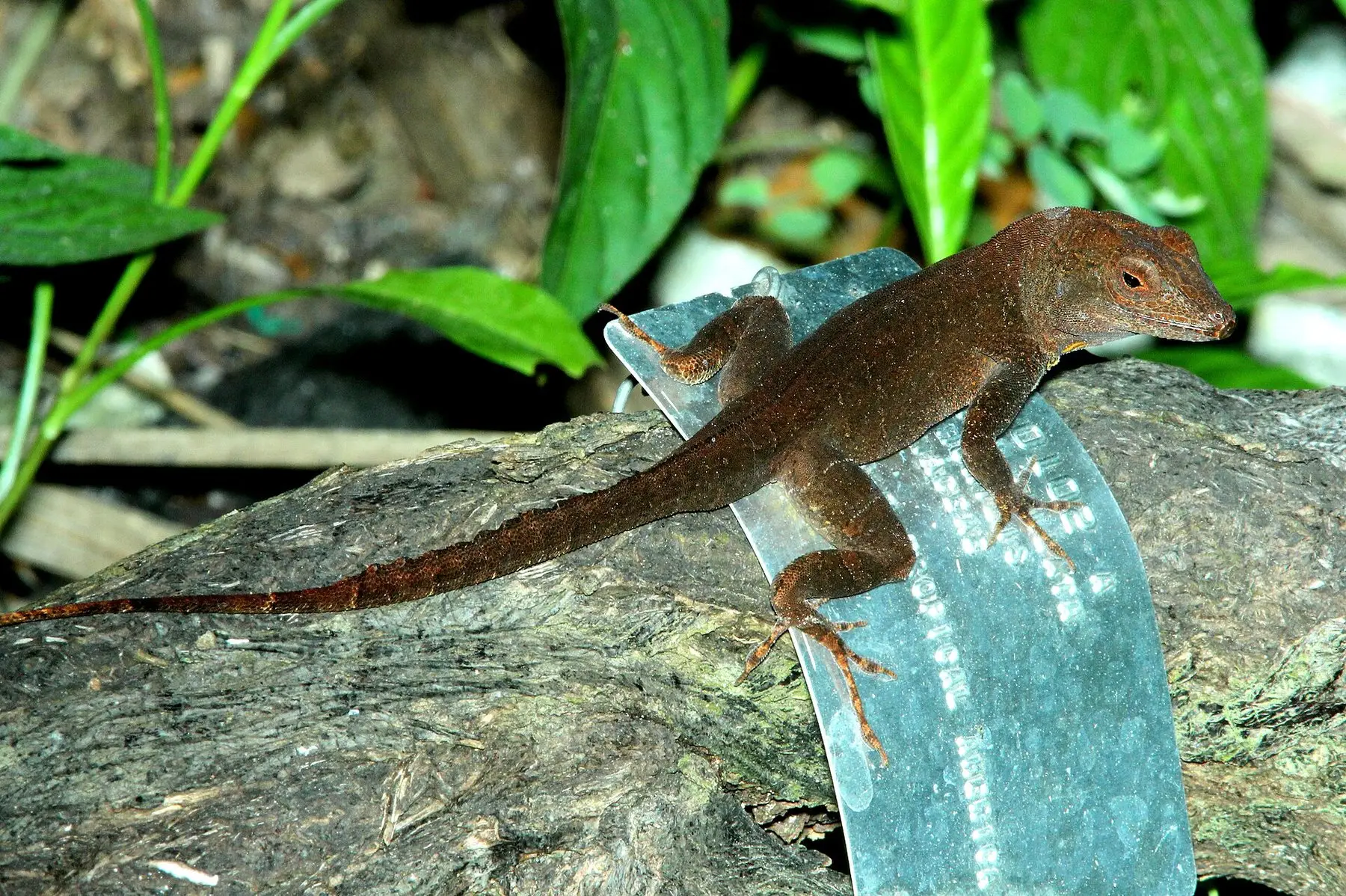
What Do Backyard Lizards Actually Eat?
Wild lizards in a garden are almost entirely insect-eaters, not the varied diet pet-care sites describe. What they hunt, and what draws more of them to your yard.
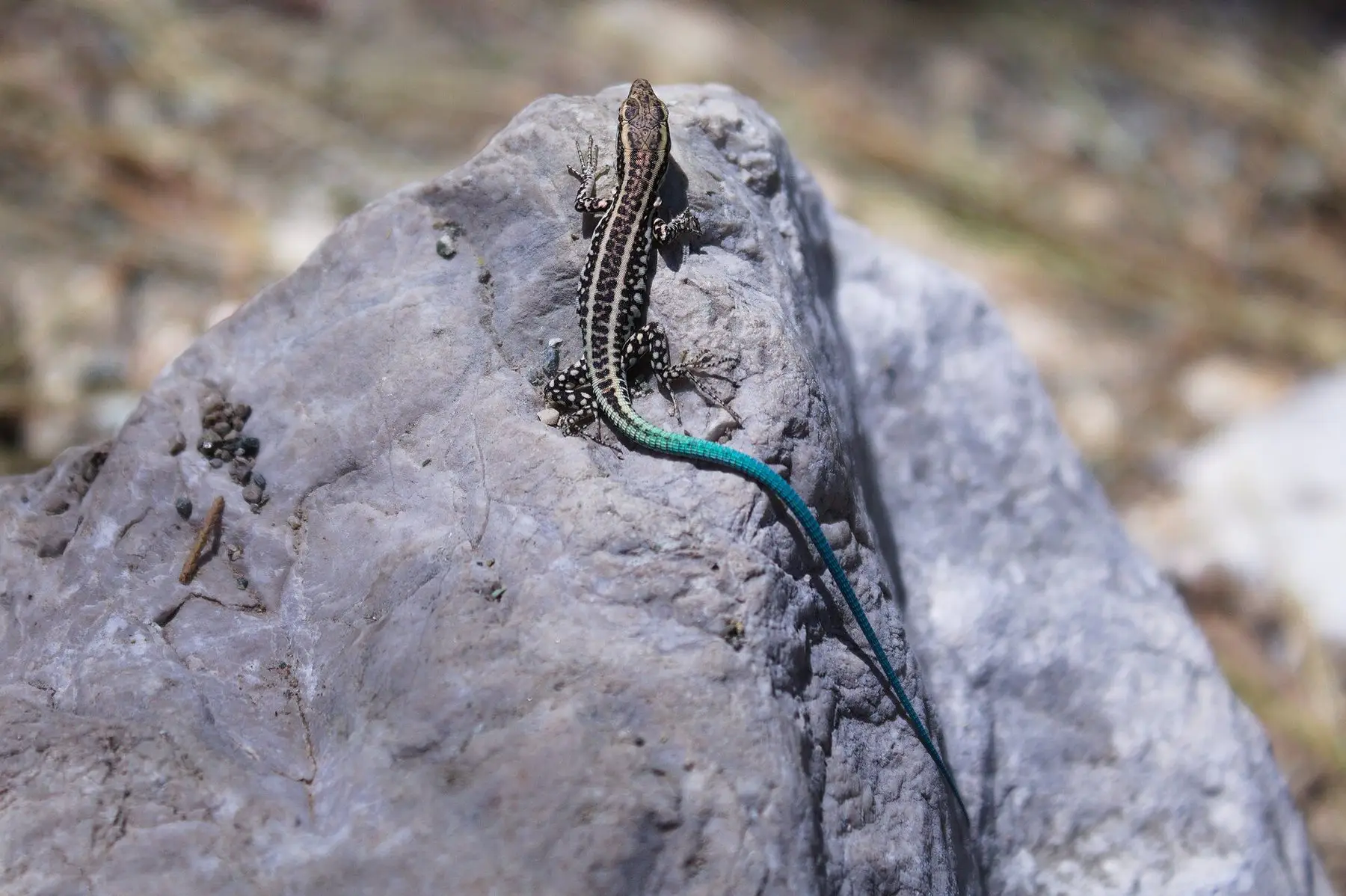
How Long Do Lizards Live? By Species, Wild vs. Kept
Backyard lizard lifespan runs from 1 year to over 20, depending entirely on species and whether it is wild or kept as a pet. The real numbers, by common type.
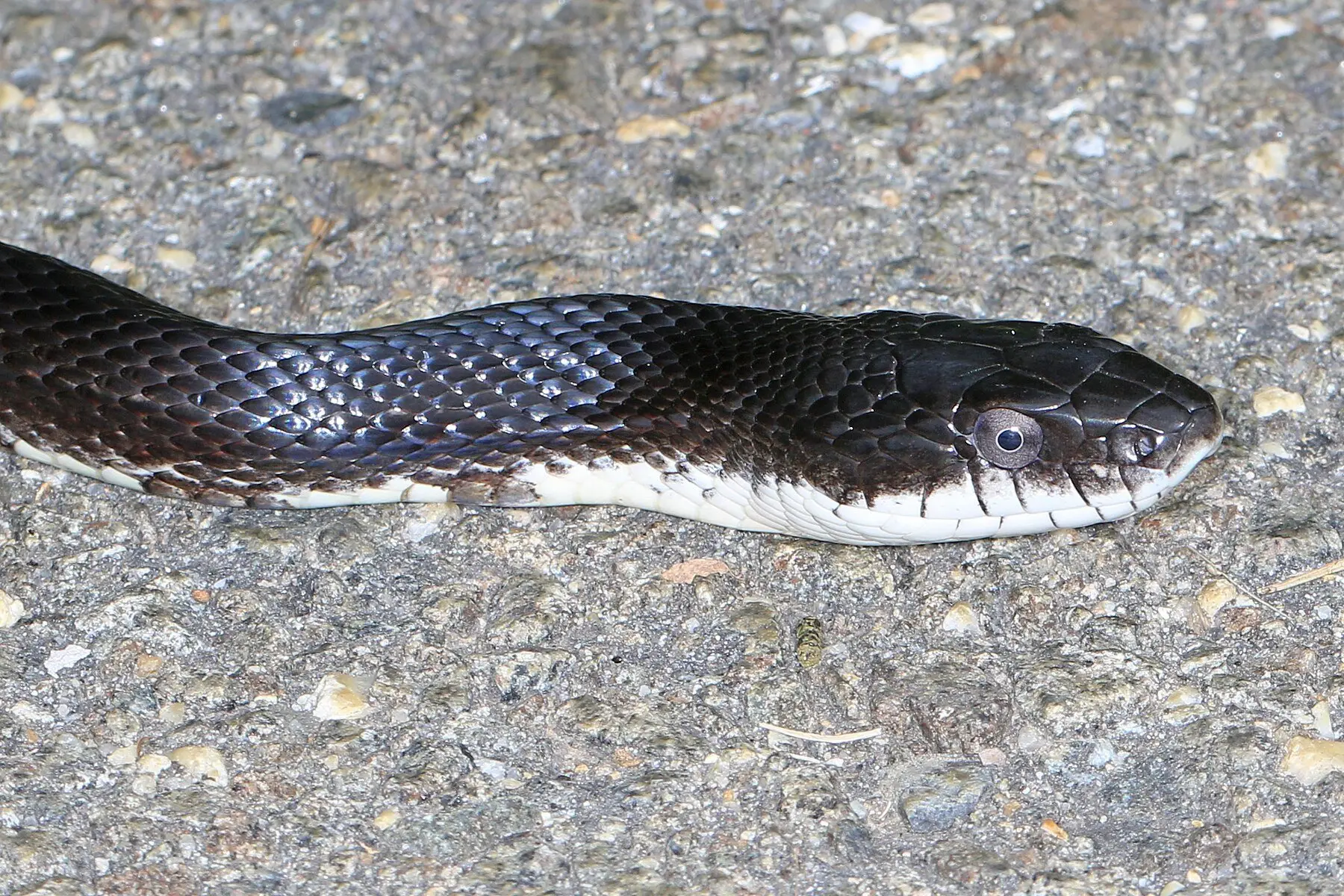
Snakes in a Crawl Space or Under the House: What to Do
A snake under the house is following rodents and cool air. How to confirm it, get it out safely, and seal the gaps so the next one does not get in.
How to Get Rid of Skinks, and Why You Might Not Want To
Skinks eat the insects you are already fighting. If you still want them gone, here is what moves them — and why no skink repellent on sale actually works.