
How to Get Rid of Skinks, and Why You Might Not Want To
Skinks eat the insects you are already fighting. If you still want them gone, here is what moves them — and why no skink repellent on sale actually works.
 By
On this page
Worth saying before the methods: skinks eat the insects you are already fighting, they do no damage, and in several places they are protected. The sensible goal is keeping them out of the house, not off the property.
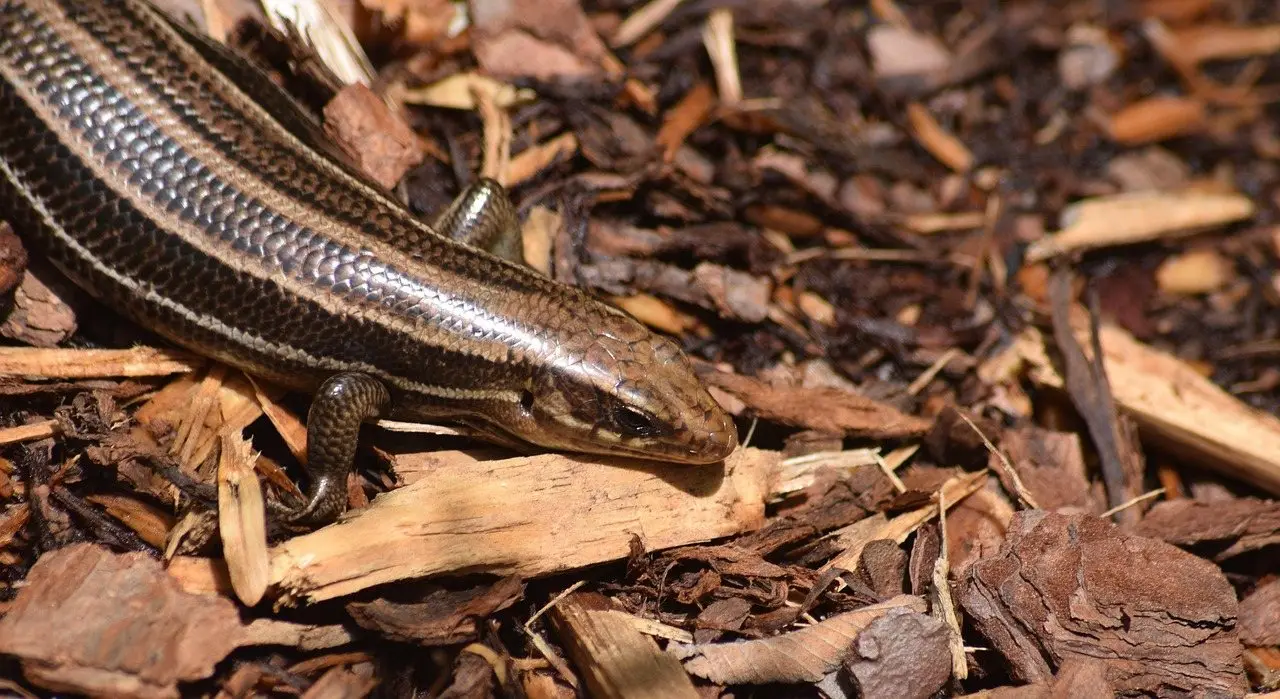
What a skink actually is
- A lizard, smooth and glossy with short legs and a tapering body, often striped
- Diurnal — active in daylight, which is why you see them and rarely see geckos
- Insectivorous. Crickets, beetles, spiders, snails, slugs, grubs
- Harmless. Not venomous, not poisonous to touch, and the jaws of a garden species have trouble breaking skin
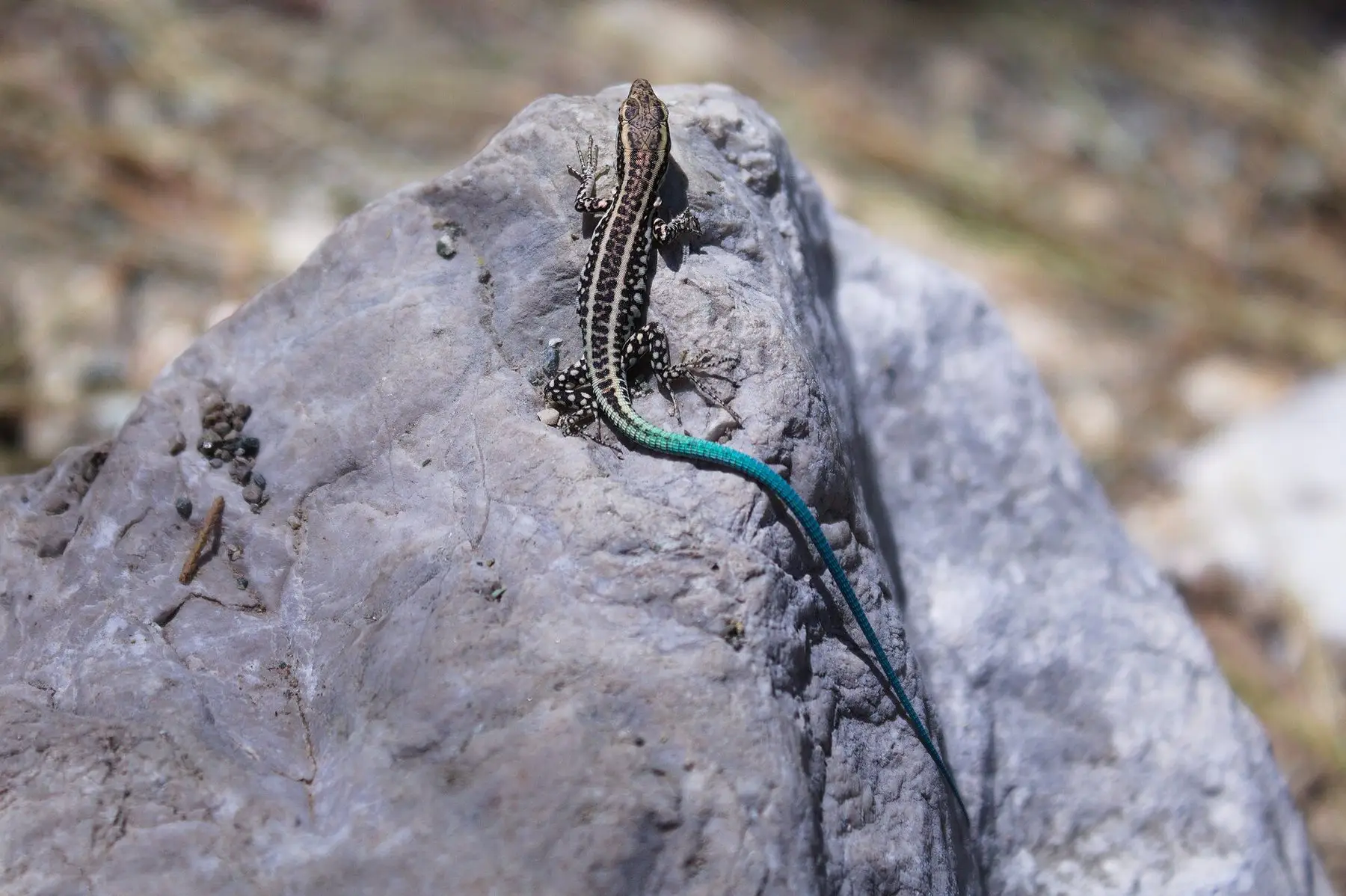
- A blue tail is a juvenile marking in several common species. It is a decoy — a predator strikes the bright tail, the skink sheds it and regrows a duller one
Check whether yours are protected
Several skink species are legally protected, and in parts of Australia, New Zealand and the United States killing or trapping one is an offence.
A thirty-second check with your state or national wildlife agency settles it before you do anything, and the answer is often “leave them alone”.
The four changes that work
| Change | Effect | Effort |
|---|---|---|
| Clear cover near the walls | Large | A weekend |
| Seal entry gaps | Large, for indoors | A few hours |
| Warm amber outdoor bulbs | Moderate — fewer insects | An hour |
| Fix damp spots and drips | Moderate | Minutes |
| Cut vegetation off the house | Moderate | An afternoon |
| Skink repellent (any brand) | None | Wasted money |
| Mothballs | None, and illegal outdoors | — |
| Ultrasonic device | None | — |
1. Take away the cover
This is most of the result. Skinks need somewhere to hide between hunts and something flat to bask on.
- Log piles, stacked firewood and timber offcuts moved away from the house
- Flat stones, pavers and rubble lifted or relocated
- Leaf litter and deep mulch raked back from the foundation to leave a clear band
- Dense ground cover trimmed off the walls
- Pots, trays and tarpaulins stacked off the ground
2. Seal the house
An indoor skink came through a gap, and the gap is usually one of four.
- Door thresholds. A worn sweep on a back or garage door is the single most common route
- Vents, weep holes and utility penetrations — mesh them with fine wire, not foam
- Window screens with tears, and frames that no longer sit square
- The garage door seal, which perishes before anything else on the house
3. Cut the insect supply
Skinks follow food. A porch light running a white bulb all evening is a feeding station.
- Warm amber or yellow bulbs outdoors, which draw far fewer moths and beetles
- Lights off when nobody is out
- Sweep up spilled birdseed and fallen fruit, both of which breed insects
- Deal with a damp spot — a dripping tap, a saucer under a pot, a leaking hose fitting
Skip the glue traps
Glue boards are sold for this and they are a cruel way to kill a harmless animal — a stuck skink dies slowly, and it takes birds and small mammals with it.
Where a skink is protected, a glue board is also an offence. If something has to be caught, a container and a piece of card does it in ten seconds.
Getting one out of the house
It is lost rather than settled, and it will dehydrate within days if left.
- Open the nearest outside door wide and close the doors to the rest of the house
- Shut the curtains on other windows, so the open door is the brightest way out
- Herd gently with a broom, from well behind it. Do not corner it
- Or catch it: a plastic container over the skink, a sheet of card slid underneath, carry it out. Release it in cover at the bottom of the garden, not on an open lawn
- Never grab it by the tail. It will drop the tail, which is a real cost to the animal and leaves you holding a wriggling tail
- Then find the gap it came through, or you will do this again next week
Why most of the advice online is wrong
The skink problem has an unusually large market of products that do nothing.
- Mothballs. No repellent effect on reptiles, and outdoor use is illegal in most jurisdictions because it is off-label use of a registered pesticide. The vapour is a hazard to people and pets in an enclosed space
- Sulphur granules and garlic sprays. No evidence
- Peppermint, cinnamon, coffee grounds, eggshells. No evidence
- Ultrasonic repellers. No evidence for any reptile
- Pesticide sprays aimed at the skink. Illegal for a non-target vertebrate in most places, and they poison the food chain
The one chemical approach with any logic behind it is treating the insects, because that removes the reason to be there. Even then, cover and gaps do more.
The case for leaving them
- They eat crickets, beetles, spiders, snails, slugs and grubs in volume
- They damage nothing — no burrowing, no chewing, no droppings problem
- They are not venomous and will not bite anyone
- They are food for birds and snakes, so a yard with skinks is a working one
- In several places they are protected, and numbers are falling in parts of their range
A skink in the garden is a sign the garden is functioning. The house is a separate question, and a door sweep solves it.
Common questions
How do I get rid of skinks?
Does skink repellent work?
Are blue-tailed skinks dangerous or poisonous?
Why are there skinks in my house?
What attracts skinks to a yard?
Should I get rid of skinks at all?
Backyard Weekly
Know what to plant, week by week
Join the weekly email for seasonal jobs, fixes for what is going wrong, and gear worth buying.
Not ready to subscribe? The planting calendar is free and needs no email.
By subscribing you agree to our privacy policy. Grow In Backyard will never sell your address.
Keep reading
How to Get Rid of Lizards and Skinks (and Why to Think Twice)
Skinks and yard lizards eat the insects you are spraying for. If they still have to go, here is what works on the porch, the patio and the plants.
Where Can You Find Lizards in Your Backyard? Warm Edges
Sunlit walls, rock piles, log edges and south-facing paving in the morning. Lizards need to warm up before they can hunt, so they bask first.
Do Lizards Keep Snakes Away? And Do Frogs Attract Them?
Lizards do not repel snakes — they are prey. Frogs do not summon them either. What a yard's small animals actually tell you about its snakes.
How to Get Rid of Snakes Under a Concrete Slab
A snake under a slab got in through a gap and stayed for the rodents. Seal it after the snake leaves, not before — or you trap it underneath.