
How to Attract Butterflies to a Butterfly House
Butterfly houses attract spiders far more often than butterflies. What the research shows, and the planting that genuinely brings butterflies in.
 By
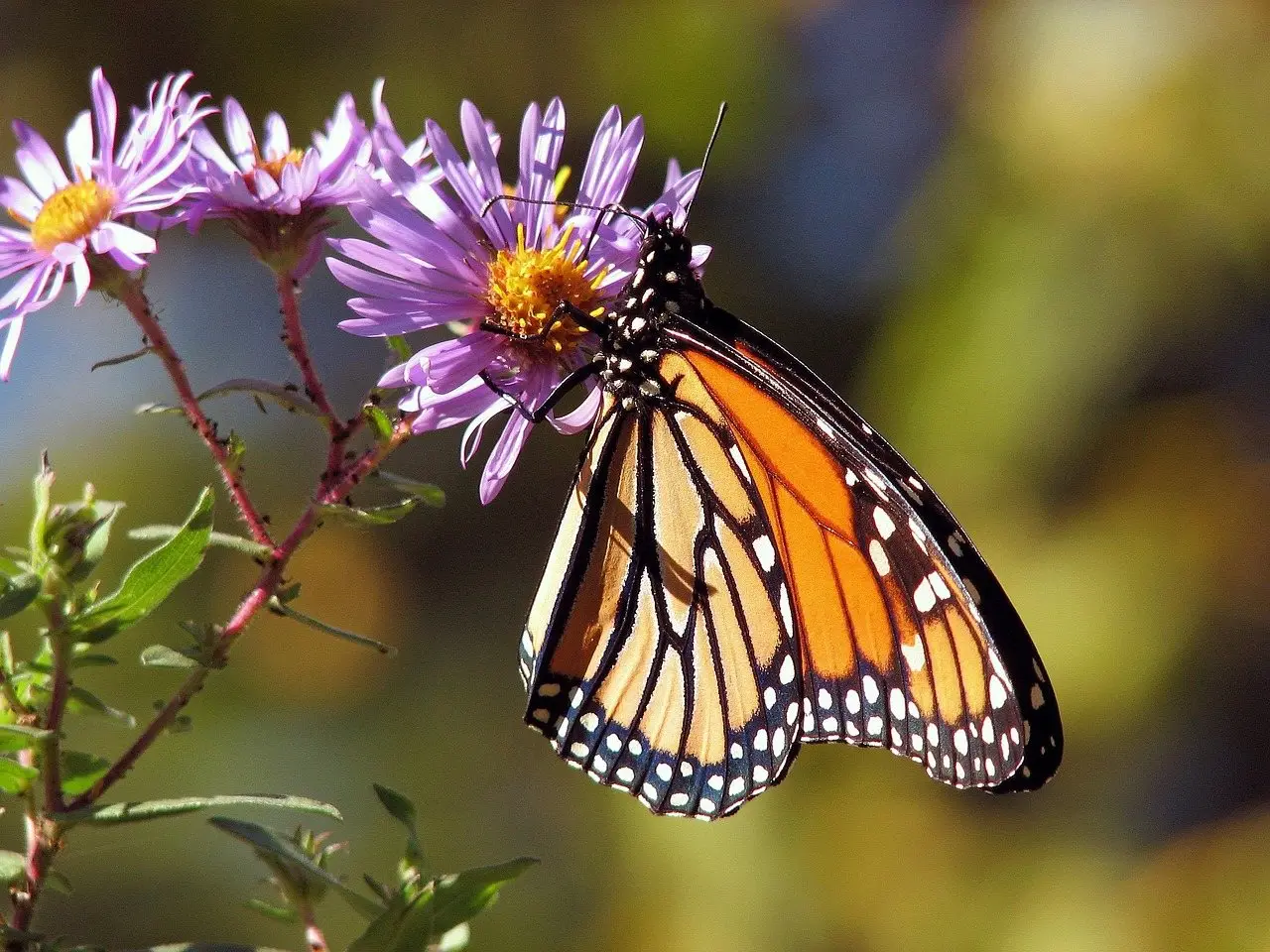
On this page
Butterfly houses are mostly occupied by spiders. That is not a failure of siting — it is what surveys of installed boxes keep finding, and it follows from how butterflies actually overwinter.
Siting one properly
- Orientation: south or south-east, for morning warmth
- Height: three to six feet, out of the wet grass
- Shelter: behind a hedge or wall, out of prevailing wind and driving rain
- Adjacent: a nectar block within a few feet, and a flat stone or paved patch in full sun for basking
- Maintenance: clear spider webs each autumn, or nothing else will go in
What goes inside
- Loose bark pieces, set vertically
- Thin twigs and a few dry leaves
- Bare, unfinished wood — no paint, stain or sealer inside
No sugar water or fruit inside the box
It draws wasps and ants and goes mouldy in an enclosed space. Put overripe fruit out on a dish in the open if you want to offer it, away from the house.
What actually brings butterflies
Host plants are the half that gets skipped, and they are the half that decides whether butterflies breed in your garden rather than pass through.
| need | examples |
|---|---|
| Caterpillar host plants | Milkweed (monarch), nettle (tortoiseshell, peacock), fennel and parsley (swallowtail), native grasses (skippers) |
| Spring nectar | Primula, aubretia, willow, dandelion left to flower |
| Summer nectar | Buddleia, verbena bonariensis, echinacea, oregano, lavender |
| Autumn nectar | Sedum, aster, ivy flowers |
| Shelter | Log pile, ivy, standing dead stems left over winter |
| Basking | Flat stone or paving in full sun |
The winter shelter that does get used
Leave it rough: a log pile in a shaded corner, a patch of ivy allowed to flower, stems left standing until spring, and a shed or garage with a gap a brimstone or tortoiseshell can slip into. That is the real version of a butterfly house, and it costs nothing.
Common questions
Do butterfly houses actually attract butterflies?
What should you put inside a butterfly house?
Where should a butterfly house be placed?
What actually attracts butterflies to a garden?
Do butterflies need shelter in winter?
Is a butterfly house worth buying at all?
Backyard Weekly
Know what to plant, week by week
Join the weekly email for seasonal jobs, fixes for what is going wrong, and gear worth buying.
Not ready to subscribe? The planting calendar is free and needs no email.
By subscribing you agree to our privacy policy. Grow In Backyard will never sell your address.
Keep reading
Do Butterfly Houses Work? Almost Never, and Here Is Why
Butterfly houses are sold everywhere and are essentially never used by butterflies. What the research found, and what actually helps them overwinter.
Are Butterflies Attracted to Light? Moths Are, They Aren't
Butterflies fly by day and are not drawn to lamps — moths are. What actually pulls butterflies in, and why night lighting still harms them.
How to Attract Dragonflies Without a Pond
Dragonflies breed in water, so a yard with none starts at a disadvantage. What still works, what a container pond changes, and the honest limits.
How to Attract Deer to Your Property (Legally and Well)
Deer come for food, water, cover and quiet — in that order. What to plant, what they actually like, and why baiting is the wrong first move.