
How Much Does It Cost to Buy a Squirrel? And Can You?
Flying squirrels are the only ones commonly sold, and legality varies by state. What the permits involve, the real lifetime cost, and why most people should not.
 By
On this page
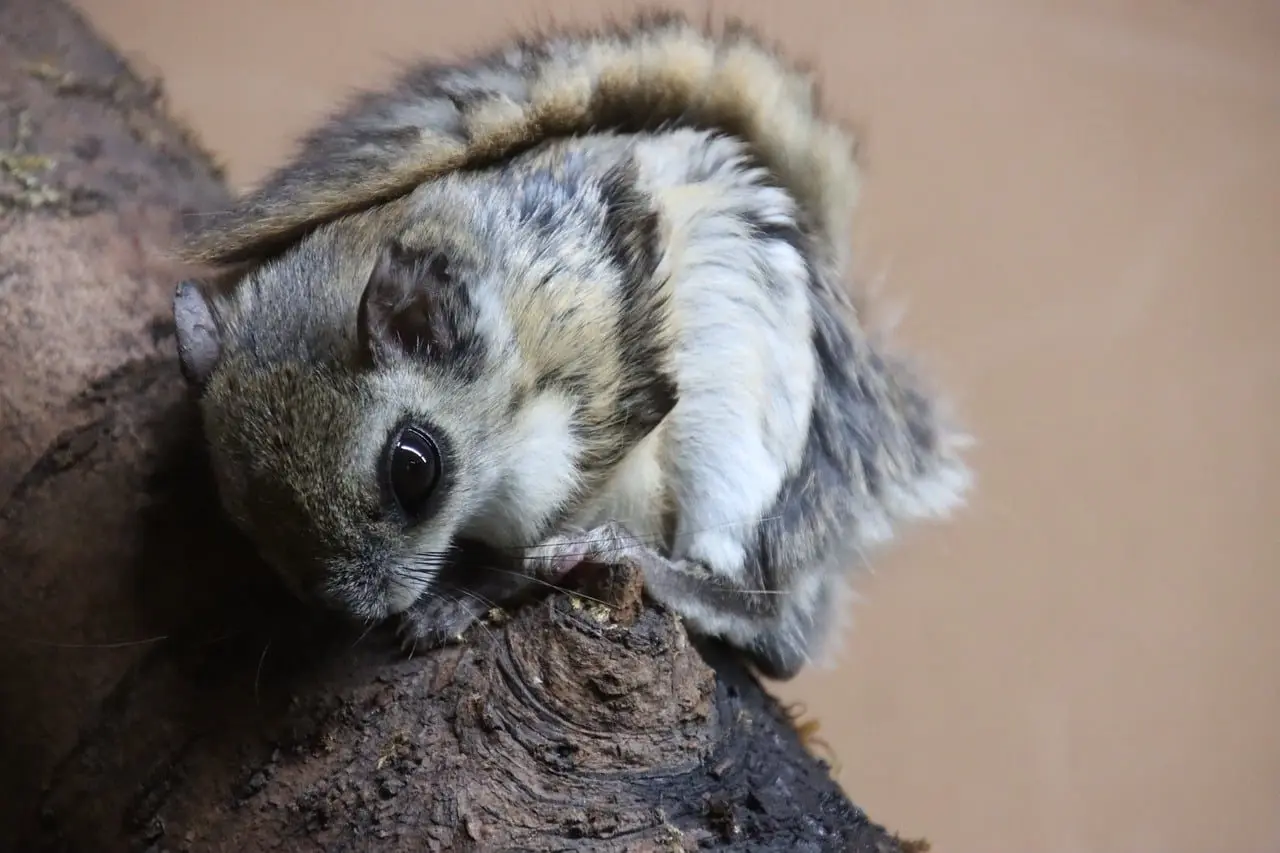
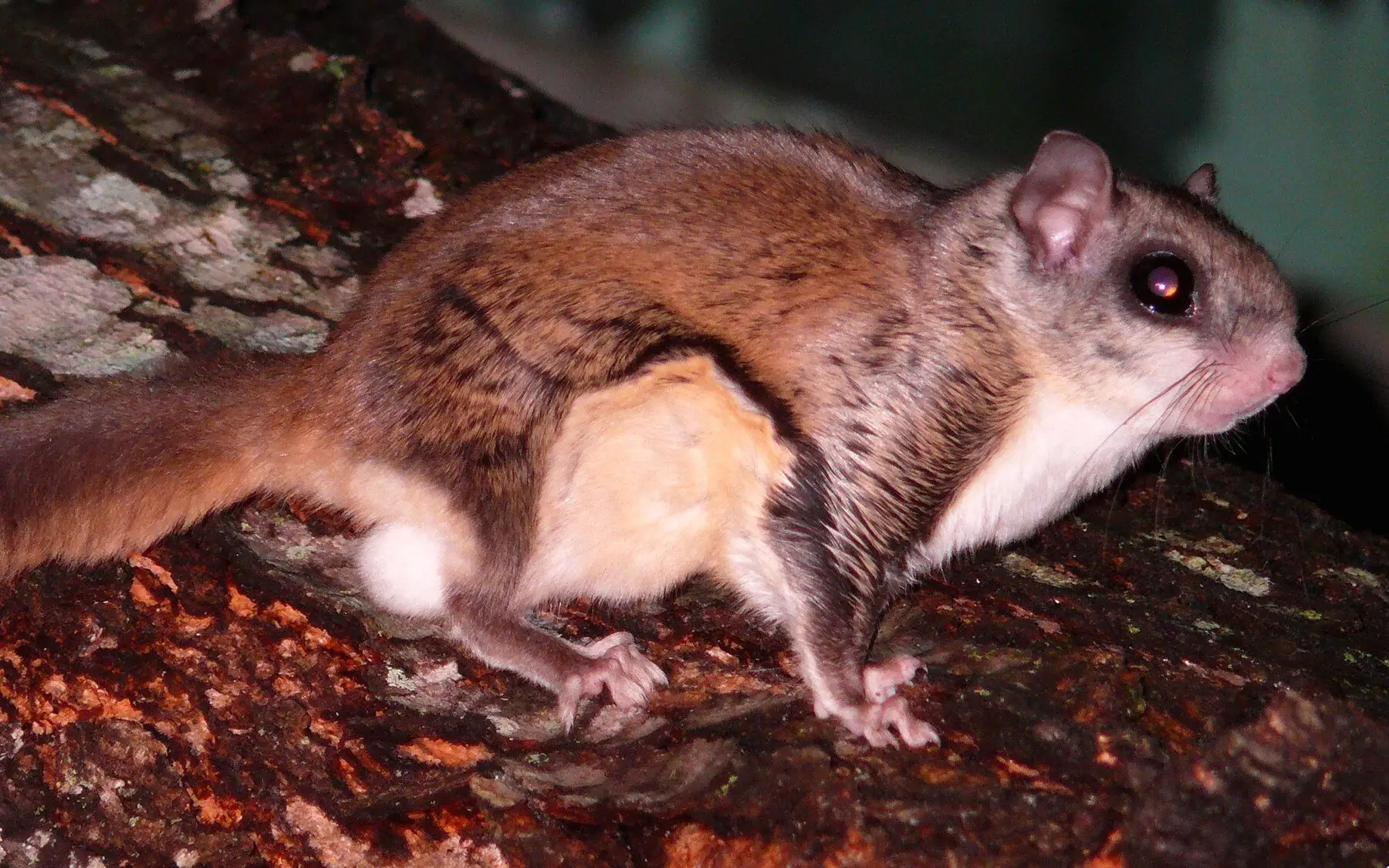
The species usually on offer is the captive-bred southern flying squirrel, in the low hundreds of dollars. Whether you may legally own one depends on your state, and the purchase price is the smallest number in the whole exercise.
Legality first, because it decides everything
| where | position |
|---|---|
| Many US states | captive-bred flying squirrels permitted, sometimes with a permit |
| Some US states | prohibited outright |
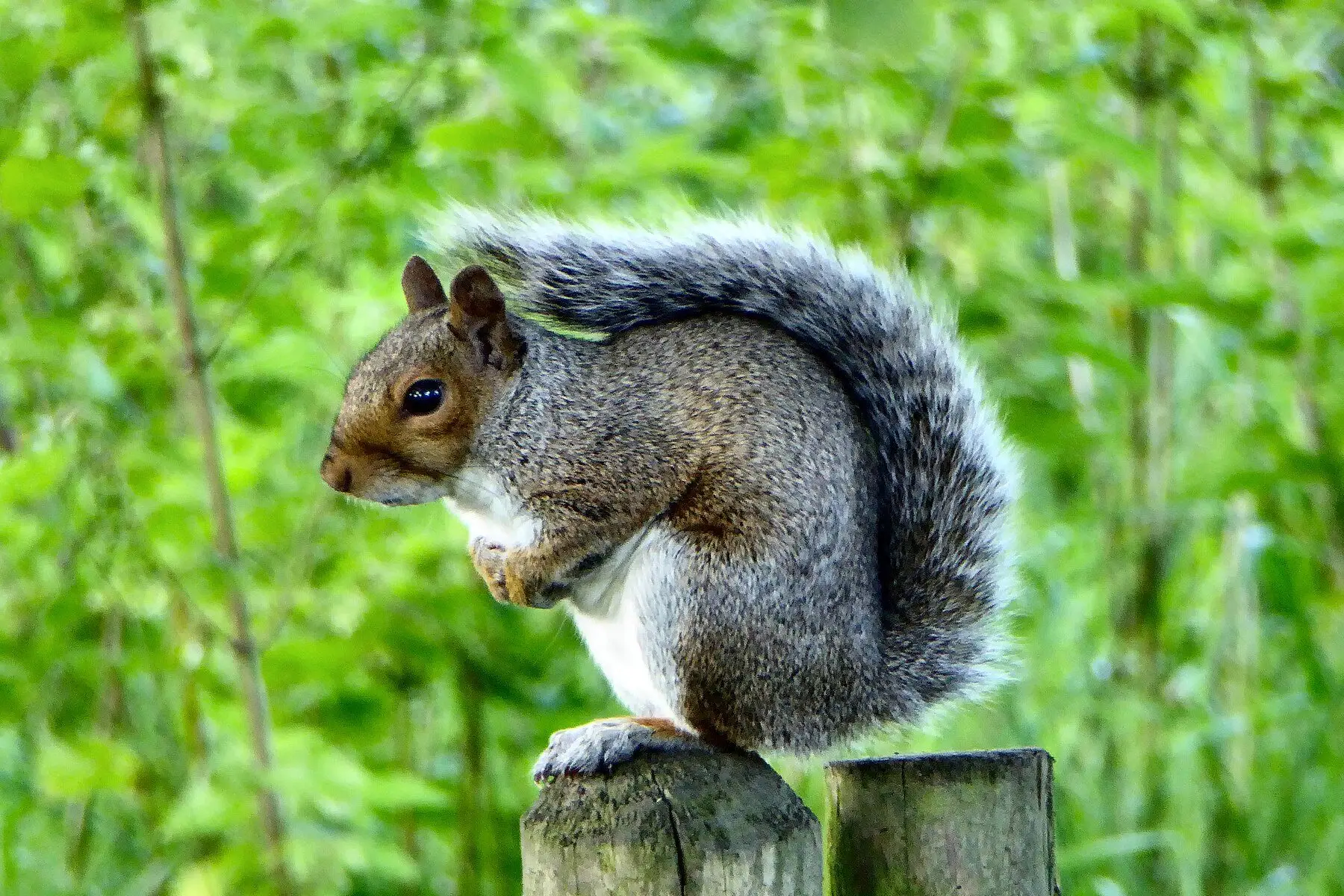
| All US states | native wild squirrels protected; taking one from the wild is illegal |
| UK | grey squirrels are a regulated invasive species — keeping or releasing is an offence; red squirrels are protected |
| EU | grey squirrel listed as an invasive alien species of Union concern |
Call your state fish and wildlife agency, or the national equivalent, before contacting a breeder. The rules change, they differ between neighbouring states, and a seller’s assurance is not a legal position.
What the purchase costs
Captive-bred southern flying squirrels from licensed breeders generally sell in the low hundreds of dollars, varying with:
- Region, and how many licensed breeders operate there
- Age — younger, hand-raised animals usually cost more
- Whether the breeder socialises them
- Permit and paperwork handling
Treat any figure you read, this one included, as an indication. Prices move, and a current quote from a licensed breeder is the only real number.
A low price is a warning sign
A cheap squirrel is usually a wild-caught one. Wild-caught animals are illegal in most places, carry parasites and disease, do not tame, and fund a trade that takes kits from nests. A licensed breeder will have paperwork and will ask you questions in return.
What it costs to keep, which is the real figure
| Caging | a tall flight cage — vertical space matters far more than floor area |
| Diet | species-appropriate mix, protein source, calcium supplement; not a seed bowl |
| Nest boxes and bedding | they are cavity nesters and need somewhere to hide |
| Enrichment | branches, ropes, wheels sized for them |
| Veterinary care | exotic specialist; expensive, and often not available locally |
| Permits | where required, with renewals |
| Time | ten years or so, and flying squirrels are nocturnal |
Find an exotic vet who will see a flying squirrel before you buy one. In many areas there is not one within a reasonable drive, and that single fact has ended more of these plans than price ever has.
Why most people should not
- They are not domesticated. Captive-bred is not tame; it is wild with less fear
- They are nocturnal. The animal is active when you are asleep
- They bond intensely with one person and can become territorial and aggressive at sexual maturity
- The bite is serious. Rodent incisors are long and sharp
- Ten years is a long commitment for an animal that needs specialist care throughout
- Rehoming is hard, because the same legal restrictions apply to whoever takes it
The found-baby question
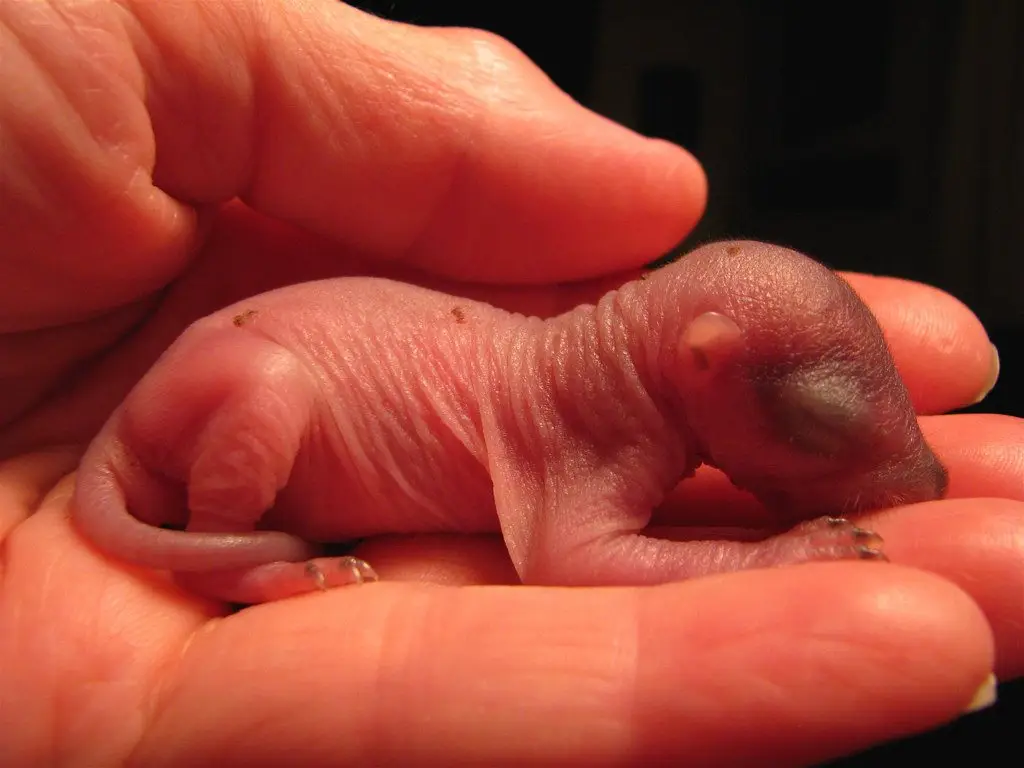
This is the version most people actually arrive at, and the answer is firm.
Do not keep it. In most jurisdictions raising a wild squirrel requires a rehabilitation licence. Beyond the law:
- Cow’s milk and human formula cause fatal diarrhoea. Kits die within days
- A cold kit cannot digest food and must be warmed before anything else
- Hand-raised squirrels are often unreleasable, and frequently become aggressive at maturity
What to do instead: keep pets away, place the kit in an open box at the base of the tree with gentle warmth underneath, watch from a distance for two to three hours — mothers routinely retrieve — and if nobody comes, call a licensed wildlife rehabilitator.
That call is free, it is legal, and it is the route by which the animal has a chance.
Common questions
Can you legally buy a squirrel as a pet?
How much do flying squirrels cost?
What does a pet squirrel actually cost to keep?
Can I keep a baby squirrel I found?
Are squirrels good pets?
Why are grey squirrels not sold as pets?
Backyard Weekly
Know what to plant, week by week
Join the weekly email for seasonal jobs, fixes for what is going wrong, and gear worth buying.
Not ready to subscribe? The planting calendar is free and needs no email.
By subscribing you agree to our privacy policy. Grow In Backyard will never sell your address.
Keep reading
Can Squirrels Be Pets? Legality, Reality and Why Not
Keeping a squirrel is illegal in most US states, and the ones raised by people usually end badly. What actually happens, and the lawful alternatives.
Where Do Flying Squirrels Live? Range, Nests and Your Attic
Flying squirrels are common across most of North America and almost never seen, because they are strictly nocturnal. Habitat, nest sites and attic signs.
What to Feed Newborn Squirrels: The Honest Answer
A cold newborn squirrel cannot digest anything, and the wrong formula kills. What to do in the first hour, and why a rehabilitator is the real answer.
How Much Does Squirrel Removal Cost? What Drives the Bill
Removal is a small part of it — exclusion and repair are where the money goes. What each line item covers, and the questions that change the quote.