
How Much Does Squirrel Removal Cost? What Drives the Bill
Removal is a small part of it — exclusion and repair are where the money goes. What each line item covers, and the questions that change the quote.
 By
On this page
The removal is the cheap part. Exclusion and repair is where the bill lands, and it scales with how much roofline needs sealing rather than how many squirrels are in it.
The four lines on a proper quote
| line | what it covers | what moves it |
|---|---|---|
| Inspection | survey, entry points, confirming the species | often free or credited |
| Removal | one-way door, traps, return visits | number of visits, not number of animals |
| Exclusion | sealing every opening in metal mesh or sheet | roofline length, access, height, number of gaps |
| Repair | chewed timber, soffit, fascia, wiring, insulation | extent of damage; the wild card |
Get these separately. A quote that gives one number for “squirrel removal” tells you nothing about whether the building is being sealed, and sealing is the only part that stops it happening again.
Why exclusion costs what it does
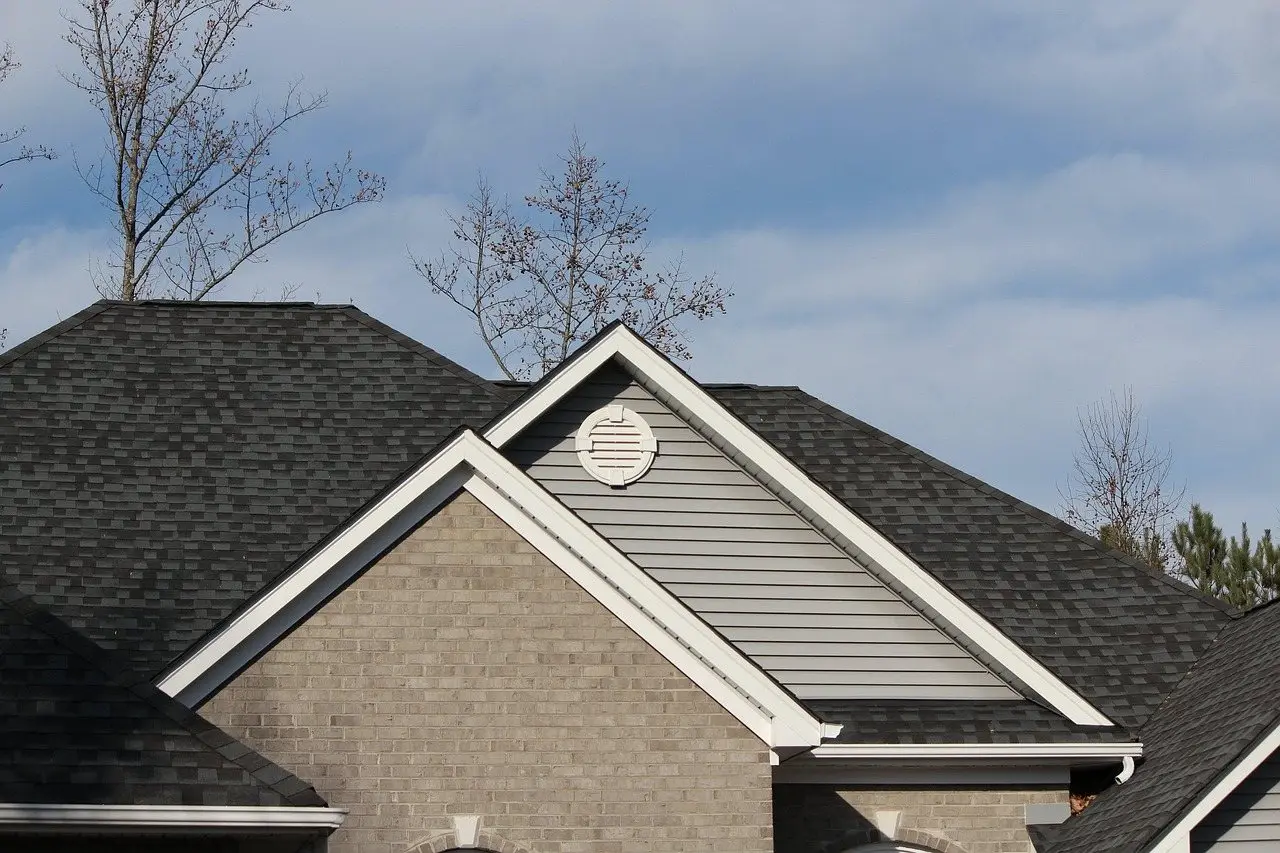
It is ladder work at roof height, and it has to be complete. A squirrel needs an opening about the size of a golf ball, and it will enlarge a smaller one with its teeth.
The work involves:
- Finding every entry point, including ones not visible from the ground
- Heavy-gauge metal mesh or sheet at each one — plastic and timber get chewed through
- Roof-wall junctions, soffit returns, fascia gaps, vent covers, and gable ends
- Chimney and flue caps
- Doing it without sealing in young
A single obvious hole on a bungalow is a short job. A Victorian house with a complicated roofline and four access points is a different scale of work, and the quote reflects the ladders rather than the squirrels.
The seasons constrain the schedule
Roughly February to April and August to October are the litter periods. A contractor who offers to seal your roof in March without checking for young is not one to use — walled-in kits die in the cavity, and the smell means opening the ceiling.
Repair, the line that can dwarf the rest
- Chewed timber, soffit and fascia — carpentry
- Wiring. Squirrels gnaw cable insulation, and this is the genuine fire risk. An electrician’s inspection is cheap against the alternative
- Insulation. Trampled, urine-soaked insulation loses its value and smells; removal and replacement of a roof space is a substantial job
- Ceiling damage from urine staining
- Sanitising the affected area
Whether your job includes any of this is the single biggest variable, and it is why two houses in the same street can get quotes that differ several-fold.
Questions that change the quote
Ask all of these before accepting anything:
- Is exclusion included, or only removal?
- How many entry points have you found, and can you show me?
- What material are you sealing with? The answer should be metal
- Is there a guarantee, how long, and what voids it?
- How many follow-up visits are included?
- What happens if you find young?
- Is repair quoted separately, and is insulation included?
- Are you licensed for wildlife work in this state or region?
Why DIY trapping is false economy
Trapping removes the individual. It does not remove the reason the individual was there: a dry, warm, sheltered cavity with a way in.
- The vacancy refills, often within weeks
- Relocating wildlife is restricted or prohibited in many jurisdictions
- Trapping and relocating a nursing female leaves kits to die in the roof
- The money spent is spent again next season
Ground-level exclusion — a deck skirt, a shed base, a gap under a step — is genuinely a reasonable DIY job with hardware cloth and an afternoon. Roof-height work on a complicated building is where paying someone makes sense.
Before you call anyone
Two free things change the situation:
- Move bird feeders 15–20 ft from the house and sweep up the spill
- Prune branches back about 10 ft from the roofline — squirrels jump 6–8 ft
Neither evicts an animal already inside. Both reduce how many are testing your roof next year, and both make the exclusion you pay for more likely to hold.
Common questions
What does squirrel removal actually cost?
Why do quotes for the same job vary so much?
Is squirrel removal covered by home insurance?
Can I do squirrel exclusion myself?
Does the price change by season?
Is it cheaper to just trap them myself?
Backyard Weekly
Know what to plant, week by week
Join the weekly email for seasonal jobs, fixes for what is going wrong, and gear worth buying.
Not ready to subscribe? The planting calendar is free and needs no email.
By subscribing you agree to our privacy policy. Grow In Backyard will never sell your address.
Keep reading
How Far to Relocate a Squirrel? Distance Is Not the Fix
Relocated squirrels mostly die, and moving one is illegal in many places. The distances people quote, why they fail, and what to do instead.
Non-Lethal Squirrel Deterrents: What Works and What Doesn't
Baffles and hardware cloth work. Ultrasonic devices, predator urine and most repellent sprays do not. Here is the evidence, sorted.

Why Do Squirrels Chew Wires? Teeth That Never Stop Growing
Squirrel incisors grow continuously and must be worn down. Why cable is the right shape and hardness for the job, and how to protect wiring properly.
How Strong Are Squirrels? Stronger Than Their Size Suggests
Bite force that cracks walnuts, a jump nine times body length, and the ability to carry nearly their own weight up a vertical trunk.