
How Long Do Bass Live in a Pond? 10 to 16 Years
Largemouth bass commonly reach 10 to 16 years in a managed pond, less in a crowded one. What shortens it, and the forage ratio that decides the outcome.
 By
On this page
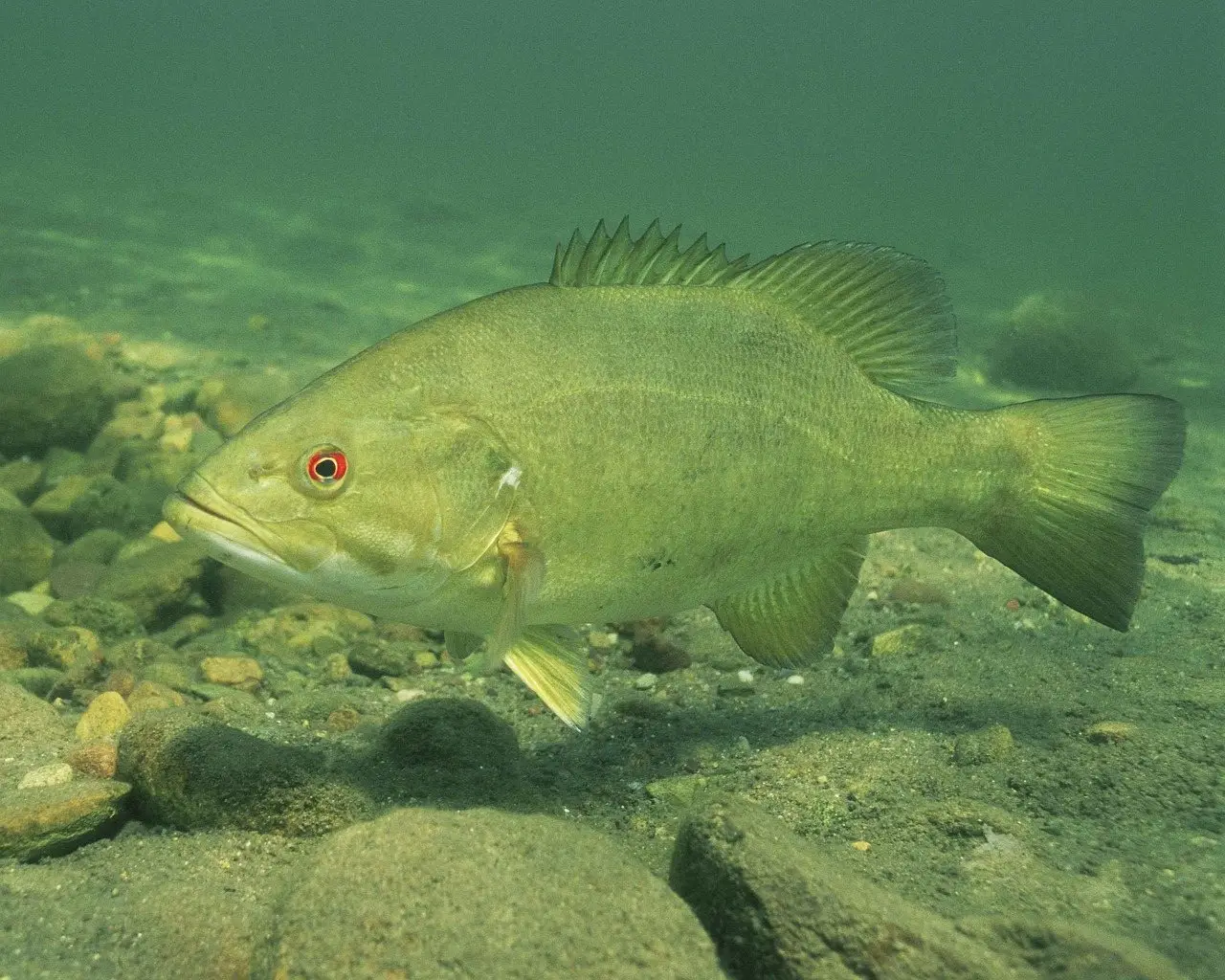
A largemouth bass in a managed pond commonly lives ten to sixteen years. In a crowded pond with too little forage, the same fish is often dead by six to eight, and small the whole time.
What the numbers look like
| condition | typical lifespan | typical adult size |
|---|---|---|
| Managed pond, good forage, 8 ft+ depth | 10–16 years | 3–8 lb |
| Northern pond, cool water, good forage | 12–16+ years | 3–6 lb |
| Crowded, forage-poor pond | 6–8 years | 10–12 in, under 1 lb |
| Shallow pond, repeated oxygen events | 2–5 years | variable, boom and crash |
Growth is fastest in the first three years, then slows. A southern pond bass may hit 12 inches in its second summer; the same fish in Minnesota might take four years.
The stunting trap, which is the usual problem
Largemouth bass breed readily in a small pond and their fry survive well. Within three or four years of stocking, a pond can hold several times the bass it has food for.
What follows is predictable:
- Every fish grows slowly
- The population tops out near 10–12 inches
- Nothing reaches a size worth catching
- Individual fish die younger, thin, with a large head relative to the body
Not stocking more bass
The instinct when a pond holds only small fish is to add more. That makes it worse. A stunted pond needs bass removed and forage protected.
The correction is deliberate harvest — commonly a few pounds of small bass per acre per year, kept up annually — plus a bluegill or golden shiner population that is actually breeding and not being eaten faster than it reproduces.
The forage side
- Stock forage first. Bluegill or shiners go in a full season ahead of the bass so they have bred before predation starts
- Roughly 10 forage fish per bass is the common starting ratio
- Keep structure. Brush piles, weed beds and drop-offs give small forage fish places to escape to, which is what lets the forage population survive the bass
- Fertility matters. A sterile, clear pond grows less of everything; a pond with moderate plankton supports far more fish per acre
Oxygen is what kills them suddenly
Bass have the highest oxygen demand of the fish usually in a backyard pond, and large bass have more than small ones, so an oxygen event removes exactly the fish you care about.
Two patterns cause nearly all of it:
- Summer. A hot, still spell, a heavy algae bloom, then the bloom dies and decomposes. Oxygen falls overnight. Fish are at the surface at dawn; by midday the large ones are dead
- Winter. Ice plus snow cover blocks light and gas exchange for weeks. Decomposition uses the remaining oxygen under the ice
Both are preventable to a degree: keep an area at least eight to ten feet deep in cold climates, avoid heavy nutrient input from lawn fertiliser and runoff, and clear a patch of snow off the ice in a long freeze. Aeration addresses both and is the single most effective piece of equipment a bass pond can have.
The other things that shorten it
- Herons and otters take a real share in small ponds, and a heron can clear a lot of a one-year class
- Spring angling pressure on nest-guarding males, which are easy to catch and leave the nest exposed when removed
- Catch-and-release handling in warm water. A bass played hard at 80°F water temperature and held for photographs often does not survive, even if it swims away
- Heavy weed growth, which both drops oxygen at night and gives forage so much cover that bass starve in a pond that looks full of fish
A pond that holds a few big bass for a decade and more is a pond that is thinned every year, has an oxygen plan, and had its forage established before the predators arrived.
Common questions
How long do largemouth bass live in a pond?
Why are the bass in my pond small and not growing?
What is the right bass-to-bluegill ratio for a pond?
Do bass need a certain pond depth to survive winter?
What kills bass in a backyard pond?
How big can a pond bass get?
Backyard Weekly
Know what to plant, week by week
Join the weekly email for seasonal jobs, fixes for what is going wrong, and gear worth buying.
Not ready to subscribe? The planting calendar is free and needs no email.
By subscribing you agree to our privacy policy. Grow In Backyard will never sell your address.
Keep reading
How Big a Pond Do You Need for Bass?
Half an acre and eight feet deep is the practical floor for a self-sustaining bass pond. What smaller ponds can and cannot support.
How to Stock a Pond (Including for Free)
Stocking ratios that work, what it costs, and the free routes — state hatchery programs, pond transfers, and why natural colonisation is slower than claimed.
Best Fish for a Small Pond (And How Many It Holds)
Goldfish and shubunkins suit small ponds; koi do not. Stocking limits by volume, which species survive a frozen winter, and what actually eats algae.
How Long Does Pond Dye Last? Four to Eight Weeks
Pond dye typically holds four to eight weeks, less in shallow water or after heavy rain. What shortens it, how much to use, and whether it is safe.