
How Far Apart Should Birdhouses Be? It Depends on Species
Most songbirds want 100 to 200 feet between boxes, but bluebirds pair at 15 feet and martins nest in colonies. Spacing is a territory question.
 By
On this page
100 to 200 feet for most songbirds — because spacing is really a territory question, not a tidiness one. But the exceptions are large enough to matter: bluebirds get paired at 15 feet, and martins want boxes grouped together.
Spacing by species
| Species | Spacing |
|---|---|
| Most songbirds (chickadee, titmouse, wren, nuthatch) | 100–200 ft |
| Bluebird | Paired at 10–20 ft, pairs 100+ ft apart |
| Purple martin | Grouped — colonial |
| Different species | Much closer is fine |
The bluebird pairing trick
Two boxes close together, on purpose
Tree swallows compete with bluebirds for boxes. Put two boxes 10 to 20 feet apart and a swallow pair claims one — then defends the area against other swallows, leaving the second box free for bluebirds.
You are recruiting one competitor to exclude the rest.
Why more boxes is not more birds
In a typical quarter-acre garden: realistically one or two boxes per species, plus boxes for different species elsewhere.
Six boxes does not produce six nesting pairs. It produces one or two occupied and four ignored. Fewer boxes, well sited and properly spaced, consistently do better.
If a box goes unused
Spacing is only one cause. Check the others:
- Hole size wrong for the target species
- Wrong mounting height
- Too much sun on the box
- No clear flight path to the entrance
- A perch below the hole — this mainly helps predators
- Reachable by a cat
A box empty in its first season is normal
Birds often prospect one year and occupy the next. Leave it up.
Which way to face it
- Away from prevailing wind and driving rain
- Away from full afternoon sun — a hole facing a hot west afternoon can overheat nestlings
- In practice, somewhere between north and east in most of the northern hemisphere
- A slight downward tilt keeps rain out of the entrance
The two that break the rules
- Hummingbirds do not use nest boxes at all. They build tiny open cup nests on branches
- Purple martins want multiple compartments grouped in one unit, in the open, 30 to 120 feet from human housing and well away from tall trees
Applying songbird spacing to martins is a common reason martin housing stays empty.
Common questions
How far apart should birdhouses be?
Can you put two birdhouses close together?
How many birdhouses can one yard support?
Why won't birds use my birdhouse?
Which direction should a birdhouse face?
Does spacing matter for hummingbirds or purple martins?
Backyard Weekly
Know what to plant, week by week
Join the weekly email for seasonal jobs, fixes for what is going wrong, and gear worth buying.
Not ready to subscribe? The planting calendar is free and needs no email.
By subscribing you agree to our privacy policy. Grow In Backyard will never sell your address.
Keep reading

Best Binoculars for Backyard Bird Watching — 6 Picks
For the best binoculars for backyard bird watching, close focus beats magnification. 6 pairs compared across budgets. See which hits yours.
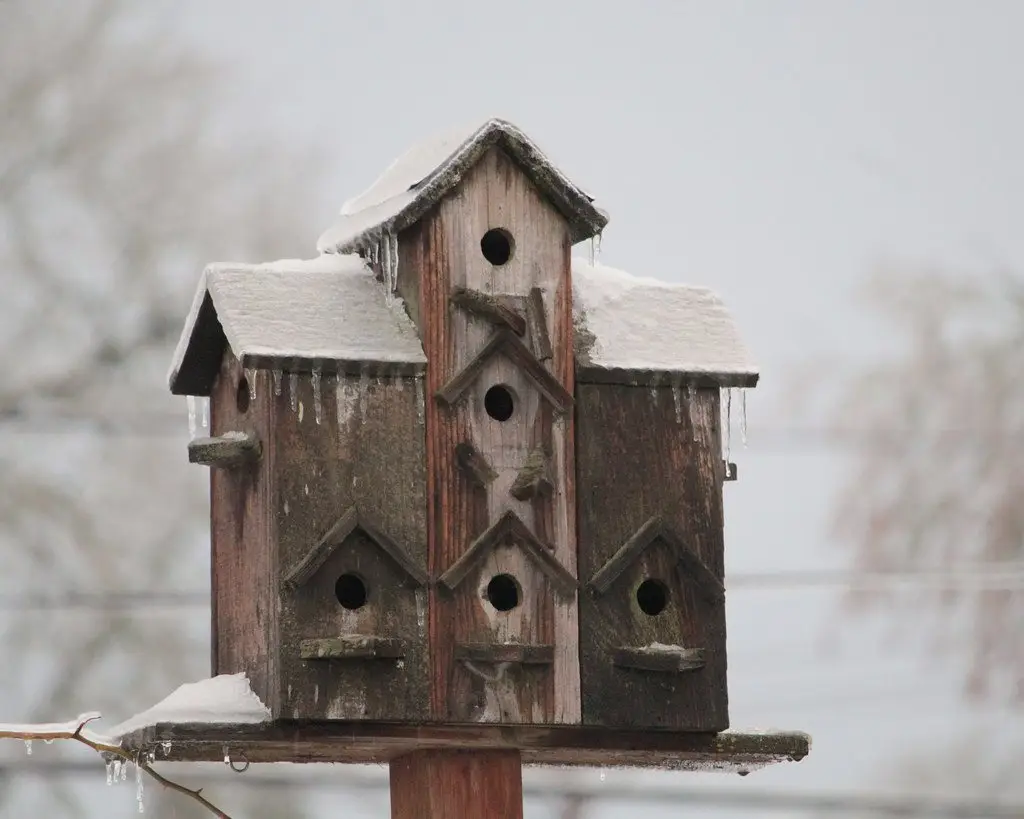
Do Birds Use Birdhouses in Winter? Yes — as Roosts, Not Nests
Birds shelter in boxes overnight through winter, sometimes a dozen at once. Why you should leave boxes up, and the two changes that make one a better roost.
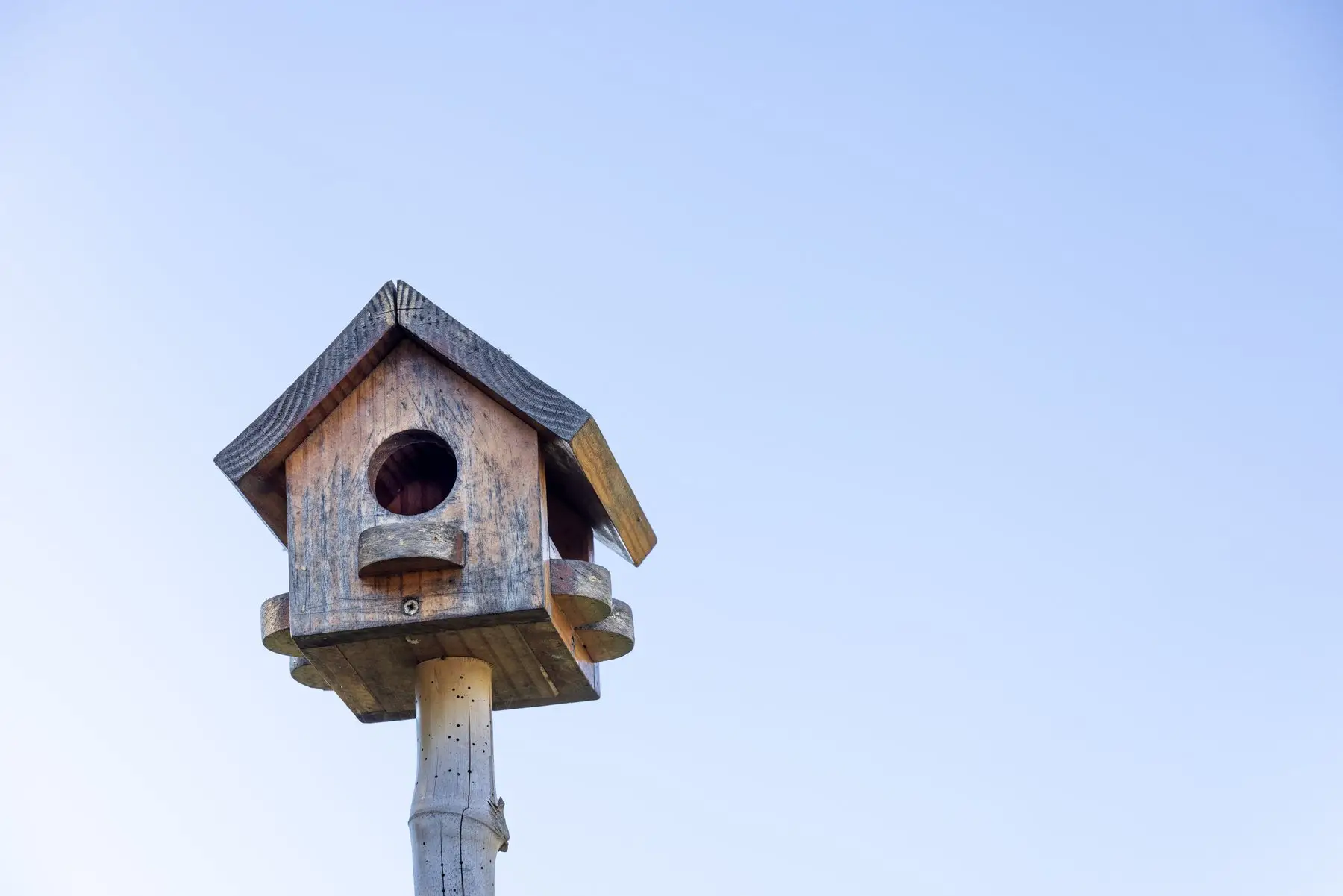
Should You Paint a Birdhouse? Outside Only, Pale, and Why
Paint the outside in a pale, dull colour and leave the inside and the entrance bare. What is safe, what cooks a brood, and the best wood to build from.
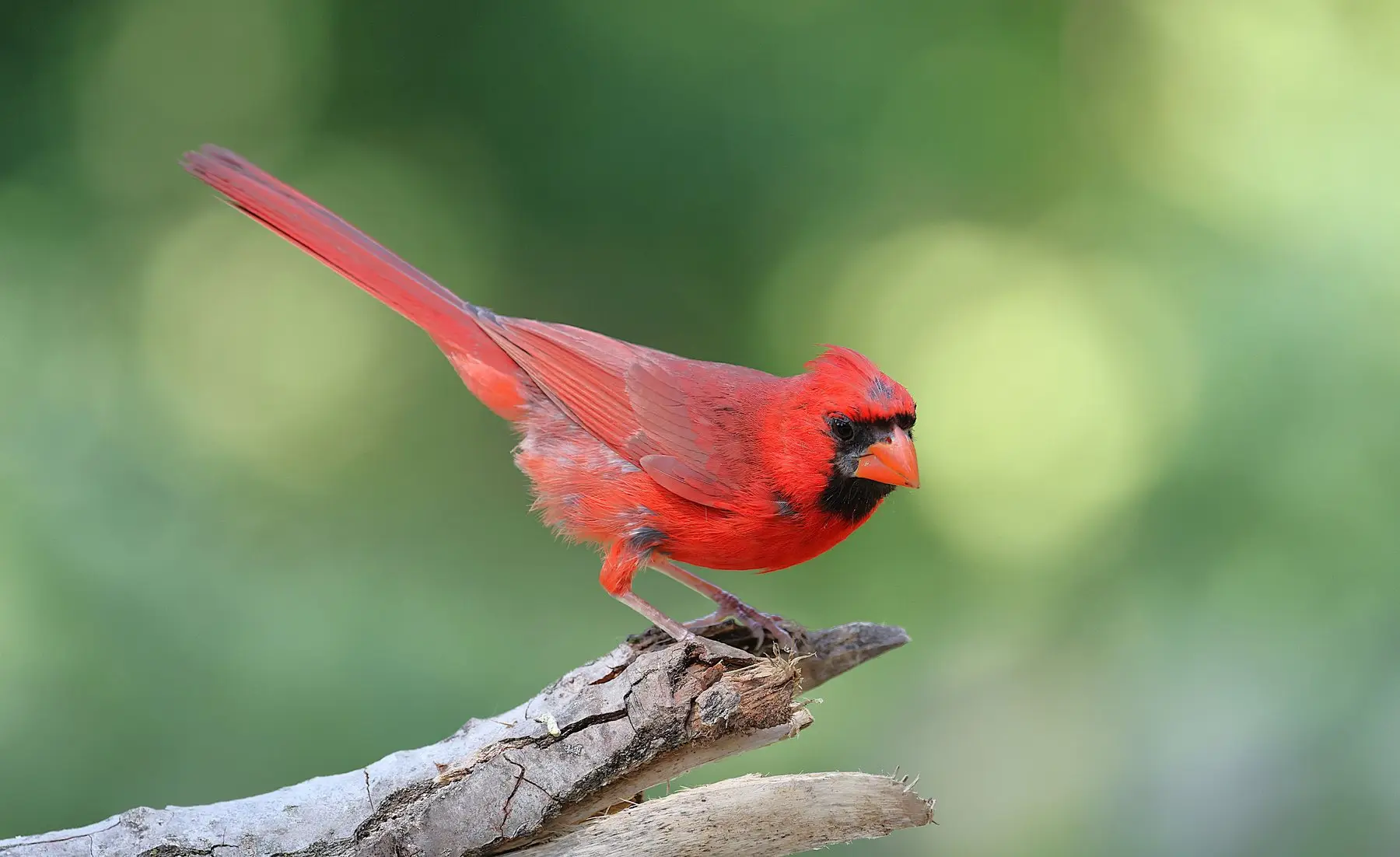
Do Cardinals Nest in Birdhouses? No, and What They Use Instead
Cardinals are not cavity nesters, so a birdhouse will never suit them. What they actually build in, and the open platform that sometimes works.