
Do Cardinals Nest in Birdhouses? No, and What They Use Instead
Cardinals are not cavity nesters, so a birdhouse will never suit them. What they actually build in, and the open platform that sometimes works.
 By
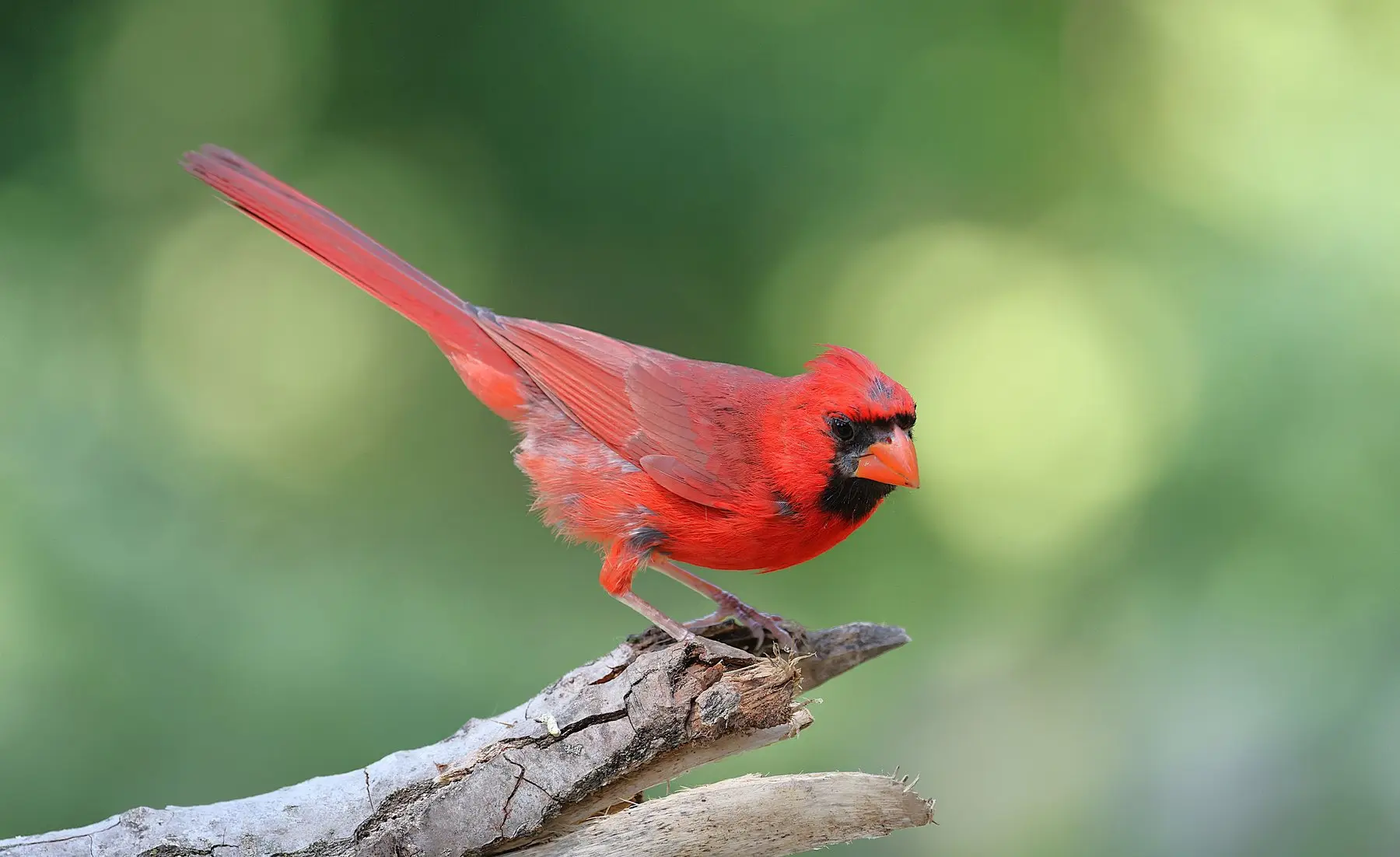
On this page
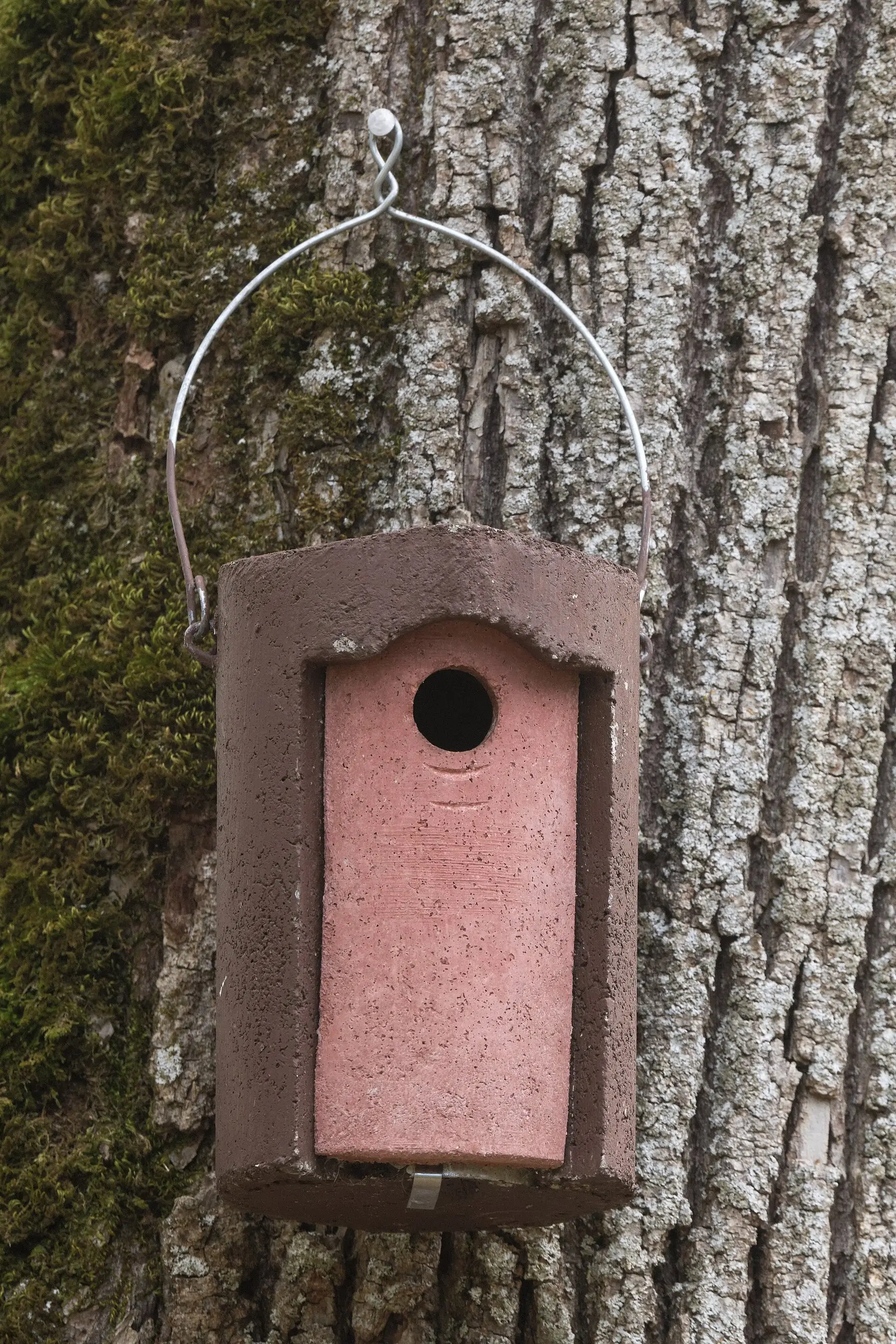
No — and not because the box is wrong, but because cardinals are not cavity nesters at all. No hole size, height or placement changes that.
Cavity nesters and everyone else
| Uses a birdhouse | Does not |
|---|---|
| Chickadees, titmice, nuthatches | Cardinals |
| Bluebirds | Robins |
| House and Carolina wrens | Finches (mostly) |
| Tree and violet-green swallows | Jays |
| Purple martins | Mourning doves |
| Screech owls, kestrels | Orioles |
| Woodpeckers | Catbirds, thrashers |
| House sparrows, starlings | Sparrows (native) |
The split is evolutionary. Species that would naturally nest in a tree hole take to a box; species that build in the open never do, whatever you offer them.
What cardinals actually build in
- Dense, tangled cover, three to ten feet up
- Thorny or thickly twigged — honeysuckle, brambles, hawthorn, dogwood, elderberry
- Grapevine tangles, a particular favourite
- Thick evergreen shrubs
- An open cup of twigs, bark strips, grass and rootlets, built by the female in three to nine days
- Two or three broods a season, usually in different spots
The nest’s whole defence is being hard to see and hard to reach. That is why density matters more than any other feature, and why a tidy garden holds fewer cardinals than a scruffy one.
Leave one corner untidy
A thicket you have not pruned is worth more to a nesting cardinal than anything you can buy.
Honeysuckle over a fence, a bramble patch in a back corner, an unpruned hawthorn — all of them outperform a nest box by a wide margin, because they are what the bird is actually looking for.
The open shelf
The one structure worth trying: a three-sided box with an open front, mounted in cover rather than in the open.
- Roughly 7 × 7 inches, with a roof and an open front
- 6 to 10 feet up, sheltered, screened by foliage
- Untreated wood, drainage holes in the floor
- Expect inconsistency. Robins and phoebes take to these readily; cardinals much less so
Worth putting up. Not worth relying on.
Attracting them properly
For nesting:
- Plant dense native shrubs — the single most effective thing
- Keep some thicket rather than clearing everything
- Avoid pesticides. Nestlings are fed almost entirely on insects, even though the adults eat mainly seed
For feeding:
- Sunflower and safflower seed — both favourites, and safflower has the advantage of being refused by grackles and starlings. Our guide to the best bird seed for cardinals compares the two
- Platform or hopper feeders. Cardinals are heavy and poor clingers, and struggle on small-perch tube feeders. Feeder design matters more than seed choice for this species
- Feed early and late. Cardinals are among the first birds at a feeder at dawn and the last at dusk
- A water source, kept clean and ice-free in winter
The window thing
A separate and very common cardinal complaint: a male attacking a window repeatedly through spring.
He is fighting his own reflection, having identified it as a rival in his territory. It can go on for weeks and occasionally injures the bird.
The fix has to be on the outside of the glass — soap, external screens, netting or decals on the outer surface. Anything placed inside does not remove the reflection, which is why interior fixes reliably fail.
It stops once the breeding season passes.
Common questions
Do cardinals nest in birdhouses?
What do cardinals build their nests in?
Is there any box a cardinal will use?
How do I attract cardinals to my yard then?
Why does a cardinal keep attacking my window?
Which birds do use birdhouses?
Backyard Weekly
Know what to plant, week by week
Join the weekly email for seasonal jobs, fixes for what is going wrong, and gear worth buying.
Not ready to subscribe? The planting calendar is free and needs no email.
By subscribing you agree to our privacy policy. Grow In Backyard will never sell your address.
Keep reading
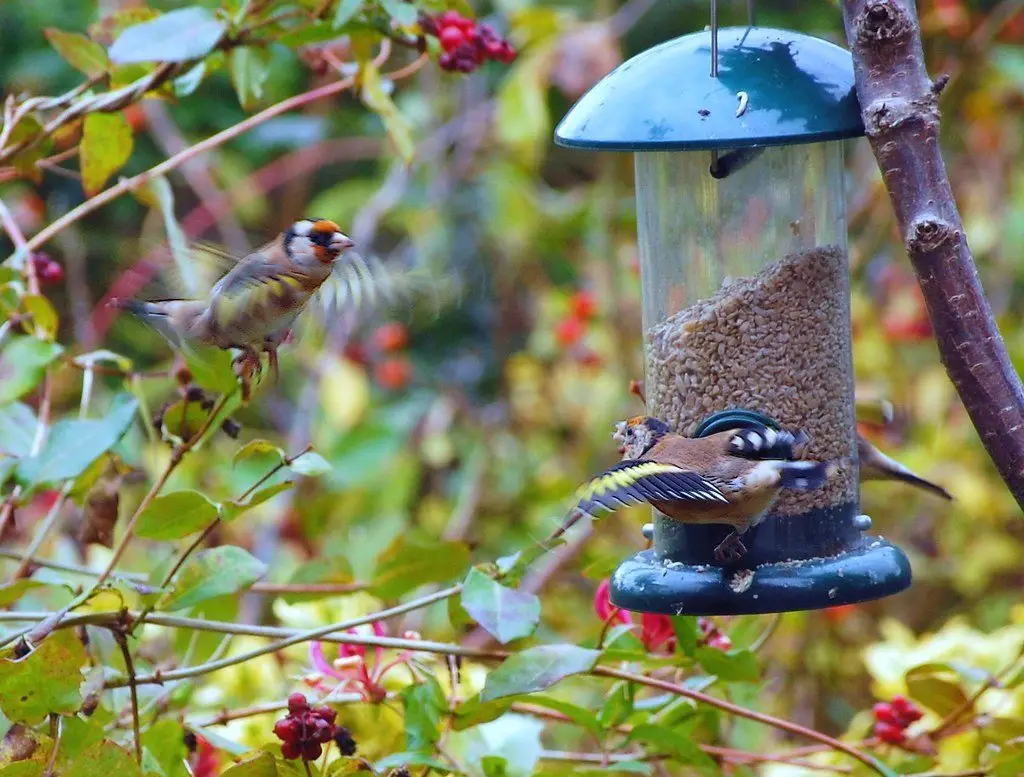
Best Bird Food to Attract Colorful Birds — 6 by Species
The best bird food to attract colorful birds changes by species. 6 foods matched to cardinals, orioles, bluebirds and more. See which to put out first.
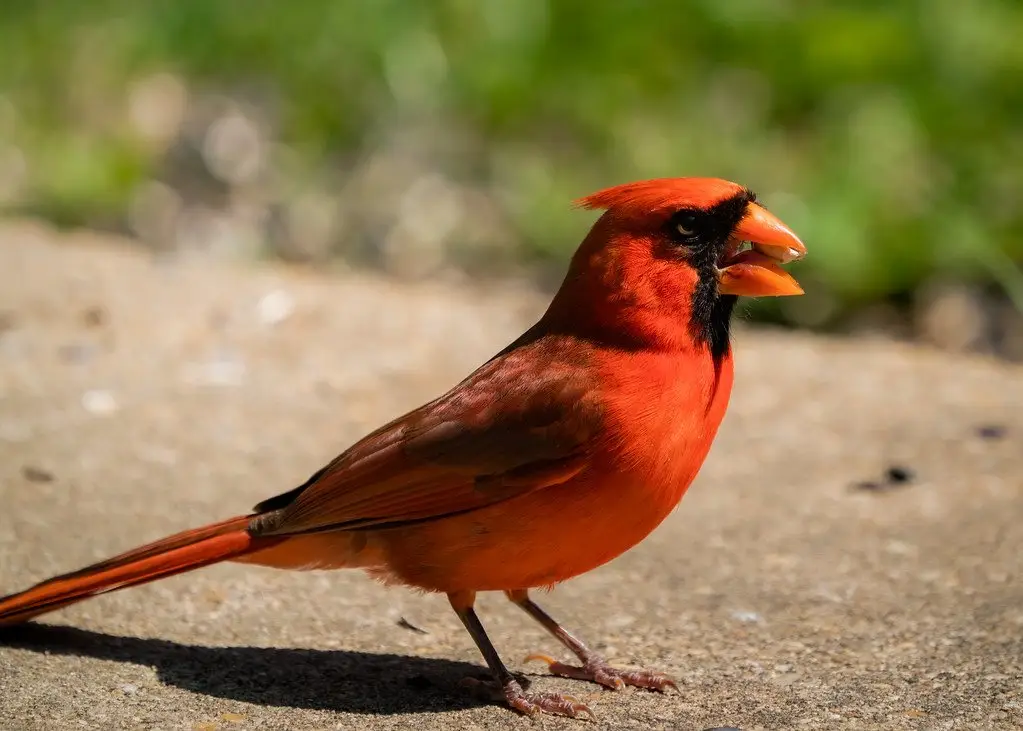
Best Bird Seed for Cardinals — 5 Picks, Safflower First
The best bird seed for cardinals is safflower, which squirrels leave alone. 5 seeds compared on pull, cost and mess. See which suits your feeder.
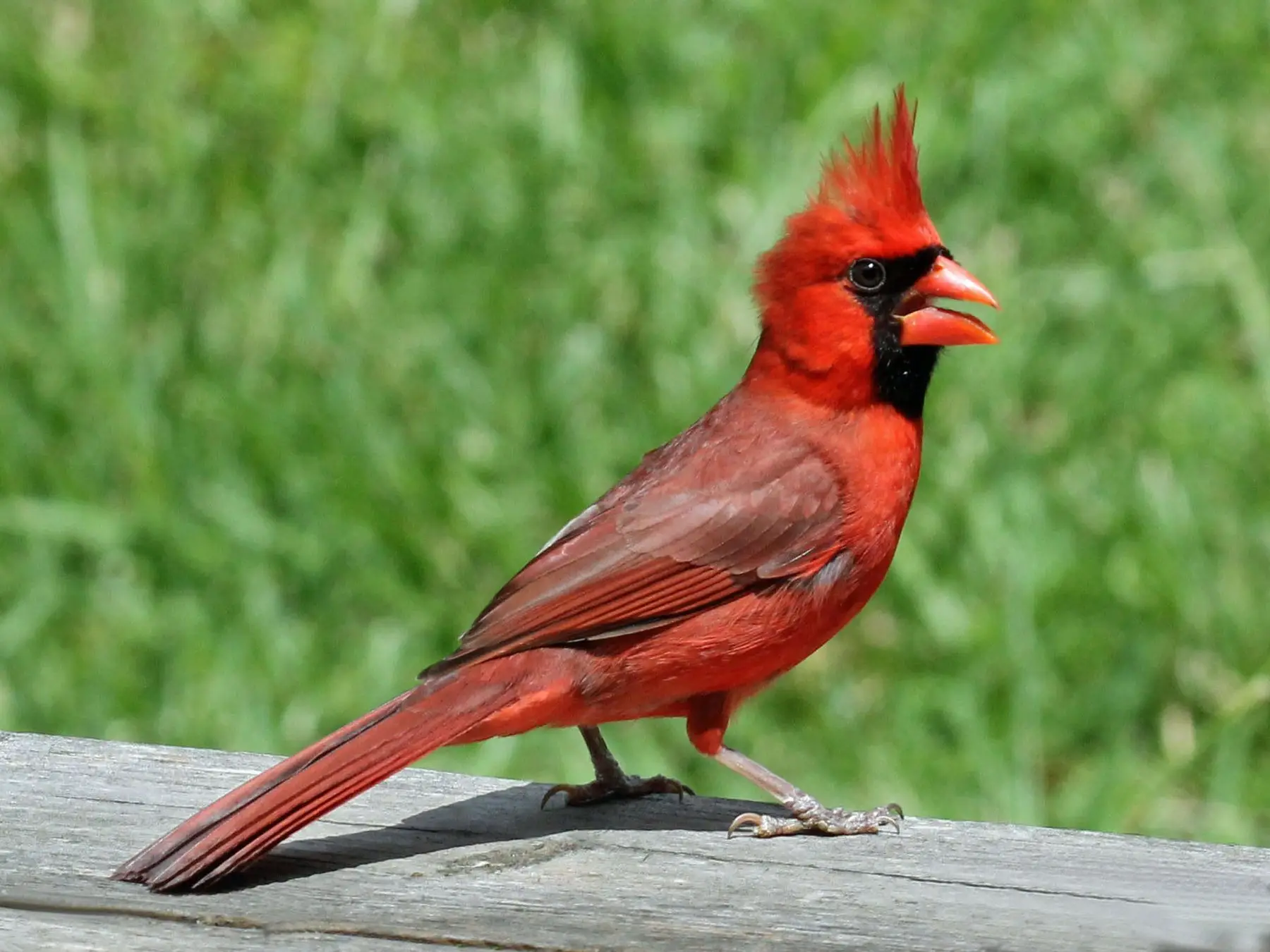
Cardinal Flying Into Window: Why It Happens and How to Stop It
A cardinal attacking a window is fighting its own reflection, usually in spring. Why it targets cardinals specifically, and the fix that actually works.
Bird House Hole Size: The Number That Picks the Tenant
Entrance diameter decides which species can use a box and which predators cannot. A size chart, the dimensions that go with each, and why perches are harmful.