
How Do Skunks Get In Your Backyard? Gaps and Grubs
Skunks walk in under fences, through gaps as small as 10 cm, and stay for grubs, pet food and the space under a deck. The entry points to close.
 By
On this page
Skunks come in at ground level, through a gap you would not think twice about. What keeps them coming back is almost always the grubs in the lawn.
Where they get in
| route | what it looks like |
|---|---|
| Under a gate | a 10 cm strip of daylight at the bottom |
| Washed-out fence line | shallow hollow where water runs |
| Dug entrance | fresh soil fan against a solid fence |
| Broken board | one missing or rotted picket |
| Drainage gap | culvert or French drain outlet |
What tells you it is a skunk and not something else
| sign | skunk | raccoon |
|---|---|---|
| Lawn damage | small neat cones, 5 cm across | turf rolled back in sheets |
| Entry height | ground level only | climbs readily |
| Droppings | tubular, insect parts visible | blunt, often on a flat surface |
| Smell | obvious | none |
Cone-shaped divots in a lawn, appearing overnight, are grub hunting. Turf peeled back like carpet is a raccoon.
Fix the grubs and the visits usually stop
Skunk lawn digging is a symptom. If the lawn is being worked over nightly, the question to answer is why there are enough chafer or Japanese beetle larvae to be worth the effort.
Never seal a den without checking it is empty
Pack the entrance loosely with newspaper and watch it for two or three nights. In spring there may be kits inside, and sealing them in is both inhumane and a smell you will not forget.
Common questions
How do skunks get in your backyard?
What attracts skunks to a garden?
Can skunks climb fences?
How do you block them out?
Are skunks actually a problem?
How do you get a skunk to leave on its own?
Backyard Weekly
Know what to plant, week by week
Join the weekly email for seasonal jobs, fixes for what is going wrong, and gear worth buying.
Not ready to subscribe? The planting calendar is free and needs no email.
By subscribing you agree to our privacy policy. Grow In Backyard will never sell your address.
Keep reading

How to Get Rid of a Skunk Under a Deck Without Being Sprayed
Skunks under a deck leave on their own if you make the space unpleasant. The one-way door method, the timing that avoids trapping kits, and warning signs.
Can a Skunk Climb a Chain-Link Fence? Spotted Yes
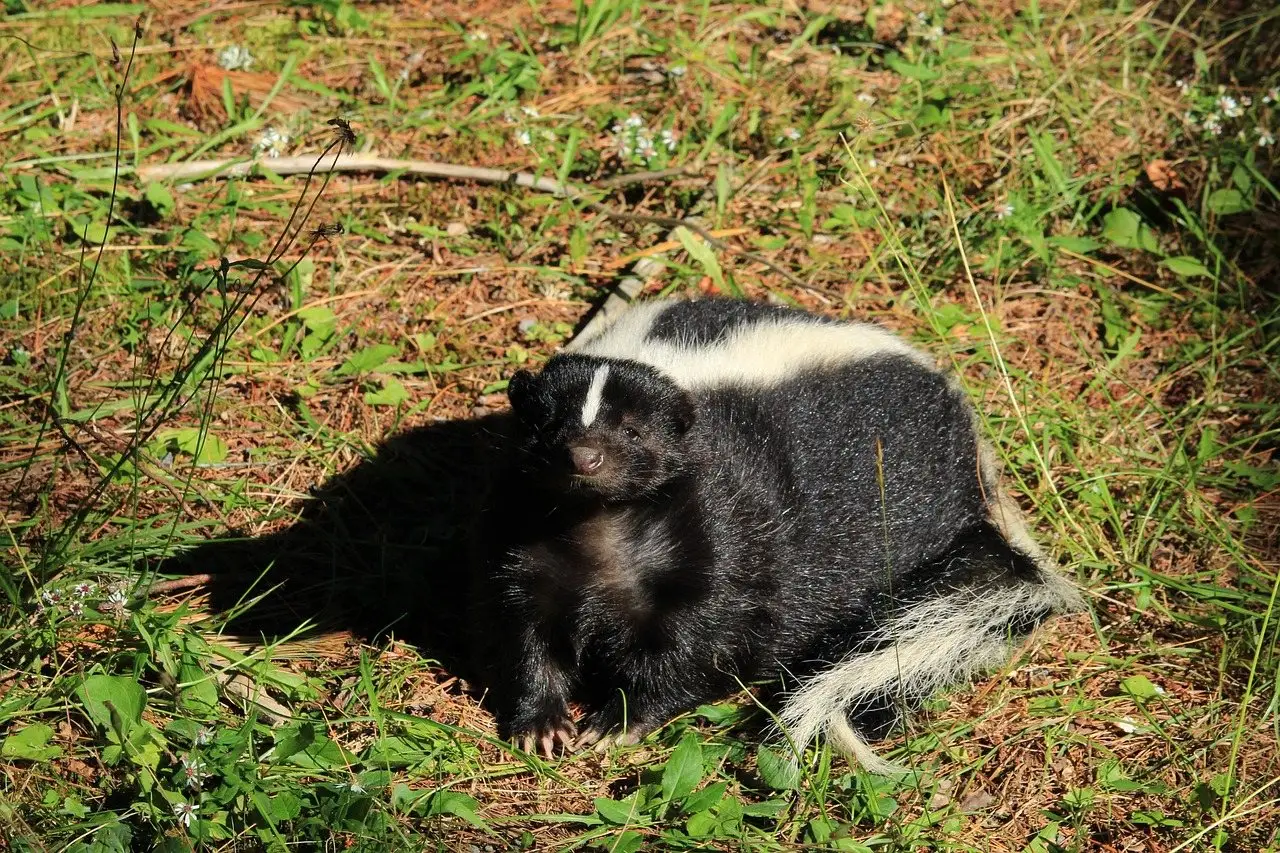
Striped skunks are poor climbers and dig under instead. Spotted skunks climb readily. Which you have decides what the fence needs.
Can Skunks Climb Stairs? Yes, and Decks Are the Problem
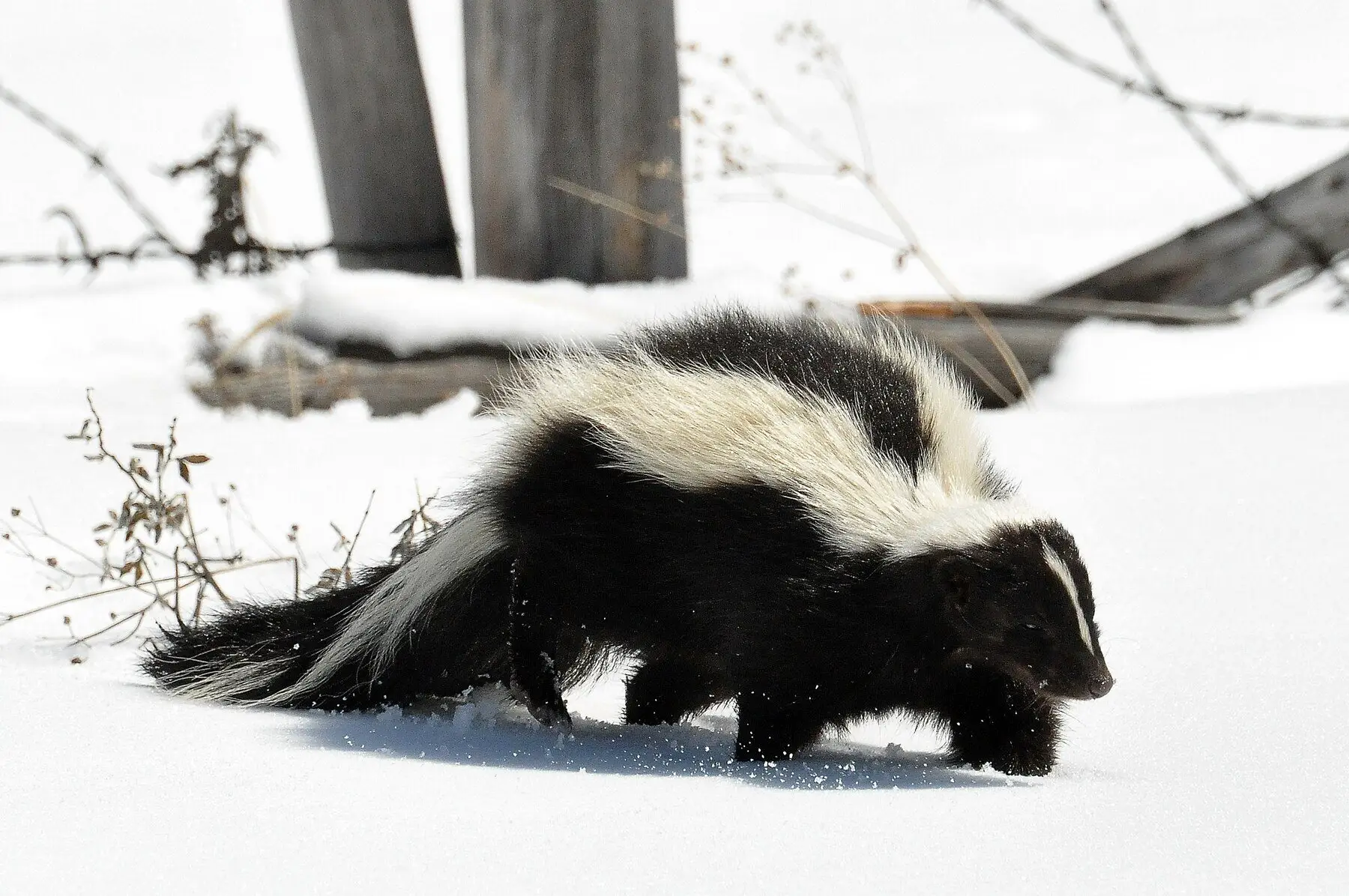
Skunks climb stairs, low walls and ramps easily but are poor at anything vertical. What that means for decks, porches and getting one back out.

How Do Squirrels Affect Oak Trees? Planting and Damage
Squirrels plant red oaks by caching bitter acorns they never recover — and strip bark from young oaks. The two effects pull in opposite directions.