
Can a Skunk Climb a Chain-Link Fence? Spotted Yes
Striped skunks are poor climbers and dig under instead. Spotted skunks climb readily. Which you have decides what the fence needs.
 By
On this page
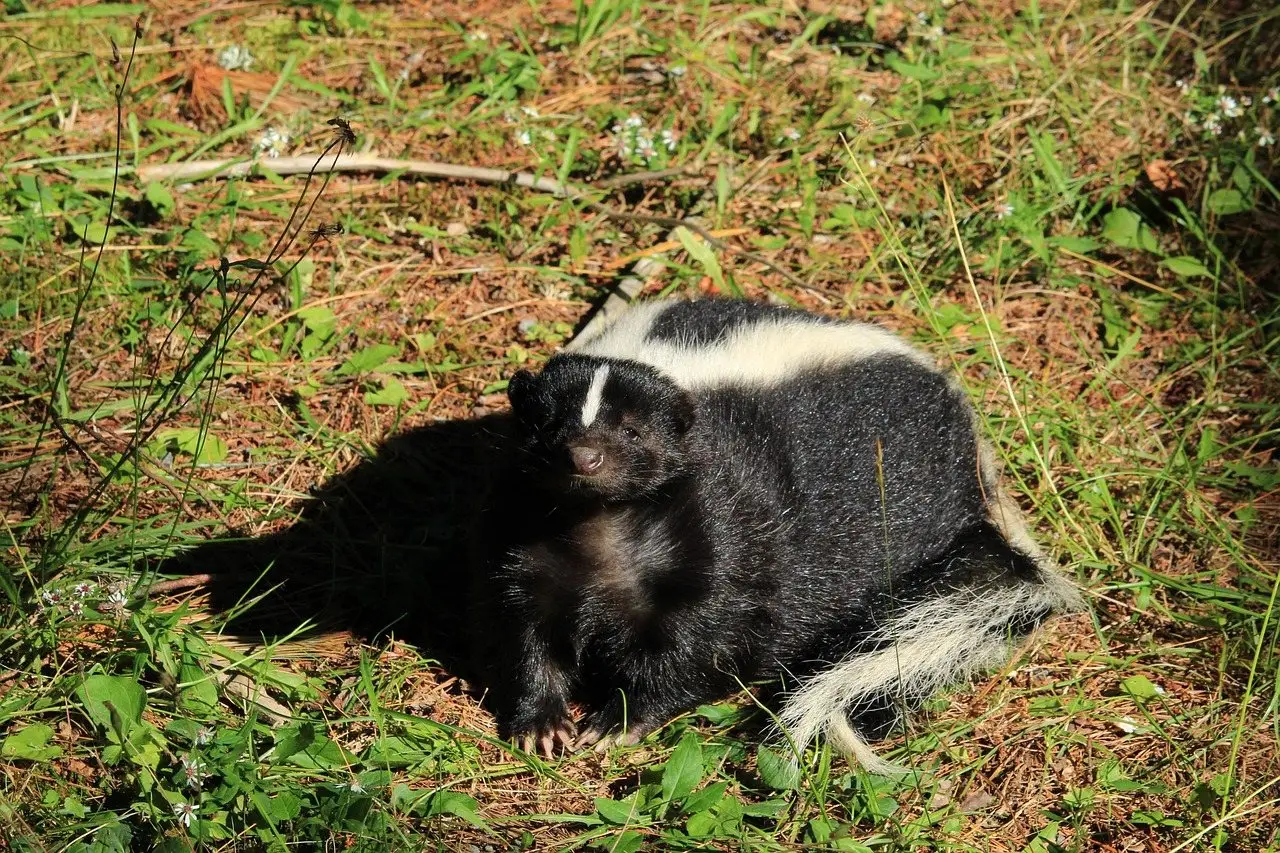
Which skunk you have decides the answer. The common striped skunk is a digger with blunt excavating claws; the spotted skunk climbs fences and trees.
Telling them apart
| striped skunk | spotted skunk | |
|---|---|---|
| Weight | 2.5–6 kg | under 1 kg |
| Pattern | two broad white stripes | broken spots and squiggles |
| Climbs | poorly | readily |
| Digs | extensively | some |
| Threat display | stamp, raised tail | handstand |
Where a striped skunk gets in
| route | fix |
|---|---|
| Under chain link at ground level | buried apron, 30 cm, turned outward |
| Gap under a gate | board or brush strip |
| Another animal’s hole | fill and screen |
| Under a deck or shed | one-way exclusion door, then mesh |
Do not flush a skunk out of a den
Cornering one is how people and dogs get sprayed, and a den in spring may hold young. Fit a one-way exclusion door at dusk after the animal has left, confirm no activity for several nights, then screen the gap permanently.
What brings them in
- Chafer grubs and leatherjackets in the lawn — the digging is them helping, in a way you dislike
- Fallen fruit under trees
- Pet food left out overnight
- Unsecured bins and compost with kitchen scraps
- Shelter under decks, sheds, porches and crawl spaces
Deal with the grubs, not the skunk
Small conical holes and lifted turf mean grubs. Treating those with the matching nematode removes the reason skunks, badgers, crows and foxes are all digging — and chasing the animals off leaves the grass dying anyway.
Common questions
Can a skunk climb a chain-link fence?
How do I tell the two apart?
So how is a striped skunk getting into my yard?
What actually keeps skunks out?
Will a skunk under my deck spray?
Are skunks worth excluding at all?
Backyard Weekly
Know what to plant, week by week
Join the weekly email for seasonal jobs, fixes for what is going wrong, and gear worth buying.
Not ready to subscribe? The planting calendar is free and needs no email.
By subscribing you agree to our privacy policy. Grow In Backyard will never sell your address.
Keep reading
Do Possums Live Underground? Where Opossums Actually Den
They use burrows constantly and almost never make them. Whose holes they take, why they move every few days, and how to tell one from a groundhog's.

Are Groundhogs Bad for Your Backyard? Burrows Are the Issue
Garden damage is real but modest; the burrow under a shed, deck or retaining wall is the expensive part. How to judge which you have.
Grub Worm: How to Tell If You Have Them, and When to Treat
Most lawns carry grubs harmlessly. The threshold is 6 to 10 per square foot — how to count them, and why timing matters more than the product.
Can Cats and Squirrels Be Friends? No — One Is Prey
Viral videos show tolerance, not friendship. What cat predation actually does to squirrel populations, and why a fed squirrel is at more risk.