
Do Squirrels Take Naps? Most of the Day, Actually
Squirrels sleep around 14 hours a day in short bouts, and the flat-out sprawl on a hot branch is not sleep at all. What splooting is.
 By
On this page
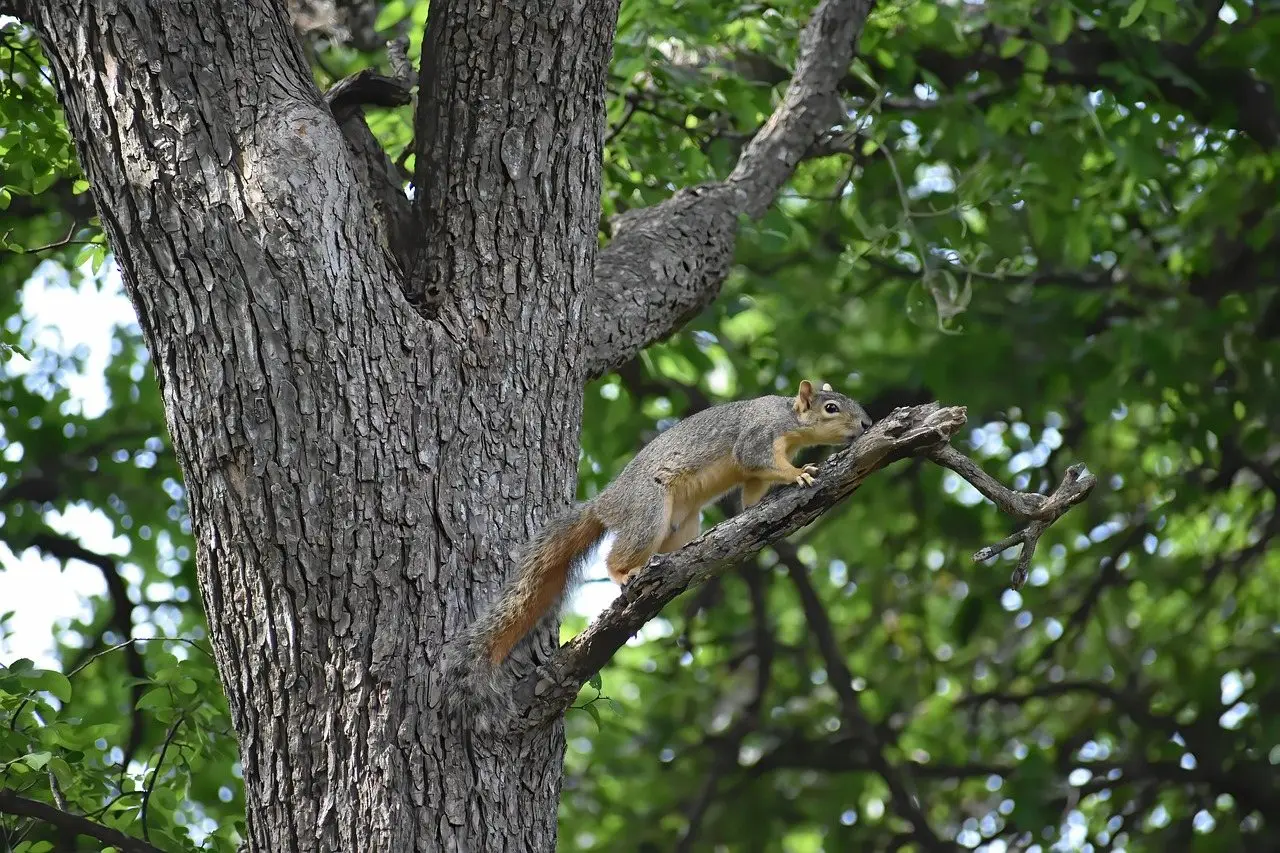
Squirrels sleep a great deal, in short bouts, and the behaviour people most often mistake for a nap — the flat-out sprawl on a hot day — is not sleep at all.
A squirrel’s day
| time | activity |
|---|---|
| Before dawn | in the drey |
| First 2 hours of light | peak foraging and caching |
| Midday | rest, splooting in heat |
| Last 2 hours of light | second peak |
| Night | drey or cavity, tail over body |
Sleep or something else
| what you see | what it is |
|---|---|
| Curled in a ball in a fork | sleeping |
| Flat on belly, limbs splayed, shade | splooting — cooling |
| Flat on belly, hot paving, panting | cooling, possibly heat-stressed |
| Still, eyes open, tail flicking | alert, not resting |
| Unresponsive, breathing irregularly, in the open | unwell — rehabilitator |
Splooting is normal; heat stress is not
A splooting squirrel in shade is fine. One flat on sun-baked paving, panting, with no shade or water nearby is heat-stressed, and the useful intervention is a shallow dish of water in shade, not handling the animal.
Where the sleeping happens
- Dreys: woven twig balls in a fork, insulated with bark, moss and leaves
- Cavities: warmer, preferred in winter, limited by availability of old trees
- Several per animal, so a parasite-fouled or disturbed site can be left
- Roof spaces: used exactly as a cavity would be, which is the entire problem
- Communal only in hard cold, or a mother with her litter
Resting on the deck is not nesting under it
Judge by material, not presence. Twigs and insulation being carried in, chewed edges at a gap, and noise at the same hours each day mean a nest. A squirrel lying on the boards means a warm deck.
Common questions
How much do squirrels sleep?
Why do squirrels lie flat on branches and paving?
Do they sleep more in winter?
Where do they actually sleep?
Do they sleep alone?
Is a squirrel sleeping on my deck a problem?
Backyard Weekly
Know what to plant, week by week
Join the weekly email for seasonal jobs, fixes for what is going wrong, and gear worth buying.
Not ready to subscribe? The planting calendar is free and needs no email.
By subscribing you agree to our privacy policy. Grow In Backyard will never sell your address.
Keep reading
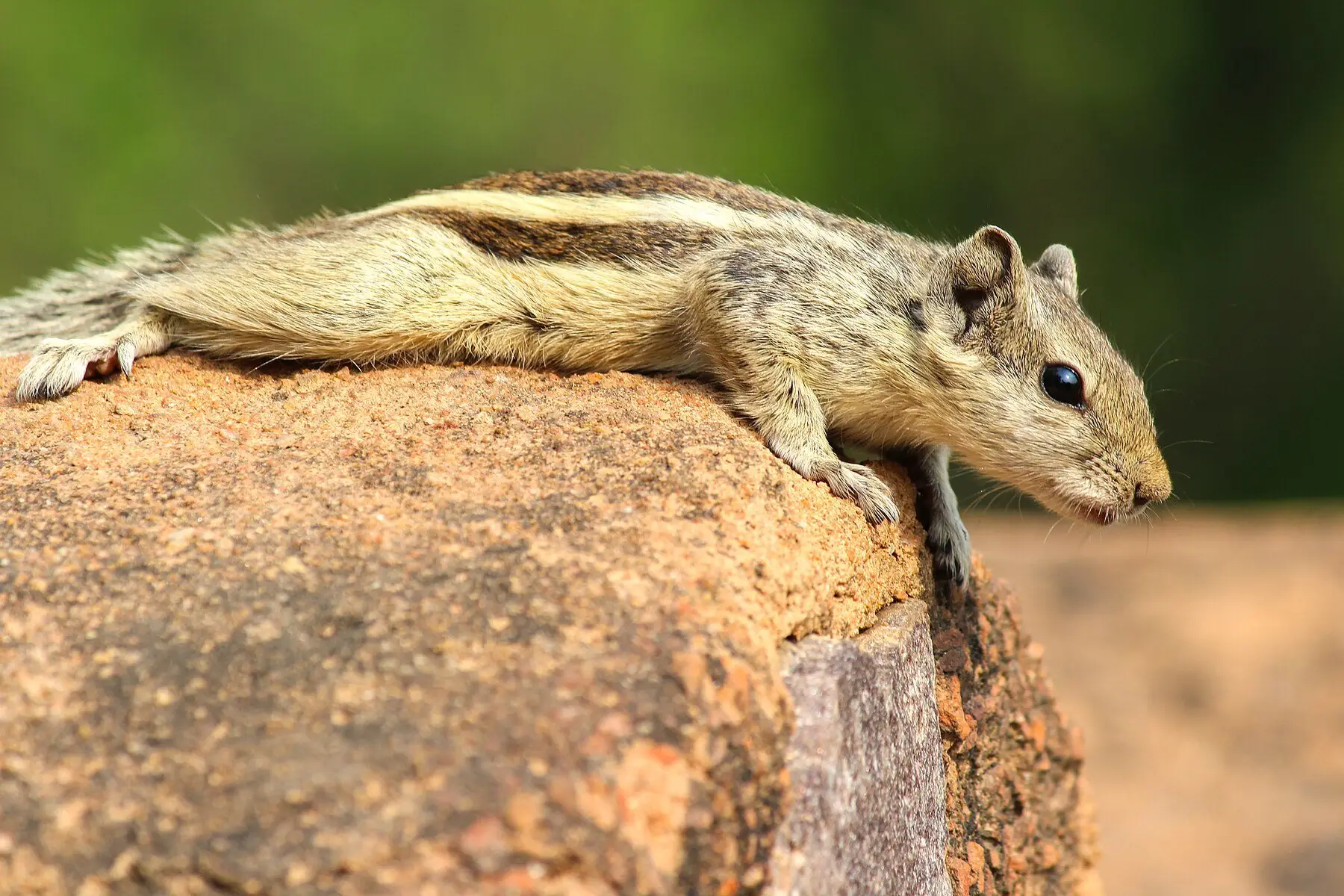
Why Do Squirrels Lay Flat? Splooting Explained, and When to Worry
Splooting is usually heat management, but the same posture can mean something is badly wrong. How to tell the two apart at a glance.
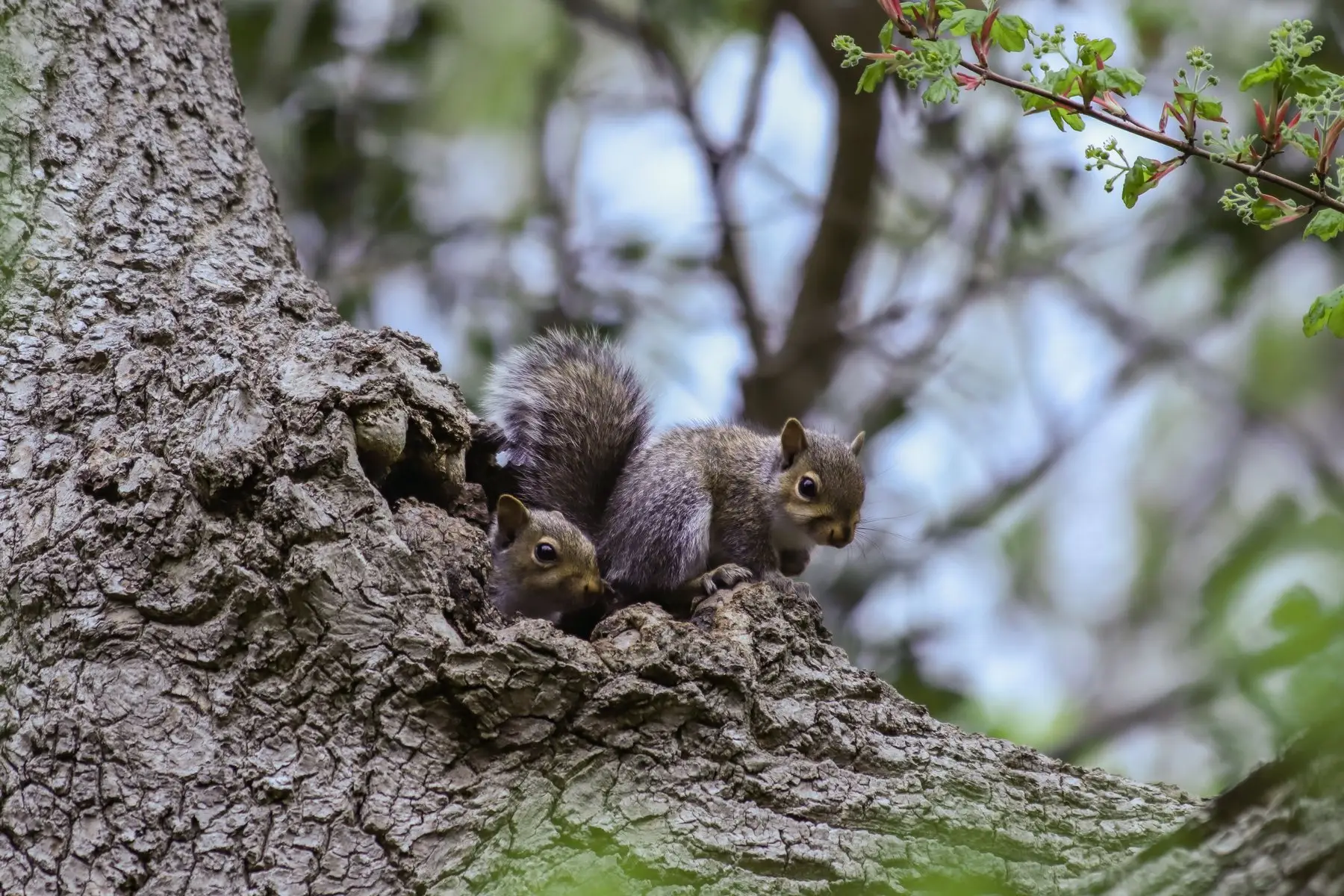
Where Do Squirrels Sleep at Night? Dreys, Dens and Your Roof
Squirrels sleep in leaf dreys and tree cavities, keep several nests each, and share them for warmth in winter. How to tell a drey from a bird nest.
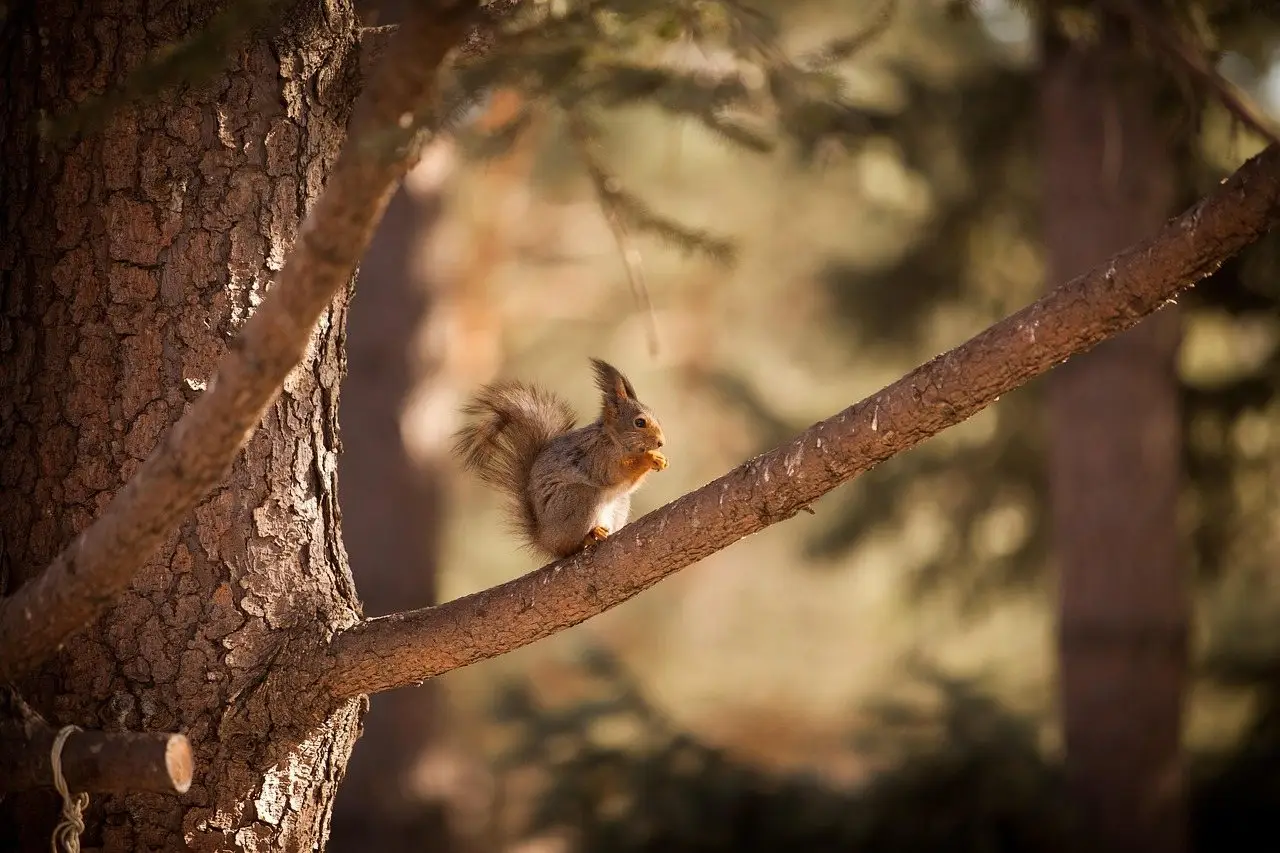
Are Squirrels Diurnal? Tree Squirrels Yes, Flying No
Grey, red and fox squirrels are strictly daytime animals with dawn and dusk peaks. What night-time scratching in your roof actually is.
Does Aluminum Foil Deter Squirrels? Briefly, Then No
Foil startles on first contact and is ignored within days. Where a smooth metal surface genuinely works, and where it is wasted.