
Do Squirrels Keep Food in Their Cheeks? Chipmunks More So
Tree squirrels carry food in the mouth; chipmunks have true expandable pouches holding dozens of seeds. The difference, and why it matters.
 By
On this page
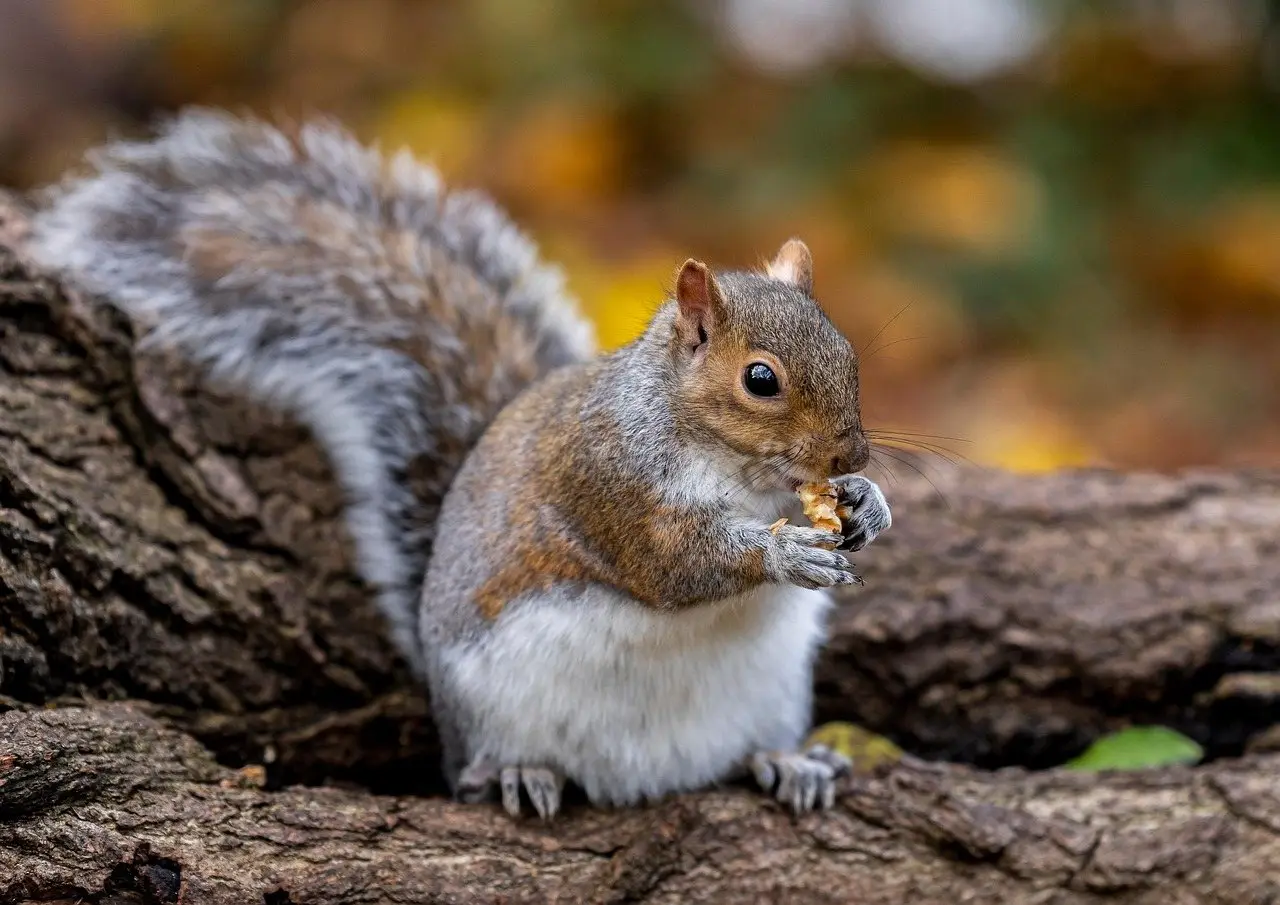
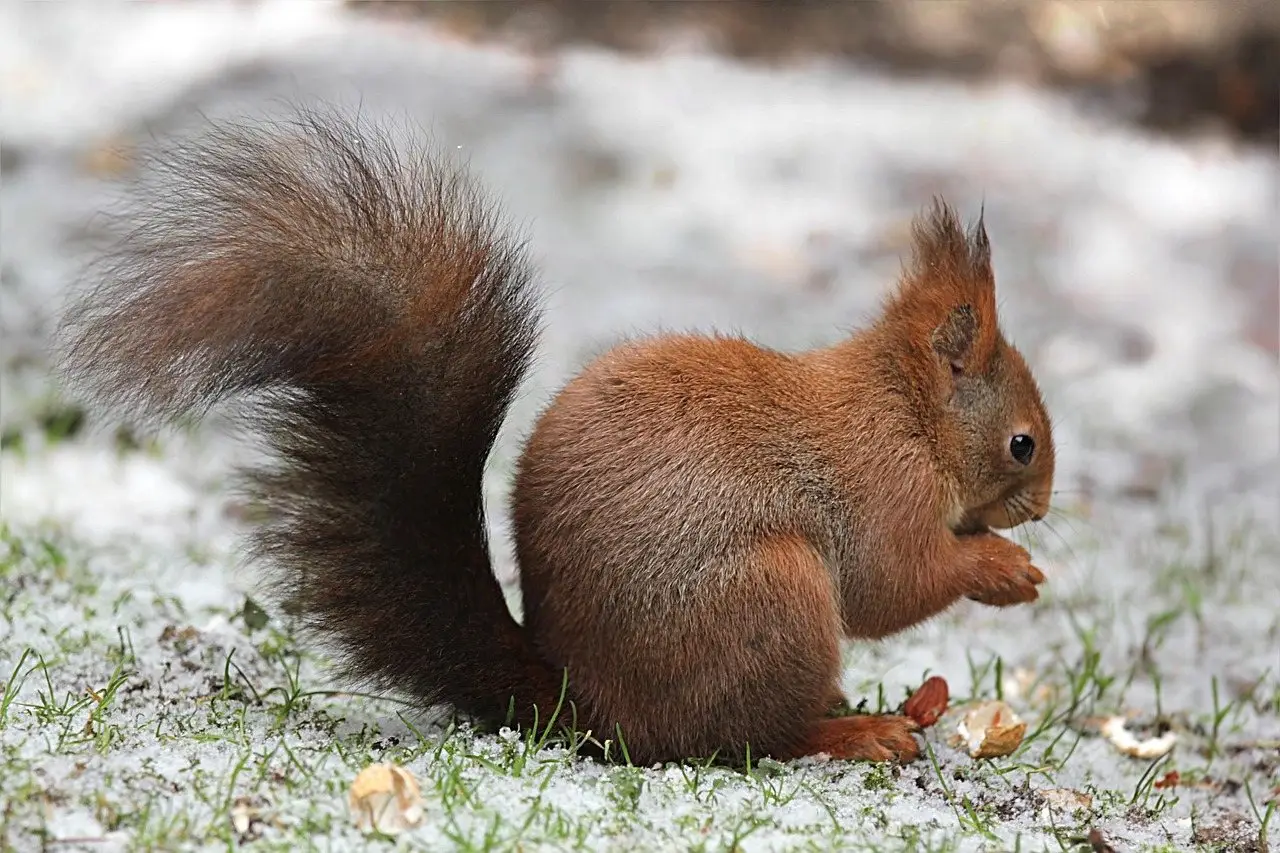
Tree squirrels carry nuts in their teeth, one at a time. The bulging-cheek trick belongs to chipmunks and ground squirrels, and it follows directly from how each animal stores food.
Who has what
| animal | cheek pouches | carries |
|---|---|---|
| Grey, red, fox squirrel | no | one item, in the teeth |
| Chipmunk | yes, internal | dozens of seeds |
| Ground squirrel | yes, internal | many seeds |
| Flying squirrel | no | in the teeth |
Why the strategies differ
| chipmunk | tree squirrel | |
|---|---|---|
| Storage | one larder, underground | thousands of scattered caches |
| Trips needed | few, heavy | many, light |
| Time in the open | minimised | unavoidable |
| Cost of losing the store | catastrophic | negligible |
| Pouches useful | very | not at all |
A robbed chipmunk may not survive winter
The whole winter is one burrow store, eaten during periodic wakings from torpor. That is why the pouches exist — the fewer trips across open ground, the better the odds — and why a squirrel raiding that larder in October is so serious.
Why sticky food is a problem
Pouches empty by the animal pushing forward with its forepaws. Anything that adheres — peanut butter, bread turned to paste, sugary foods — can lodge, block the pouch and cause infection. A chipmunk with an impacted pouch cannot feed properly and will not recover without intervention.
- Nuts in the shell pass cleanly
- Dry seed passes cleanly
- Peanut butter and bread do not
- Anything sugary risks both impaction and gut disruption
The widening head is the identification
No tree squirrel can swell its face sideways. If the head looks twice its normal width, you are watching a chipmunk or a ground squirrel — and the facial stripes will tell you which.
Common questions
Do squirrels have cheek pouches?
How much can a chipmunk actually carry?
Why do chipmunks have them and tree squirrels not?
Do squirrels ever store food in their mouths overnight?
Can cheek pouches get injured?
Which am I watching, then?
Backyard Weekly
Know what to plant, week by week
Join the weekly email for seasonal jobs, fixes for what is going wrong, and gear worth buying.
Not ready to subscribe? The planting calendar is free and needs no email.
By subscribing you agree to our privacy policy. Grow In Backyard will never sell your address.
Keep reading
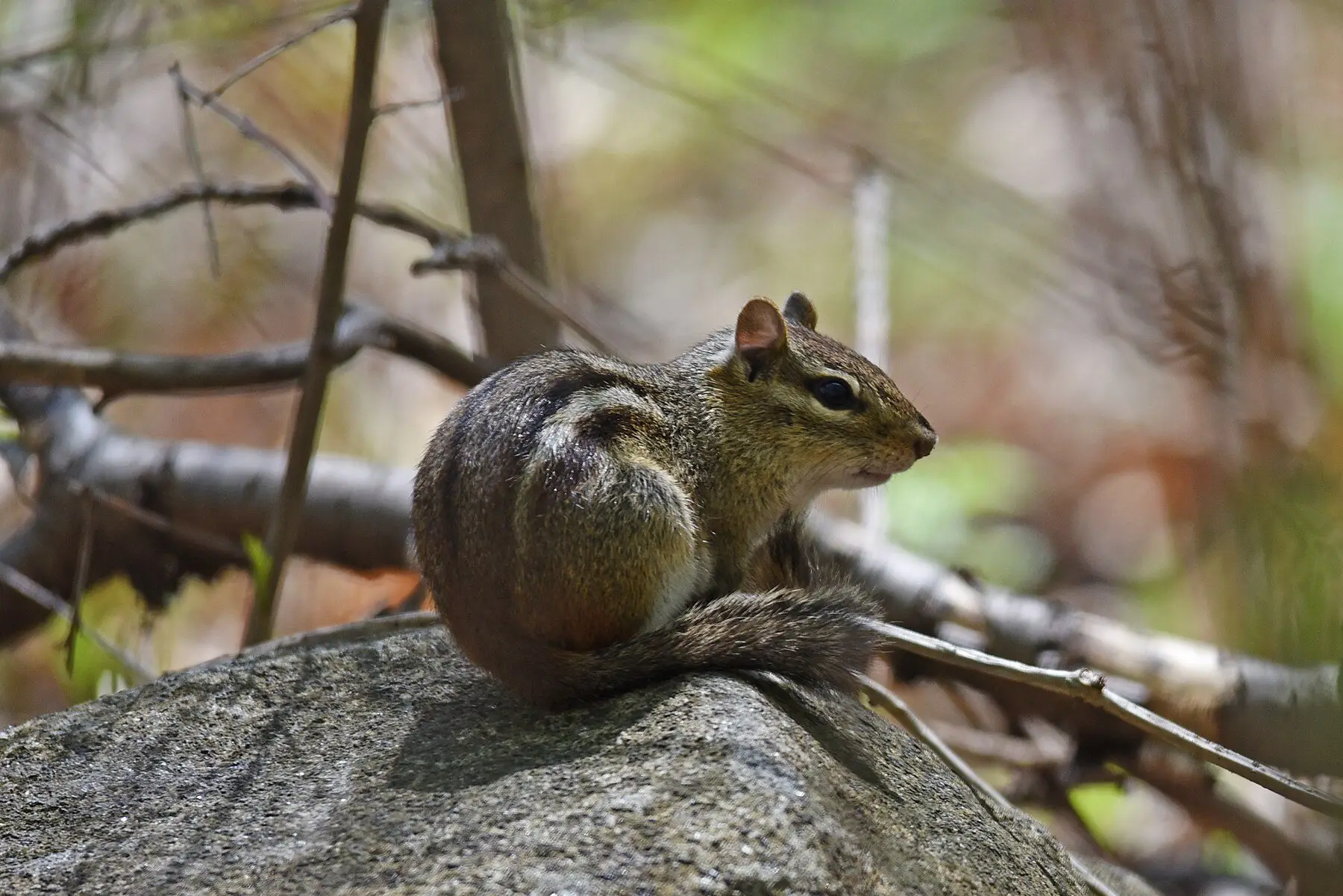
How Big Is a Chipmunk? Size, Weight and Burrow Depth
An eastern chipmunk is 8–11 inches including tail and weighs about 3 ounces — but its burrow runs 10 to 30 feet. Sizes, and when they reappear in spring.
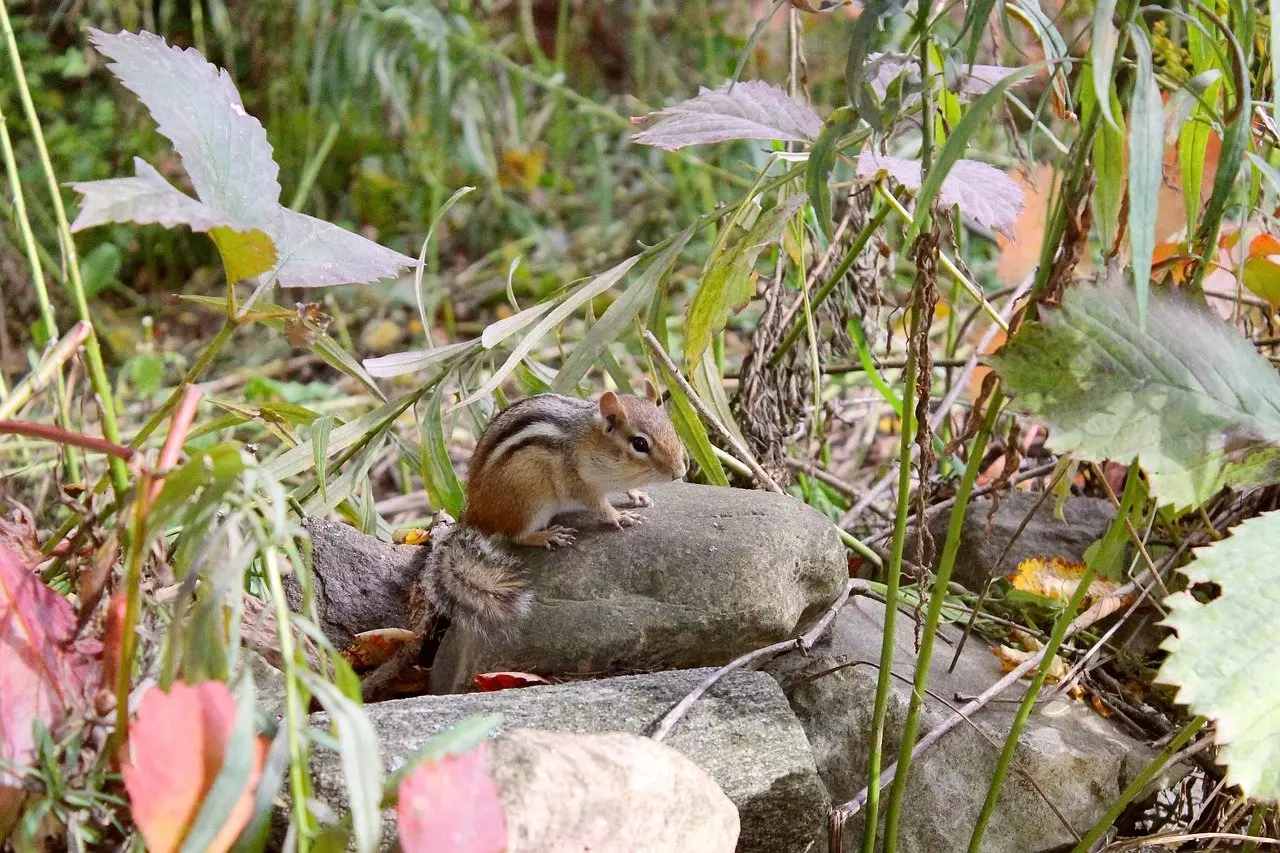
Do Chipmunks Turn Into Squirrels? No — Both Are Squirrels
A chipmunk never becomes a tree squirrel. Both sit in the same family, and the confusion comes from juveniles. How to tell them apart.
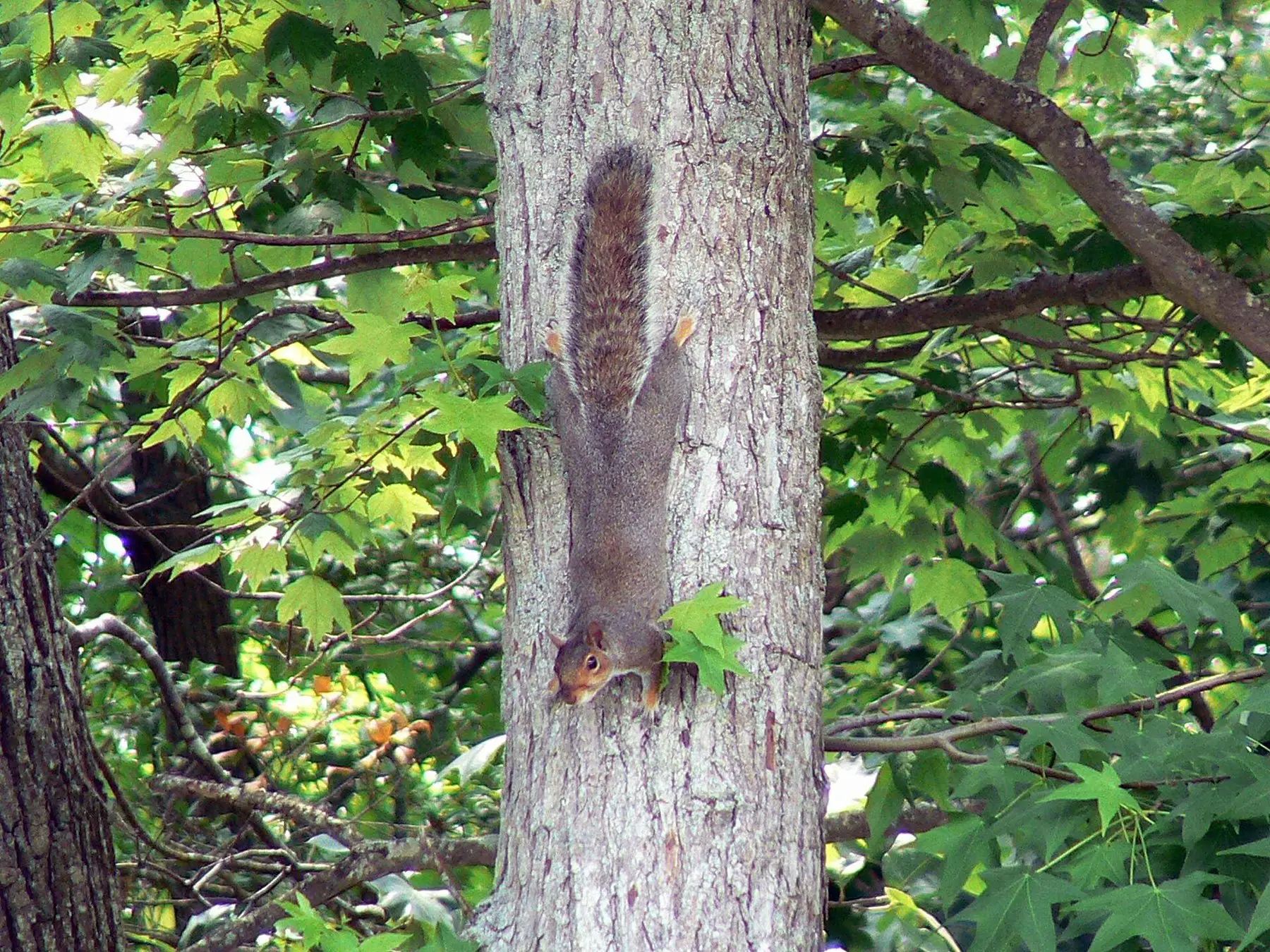
Why Do Squirrels Bury Nuts? And How They Find Them Again
Squirrels cache thousands of nuts a year, in separate holes, and relocate them by memory and smell — while faking burials for any squirrel watching.
Do Squirrels Lose Their Winter Coat? Twice a Year
Squirrels moult in spring and again in autumn, head to tail one way and tail to head the other. What a patchy squirrel means, and when it does not.