
Do Chipmunks Turn Into Squirrels? No — Both Are Squirrels
A chipmunk never becomes a tree squirrel. Both sit in the same family, and the confusion comes from juveniles. How to tell them apart.
 By
On this page
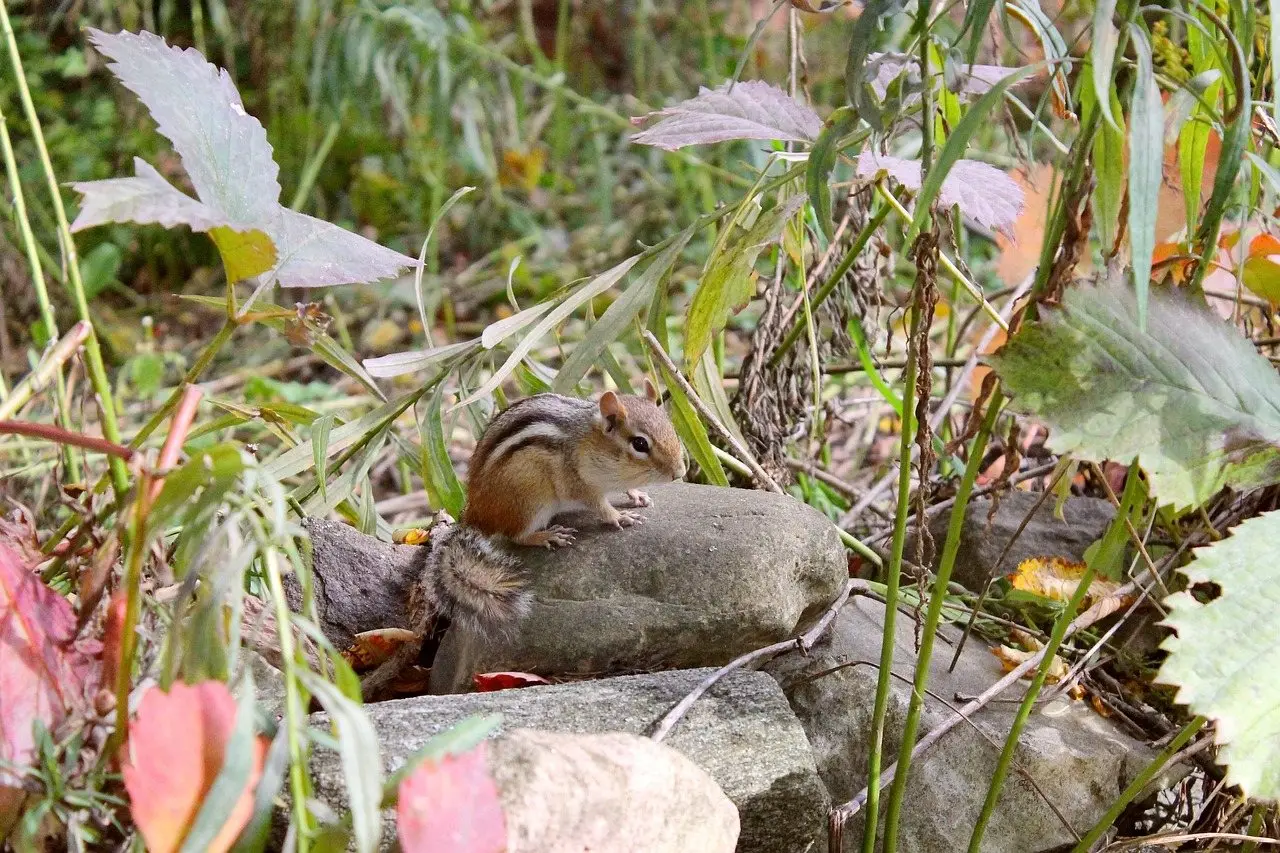
A chipmunk never becomes a tree squirrel. It is already a squirrel — the everyday word is just narrower than the family it names.
Telling them apart
| chipmunk | grey squirrel | |
|---|---|---|
| Facial stripes | yes | never |
| Back stripes | yes | no |
| Size | 8–11 in, ~3 oz | 16–20 in, 400–600 g |
| Tail | slim, flat, held behind | bushy, arched over the back |
| Lives | ground and burrow | canopy, drey or cavity |
| Winter | extended torpor | active, no hibernation |
| Caching | one larder underground | thousands of scattered nuts |
Stripes on the back but not the face
That is a ground squirrel, not a chipmunk — the thirteen-lined ground squirrel and the Barbary ground squirrel both cause this confusion. The face is the diagnostic, not the back.
Which is digging?
| sign | animal |
|---|---|
| Neat round hole, ~5 cm, no soil heap | chipmunk burrow entrance |
| Shallow scattered divots in turf | squirrel caching or retrieving |
| Soil heaped beside the hole | something else — rat, vole, mole |
A chipmunk carries spoil away from the entrance and scatters it deliberately, which is why the hole looks unnervingly tidy. That single detail identifies it more reliably than seeing the animal.
They share the garden without much trouble
Chipmunks work the ground, tree squirrels work the canopy, and conflict appears only where food is concentrated — which in a garden means the feeder. Two feeding points, well apart, removes most of the chasing people notice.
Common questions
Do chipmunks grow into squirrels?
Why do people think chipmunks are baby squirrels?
What is the quickest way to tell them apart?
Do they behave differently?
Are they related closely enough to interbreed?
Which one is digging holes in my garden?
Backyard Weekly
Know what to plant, week by week
Join the weekly email for seasonal jobs, fixes for what is going wrong, and gear worth buying.
Not ready to subscribe? The planting calendar is free and needs no email.
By subscribing you agree to our privacy policy. Grow In Backyard will never sell your address.
Keep reading
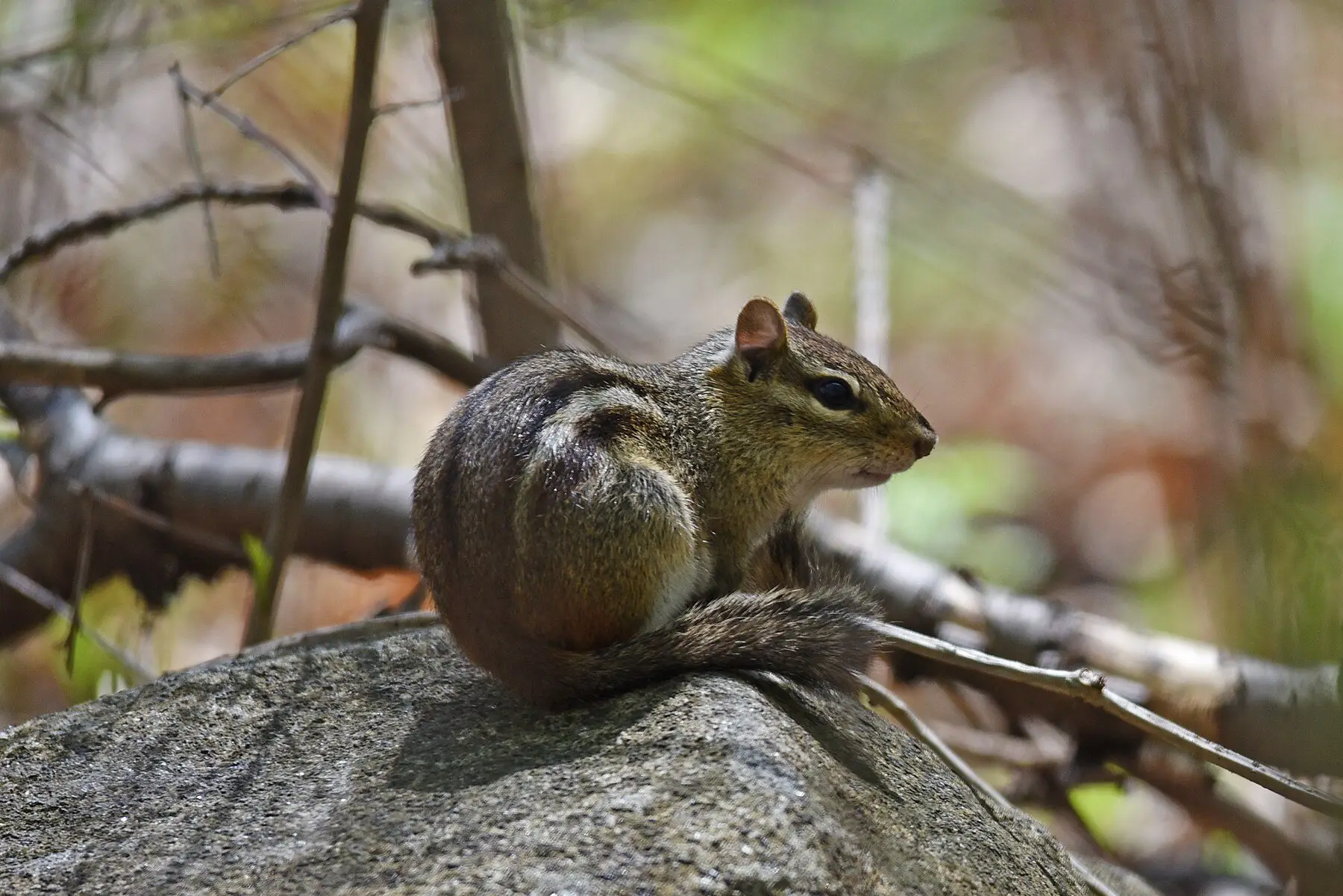
How Big Is a Chipmunk? Size, Weight and Burrow Depth
An eastern chipmunk is 8–11 inches including tail and weighs about 3 ounces — but its burrow runs 10 to 30 feet. Sizes, and when they reappear in spring.
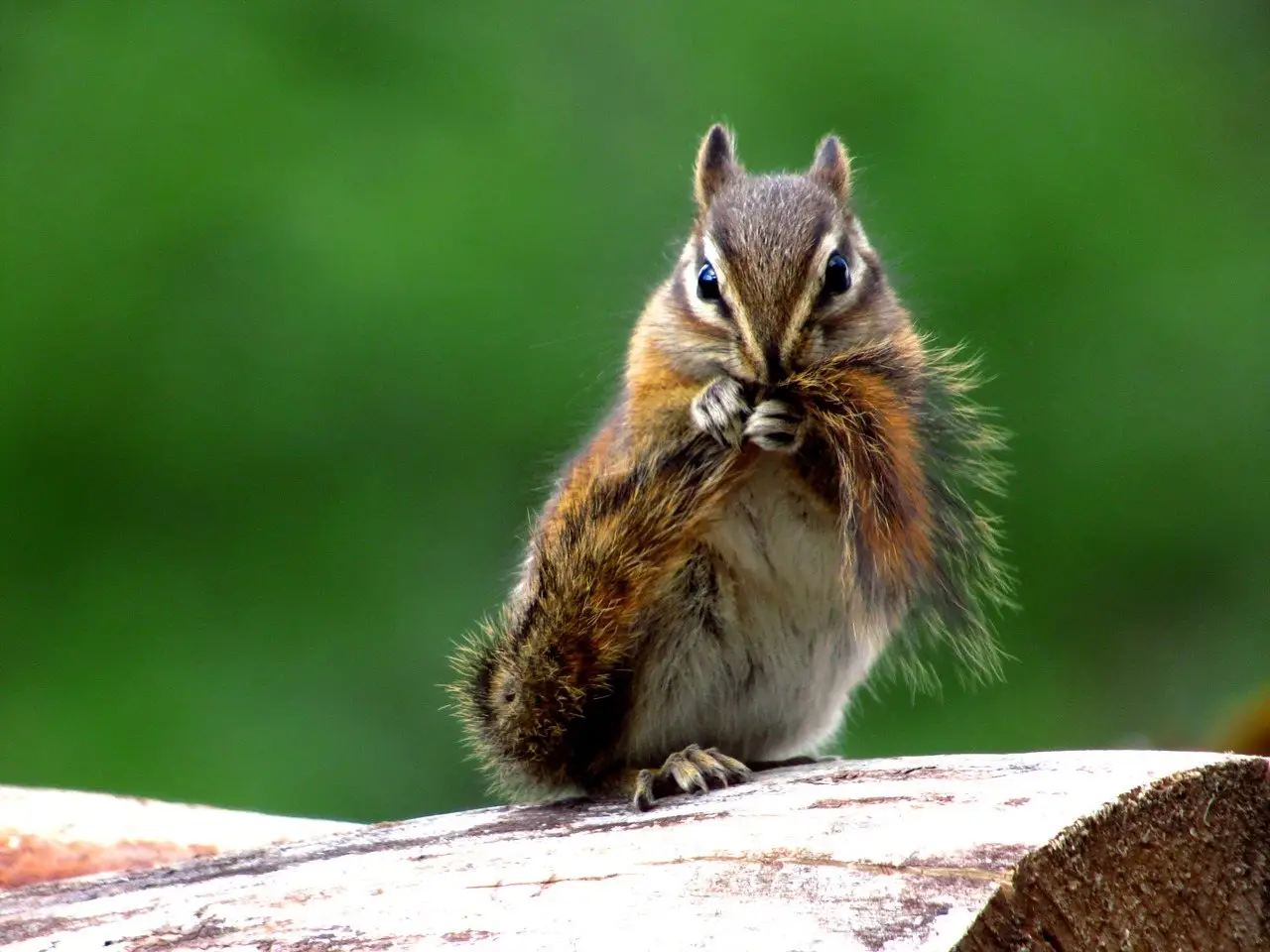
Do Squirrels Get Along With Chipmunks? They Tolerate, Mostly
Different niches, overlapping food. Chasing is usually territorial rather than predatory, but grey squirrels do raid chipmunk caches.
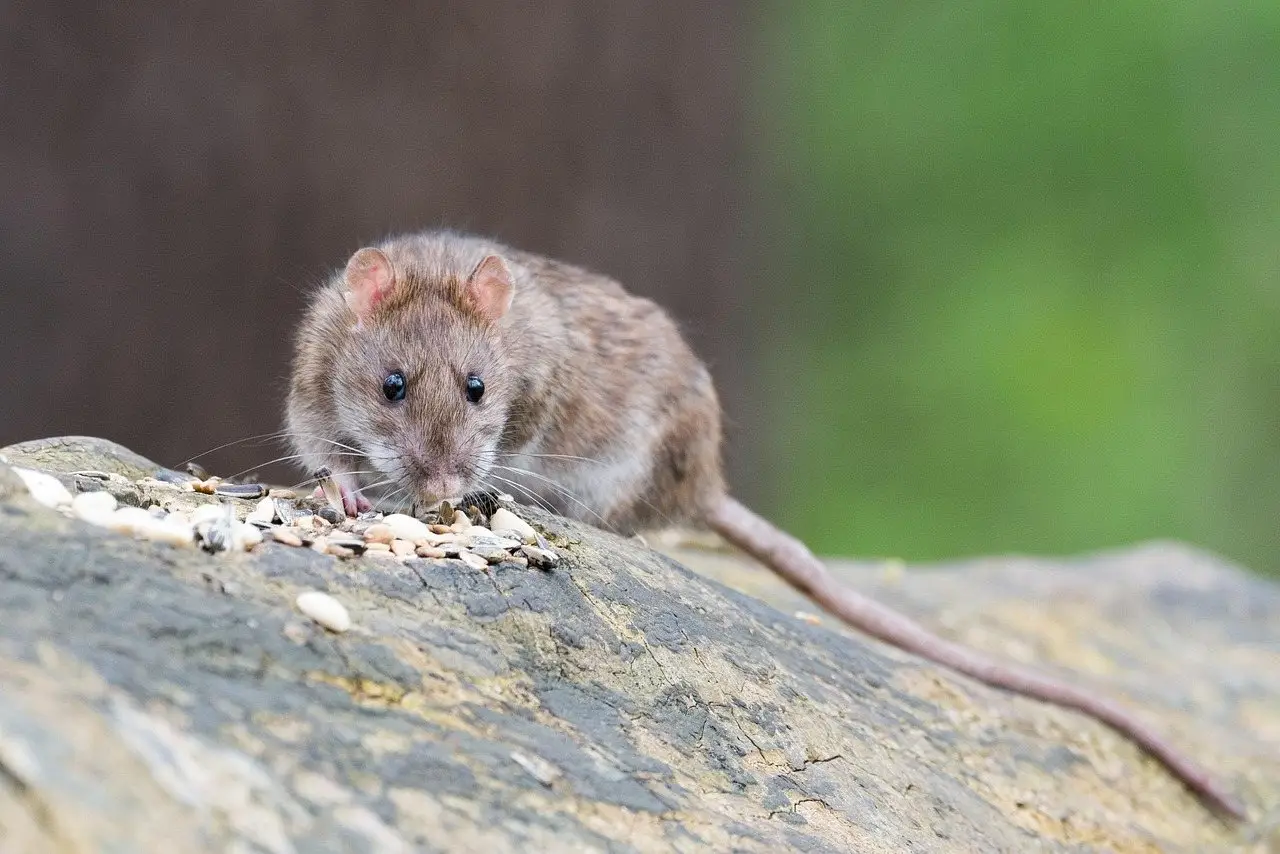
Are Squirrels and Rats Related? Rodent Cousins, Not Kin
Squirrels and rats are both rodents but sit in separate families that split over 60 million years ago. What they share, and how differently they behave.
Do Deer Attack Humans? Rarely, But Not Never
Deer injure more people than most wild animals in North America — almost all of it in autumn rut or from a doe with a fawn. What provokes it and what to do.