
Do Lawn Spinners Keep Moles Away? No, and Nor Do Spikes
Vibration devices, windmills and ultrasonic stakes fail in trials and in gardens. Moles habituate in days. What actually works on moles.
 By
On this page
Spinners, windmills and sonic spikes sell well and fail consistently. Moles respond to soil vibration, habituate within days, and live happily beside roads and railways.
What is actually on sale, and whether it works
| product | works |
|---|---|
| Lawn spinner, windmill | no |
| Vibrating battery stake | no |
| Ultrasonic spike | no |
| Castor oil granules | moves them, temporarily |
| Mothballs | no — and illegal in many places |
| Chewing gum, glass, hair | no |
| Trapping | yes — where legal |
Why the reviews look positive
Mole activity is episodic. A mole finishes a tunnel run and goes quiet for weeks, and anything installed just before that gets the credit. This is the single reason disproved mole products keep selling.
One mole, many hills
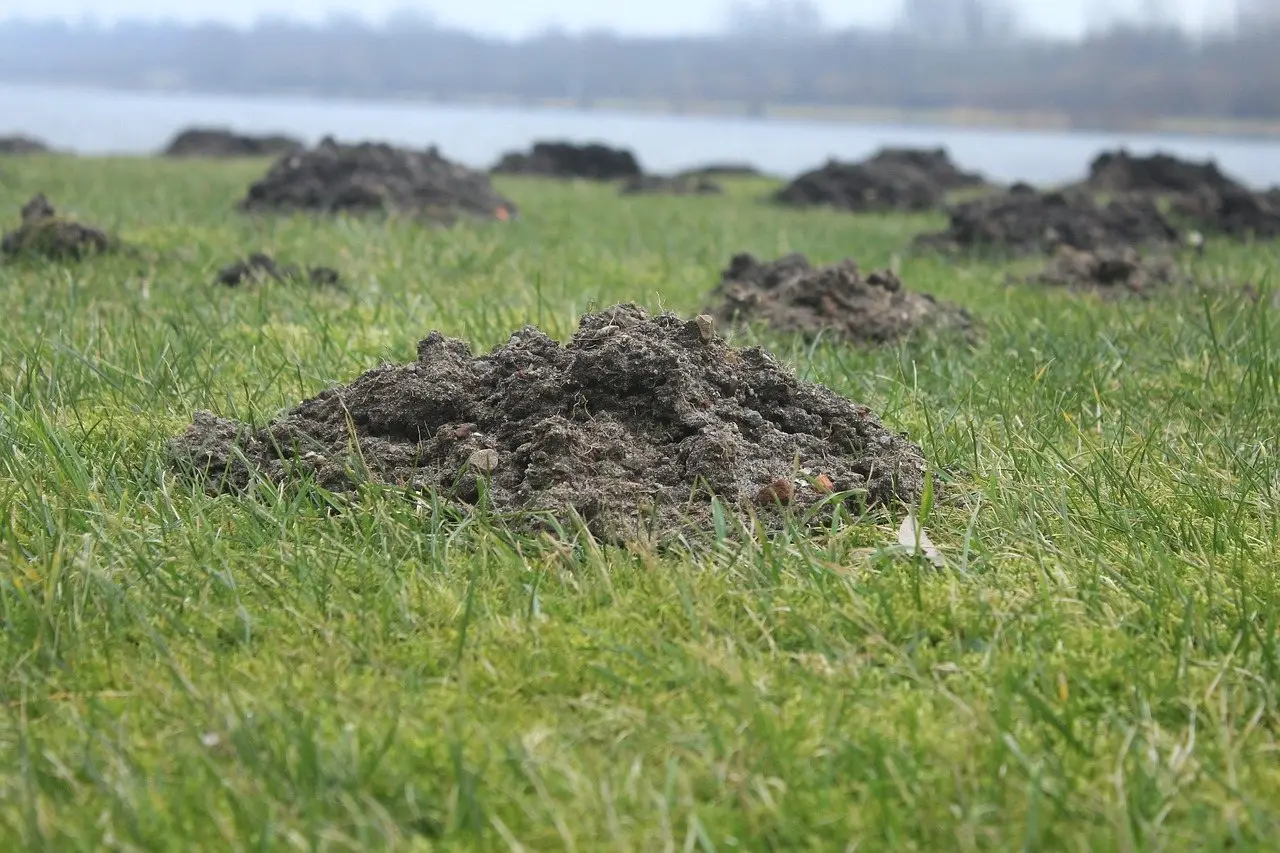
A mole is solitary and territorial, holds a system of several hundred metres, and throws up a hill every time it clears spoil from a new run. Dozens of hills across a lawn is normal output for one animal. It also means the problem can stop as suddenly as it started, which is worth knowing before spending money.
What is actually happening to the lawn
- Moles eat worms and soil invertebrates — not roots, not bulbs
- The damage is heaps and ridges, plus drying where a run sits shallow
- Flattening hills spreads good fine soil; it is usable as topdressing
- A mole-rich lawn is a worm-rich lawn, which is a sign of soil in good condition
Check the law before trapping
Moles are protected in some jurisdictions and particular trap types are prohibited in others, with real penalties. Find out what applies where you are before buying anything — this is the one step people skip and the one that carries consequences.
Common questions
Do lawn spinners and windmills repel moles?
What about ultrasonic or battery-powered sonic spikes?
Do castor oil, mothballs or chewing gum work?
What actually removes moles?
Why is one mole making so many hills?
Is a mole actually damaging the lawn?
Backyard Weekly
Know what to plant, week by week
Join the weekly email for seasonal jobs, fixes for what is going wrong, and gear worth buying.
Not ready to subscribe? The planting calendar is free and needs no email.
By subscribing you agree to our privacy policy. Grow In Backyard will never sell your address.
Keep reading
How to Fill Chipmunk Holes (and Why Filling Rarely Works)
A chipmunk reopens a filled hole in a day. What actually stops the tunnelling, how to tell a chipmunk hole from a vole or rat hole, and when to worry.
How to Level a Lawn by Hand: Topdressing Without Machinery
Shallow dips fill with topdressing half an inch at a time. Anything deeper needs the turf lifted. The mistake is burying grass in one go.
Why Are Birds Destroying My Lawn? They Are Not
Birds tearing up turf are after grubs underneath. The damage is a symptom of chafer or leatherjacket larvae — treat those, not the birds.
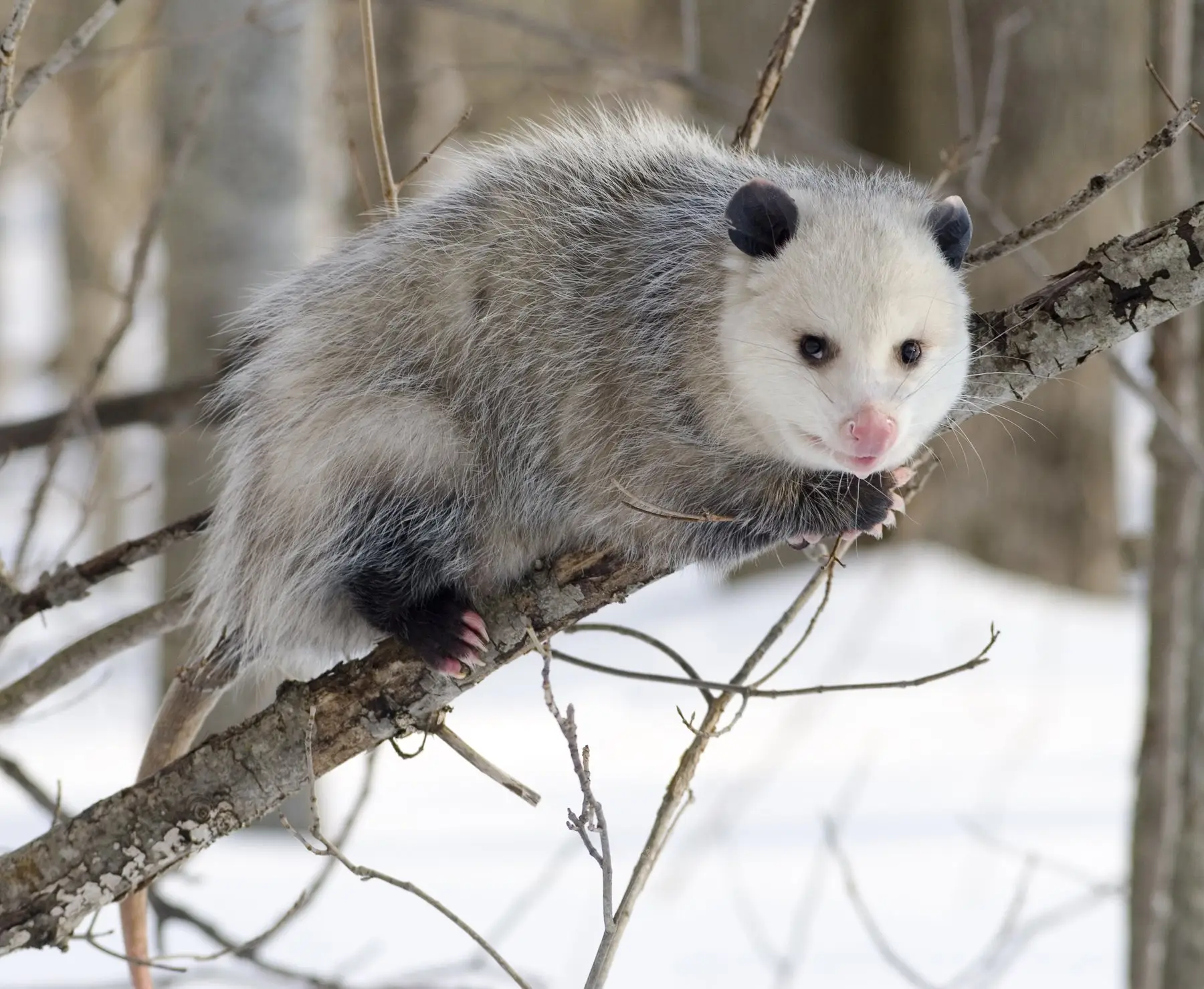
Do Possums Live Underground? Where Opossums Actually Den
They use burrows constantly and almost never make them. Whose holes they take, why they move every few days, and how to tell one from a groundhog's.