
Do Lawn Grubs Turn Into Butterflies? No — Beetles and Flies
White C-shaped lawn grubs become chafers and Japanese beetles; leatherjackets become crane flies. Why it matters for what you do about them.
 By
On this page
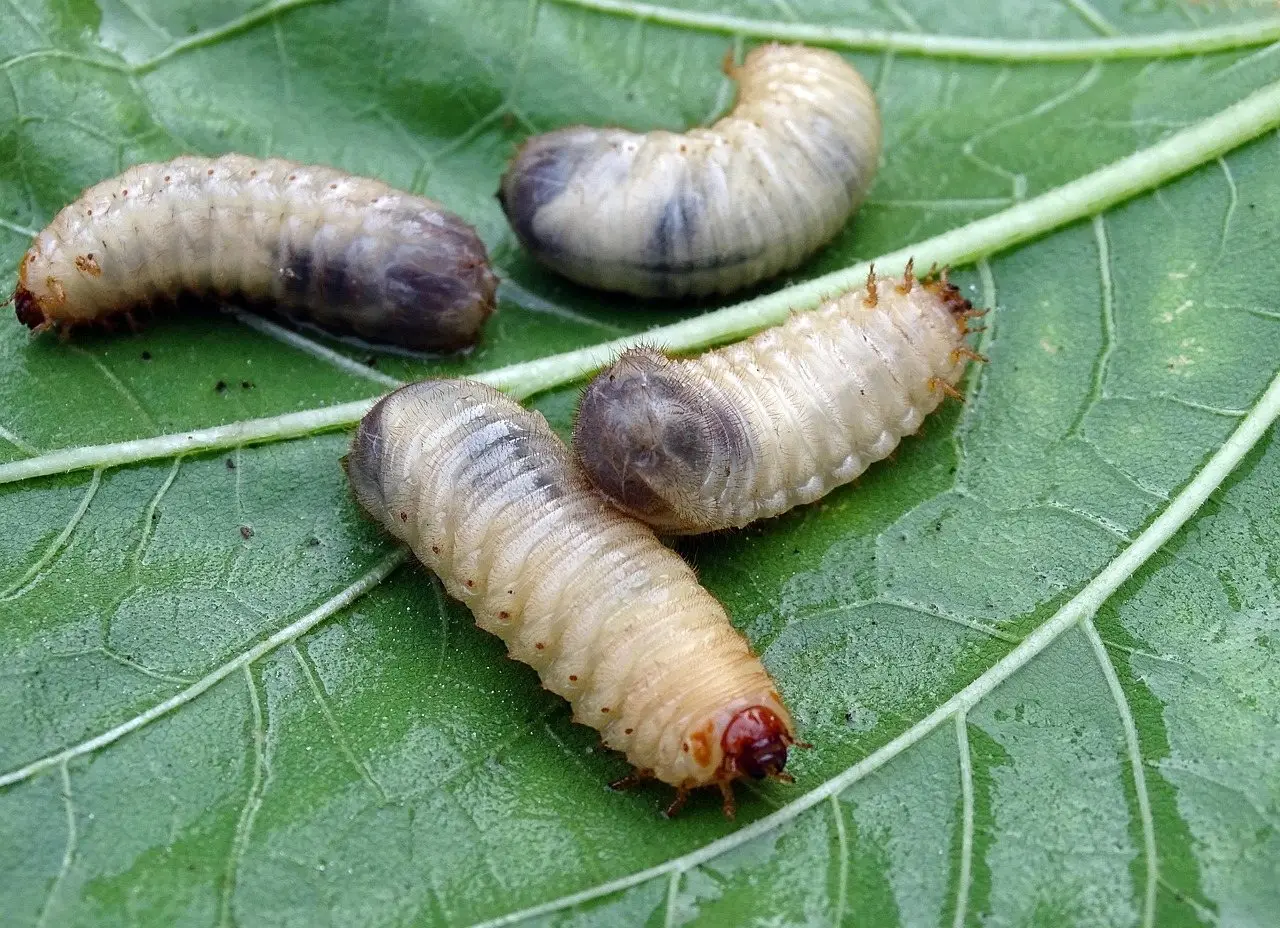
The white grubs in a lawn become beetles. The grey-brown ones become crane flies. Nothing in turf becomes a butterfly, and the distinction decides which treatment works.
Telling them apart in the hand
| feature | beetle grub | leatherjacket | caterpillar |
|---|---|---|---|
| Shape at rest | tight C | straight tube | straight |
| Colour | creamy white | grey-brown | varies |
| Head | orange-brown, distinct | none visible | distinct |
| Legs | 3 pairs, front only | none | 3 pairs + prolegs |
| Where found | in soil under turf | in soil under turf | on foliage |
| Becomes | chafer / Japanese beetle | crane fly | butterfly or moth |
Matching the treatment
| grub | nematode | when to apply |
|---|---|---|
| Chafer, Japanese beetle | Heterorhabditis bacteriophora | late summer, young grubs |
| Leatherjacket | Steinernema feltiae | early autumn |
Both need warm, moist soil — above about 12°C — and watering in before and after. Applied to dry or cold ground they fail, which is the usual reason people conclude nematodes do not work.
A few grubs are normal
Treatment thresholds commonly quoted are around five to ten chafer grubs per 30 cm square, together with visible turf damage. A couple in a spadeful means a functioning soil, not an infestation.
The diagnostic that settles it
Take hold of a brown patch and pull. If the turf lifts away like a carpet with no roots underneath, root-feeding grubs are the cause. If it holds fast, look instead at drought, dog urine, compaction or a fungal disease — and leave the grubs alone, because they are not what is wrong.
Caterpillars in a lawn do exist, rarely
Sod webworms and cutworms are moth larvae that do feed at the base of grass, and they are caterpillars in the proper sense. They sit in silk-lined tunnels at the soil surface rather than curled in the soil, and birds working the surface rather than digging into it is the clue.
Common questions
Do lawn grubs turn into butterflies?
How do I tell a grub from a caterpillar?
Which grub do I actually have?
Does it matter which one it is?
Are any lawn grubs harmless?
Why are birds tearing up the lawn?
Backyard Weekly
Know what to plant, week by week
Join the weekly email for seasonal jobs, fixes for what is going wrong, and gear worth buying.
Not ready to subscribe? The planting calendar is free and needs no email.
By subscribing you agree to our privacy policy. Grow In Backyard will never sell your address.
Keep reading
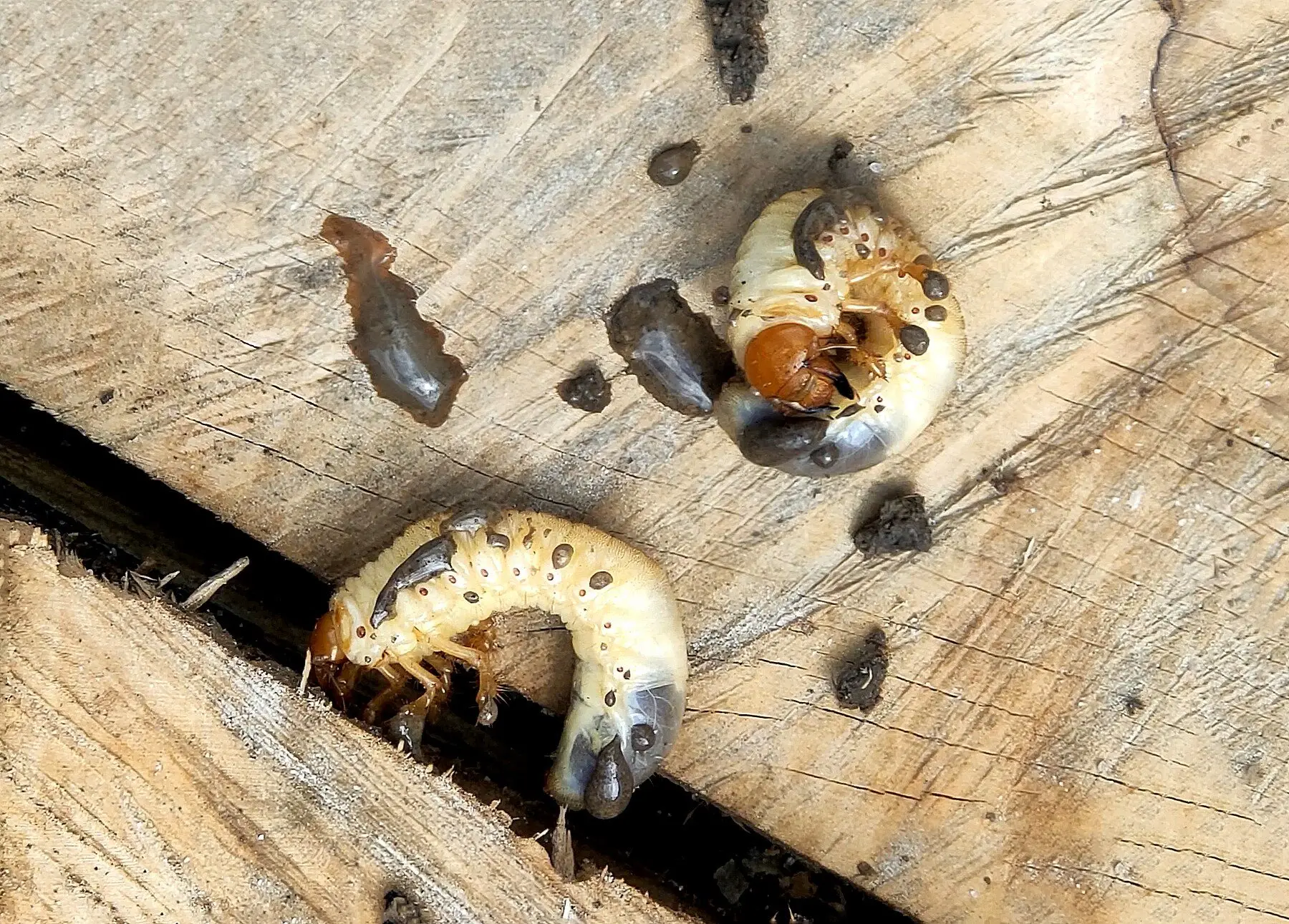
Grub Worm: How to Tell If You Have Them, and When to Treat
Most lawns carry grubs harmlessly. The threshold is 6 to 10 per square foot — how to count them, and why timing matters more than the product.
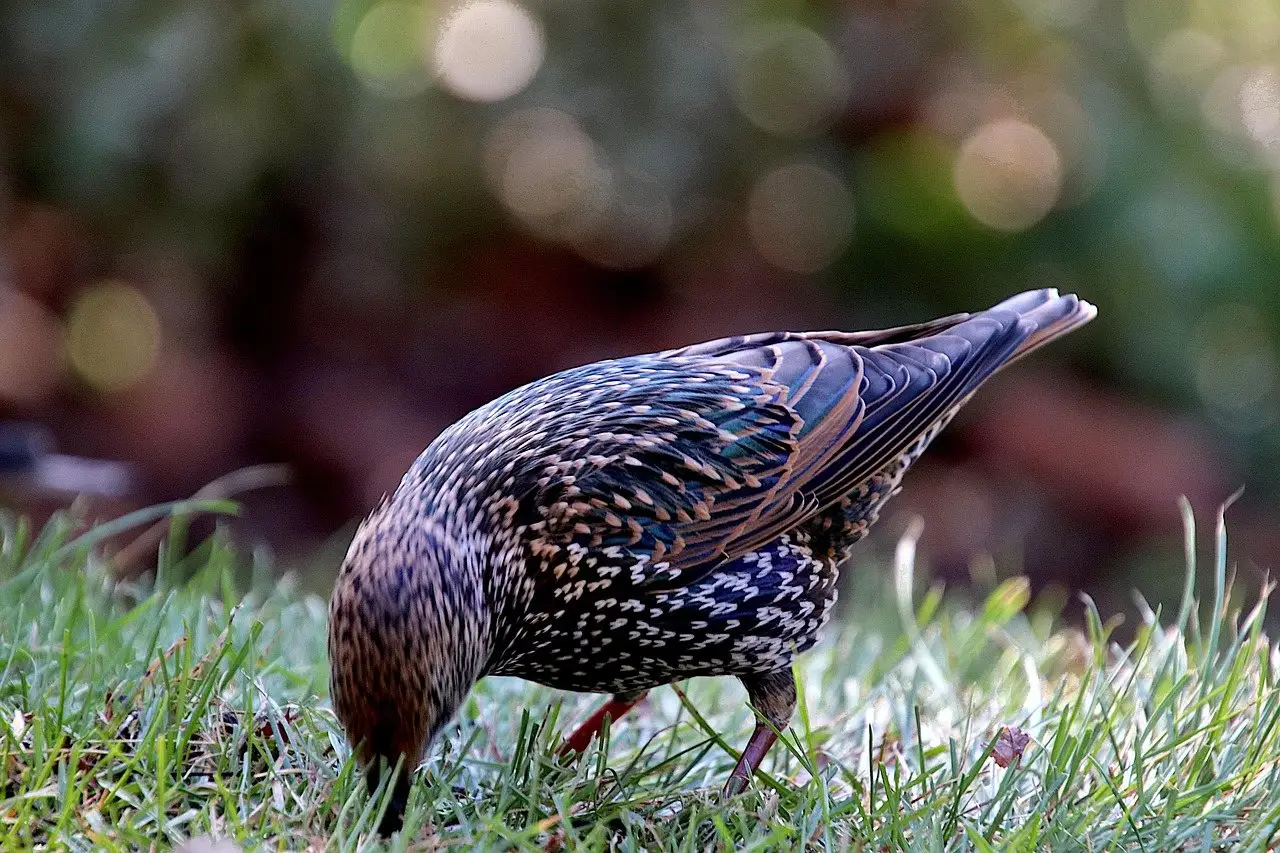
Why Are Birds Destroying My Lawn? They Are Not
Birds tearing up turf are after grubs underneath. The damage is a symptom of chafer or leatherjacket larvae — treat those, not the birds.
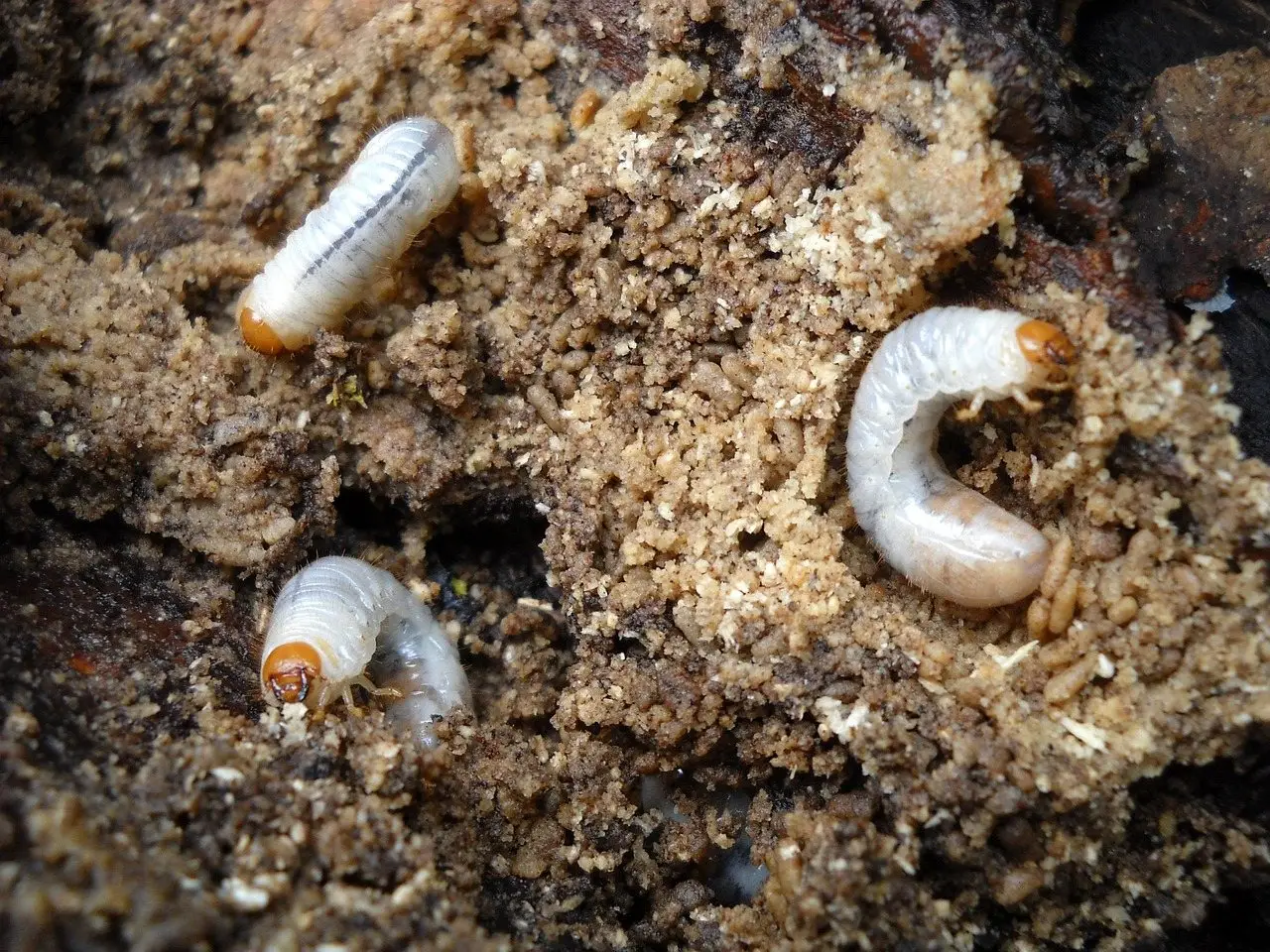
Milky Spore for Grubs: Only Works on Japanese Beetle
Milky spore controls Japanese beetle grubs only, takes two to four years to establish, and does nothing to the other grub species in US lawns.
Do Squirrels Eat Bird Eggs? Yes, and Nestlings Too
Grey squirrels raid nests opportunistically, especially in spring when other food is scarce. How much it matters, and what actually protects a nest box.