
Do Hummingbirds Tweet? They Chip, Buzz and Squeak
Hummingbirds vocalise constantly — just not melodically. What the chips and chatters mean, and which sounds come from feathers, not the voice.
 By
On this page
Hummingbirds are noisy. What they are not is musical — and the two most striking sounds they make are not made with the voice at all.
What each sound is
| sound | source | meaning |
|---|---|---|
| Sharp repeated chip | voice | territorial advertising |
| Rapid chatter | voice | aggression, usually mid-chase |
| Soft quiet chips | voice | contact, female to young |
| Buzzy scratchy sequence | voice | song (Anna’s and a few others) |
| Hum | wings | flight, not communication |
| Loud dive chirp | tail feathers | courtship display |
The dive chirp was settled experimentally
Researchers established that the Anna’s hummingbird dive sound comes from the outer tail feathers by altering them and observing the noise disappear, then reproducing it in a wind tunnel. It is one of the cleaner demonstrations that a bird sound need not involve the voice at all.
Reading a feeder territory by ear
- Steady chipping from one high perch — a male holds this feeder
- Chip rate accelerating — another bird is approaching
- Chatter plus a chase — the intrusion is being repelled
- Sudden silence in late summer — usually migration or post-breeding quiet
- Several birds feeding peacefully — often means the dominant bird has left
Two feeders out of sight of each other
A single feeder is defensible, so one bird monopolises it and everything else is chased off. Two feeders with no line of sight between them cannot both be held, and the result is more birds feeding and markedly less chasing.
Common questions
Do hummingbirds tweet or sing?
What does the chipping mean?
Is the humming sound their voice?
What makes the sharp whistle during a dive?
Can hummingbirds hear well?
Why has my hummingbird gone quiet?
Backyard Weekly
Know what to plant, week by week
Join the weekly email for seasonal jobs, fixes for what is going wrong, and gear worth buying.
Not ready to subscribe? The planting calendar is free and needs no email.
By subscribing you agree to our privacy policy. Grow In Backyard will never sell your address.
Keep reading
Do Hummingbirds Make Noise? The Hum, Chirps and Dives
The hum is wings, not voice — but hummingbirds also chip, chatter and make sound with their tail feathers during courtship dives. What each one means.
Why Hummingbirds Stopped Coming to Your Feeder
Spoiled nectar, natural flowers, migration, or one bird driving the rest off. The order to check them in, and the feeder mistake most people are making.
Why Do Hummingbirds Chase Each Other? Territory, Mostly
Hummingbirds are aggressively territorial over food, and a single bird will guard a feeder against all comers. How to stop one monopolising yours.
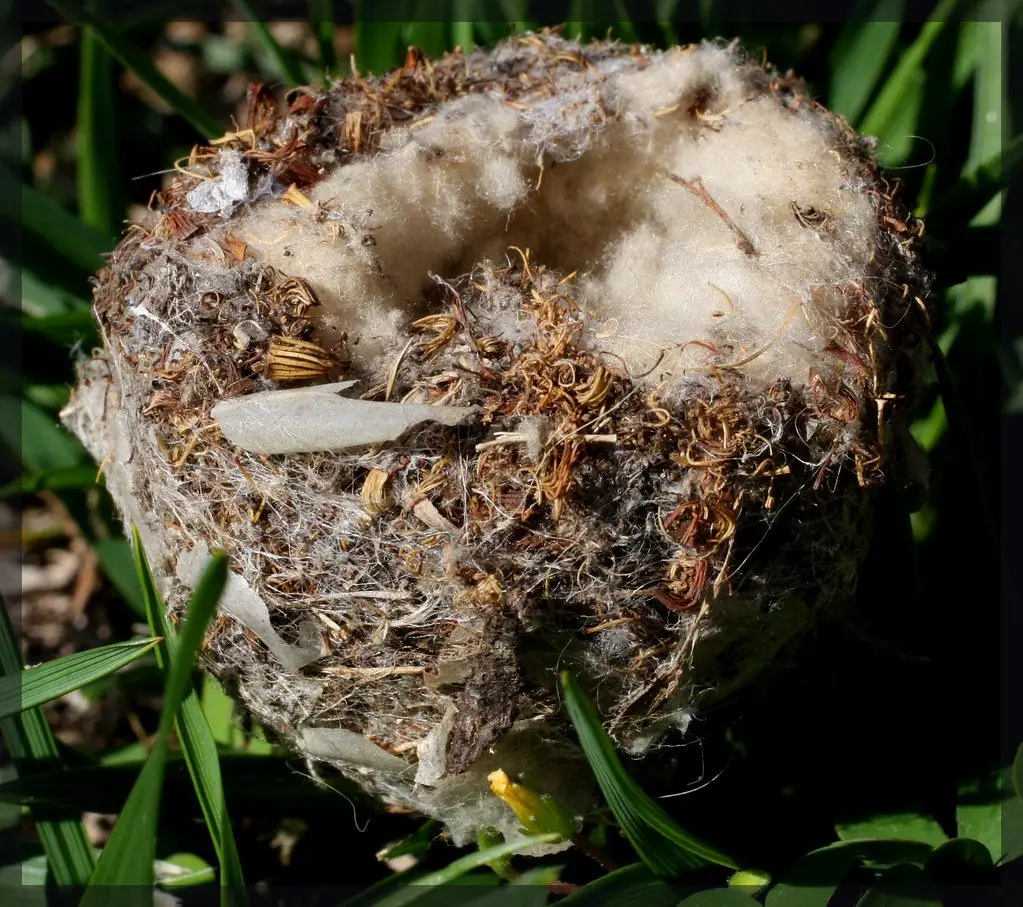
Do Hummingbirds Use Birdhouses? No — Here Is What They Need
Hummingbirds are not cavity nesters, so a birdhouse will never be used. What they actually build, and the four things that bring them in to nest instead.