
Can Squirrels Get Through 1 Inch Chicken Wire? Yes, Easily
Chicken wire keeps chickens in. It does not keep squirrels, rats or weasels out — they pass through the mesh or chew it. What to use instead.
 By
On this page
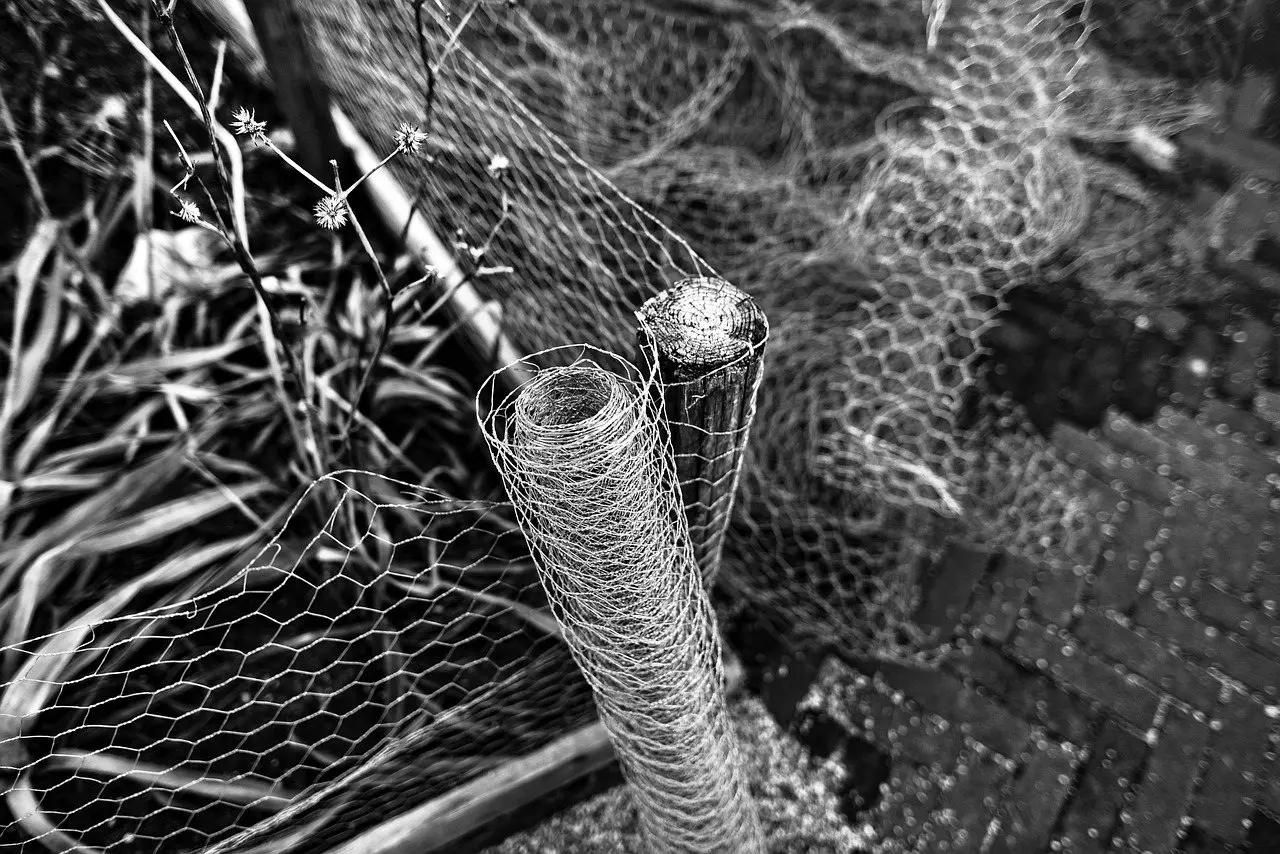
Chicken wire is named for what it does: it keeps chickens inside. Nothing about it keeps anything else out, and a squirrel treats 25 mm hexagonal mesh as a doorway.
What passes what
| mesh | squirrel | rat | mouse | weasel |
|---|---|---|---|---|
| 25 mm hexagonal (chicken wire) | yes | yes | yes | yes |
| 25 mm welded | chews it eventually | sometimes | yes | yes |
| 12 mm welded hardware cloth | no | no | mostly no | no |
| 6 mm welded | no | no | no | no |
Where to spend the money
| location | specification |
|---|---|
| Coop walls, vents, pop-hole | 12 mm welded, 19 gauge |
| Perimeter apron | 12 mm welded, 30 cm, buried and turned outward |
| Run walls above 1 m | 25 mm welded is acceptable |
| Run roof | mesh or solid, if raptors or corvids are about |
| Anywhere at ground level | 12 mm welded |
A raccoon does not need to get in
It reaches through the mesh. A hen roosting against a chicken-wire wall can be grabbed and pulled into it without the predator entering the run at all — which is why a run that is intact in the morning is not evidence that the mesh worked.
The chain of events worth understanding
- A squirrel widens a hexagon to reach spilled feed
- The hole stays, and stops being about squirrels
- Rats use it — and rats take eggs, kill chicks and carry disease
- Something larger works at the enlarged opening
Store the feed properly and most of this stops
Squirrels are at the run for grain, not birds. Feed in a metal bin with a locking lid, no spillage under the feeder, and nothing left in the run overnight removes the reason to chew in the first place.
Common questions
Can a squirrel get through 1 inch chicken wire?
What gets through 1 inch chicken wire?
What should I use instead?
Does doubling up chicken wire help?
Where does mesh matter most?
Will a squirrel actually hurt chickens?
Backyard Weekly
Know what to plant, week by week
Join the weekly email for seasonal jobs, fixes for what is going wrong, and gear worth buying.
Not ready to subscribe? The planting calendar is free and needs no email.
By subscribing you agree to our privacy policy. Grow In Backyard will never sell your address.
Keep reading
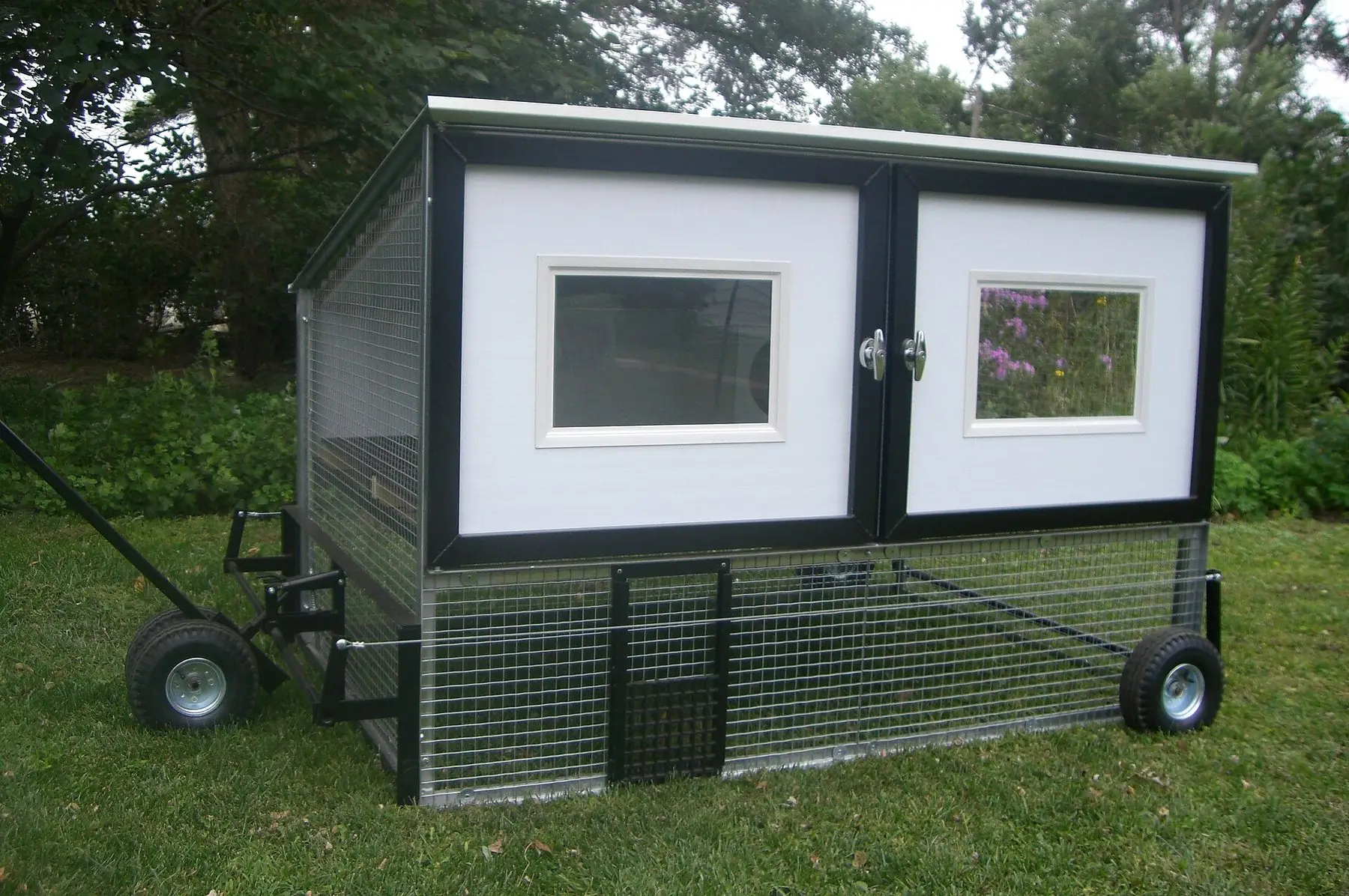
Chicken Coop Plans: Sizing It Right Before You Build
Most coop plans get ventilation and predator-proofing wrong. The dimensions that actually matter, what to build from, and a step-by-step order of work.
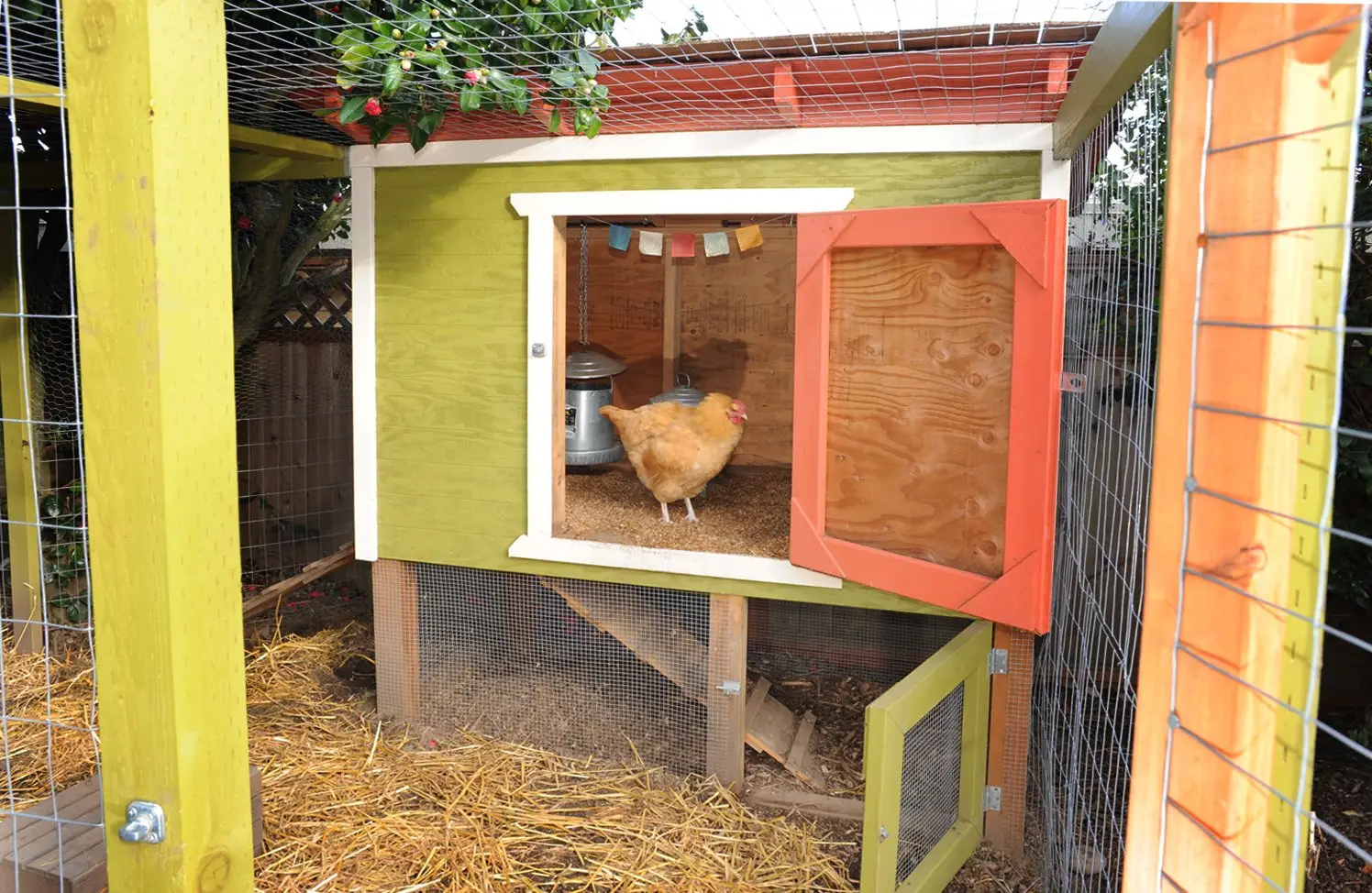
Types of Chicken Coops: Which One Actually Fits Your Yard
Fixed, tractor, walk-in, A-frame — each solves a different problem. What each style is actually for, before you commit to building or buying one.
Backyard Chickens: What It Actually Takes
Space, cost, time, and the rules nobody mentions. An honest account of keeping backyard chickens before you buy the coop — including why the eggs are not free.
Can You Eat Backyard Chicken Eggs Raw? The Honest Risk
Backyard eggs are not safer raw than shop eggs — often the reverse. What salmonella risk actually depends on, and who should never take it.