
Can You Eat Backyard Chicken Eggs Raw? The Honest Risk
Backyard eggs are not safer raw than shop eggs — often the reverse. What salmonella risk actually depends on, and who should never take it.
 By
On this page
There is a real risk, and the comfortable assumption is backwards: backyard eggs are not safer raw than shop eggs. In the UK they are measurably less safe, because commercial Lion-scheme hens are vaccinated and yours are not.
Why the backyard assumption is wrong
The reasoning people use — my hens are healthy, I know what they eat, the eggs are fresh — does not address how salmonella actually gets into an egg.
| commercial (UK Lion) | commercial (US) | backyard | |
|---|---|---|---|
| Hens vaccinated against salmonella | yes | varies | no |
| Flock testing | yes | varies by state | no |
| Washed and refrigerated | no (cuticle kept) | yes | your choice |
| Pasteurised option available | yes | yes | no |
| Cleared for raw consumption | yes, explicitly | pasteurised only | no |
A hen carrying Salmonella enteritidis looks completely normal and lays normal-looking eggs. The bacteria can be deposited inside the egg before the shell forms. Freshness, shell cleanliness and knowing the bird do not touch that pathway.
Who should not take the risk at all
Pregnant women, infants and young children, adults over about 65, and anyone immunosuppressed by illness or medication. For these groups salmonella can mean hospital rather than a bad weekend, and the guidance is firm: cook until white and yolk are both solid.
Where raw egg actually turns up
Most people eating raw egg are not drinking it from a glass:
- Home-made mayonnaise and aioli
- Hollandaise and béarnaise
- Mousse, tiramisu, meringue that is not baked through
- Eggnog
- Protein shakes
- Raw cookie dough and cake batter — the licked spoon
- Soft-boiled and runny-yolk eggs, which are lightly cooked rather than raw but carry a reduced version of the same risk
If you want these without the risk, pasteurised eggs — in the shell or as liquid egg — behave identically in every one of those recipes.
Reducing the risk in your own flock
None of this makes raw consumption safe. It does lower the odds and it improves the eggs generally:
- Collect daily, twice in hot weather
- Clean, dry nest boxes with bedding changed regularly
- Do not wash eggs until just before use — washing strips the cuticle that blocks the pores
- Discard cracked eggs and heavily soiled ones rather than cleaning them
- Refrigerate washed eggs; unwashed eggs keep well at room temperature for a couple of weeks
- Keep the coop dry. Wet litter is where the bacterial load builds
- Wash hands after handling birds, eggs or coop equipment — chicks in particular are a common source of infection in children
The straightforward answer
Cook them. A backyard egg cooked until the white and yolk are firm carries essentially no salmonella risk, tastes better than anything you can buy, and costs nothing to do.
If a recipe genuinely needs raw egg, buy pasteurised for that recipe and keep your own for everything else. That is the whole of the practical advice, and it does not require giving up either the flock or the mayonnaise.
Common questions
Is it safe to eat raw eggs from backyard chickens?
Are backyard eggs safer than store eggs?
Who should never eat raw eggs?
Does washing the egg make it safe to eat raw?
How do I reduce the risk from my own eggs?
What about raw eggs in cookie dough or mayonnaise?
Backyard Weekly
Know what to plant, week by week
Join the weekly email for seasonal jobs, fixes for what is going wrong, and gear worth buying.
Not ready to subscribe? The planting calendar is free and needs no email.
By subscribing you agree to our privacy policy. Grow In Backyard will never sell your address.
Keep reading
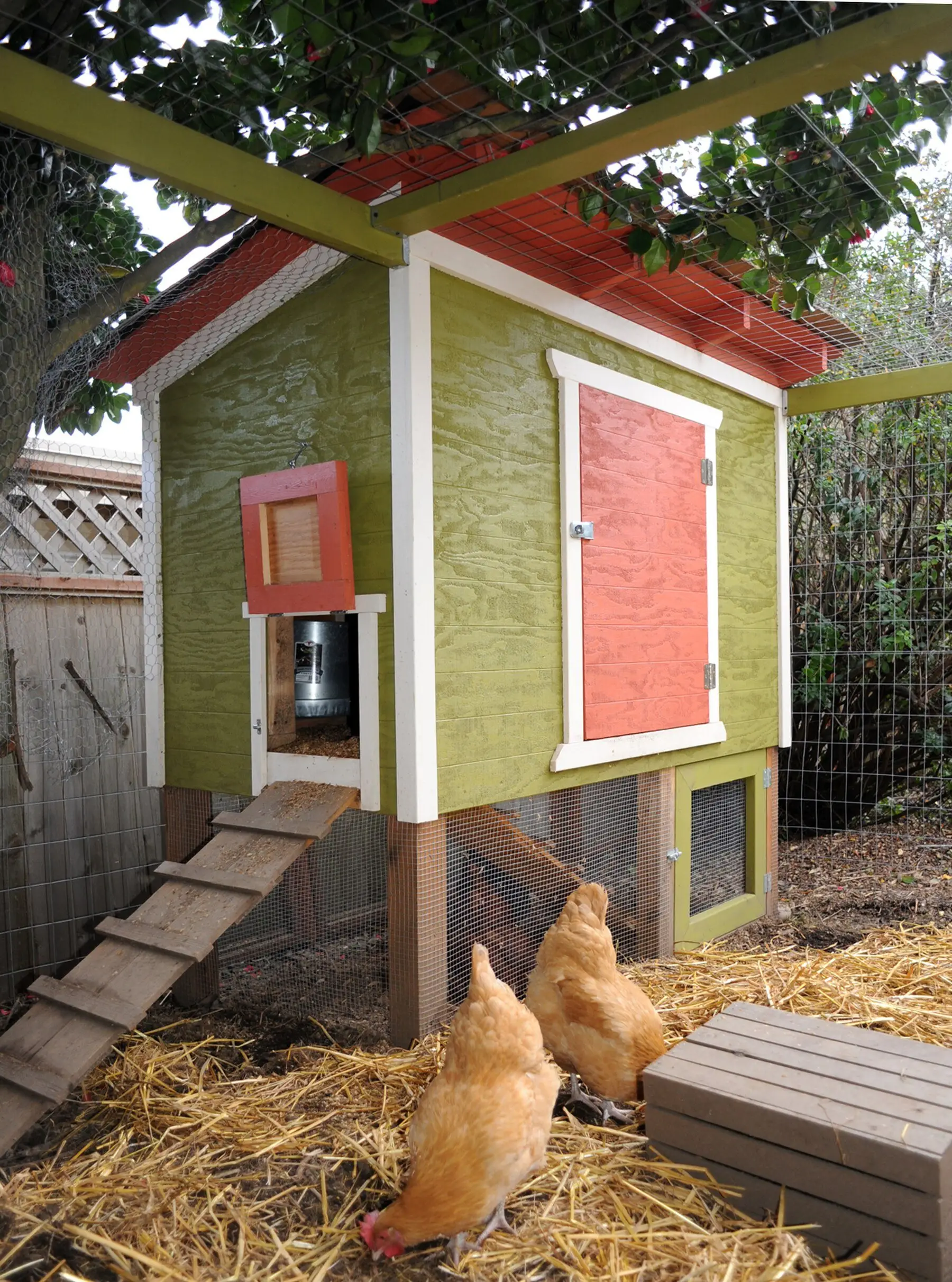
Backyard Chickens and Salmonella: The Real Risk, Managed
Healthy-looking hens carry salmonella routinely. The handling habits that matter, why chicks are the usual source, and how to keep eggs safe.
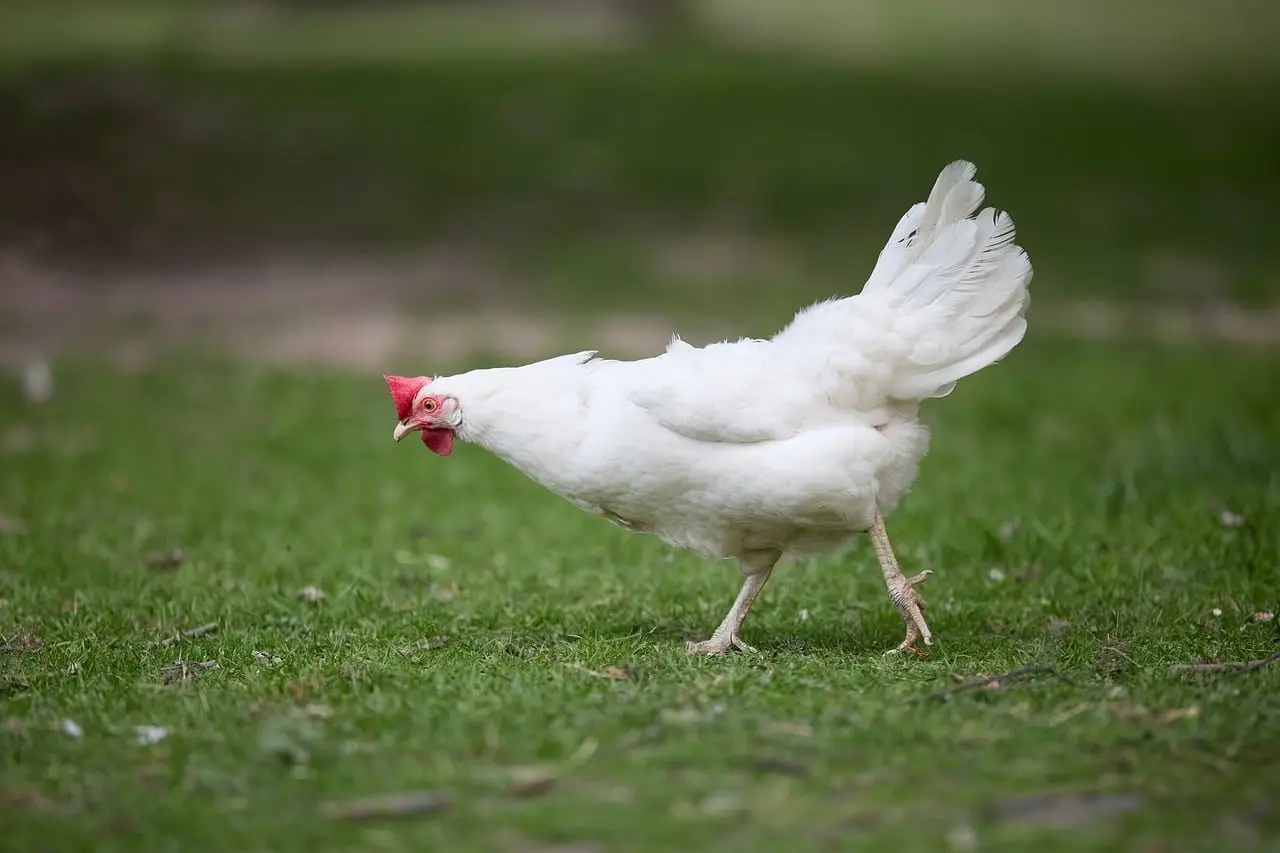
How to Keep Backyard Chickens Healthy: The Routine
Most flock illness is prevented by dry bedding, clean water, parasite checks and quarantine. The weekly routine and the signs that need acting on.
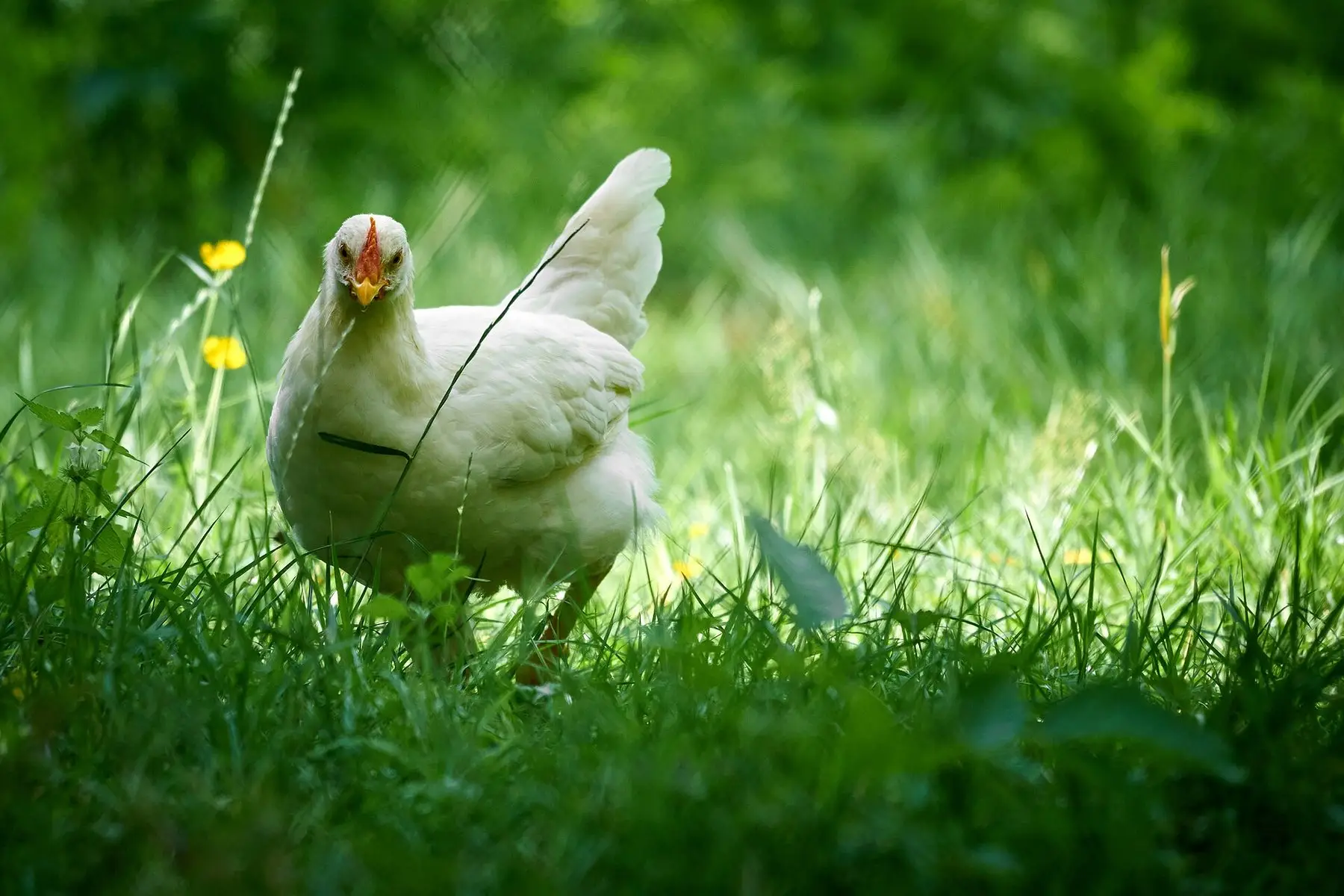
Backyard Chickens: What It Actually Takes
Space, cost, time, and the rules nobody mentions. An honest account of keeping backyard chickens before you buy the coop — including why the eggs are not free.
Chicken Breeds: A Guide by What Each One Is Actually For
Fourteen common breeds sorted by purpose — eggs, meat, dual-purpose, beginner-friendly — with a link to the full comparison for each category.