
Can I Just Throw Bird Seed in the Yard? Yes, With Limits
Scattering seed works for doves, juncos and sparrows and nothing else. What it attracts that you did not want, and how to do it cleanly.
 By
On this page
Scattering seed is a legitimate way to feed, not a lazy shortcut — several species will not use a hanging feeder at all. It goes wrong on quantity and hygiene, not on principle.
Who actually comes to the ground
| species group | ground | hanging feeder |
|---|---|---|
| Doves, pigeons | yes | rarely |
| Juncos, towhees | yes | rarely |
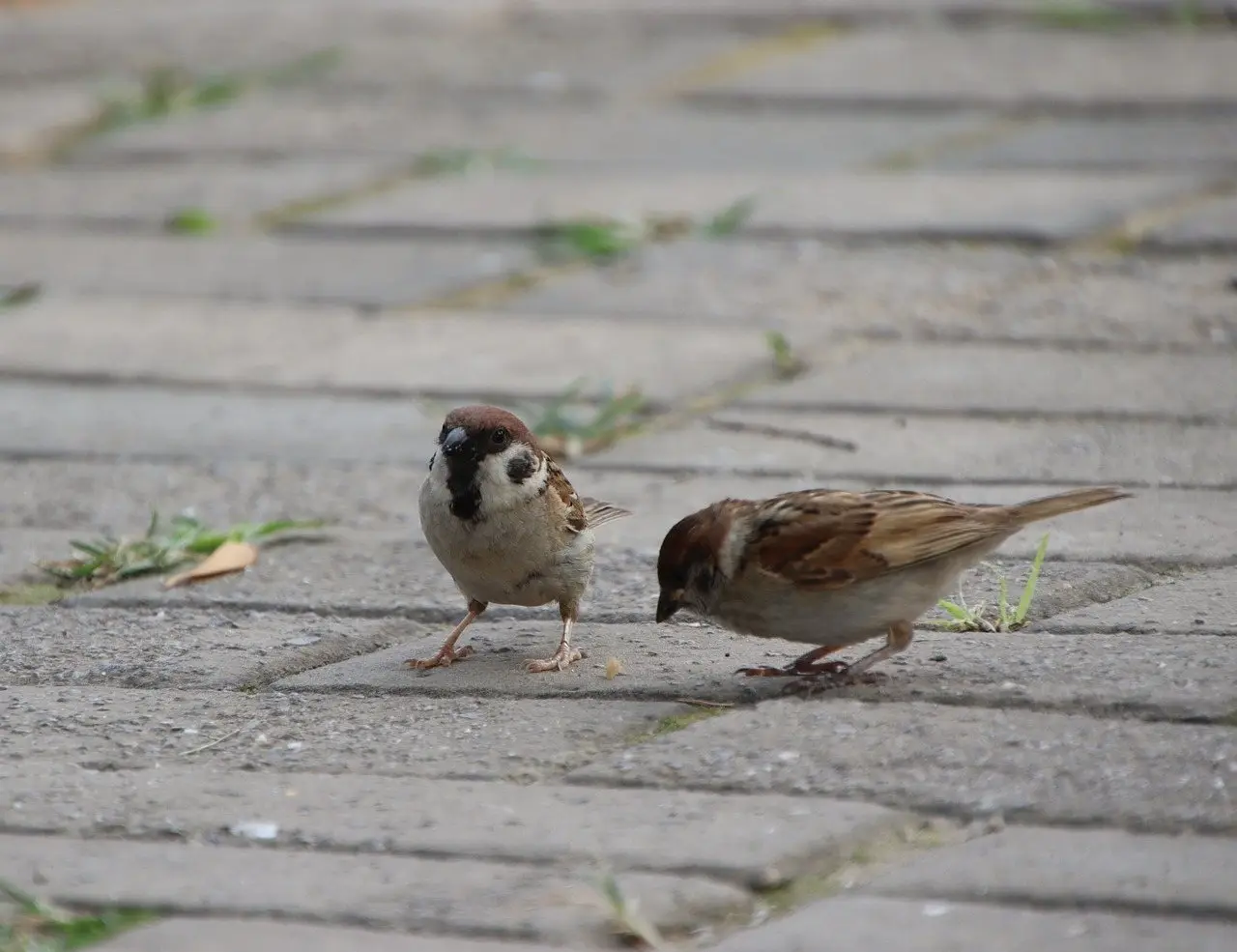
| Sparrows, dunnocks | yes | sometimes |
| Blackbirds, thrushes | yes | no |
| Quail | yes | no |
| Finches, tits, chickadees | sometimes | yes |
| Woodpeckers | no | yes |
Running both is what gives a garden its species count. A tube feeder alone misses a third of the list above.
The seed that is worth throwing
| seed | ground feeders take it |
|---|---|
| White proso millet | readily |
| Cracked corn | readily |
| Black oil sunflower | readily |
| Red milo | mostly rejected |
| Wheat, oats | mostly rejected |
Nothing on the ground at nightfall
Rodents forage after dark. A small morning scatter that is gone by late afternoon never feeds them. A generous evening scatter does, every night, and that is how a feeding habit becomes a rat problem.
Keeping it clean
- Move the spot every three or four days so droppings never build up
- Or use a mesh ground tray, lifted and scrubbed weekly with hot water
- Stop for two to three weeks if you see a bird sitting fluffed and reluctant to fly — that is how trichomonosis and salmonella outbreaks are shortened
- Rake up hulls before they mat; sunflower hulls suppress grass underneath
One handful, one day
The simplest working rule is a single handful at breakfast. If it is gone by lunch, add a second handful tomorrow. If any is left at dusk, halve it. The quantity settles itself within a week.
Common questions
Can I just scatter bird seed on the ground?
Will scattered seed attract rats?
Which seed works best thrown on the ground?
Does scattered seed kill grass?
Is ground feeding more dangerous for birds?
Is a ground tray better than bare scattering?
Backyard Weekly
Know what to plant, week by week
Join the weekly email for seasonal jobs, fixes for what is going wrong, and gear worth buying.
Not ready to subscribe? The planting calendar is free and needs no email.
By subscribing you agree to our privacy policy. Grow In Backyard will never sell your address.
Keep reading
Best Bird Food to Attract Colorful Birds — 6 by Species
The best bird food to attract colorful birds changes by species. 6 foods matched to cardinals, orioles, bluebirds and more. See which to put out first.
Mourning Dove Bird Feeder — 5 Trays and Platforms
A mourning dove bird feeder needs a flat surface, not a perch. 5 trays and platforms compared, plus the seed. See which fits your yard.
The Most Common Backyard Birds, and How to Tell Them Apart
The ten birds you will almost certainly see at a feeder in North America, what each one eats, and the field marks that separate the confusing pairs.
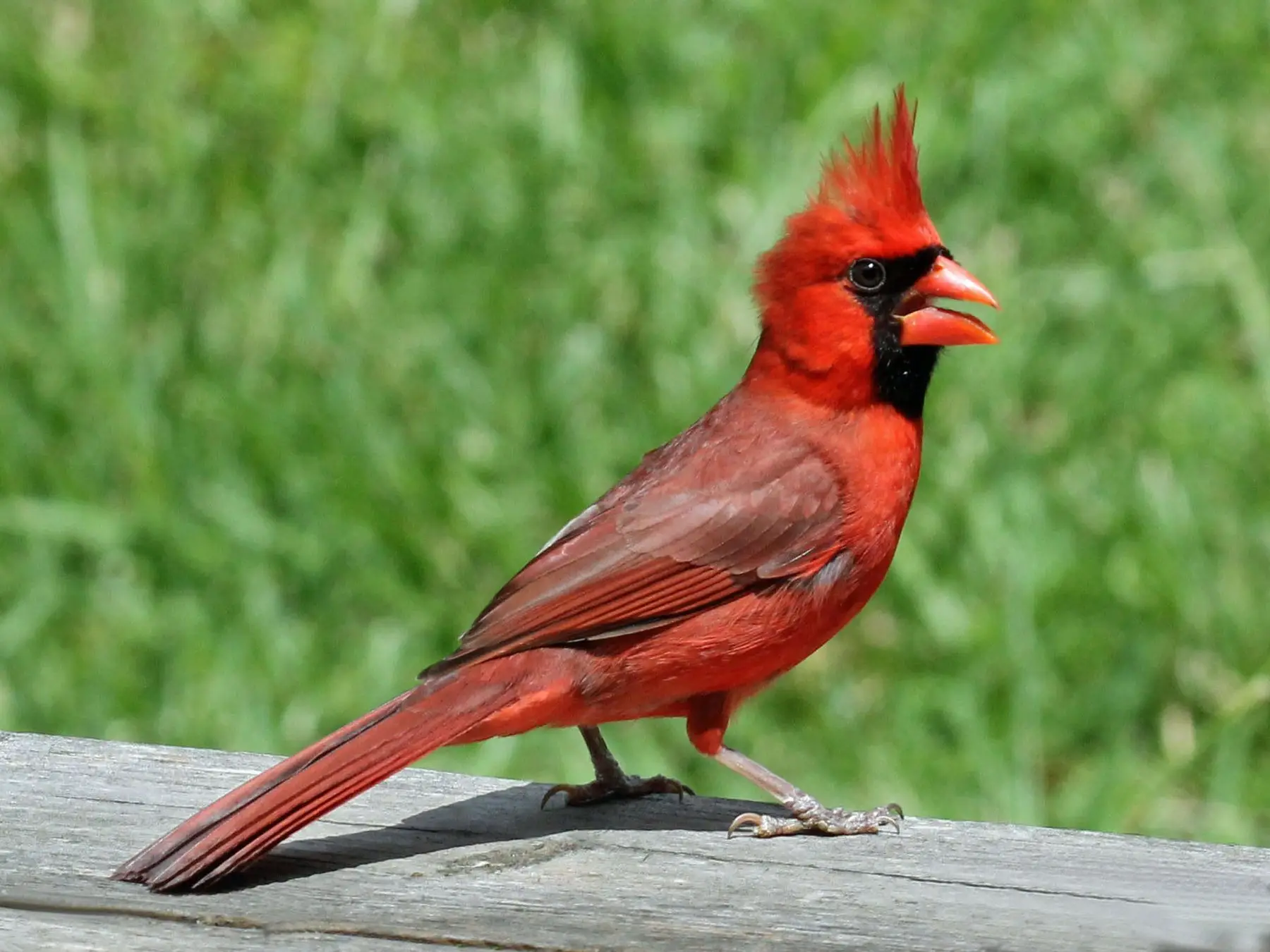
Cardinal Flying Into Window: Why It Happens and How to Stop It
A cardinal attacking a window is fighting its own reflection, usually in spring. Why it targets cardinals specifically, and the fix that actually works.