
Can Ducks Stay in Water All the Time? No, and Here Is Why
Ducks are waterproofed, not waterproof. What happens when preen oil fails, which ducks are at most risk, and how much water they actually need.
 By

On this page
A duck’s waterproofing is a maintenance cycle, not a property of the bird. Take away the dry land where that maintenance happens and the waterproofing fails.
How waterproofing works
| step | what it does |
|---|---|
| Preen gland oil | coats the feather surface |
| Beak combing | re-zips the barbs into a sealed sheet |
| Trapped air layer | the actual insulation |
| Drying time on land | lets the whole system reset |
Remove any one of those and the bird gets wet to the skin. The air layer is what keeps a duck warm and buoyant; oil alone does not.
Risk by bird
| duck | risk of waterlogging |
|---|---|
| Duckling under 4 weeks | very high |
| Duckling 4–6 weeks | high |
| Heavy meat breed (Pekin) | moderate |
| Healthy adult layer | low |
| Moulting or ill adult | elevated |
Incubator ducklings have no waterproofing at all
A duckling raised without a mother gets no transferred preen oil. Supervised paddling for a few minutes in warm shallow water is fine; a bucket, a pond or a deep drinker left accessible is a drowning risk until around six weeks.
What to provide
- Always: water deep enough to submerge the whole head — a bucket or deep drinker
- Daily if possible: bathing depth, 15–25 cm, big enough to sit in and splash
- Always: an easy ramp or shallow end they can walk out on, not a vertical lip
- Always: dry, bedded shelter, shut at dusk
- In frost: check the water is not frozen over twice a day — a duck with no head-dunking water develops eye problems quickly
A tub and a ramp beats a pond
A mortar tub or paddling pool with a plank ramp gives everything a duck needs, tips out in seconds for a clean refill, and can be moved so one patch of ground never turns permanently to mud.
Common questions
Can ducks live in water permanently?
What happens if a duck gets waterlogged?
Which ducks are most at risk?
How much water does a duck actually need?
Can ducklings swim at all?
Do ducks need to get out at night?
Backyard Weekly
Know what to plant, week by week
Join the weekly email for seasonal jobs, fixes for what is going wrong, and gear worth buying.
Not ready to subscribe? The planting calendar is free and needs no email.
By subscribing you agree to our privacy policy. Grow In Backyard will never sell your address.
Keep reading
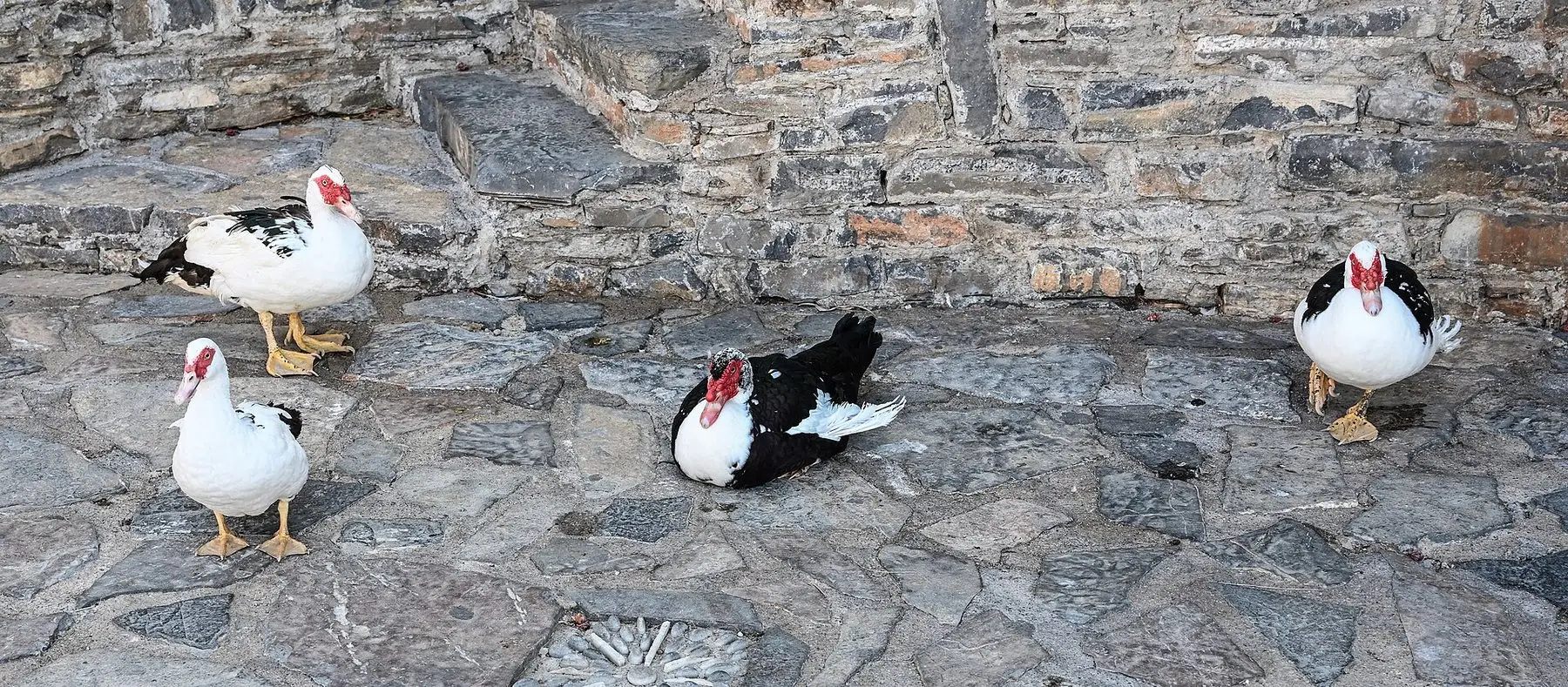
Do Ducks Need a Pond? What They Actually Require
Ducks do not need a pond, but they do need water deep enough to submerge their heads. What that means in practice, and what happens without it.
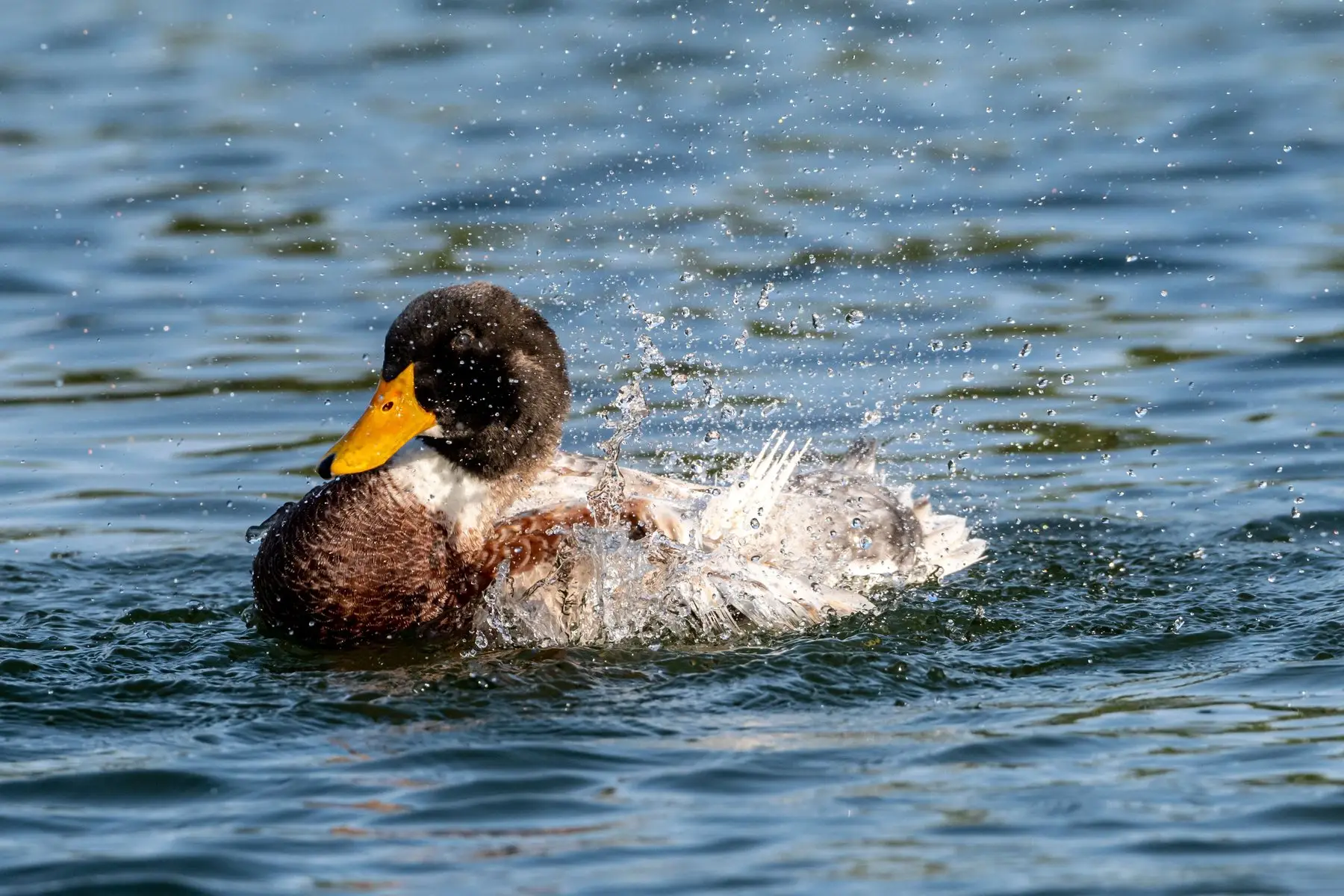
Why Do Ducks Like Water? Six Jobs It Does for Them
Water is not recreation for a duck. It waterproofs feathers, flushes eyes and nostrils, cools, feeds, and makes mating safe. What they actually need.
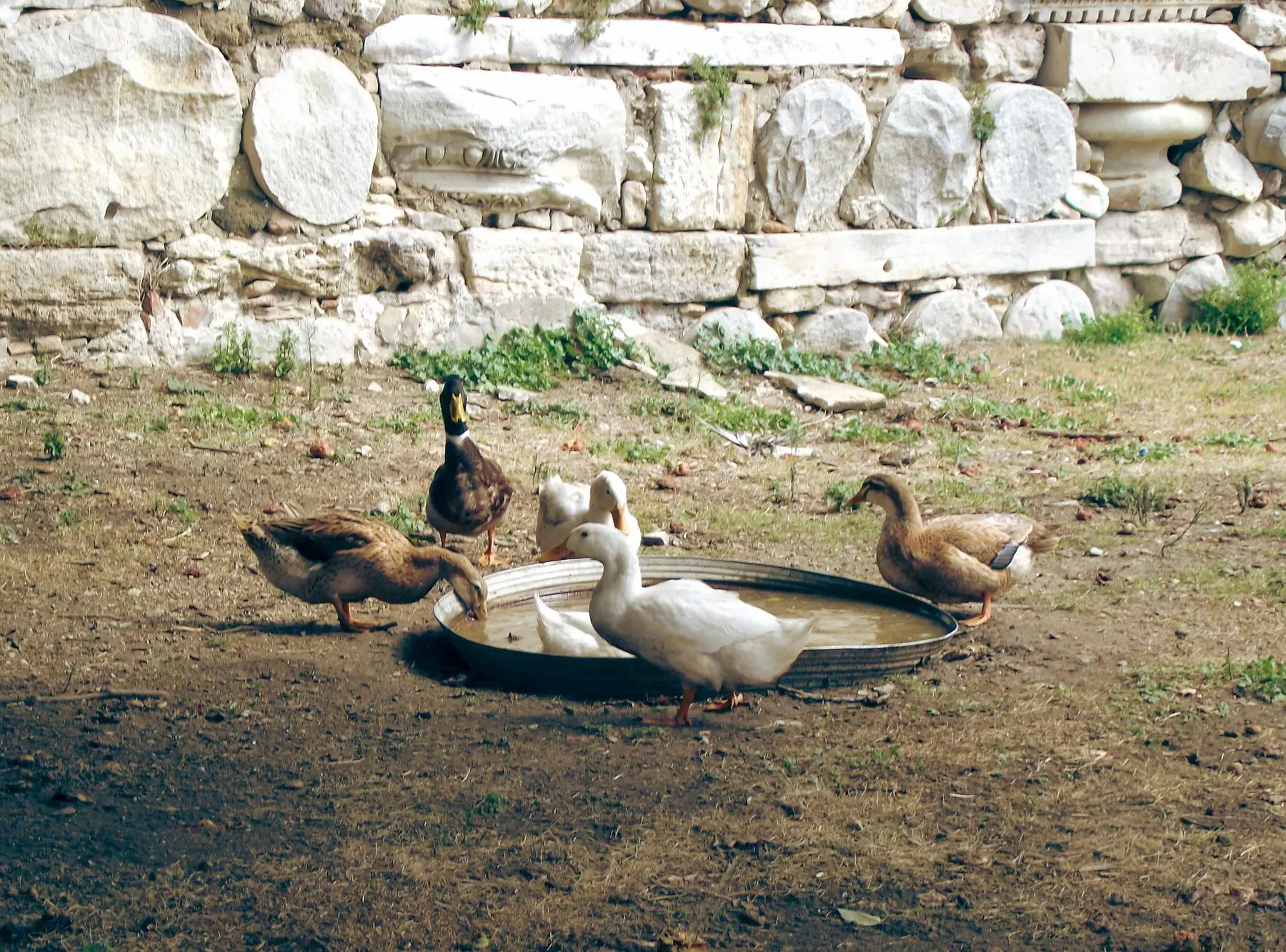
Do Ducks Need Water at Night? Drinking vs Swimming
Ducks need drinking water available overnight if they also have food, but swimming water can be taken away. The safety reasons for splitting the two.
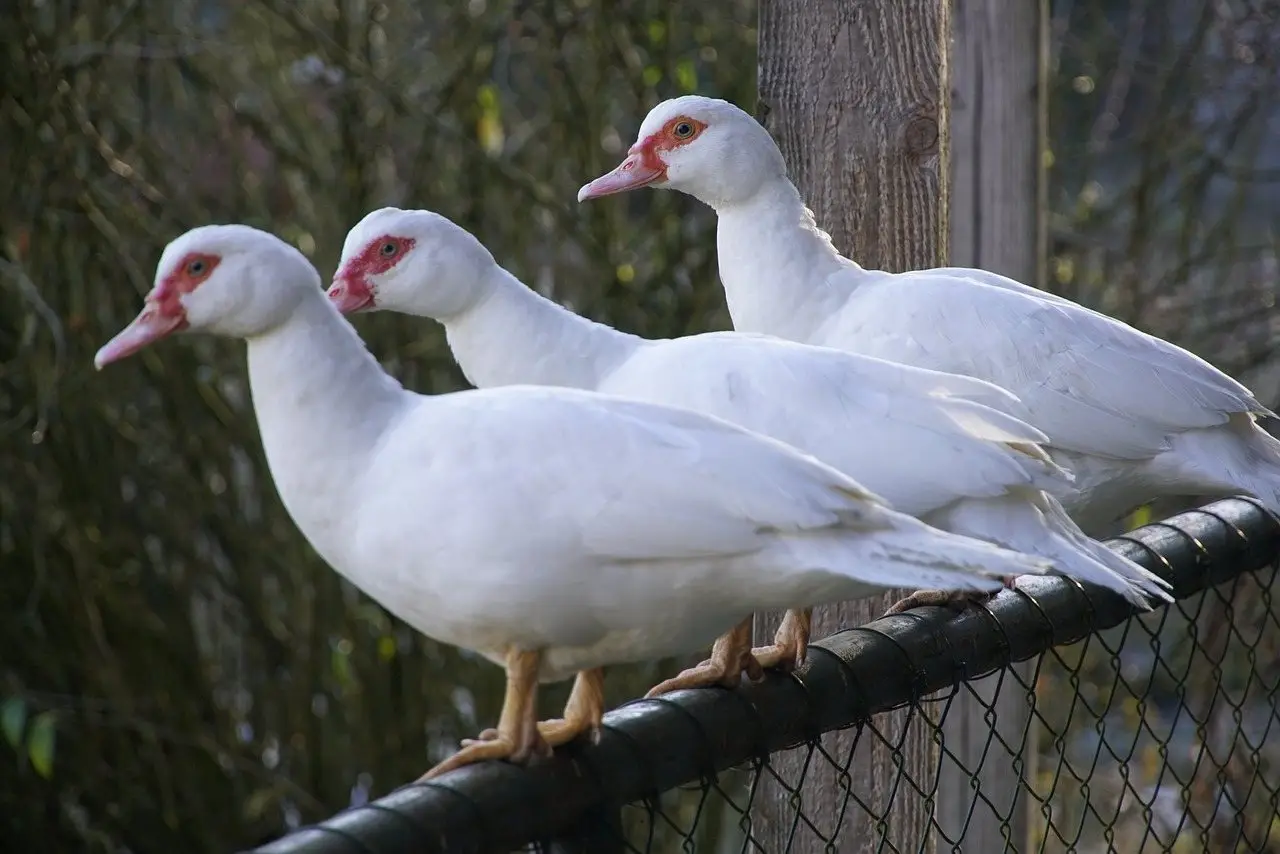
Do Backyard Ducks Fly Away? Most Breeds Can't
Pekins, Rouens and most heavy domestics are too heavy to fly. Which breeds do leave, why wing clipping is rarely needed, and what actually keeps them home.