
How to Get Rid of Flies in a Backyard With Dogs
Dog waste is the breeding source, so daily pickup does most of the work. The safe traps, sprays and barriers to use where dogs have free access.
 By
On this page
In a yard with dogs, the fly problem is almost always the waste, and the fix is unglamorous: pick up every day, keep it dry, and site anything you hang well away from the dog.
Step 1: remove the breeding material
- Pick up faeces daily, twice daily in hot weather
- Bin it in a sealed container emptied weekly, not an open bucket
- Wash food and water bowls daily — the slime film in a water bowl is a breeding site
- Move bedding off bare ground onto a dry raised surface
- Fix the mud patch by the gate or kennel; drainage removes habitat you cannot see
- Clear fallen fruit and compost cooked scraps in a closed system only
Step 2: make the space inhospitable
| measure | notes |
|---|---|
| Pedestal fan on the patio | Most effective thing on this list for a seating area |
| Mesh food covers | For your meals; flies move between both |
| Shade and airflow | Flies cluster in still, hot, sheltered corners |
| Kennel ventilation | A stuffy kennel collects both flies and smell |
Step 3: sprays and traps, used carefully
Permethrin and cats
Pyrethroid yard sprays are generally labelled as safe for dogs once dry, but permethrin is acutely toxic to cats and all pyrethroids are highly toxic to fish. Do not use them where cats roam or anywhere draining into a pond, and keep dogs off until fully dry — read the label’s re-entry time rather than guessing.
- Essential-oil sprays are safe once dry and last 30 to 60 minutes. Avoid tea tree oil — it is toxic to dogs
- Protein-bait bag traps work well, smell appalling, and must hang 20 to 30 feet downwind, out of the dog’s reach
- Sticky ribbon only at head height or above, never where a dog or child can reach it
- Skip chewable bait stations containing insecticide
The biting flies are a different problem
Stable flies and black flies feed on blood at the ear tips and belly:
- Veterinary fly repellent ointment on the ear margins, made for dogs
- Keep the dog in at dawn and dusk, their peak activity
- Clear manure, wet straw and compost within a few hundred feet if you can
- See a vet if the ear tips are open, crusted or bleeding — they get infected and attract more flies
Common questions
Why are there so many flies in a yard with dogs?
What fly spray is safe to use where dogs go?
Are fly traps safe around dogs?
Why are flies biting my dog's ears?
Does keeping the yard dry help?
Do any plants or home remedies keep flies off a dog yard?
Backyard Weekly
Know what to plant, week by week
Join the weekly email for seasonal jobs, fixes for what is going wrong, and gear worth buying.
Not ready to subscribe? The planting calendar is free and needs no email.
By subscribing you agree to our privacy policy. Grow In Backyard will never sell your address.
Keep reading
Natural Fly Repellent Outside: What Works on a Patio
Flies breed in waste and find you by smell. Removing sources, running a fan and using essential-oil sprays in the right order is what clears a patio.
What Smell Do Flies Hate the Most? Scent Is the Weak Part
Basil, mint, lavender and clove genuinely repel flies — briefly, and at close range. Why removing the attractant beats any scent, and what works outdoors.
How to Get Rid of Dog Pee Smell in a Backyard
Urine smell outdoors comes from uric acid salts bonded to soil, grass and paving. Enzyme cleaners break them down — bleach and vinegar do not.
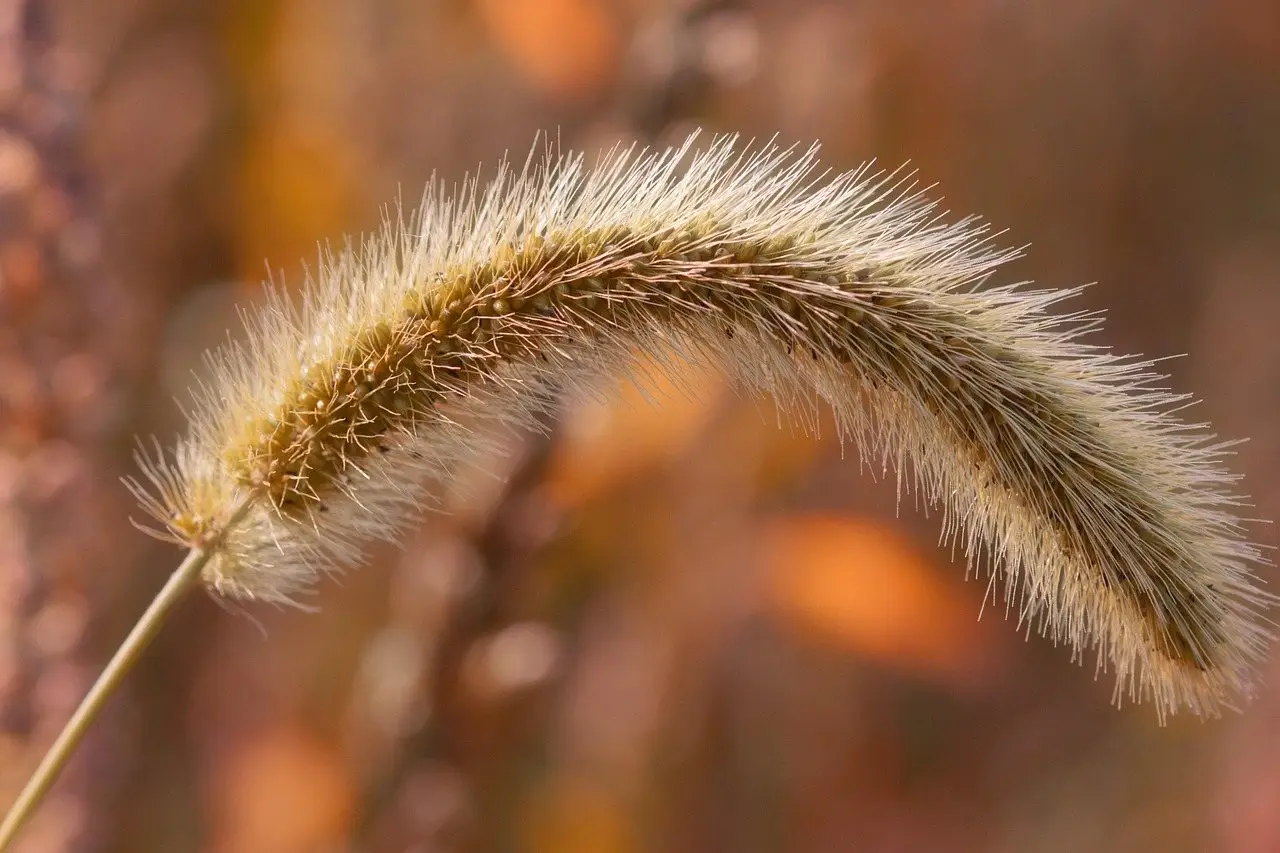
How to Get Rid of Foxtails Before They Hurt a Dog
How to get rid of foxtails: the seed heads migrate into dogs and need surgery. Timing the removal to the 3-week green window, and what works after they dry.