
How to Get Rid of Dog Pee Smell in a Backyard
Urine smell outdoors comes from uric acid salts bonded to soil, grass and paving. Enzyme cleaners break them down — bleach and vinegar do not.
 By
On this page
Outdoor urine smell is uric acid salts bonded into soil, turf and concrete. They do not wash away, which is why the smell returns every time it rains.
Treating grass and soil
- Soak the area with water first to begin loosening the salts
- Apply the enzyme cleaner generously — the product has to reach everywhere the urine did
- Keep it wet for the contact time on the label, usually 15–60 minutes. Shade it or do it in the evening so it does not dry out
- Do not rinse early
- Repeat on spots in constant use
Treating concrete and paving
Concrete holds the salts inside the slab, so this takes more patience:
- Enzymatic cleaner rated for masonry, scrubbed in with a stiff brush
- Keep the surface wet for the full contact time — cover with plastic sheet on a hot day
- Two or three rounds on a saturated old slab
- Seal afterwards with a penetrating masonry sealer so it stops reabsorbing
- A pressure washer alone spreads the problem rather than solving it
Never use bleach on dog urine
Bleach and the ammonia in urine react to release chloramine gases, which are a genuine respiratory irritant in an enclosed yard or on a patio. It also kills grass and leaves the odour-causing salts untouched.
Prevention, which is cheaper than cleaning
- Hose the spot within a few minutes. Dilution is the whole trick — it prevents the burn and the smell together
- Keep the water bowl full, so urine is more dilute to begin with
- Designate one area of pea gravel or coarse bark over free-draining base, and train to it
- Overseed with tall fescue, which tolerates urine better than fine lawn grasses
- Do not add lime or baking soda — the burn is excess nitrogen, not acidity
Common questions
Why does dog urine smell worse in hot or wet weather?
What actually removes the smell?
Does bleach or vinegar get rid of dog urine smell?
How do I deal with urine smell on concrete or paving?
How do I stop the lawn from being killed as well?
Will a dedicated dog toilet area fix the problem?
Backyard Weekly
Know what to plant, week by week
Join the weekly email for seasonal jobs, fixes for what is going wrong, and gear worth buying.
Not ready to subscribe? The planting calendar is free and needs no email.
By subscribing you agree to our privacy policy. Grow In Backyard will never sell your address.
Keep reading
Is Lawn Fertilizer Safe for Dogs — 3 Lower-Risk Picks
Is lawn fertilizer safe for dogs depends entirely on the ingredients. 3 lower-risk choices compared, plus how long to keep off. See which suits yours.
What Grass Is Most Resistant to Dog Urine? Fescue and Rye
Tall fescue and perennial ryegrass tolerate urine better than Kentucky bluegrass or Bermuda. But watering the spot within hours beats any variety.
How to Fix Burned Grass: Diagnose First, Then Repair
Fertilizer burn, dog urine, drought and disease all look similar and need different fixes. How to tell them apart and repair each one.
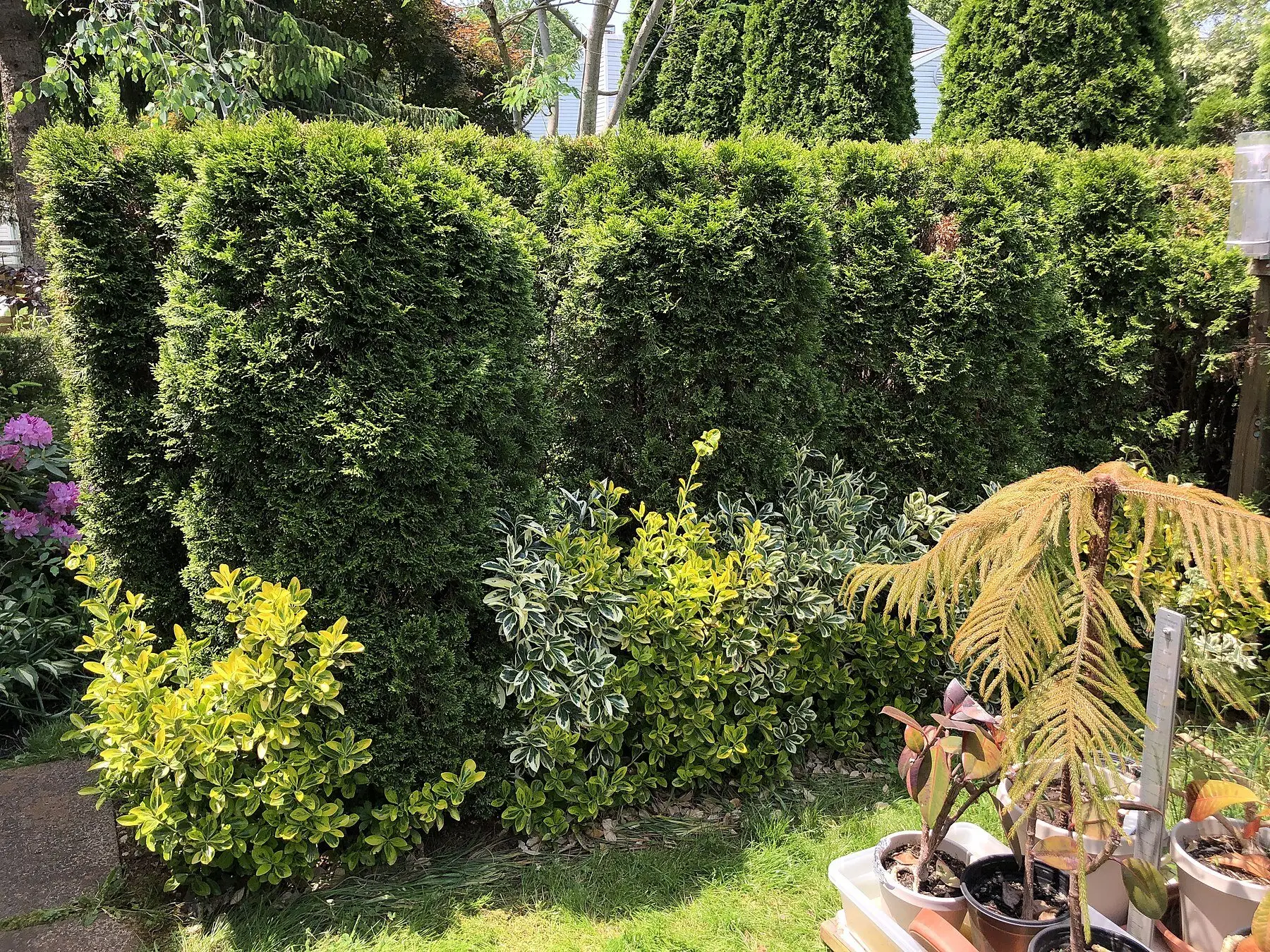
How to Tell if an Arborvitae Is Dying: The Scratch Test
Brown arborvitae foliage is often seasonal shedding, not death. Scratching the bark and checking where the brown sits separates the two in a minute.