
Does Wood Ash Kill Weeds? Not Reliably, and It Raises pH
Wood ash does not kill weeds. What it does is raise soil pH and add potassium — useful in the right place, damaging if spread as a weed treatment.
 By
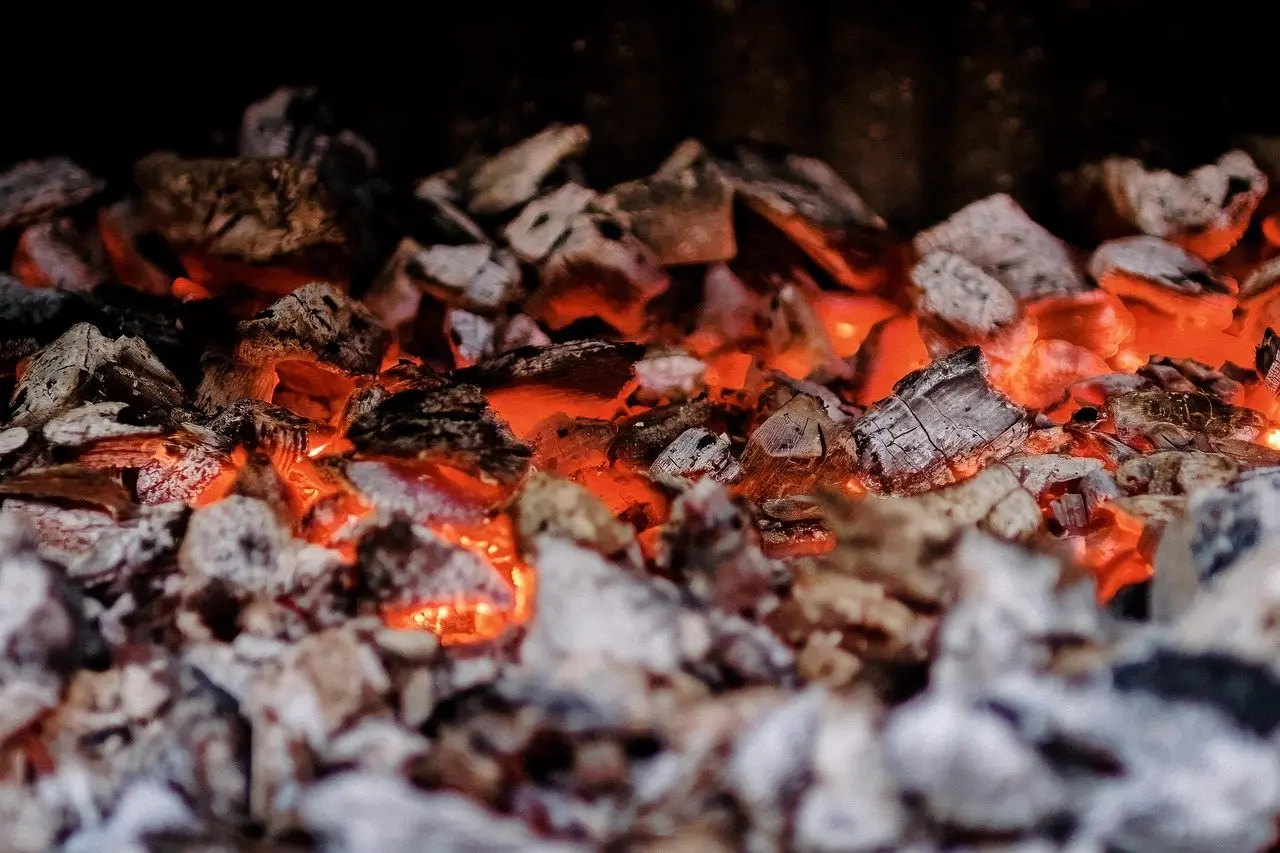
On this page
Wood ash is a liming material and a potassium source, not a herbicide. Spreading it to kill weeds damages the soil and leaves the weeds growing.
Why it does not work as a weed killer
- No herbicidal action. Ash has no chemistry that damages plant tissue the way acid or salt does
- Most weeds tolerate alkalinity. Raising pH shifts which species dominate; it does not clear the ground
- The rate needed to smother anything established is far above what soil can take
- The damage lasts long after the weeds come back
What it is genuinely good for
| use | detail |
|---|---|
| Raising pH on acid soil | Thin, even, worked in; after a soil test |
| Potassium for fruit and vegetables | ~3–7% potash; good for tomatoes, beans, root crops |
| Compost heap | Small amounts, layered — not dumped in |
| Slug deterrent | Marginal, and only while completely dry |
Never dump ash in a pile
A concentrated heap creates a patch of highly alkaline, structureless soil that stays dead for years. Spread thinly, or bag it and dispose of the excess.
Ash you must not use
- Treated, painted or stained timber — preservatives and heavy metals
- Charcoal briquettes — binders and additives
- Coal ash — sulfur and heavy metals
- Glossy printed paper and card
- Anything containing plastic or household rubbish
Only clean untreated wood ash, cooled completely and kept dry, belongs in a garden.
What to use on the weeds instead
- Boiling water on paving and gravel
- Flame weeder for cracks and joints
- Hand-pulling after rain for perennials — the root has to come out
- Mulch or landscape fabric to stop the next generation
- Vinegar for a quick burn-off of top growth
Common questions
Does wood ash kill weeds?
What does wood ash actually do to soil?
How much wood ash can you use in a garden?
Can you put wood ash on a lawn?
Which plants should never get wood ash?
What should I use to kill weeds instead?
Backyard Weekly
Know what to plant, week by week
Join the weekly email for seasonal jobs, fixes for what is going wrong, and gear worth buying.
Not ready to subscribe? The planting calendar is free and needs no email.
By subscribing you agree to our privacy policy. Grow In Backyard will never sell your address.
Keep reading
Does Vinegar Kill Weeds — 4 Checks on What It Misses
Does vinegar kill weeds down to the root, or only the leaves? Only the leaves, and 4 checks cover strength, gear and perennials. See where it earns use.
How to Raise Soil pH: Lime, Rates and Timing
Test first, then apply the right lime at the right rate for your soil texture. Why wood ash is not a substitute, and why nothing changes for months.
How to Spread Wood Ash on Lawn: Rates, Timing and Risks
Wood ash raises pH fast and supplies potassium, which makes it useful on acid soil and harmful everywhere else. Test first, then apply at a measured rate.
How Long Does Salt Take to Kill Weeds? 7 to 10 Days
Salt wilts weeds in days and kills most in a week to ten days — and sterilises the soil for years. Where that trade-off is acceptable and where it is not.