
Straw Mulch for a Vegetable Garden: Depth and Timing
Straw mulch holds moisture, stops weeds and keeps fruit clean. The depth to use, when to apply it, and the hay and herbicide traps to avoid.
 By
On this page
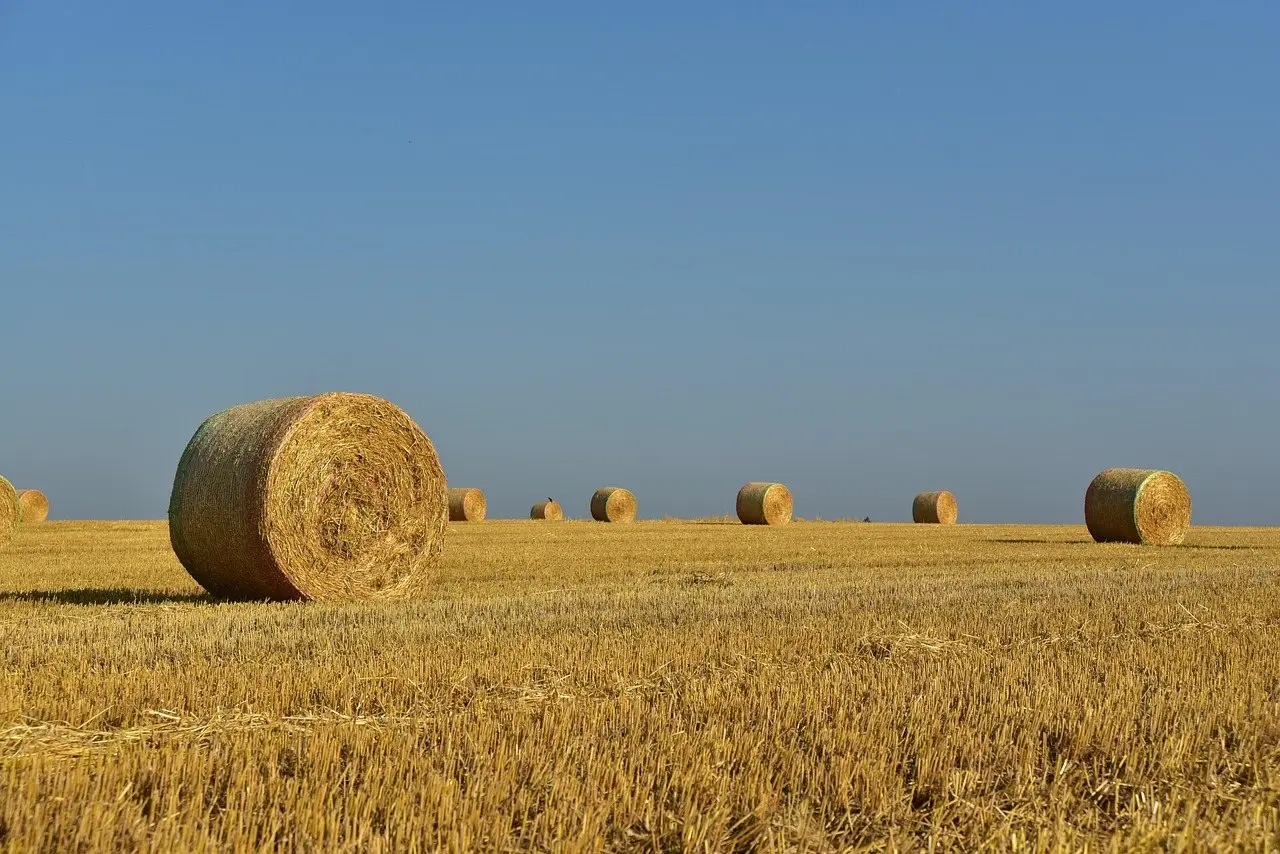
Straw is the standard vegetable-garden mulch for good reasons — but two traps, hay and persistent herbicide, ruin more crops than straw mulch ever saves.
What it does
- Holds moisture, cutting irrigation noticeably in summer
- Suppresses weeds, especially annuals germinating from the surface
- Keeps fruit clean — squash, melons, cucumbers and strawberries off wet soil
- Moderates soil temperature, which matters most in heat
- Prevents soil splash, which is how many fungal diseases reach lower leaves
- Breaks down into organic matter over a season or two
Straw against hay
| straw | hay | |
|---|---|---|
| What it is | Hollow stems after grain harvest | Dried whole grass and legumes |
| Seeds | Few | Many — grass and weeds for years |
| Nutrients | Low | Higher |
| Garden use | Standard choice | Deep-mulch systems only, knowingly |
Persistent herbicide is the real risk
Aminopyralid and clopyralid survive baling, composting and animal digestion, and they deform tomatoes, beans, peas and potatoes at concentrations too low to detect any other way. Ask the supplier whether the crop was sprayed. If you cannot find out, sow peas in a pot of compost mixed with the straw and watch for twisted, cupped growth before mulching a whole bed.
Timing
| when | why |
|---|---|
| Late spring, after soil warms | Mulching cold soil delays tomatoes, peppers, squash |
| Once plants are established | Seedlings get smothered and slug-eaten under mulch |
| Late autumn, over bare beds | Protects structure and overwintering roots |
| Not midwinter on young fruit trees | Voles nest in it and gnaw bark |
Managing the downsides
- Slugs: keep straw clear of stems, patrol at dusk in spring, delay mulching tender seedlings
- Voles: thin or remove winter mulch around young trees and shrubs
- Nitrogen: surface straw barely affects it; do not till fresh straw in
- Wind: water it down after laying, or it ends up in the neighbour’s yard
Common questions
How thick should straw mulch be in a vegetable garden?
What is the difference between straw and hay for mulch?
When should straw mulch be applied?
Does straw mulch attract slugs and voles?
Is there a herbicide risk with bought straw?
Does straw mulch rob nitrogen from the soil?
Backyard Weekly
Know what to plant, week by week
Join the weekly email for seasonal jobs, fixes for what is going wrong, and gear worth buying.
Not ready to subscribe? The planting calendar is free and needs no email.
By subscribing you agree to our privacy policy. Grow In Backyard will never sell your address.
Keep reading
What Is the Best Mulch to Stop Weeds? Depth Beats Material
Any mulch at 7–10 cm suppresses weeds well. Coarse bark lasts longest, but nothing stops seeds landing on top and germinating in the mulch itself.
How to Amend Clay Soil Without Tilling
Tilling clay breaks the structure you are trying to build. Compost on the surface, deep roots and time do the work instead — and it holds.
Cover Crop for Raised Beds: Which Ones Suit a Small Bed
Most cover crop advice assumes a field and a tractor. What works in a four-by-eight bed, how to kill it without digging, and the timings that matter.
Too Much Nitrogen in Soil: Signs and How to Correct It
Excess nitrogen gives lush leaves and no fruit, burnt tips and weak growth. How to confirm it and bring soil back without wrecking the season.