
How to Keep Grasshoppers Off Plants Without Blanket Spraying
Row cover, a trap crop and Nosema locustae handle grasshoppers. Why sprays fail against adults and what timing actually matters.
 By
On this page
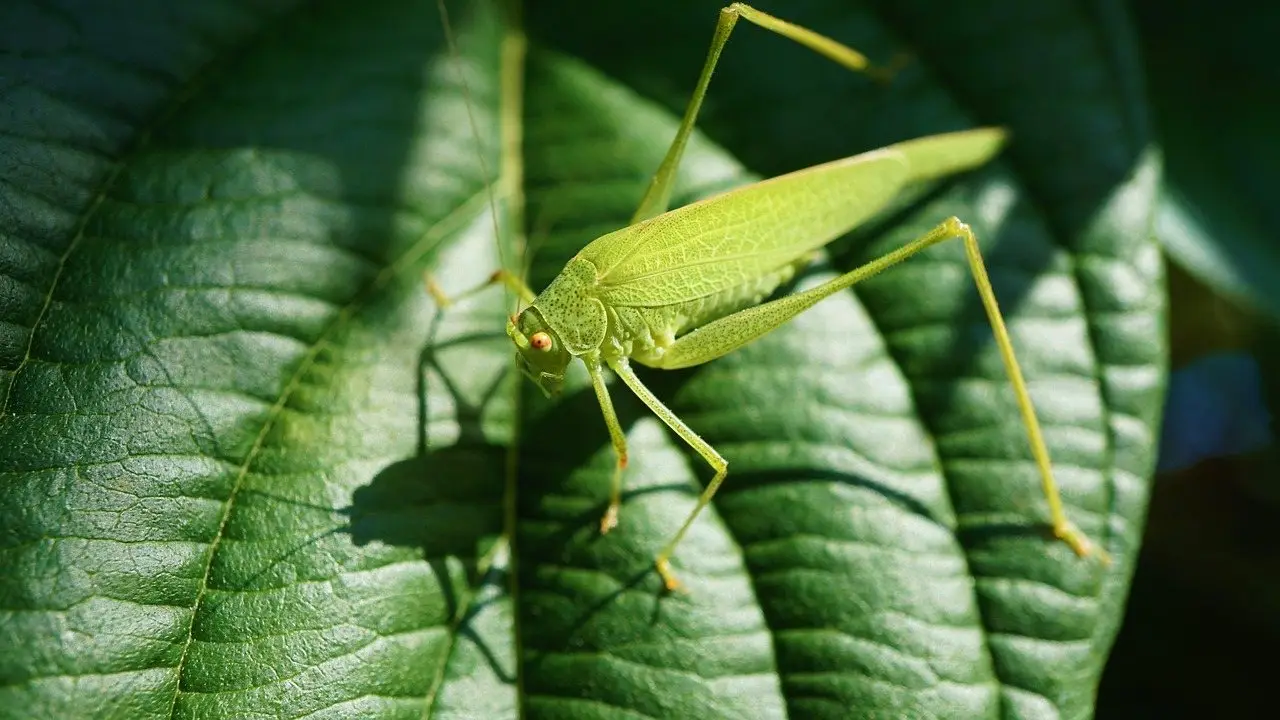
Grasshoppers fly in from surrounding grassland, so nothing you put on a plant stops them for long. Exclusion works; timing works; spraying the vegetables in August does not.
What works, in order
| measure | effectiveness | when |
|---|---|---|
| Floating row cover / insect netting | High | Whenever they are active |
| Treating nymphs in margins | High | Late spring, while flightless |
| Nolo Bait (P. locustae) | Moderate, slow | Late spring on nymphs |
| Trap crop at the garden edge | Moderate | Through the season |
| Kaolin clay on foliage | Low–moderate | Reapply after rain |
| Encouraging birds | Moderate, long term | Year round |
| Contact spray on adults | Low | — |
Row cover done properly
- Lightweight insect netting over hoops, not laid on the plants
- Pinned or buried at every edge — grasshoppers walk in under a loose edge
- Lift for pollination on fruiting crops, or hand-pollinate
- Check inside weekly; one grasshopper sealed in does a lot of damage
- Repair tears immediately
The timing that matters
- Autumn: mow and clear grassy margins where eggs are laid — this reduces next year’s hatch
- Late spring: nymphs hatch, small and flightless, concentrated at the field edge. This is the window. Nolo Bait or a targeted treatment here is worth ten times the same effort later
- Summer: adults arrive. Exclusion only
- Late summer: eggs laid in bare and grassy soil. Cultivating those areas exposes them
Blanket spraying is a net loss
Grasshoppers are eaten in huge numbers by birds, spiders, robber flies, toads, mantids and blister beetle larvae that eat the eggs themselves. A broad-spectrum spray removes those and does not stop the next wave flying in.
Encouraging the predators
- Bird perches and cover near the garden, plus water
- Chickens or guinea fowl if you keep poultry — guineas are relentless
- Leave some rough grass away from the beds for toads and spiders
- Avoid broad-spectrum insecticide anywhere near the garden
Common questions
What is the most effective way to stop grasshoppers eating plants?
Does spraying work on grasshoppers?
What is Nolo Bait and does it work?
Why do I suddenly have so many grasshoppers?
What eats grasshoppers?
Can I protect plants without covering them?
Backyard Weekly
Know what to plant, week by week
Join the weekly email for seasonal jobs, fixes for what is going wrong, and gear worth buying.
Not ready to subscribe? The planting calendar is free and needs no email.
By subscribing you agree to our privacy policy. Grow In Backyard will never sell your address.
Keep reading
What Plants Deter Japanese Beetles? A Short, Honest List
Japanese beetles avoid a handful of plants, but nothing you grow repels them from the ones they like. Planting choice is avoidance, not protection.
How to Start a Vegetable Garden in Your Backyard
Pick the sunniest spot, start small, build soil, and grow six crops well. The first-season plan that avoids the usual expensive mistakes.
Tiny White Bugs on Plants: Identifying What You Have
Five different pests look like white specks. How to tell mealybugs, whitefly, thrips, mites and springtails apart — and which one is harmless.
How to Plant Cactus Cuttings: Callus First, Water Last
A fresh cut planted straight into damp compost rots. Let the wound callus for days or weeks, pot dry, and wait before the first watering.