
Firewood Drying Time Chart by Species
Ash and pine season in 6 to 12 months, oak needs 18 to 24. A species table plus the stacking rules that halve the time.
 By
On this page
Species sets the floor, and stacking sets whether you reach it. Badly stacked ash can be wetter after two years than well-stacked oak.
Drying time by species
| species | typical seasoning time | notes |
|---|---|---|
| Pine, spruce, fir | 6–9 months | Fast, resinous, burns quickly |
| Poplar, willow | 6–9 months | Low heat output |
| Ash | 9–12 months | The classic easy firewood |
| Birch | 9–12 months | Bark sheds water — stack bark-up |
| Cherry | 12–18 months | Pleasant smell, moderate heat |
| Maple | 12–18 months | Good heat |
| Beech | 12–18 months | Dense, excellent heat |
| Oak | 18–24 months | Slowest, highest heat. Worth the wait |
| Elm | 18–24 months | Hard to split, dries slowly |
| Hickory | 18–24 months | Very high heat |
Stacking rules that change the timeline
- Split first, not after. Moisture exits through end grain and split faces
- Off the ground — pallets, rails or a gravel base
- Single row where possible, or leave air gaps between rows
- Ends open to prevailing wind, long axis across it
- Top covered only, with the sides left fully open
- Sun helps, wind helps more
Do not tarp the sides
A fully wrapped stack traps the water leaving the wood. This is the single most common reason wood is still wet after two summers. Roof it; do not wrap it.
Checking it
| method | reliability |
|---|---|
| Pin moisture meter on a freshly split face | Best |
| Meter on a weathered outer face | Reads too low — misleading |
| Weight compared to fresh | Good |
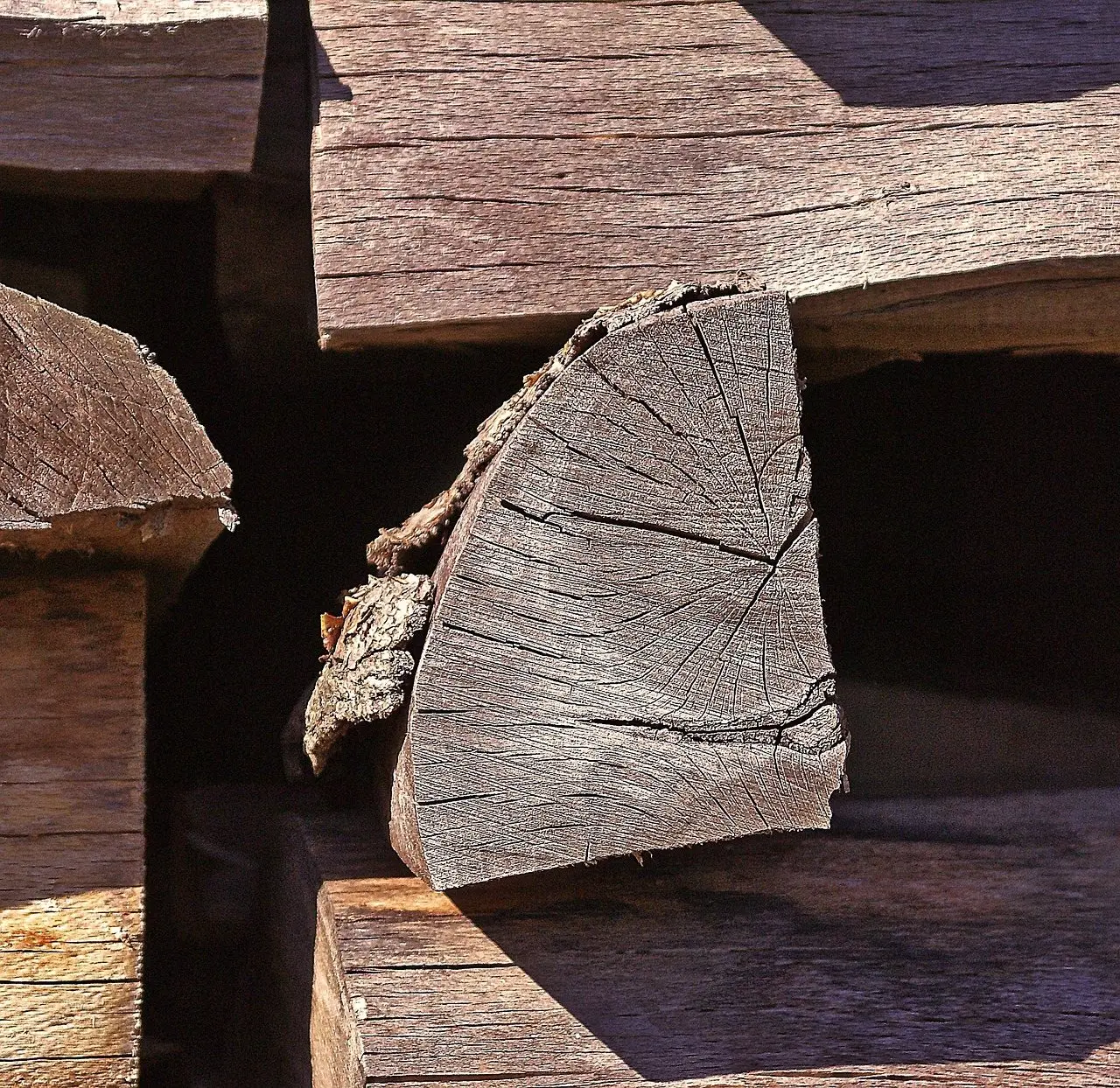
| Radial cracks in the end grain | Good |
| Grey, faded surface and loose bark | Fair |
| Two pieces ringing rather than thudding | Fair |
Why wet wood matters
- Heat lost to evaporating water instead of warming the room
- Hard to light and keep going
- Creosote deposits in the chimney from unburnt volatiles — the genuine fire risk
- More smoke, which is both a nuisance and a local air-quality issue
Common questions
How long does firewood take to season?
What moisture content should firewood be?
How can I tell if firewood is dry without a meter?
Does covering firewood make it dry faster?
Does splitting wood make it season quicker?
Is it worth buying kiln-dried firewood?
Backyard Weekly
Know what to plant, week by week
Join the weekly email for seasonal jobs, fixes for what is going wrong, and gear worth buying.
Not ready to subscribe? The planting calendar is free and needs no email.
By subscribing you agree to our privacy policy. Grow In Backyard will never sell your address.
Keep reading
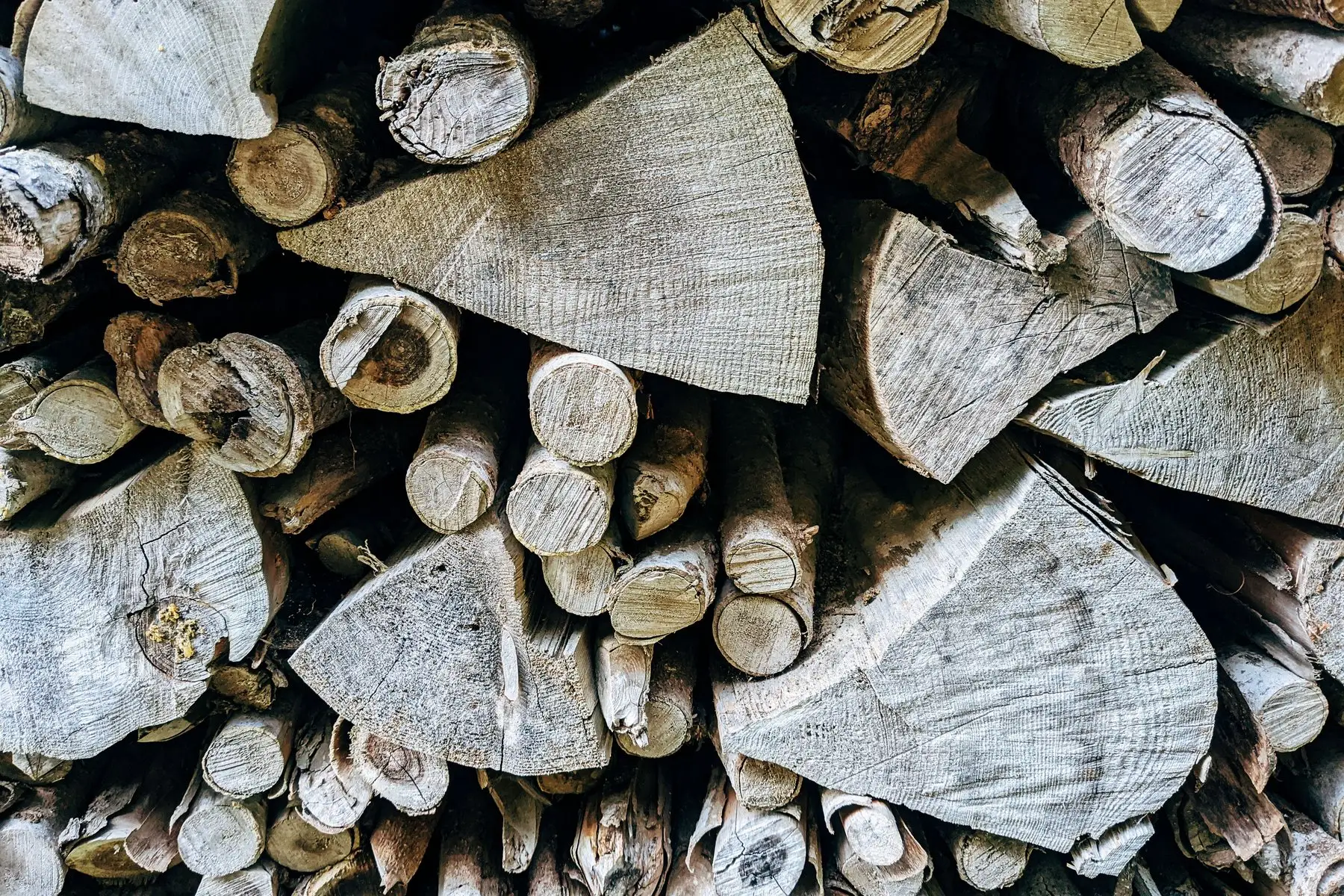
How to Dry Firewood Fast: What Actually Speeds It Up
Splitting small does more than anything else, and a tarp over the whole pile undoes it. Realistic timescales, and why there is no shortcut to under 20%.
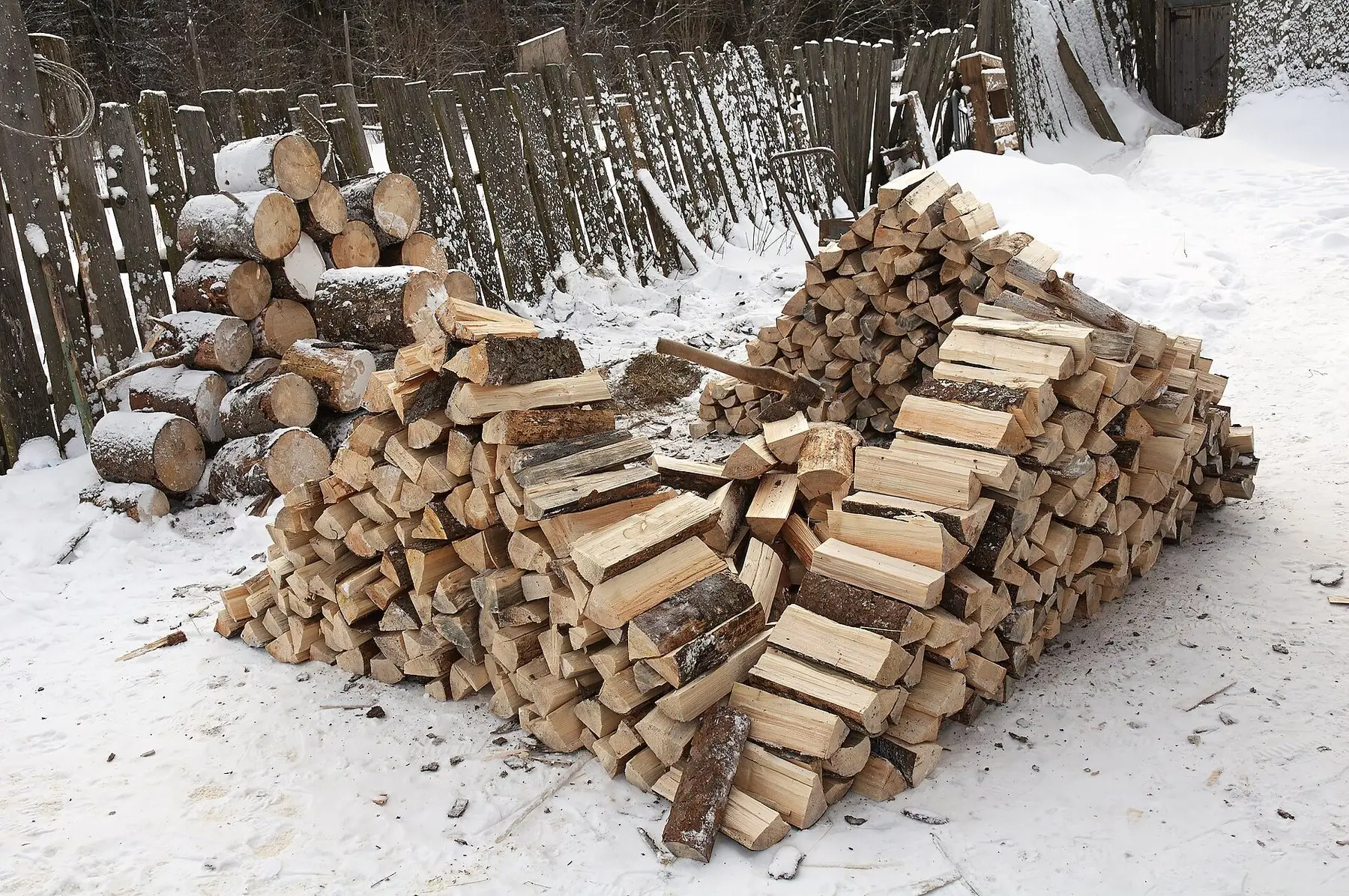
Firewood: What to Burn, and How Dry It Has to Be
Moisture matters more than species. How long each wood takes to season, how to tell when it is ready, and the things you must never put on a fire.
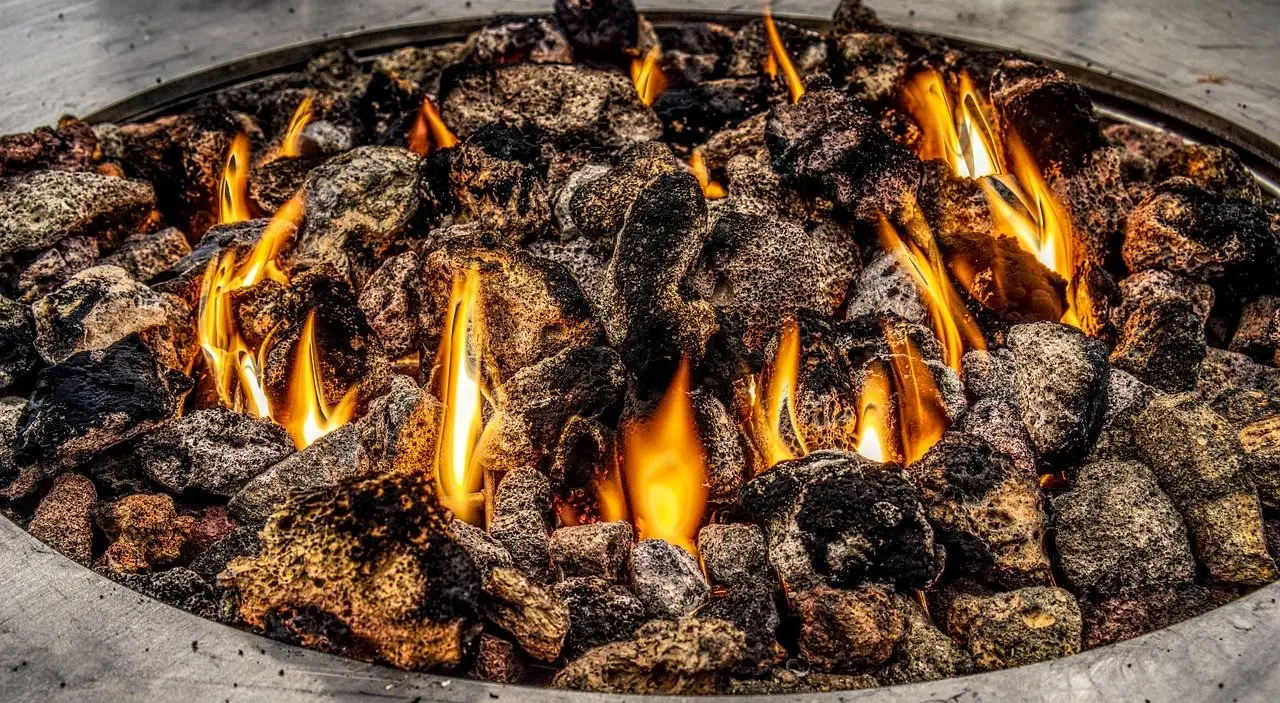
How Hot Do Fire Pits Get? Temperatures and Safe Distances
A wood fire pit runs 600 to 1,100 °F at the flame and radiates enough heat to scorch decking. The numbers that decide clearances.
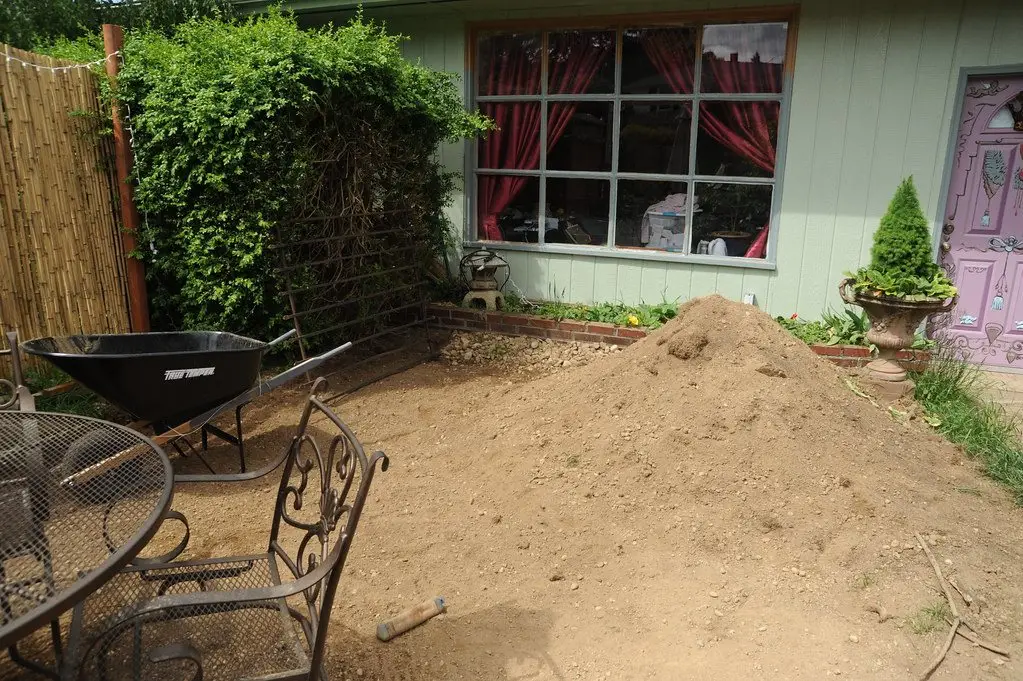
How Many Wheelbarrows in a Ton? Weight Decides, Not Volume
A barrow's rated capacity is not what you can lift. Realistic loads for soil, gravel, sand and mulch — and the sum that works for any material.