
Why Is It Called a Chicken Coop? The Word Means Basket
Coop traces to a word for a woven basket or cage, by way of the same root as cooper. How the term narrowed to poultry, and what it means in the US and UK.
 By

On this page
Coop meant basket. The word comes from a root for a woven container — the same root that gives us cooper, the barrel-maker — and early poultry were kept in baskets long before they were kept in sheds.
The word
| stage | form | meaning |
|---|---|---|
| Latin | cupa | cask, tub, vat |
| Old/Middle English | cowpe, cupe | woven basket, wicker cage |
| Early modern English | coop | a cage or pen for poultry |
| Modern | coop | the whole hen house |
The connecting idea is a container that holds something in, which is also why cooper — someone who makes casks — shares the ancestry. A barrel and a hen basket are, etymologically, the same kind of object.
What changed is the material, not the concept. Birds kept in a wicker basket and birds kept in a timber shed are being confined by the same logic, so the name carried across when the structure did.
Why baskets in the first place
Before poultry keeping became a permanent, housed activity, confinement was temporary and portable:
- Holding birds for market — a basket is cheap, light and stackable
- Fattening a few birds in a confined space
- Protecting a broody hen and chicks from predators overnight
- Transport, which is still done in crates today
The permanent hen house is the later development. The word is older than the building.
Cooped up
The figurative sense is recorded from the seventeenth century and it means exactly what the object implies: shut into a space too small to move about in. It is one of the more literal idioms in English.
Coop, hutch, ark, run
These get used loosely and they are not synonyms.
| word | means | origin |
|---|---|---|
| Coop | poultry house | woven basket |
| Hutch | rabbit house | Old French huche, a chest or bin |
| Ark | triangular movable poultry house | Latin arca, a chest or box |
| Run | fenced outdoor area | from running — the space birds move in |
| Tractor | wheeled floorless coop, moved daily | modern; the birds do the “tractor” work |
Hutch is worth noting because it arrived by a completely separate route and ended up meaning much the same shape of thing. Both words originally described a box with a lid.
Coop in Britain and America
- American English — coop generally means the whole setup, shelter plus attached run
- British English — the sleeping structure is more often the hen house or the ark, the outdoor space is the run, and coop is understood but used less
Neither is more correct. It matters only when buying, because the terms are used loosely in product listings.
The practical reason to keep them apart
A listing that advertises a coop “for six hens” is frequently counting the run area in the figure, and the sleeping space inside is often enough for three.
The numbers that matter are per bird, inside the shelter:
- About 4 sq ft of coop floor
- 8–12 in of roost bar
- One nest box per three to four hens
- 8–10 sq ft of run, separately
Measure the enclosed structure rather than trusting the capacity on the box. The word may mean basket, but the specification is what decides whether the birds have room.
Common questions
Why is a chicken house called a coop?
What is the difference between a coop and a hutch?
Where does 'cooped up' come from?
Does coop mean the same thing in Britain and America?
Is a chicken coop the same as a chicken run?
What is a chicken tractor?
Backyard Weekly
Know what to plant, week by week
Join the weekly email for seasonal jobs, fixes for what is going wrong, and gear worth buying.
Not ready to subscribe? The planting calendar is free and needs no email.
By subscribing you agree to our privacy policy. Grow In Backyard will never sell your address.
Keep reading
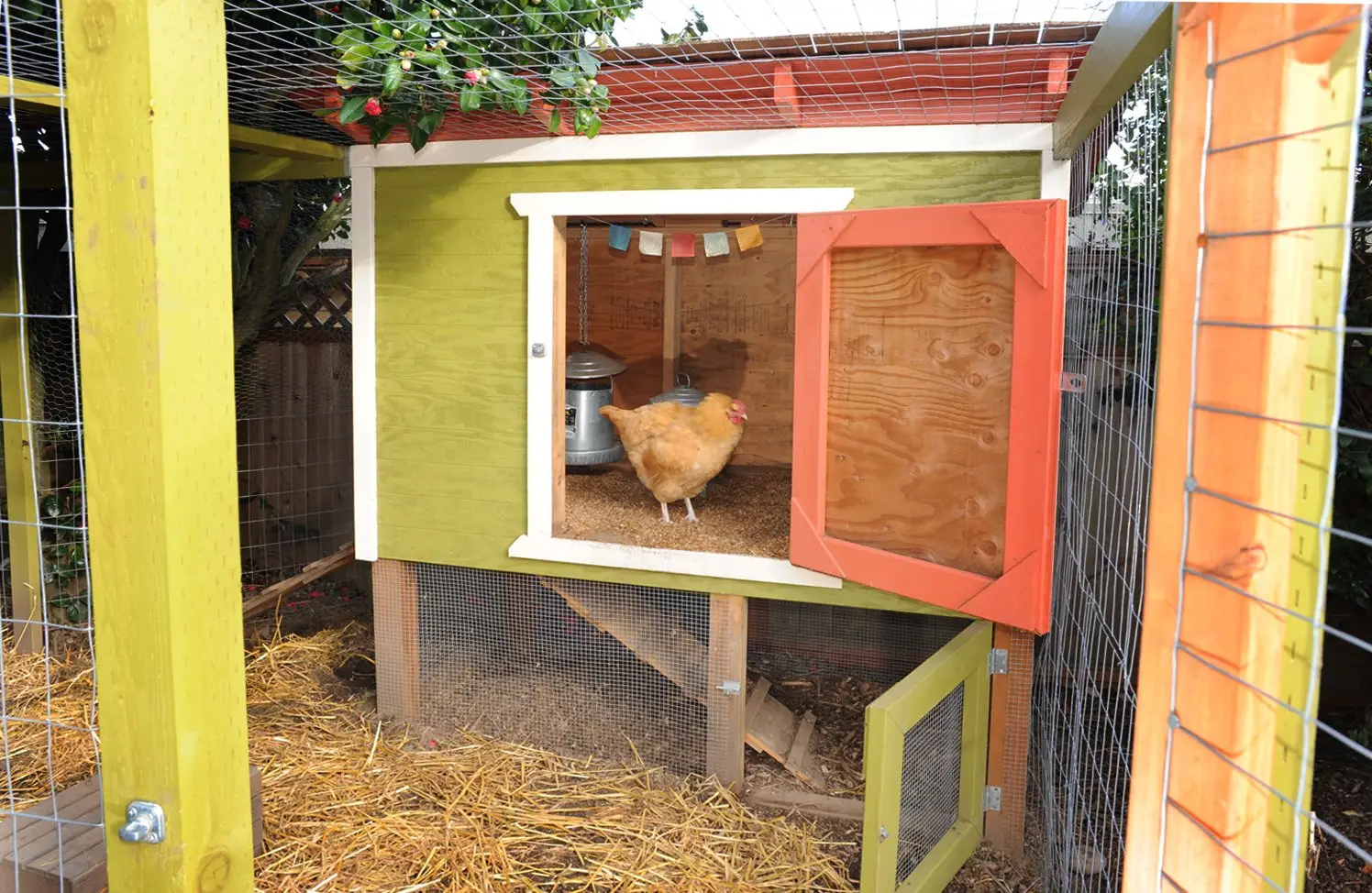
Types of Chicken Coops: Which One Actually Fits Your Yard
Fixed, tractor, walk-in, A-frame — each solves a different problem. What each style is actually for, before you commit to building or buying one.
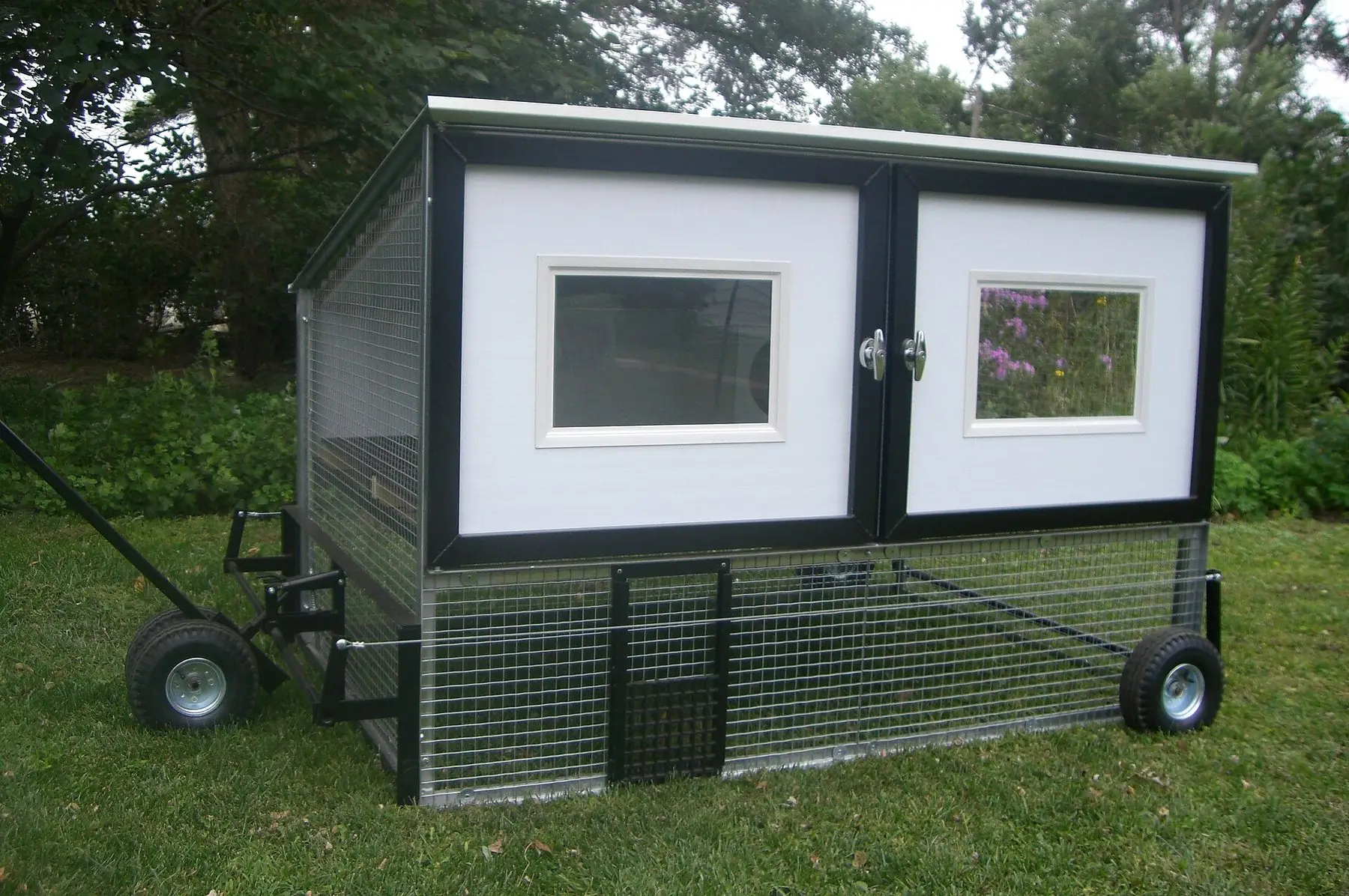
Chicken Coop Plans: Sizing It Right Before You Build
Most coop plans get ventilation and predator-proofing wrong. The dimensions that actually matter, what to build from, and a step-by-step order of work.
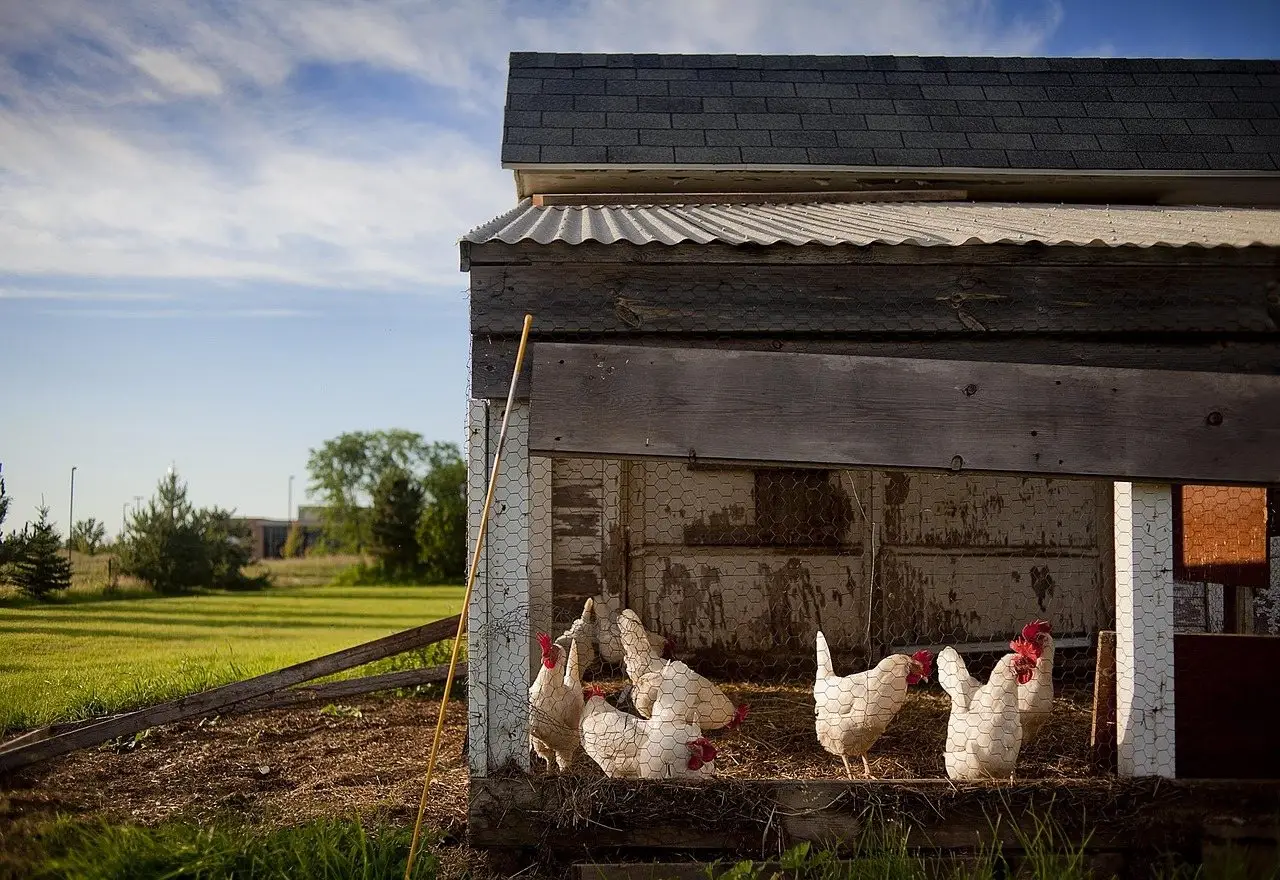
How Much Should You Pay for a Chicken Coop?
Flat-pack coops run $200 to $600 and are usually half the stated capacity. What each tier buys, and where building beats buying.
Will Lawn Fertilizer Kill Chickens? Some Will, Fast
Granular nitrogen, iron sulphate moss killers and anything with an insecticide are the real dangers. Safe re-entry times, and the signs.