
How Much Should You Pay for a Chicken Coop?
Flat-pack coops run $200 to $600 and are usually half the stated capacity. What each tier buys, and where building beats buying.
 By
On this page
The number is $200 to $600 for flat-pack, $600 to $1,500 mid-range, $1,500 upward for walk-in — but the figure that matters is cost per bird of genuine capacity.
What each tier actually buys
| tier | price | realistic capacity | expect |
|---|---|---|---|
| Flat-pack | $200–600 | 2–3 standard hens | Thin timber, felt roof, chicken wire, hook latch |
| Mid-range timber | $600–1,500 | 4–8 hens | Thicker boards, better mesh, usable access |
| Walk-in / custom | $1,500–4,000+ | 8–20+ | Stand-up height, proper ventilation, real roof |
| Self-build from plans | $300–800 materials | Whatever you design | Your specification throughout |
| Second-hand | Varies, often good | Inspect first | Check roost joints for red mite |
Where the money should go
- Floor area. 4 square feet per standard hen with run access. Buy for the flock you will have
- Predator hardware. 1/2-inch hardware cloth, not chicken wire — which keeps chickens in and nothing out. Two-step latches or carabiners; raccoons open simple hooks
- Ventilation. Roughly a square foot of permanent high-level vent per bird
- Access. A door you can get your shoulders through. Awkward coops get cleaned less
Where it should not
- Paint and decorative trim — changes nothing for the birds
- Purpose-made nest boxes — tubs and crates work
- Automatic pop-hole openers — add later, once you know your routine
- Branding. The premium on a well-marketed flat-pack buys marketing
Halve the advertised capacity
A coop sold for six birds generally has floor area for three standard hens. The number usually assumes bantams and all-day run access. Measure the internal floor, divide by four, and buy on that figure.
The honest economics
Backyard eggs cost more per dozen than shop eggs once feed, bedding and the coop are counted, and the coop is a shed rather than something a buyer pays extra for. People keep chickens for egg quality, the birds themselves and the garden benefits — expecting the setup to pay for itself is what leads to buying the cheapest coop, which is reliably the most expensive choice.
Common questions
How much does a chicken coop cost?
Why are cheap coops poor value?
Is it cheaper to build or buy?
What should the money go on?
What can you save money on?
Does a coop add value or pay for itself?
Backyard Weekly
Know what to plant, week by week
Join the weekly email for seasonal jobs, fixes for what is going wrong, and gear worth buying.
Not ready to subscribe? The planting calendar is free and needs no email.
By subscribing you agree to our privacy policy. Grow In Backyard will never sell your address.
Keep reading
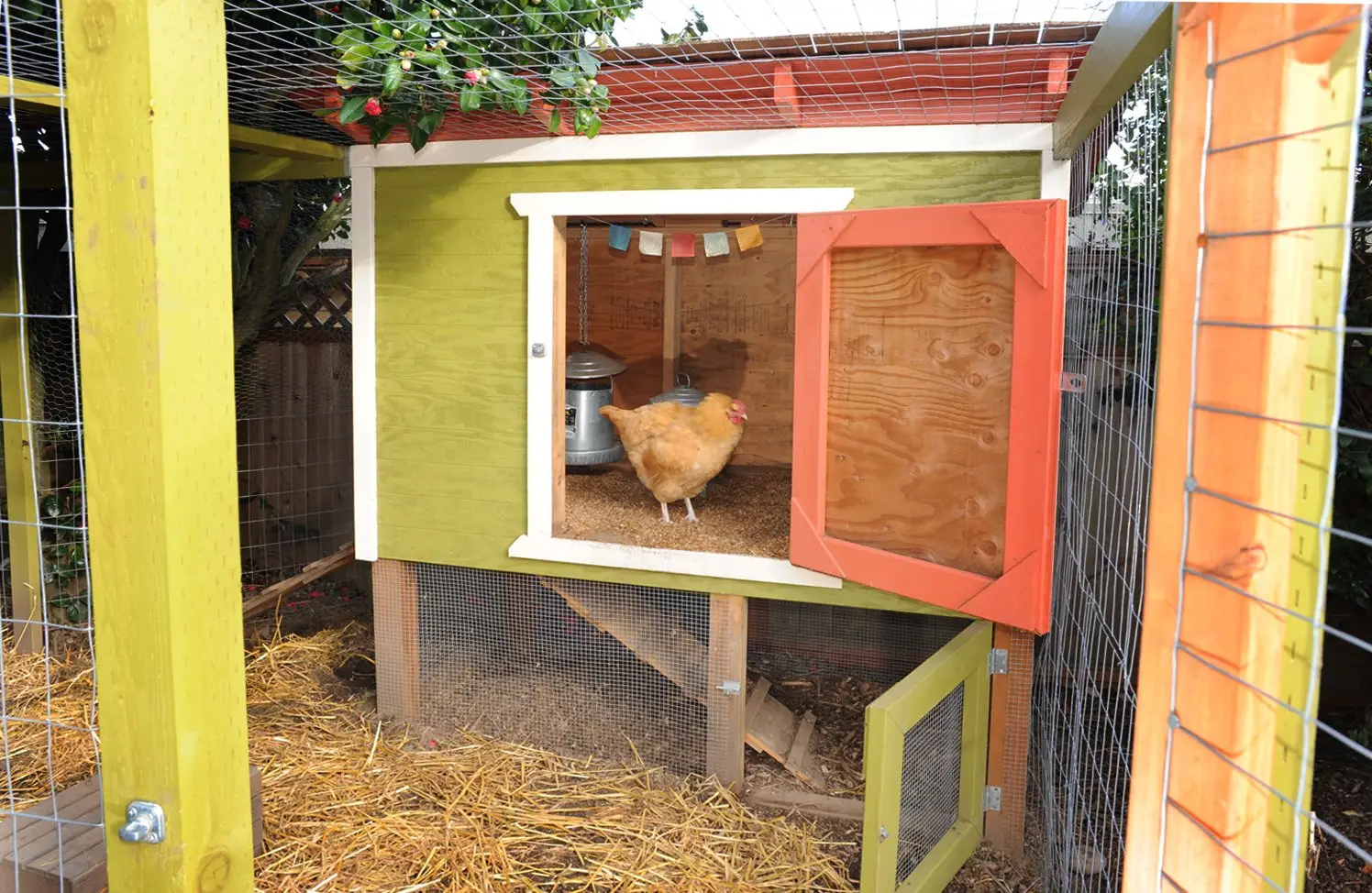
Types of Chicken Coops: Which One Actually Fits Your Yard
Fixed, tractor, walk-in, A-frame — each solves a different problem. What each style is actually for, before you commit to building or buying one.
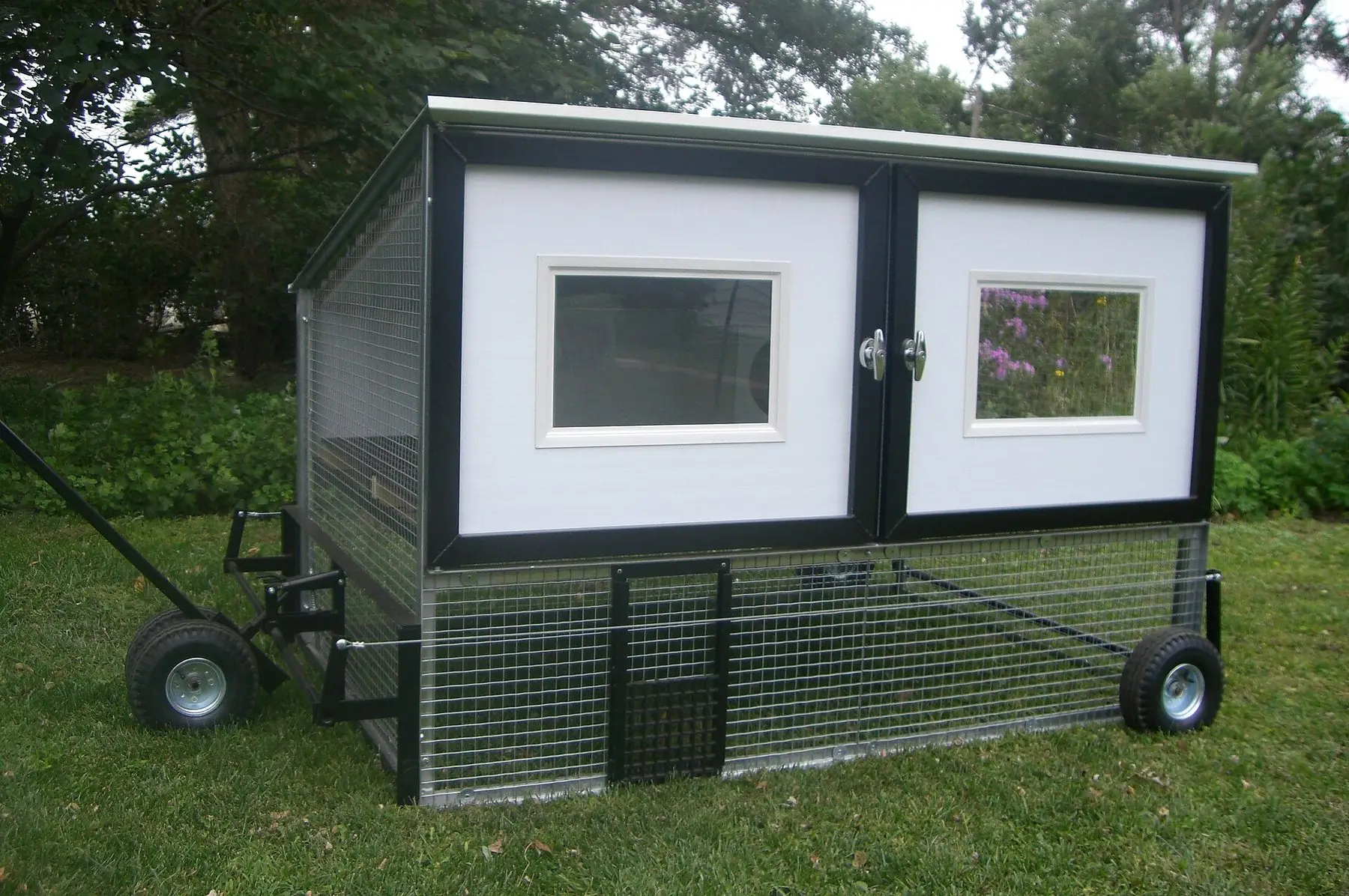
Chicken Coop Plans: Sizing It Right Before You Build
Most coop plans get ventilation and predator-proofing wrong. The dimensions that actually matter, what to build from, and a step-by-step order of work.
How Many Chickens Fit in a 12x12 Coop?
A 12x12 coop holds 36 standard hens on floor space alone — but roost length, ventilation and run access cut the real figure to nearer 20.

How to Deter Hawks From Backyard Chickens
Overhead cover is the only reliable defence. What works, what is illegal, and the breeds and cockerels that change a hawk's calculation.