
Why Do Squirrels' Ears Turn White? Winter Coat and Age
White ear tufts are a seasonal coat change in grey and red squirrels, not illness. When they appear, which species get them, and what white patches mean.
 By
On this page
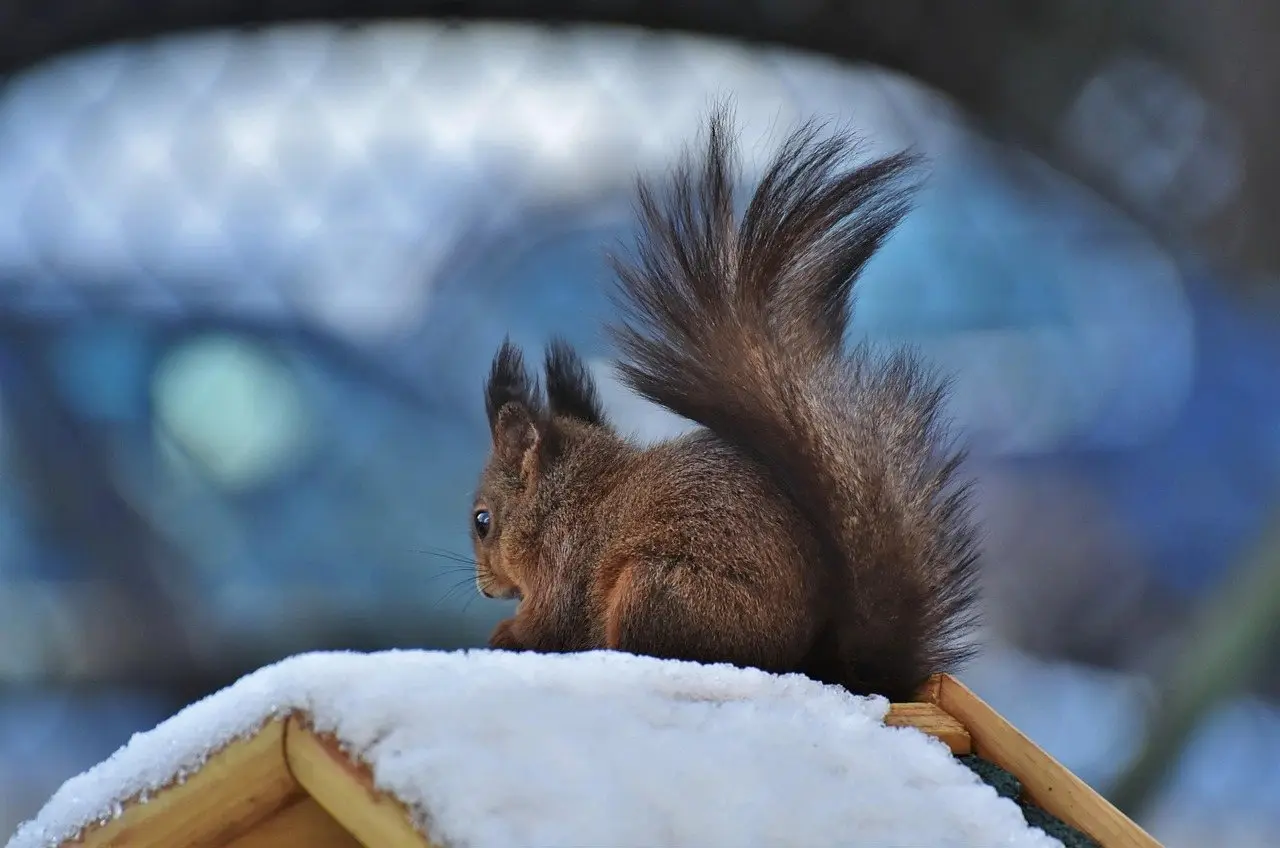
White ears are the winter coat, not an illness and not age. The fringes grow in through autumn, peak in midwinter, and disappear in the spring moult.
The two moults
| moult | timing | direction | result |
|---|---|---|---|
| Spring | April–June | head to tail | shorter, thinner summer coat; tufts shed |
| Autumn | September–November | tail to head | dense winter coat; ear fringing grows in |
The tail is the exception — it moults only once a year, in summer, which is why a squirrel’s tail can look out of step with the rest of it.
A moulting squirrel looks genuinely scruffy: uneven, patchy, sometimes with a visible line where the new coat meets the old. It lasts a few weeks and resolves on its own.
By species
- Eastern grey squirrel — pale cream to white fringing on the ear edges and behind the ears in winter. Most noticeable in northern populations
- Red squirrel (Eurasian) — prominent ear tufts, usually dark brown to black, grown for winter and shed in summer. The tufts are the field mark
- American red squirrel — modest winter ear fringing
- Fox squirrel — much less pronounced
- Southern populations of all of them — less again, because the winter coat change is smaller where the winter is milder
Why northern animals show it more
The ear fringes are part of a thicker coat overall, and the thickness of that coat tracks how cold the winter gets. The same species in Florida and in Ontario grows a different winter coat, and the ears are simply the most visible part of the difference.
White fur that is not seasonal
| what you see | what it is |
|---|---|
| Pale ear edges, winter only | seasonal coat |
| A white patch on the back or flank, year-round | piebald colouring — a harmless genetic variation |
| A pale patch over an old wound | regrowth; new fur often comes in lighter |
| An entirely white squirrel with dark eyes | leucism |
| An entirely white squirrel with pink eyes | true albinism — rare, and they survive poorly |
None of these is a health problem on its own. White and black squirrels are both colour variants of the same species rather than different animals.
What is actually a problem
The distinction worth holding onto: white fur is normal, bare skin is not.
- Thin, patchy coat with bare grey crusted skin, animal thin and slow → mange
- Crusty wart-like lesions round the eyes, mouth, nose and feet → squirrel pox
- Both spread where squirrels concentrate, which in a garden is the feeder
Neither is treatable from a kitchen window. Take feeders down for several weeks, clean them with a dilute bleach solution, and report a cluster of sick animals to your regional wildlife agency.
Common questions
Why do squirrels get white ears in winter?
Do all squirrels get white ear tufts?
Is a white patch on a squirrel a sign of illness?
When do squirrels moult?
Why does my squirrel look scruffy and patchy?
Do squirrels go grey with age?
Backyard Weekly
Know what to plant, week by week
Join the weekly email for seasonal jobs, fixes for what is going wrong, and gear worth buying.
Not ready to subscribe? The planting calendar is free and needs no email.
By subscribing you agree to our privacy policy. Grow In Backyard will never sell your address.
Keep reading
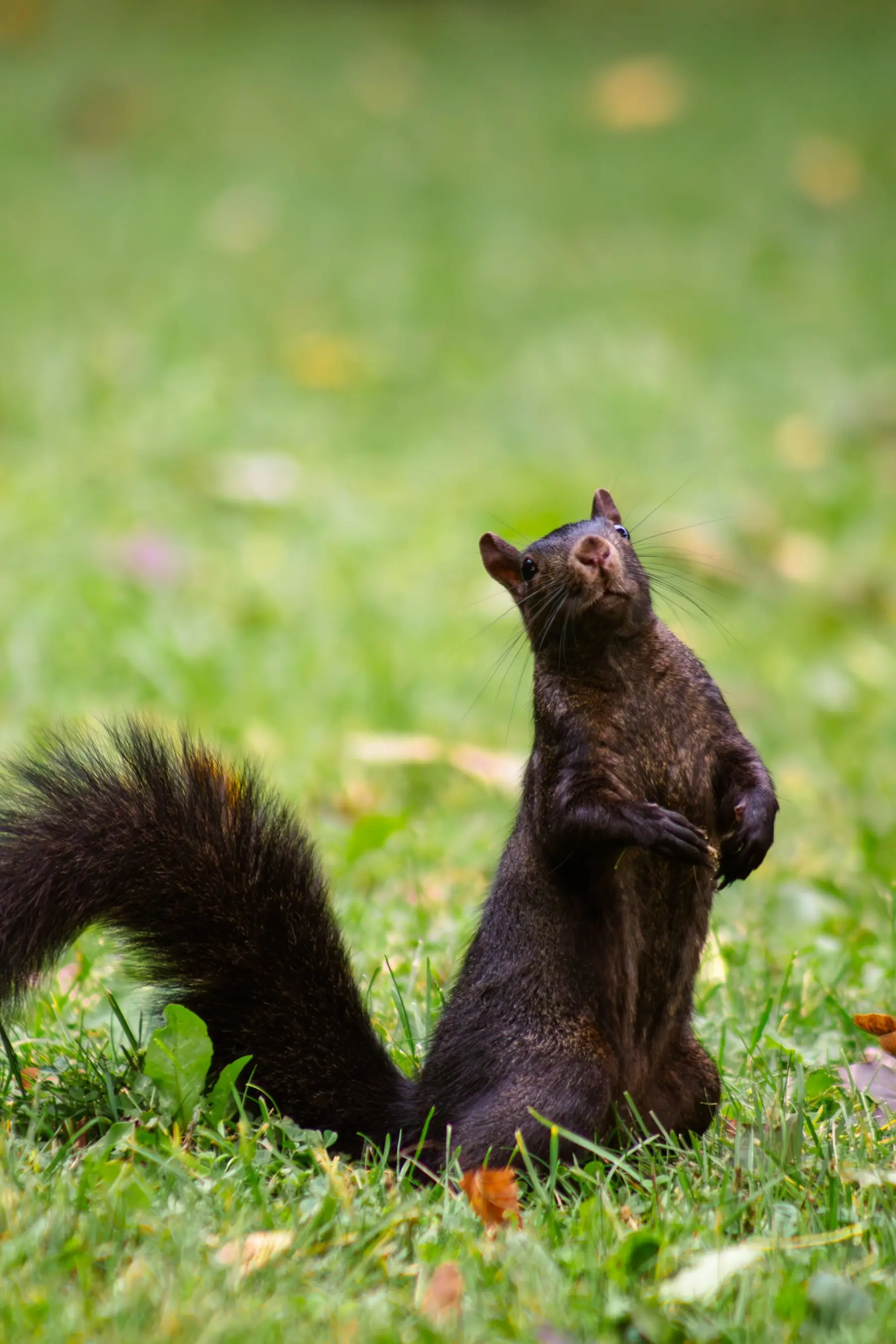
Are Black Squirrels Rare? Common in Some Towns, Absent Elsewhere
Black squirrels are grey squirrels with a pigment variant, not a separate species. Why they cluster in particular towns and what the colour buys them.
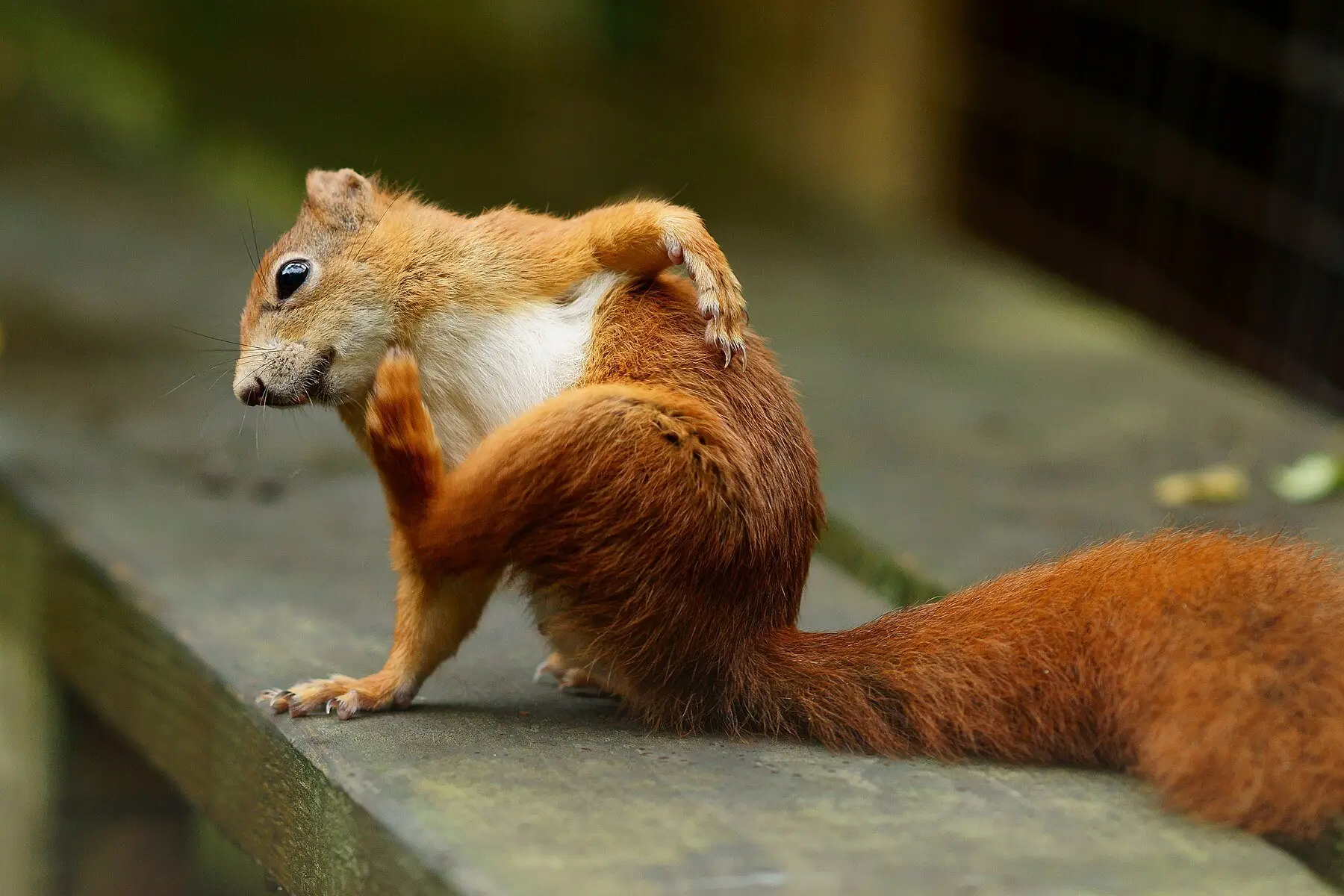
Do Squirrels Have Fleas? And Can They Reach Your Pets?
Squirrels carry fleas, lice, mites and ticks, but squirrel fleas rarely settle on cats and dogs. The real risk is a nest left in a roof.
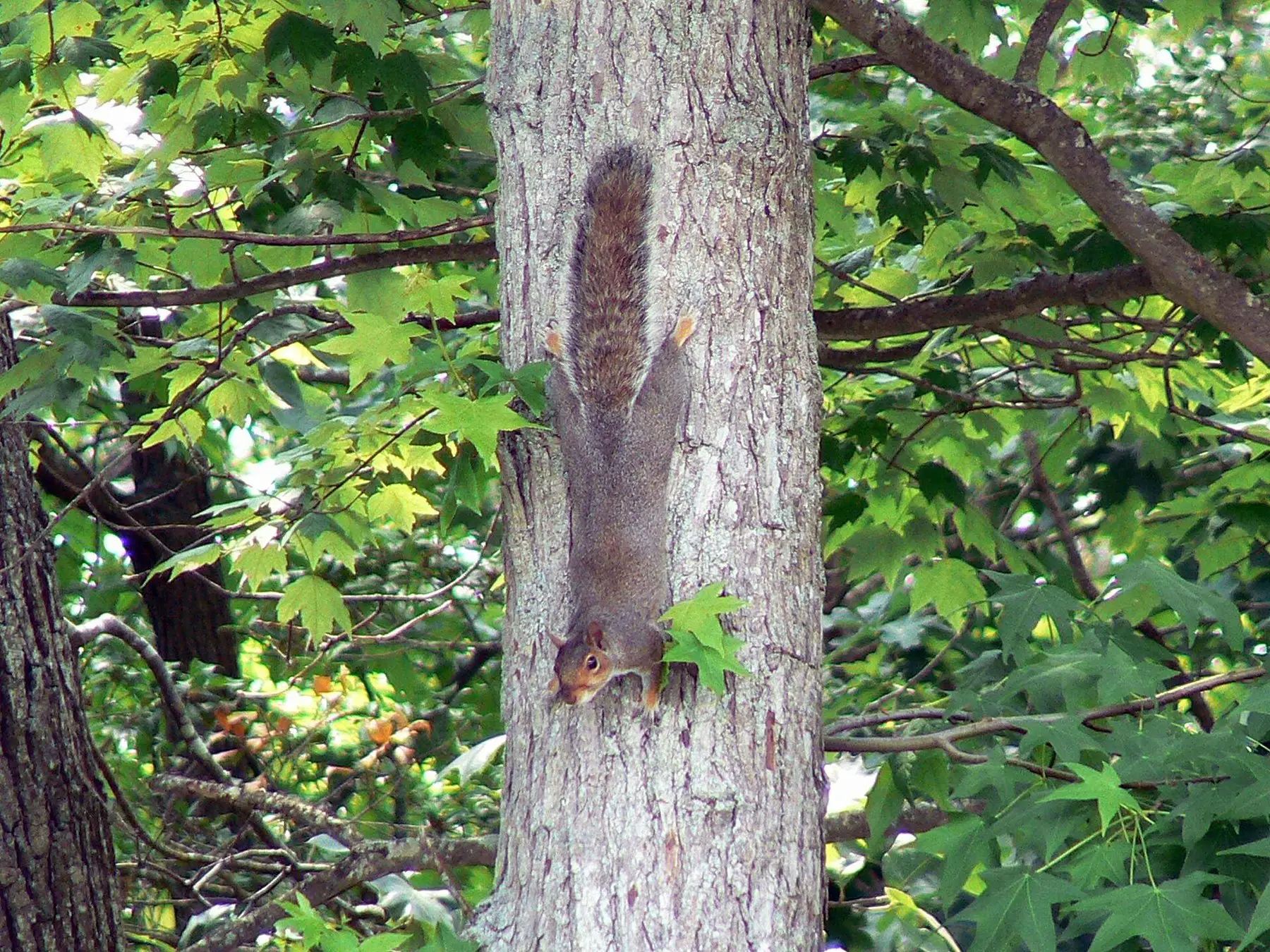
How Long Do Squirrels Live? Wild vs. What You'd Expect
Wild squirrels rarely see old age — most die in their first year. The realistic lifespan by species, and why the number is so much lower than people assume.
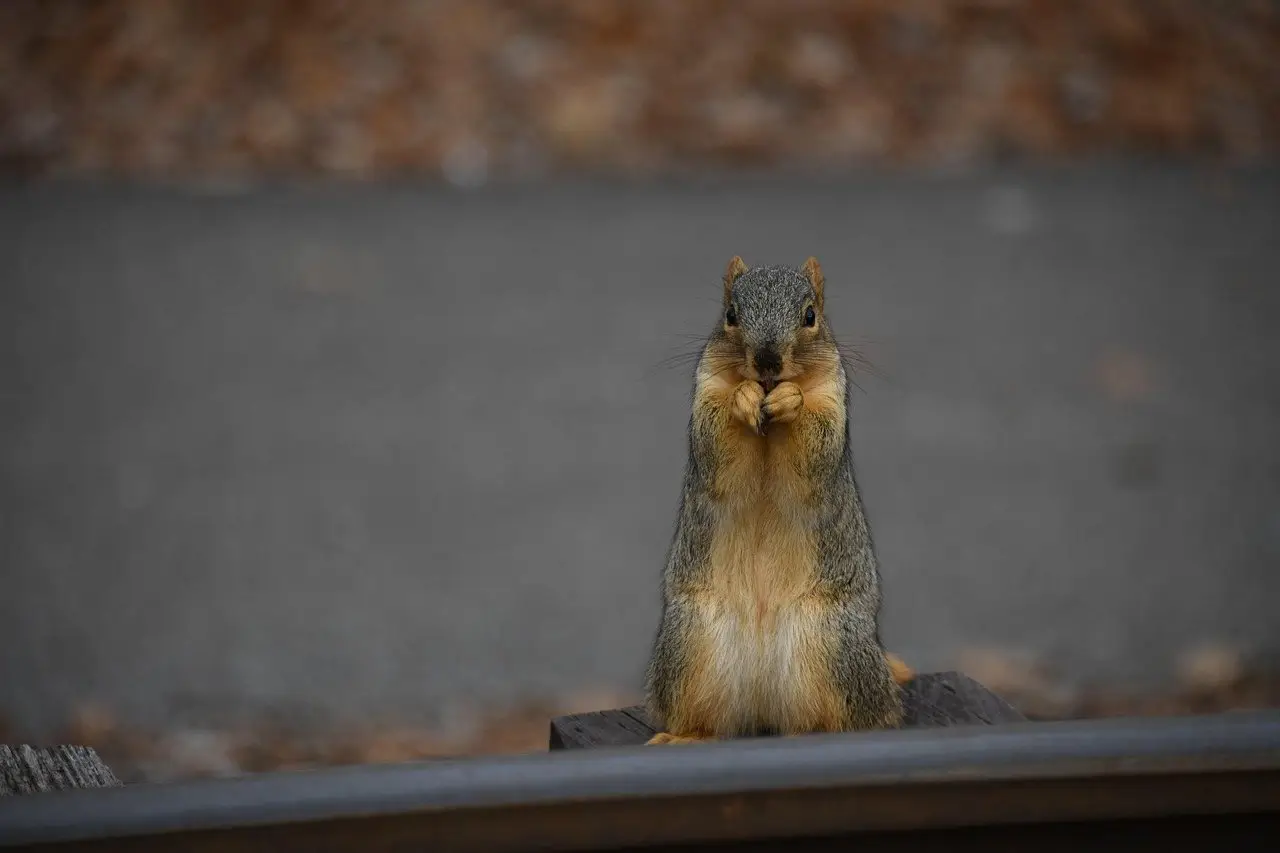
Why Do Squirrels Hold Their Chest? Posture, Not Pain
Forepaws tucked at the chest is simply where they rest when a squirrel stands upright. What the posture is for, and the signs that do mean something is wrong.