
Which Chickens Do Well in Heat? Light Bodies, Big Combs
Leghorns, Andalusians, Fayoumis and Minorcas shed heat; Orpingtons and Brahmas do not. The breeds, and the heat management that matters more.
 By
On this page
Heat tolerance in chickens is mostly body mass and comb size. The breeds that cope are light, tight-feathered and conspicuously red about the head.
Breeds by heat tolerance
| breed | heat | why |
|---|---|---|
| White Leghorn | excellent | light, huge comb |
| Egyptian Fayoumi | excellent | desert origin |
| Naked Neck (Transylvanian) | excellent | bare neck sheds heat |
| Andalusian, Minorca, Ancona | very good | Mediterranean, large comb |
| Penedesenca, Leghorn crosses | very good | light frame |
| Rhode Island Red, Sussex | moderate | middling on both |
| Australorp | moderate | copes better than it looks |
| Orpington, Brahma, Cochin | poor | heavy, dense feathering |
| Wyandotte, Chantecler | poor | rose/cushion comb, cold breeds |
Heat stress, read in order
| sign | stage |
|---|---|
| Panting, wings held out | early — act now |
| Pale or purple comb | serious |
| Standing still, not dust bathing | serious |
| Eating less, drinking more | expected in heat |
| Drinking less | emergency |
| Collapsed, unresponsive | emergency |
Never dunk a heat-stressed bird
Cold-water immersion can cause fatal shock. Move the bird to deep shade, offer cool water with electrolytes, and cool gradually by wetting the legs and feet, where the blood supply is close to the surface.
What actually keeps a flock through a heatwave
- Deep shade over the run from late morning to early evening — shade cloth, a tree, a tarp
- Two or three water sources in different places, so a dominant bird cannot hold them all
- Water in shade, refreshed, not standing hot in the sun
- Ridge ventilation in the coop — hot air leaves at the top or it does not leave
- Feed early and late, when they will actually eat
- A damp patch of earth for dust bathing and belly cooling
Choose for your worse season
Most gardens have one season that kills birds and one that merely annoys them. Pick the breed for whichever is harsher where you live — a big-combed Leghorn in a -25°C winter loses its comb, and an Orpington in a 40°C summer loses its life.
Common questions
Which chicken breeds handle heat best?
Which breeds struggle in heat?
Does comb size really matter that much?
What are the signs of heat stress?
What matters more than breed?
Should I give them frozen treats or wet them down?
Backyard Weekly
Know what to plant, week by week
Join the weekly email for seasonal jobs, fixes for what is going wrong, and gear worth buying.
Not ready to subscribe? The planting calendar is free and needs no email.
By subscribing you agree to our privacy policy. Grow In Backyard will never sell your address.
Keep reading
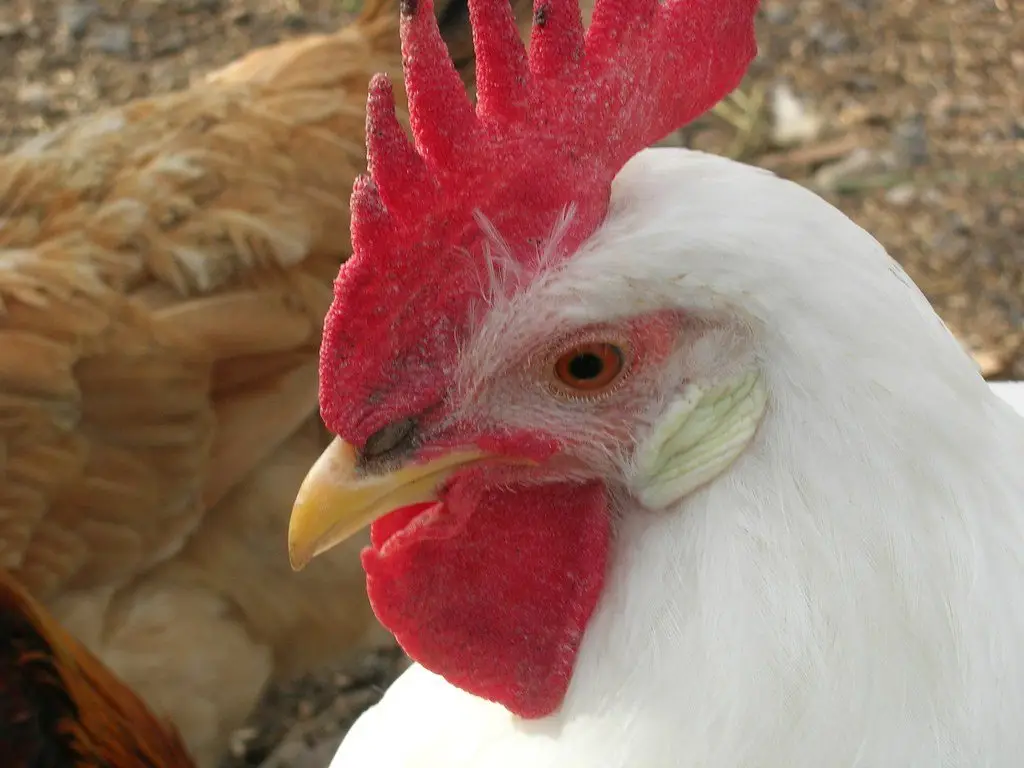
Best Egg Laying Chickens for Hot Climates: Heat-Hardy Breeds
Heat stops hens laying before it kills them. Which breeds keep producing above 90°F, what body shape and comb size have to do with it, and which to avoid.
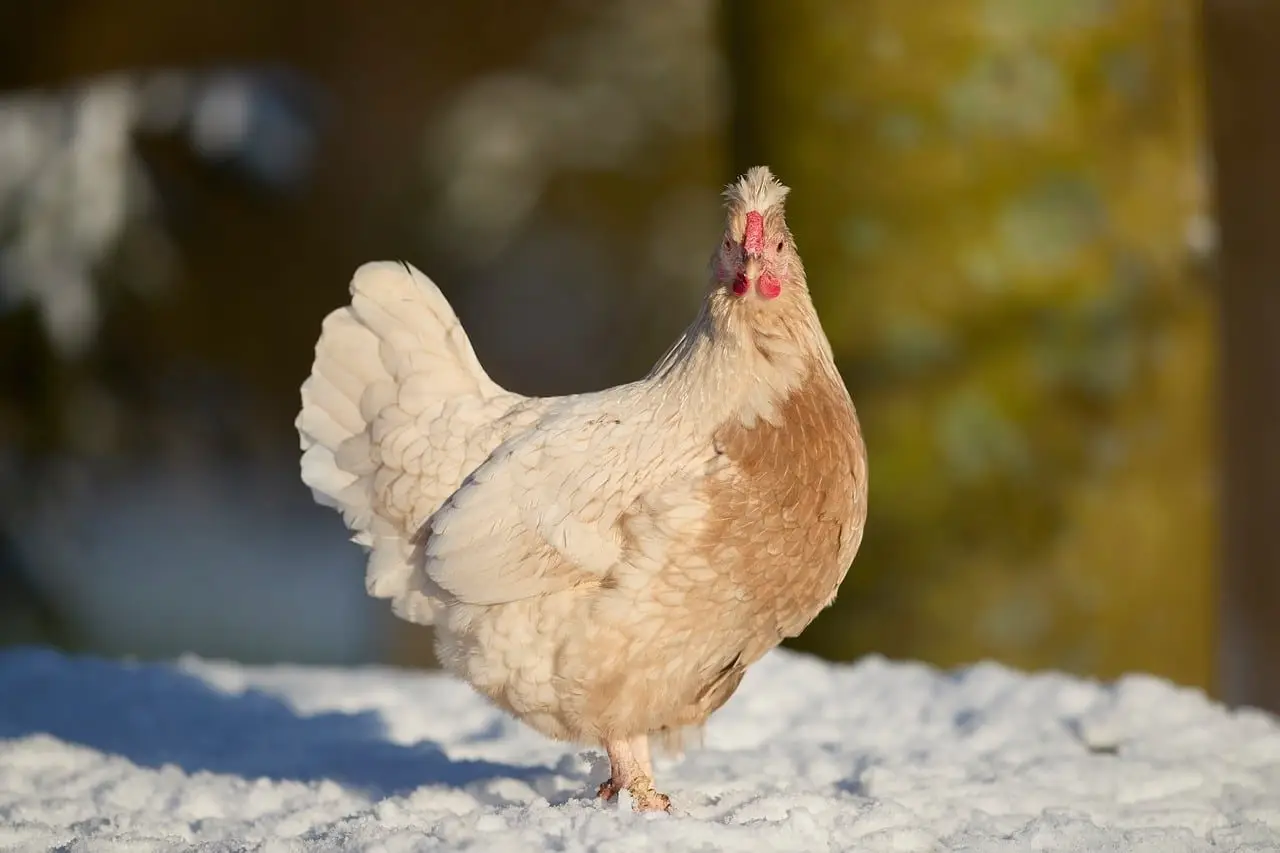
What Are the Best Cold Tolerant Chickens? Comb Shape First
Rose and pea combs beat big single combs in real cold. The hardiest breeds ranked, and why a draught-free coop matters more than insulation.
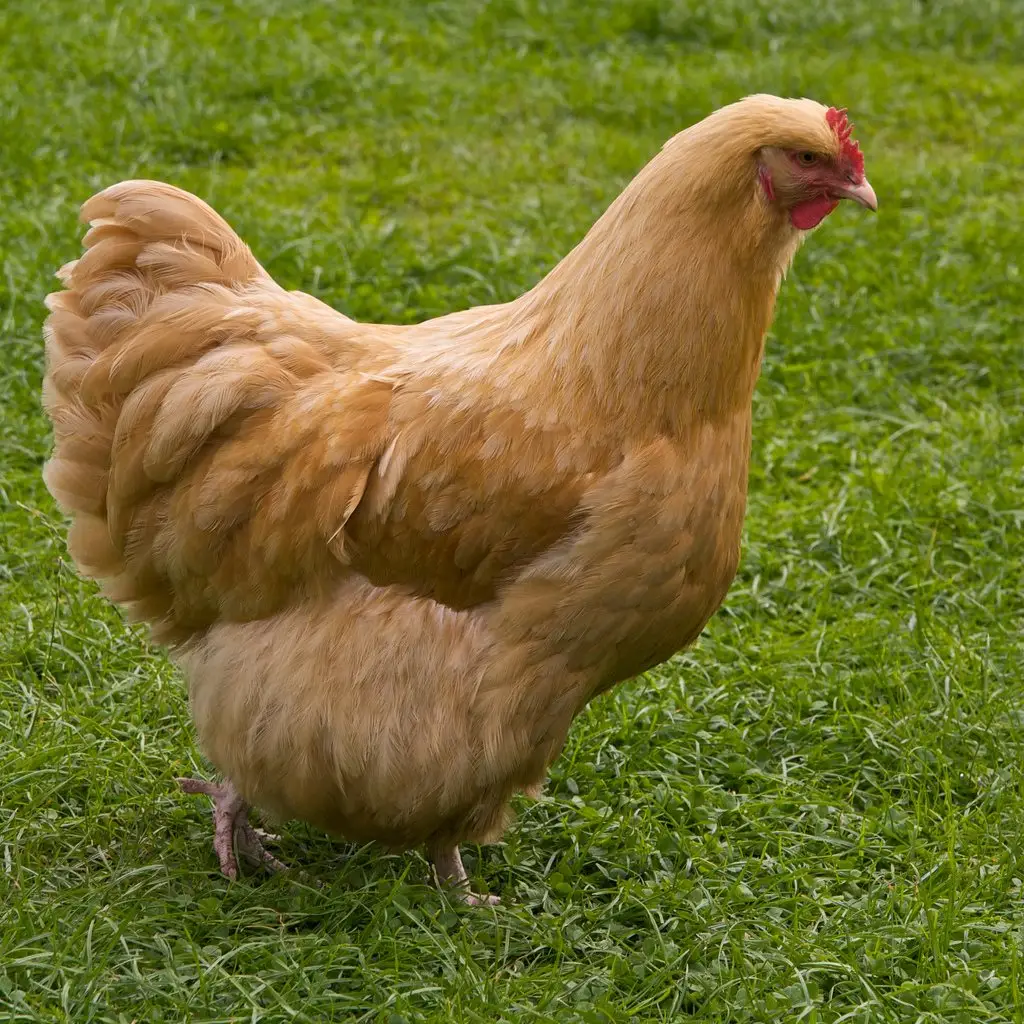
Chicken Breeds: A Guide by What Each One Is Actually For
Fourteen common breeds sorted by purpose — eggs, meat, dual-purpose, beginner-friendly — with a link to the full comparison for each category.
Why Your Chickens Stopped Laying: Work Through This List
Nine reasons hens stop laying, in the order to check them. Most are seasonal and fix themselves — but three are worth acting on before the flock loses condition.