
What Breed of Duck Is the Friendliest? Pekin and Welsh
Pekins, Welsh Harlequins and Cayugas are the calmest with people. The temperament table by breed, and why handling matters more than breed.
 By
On this page
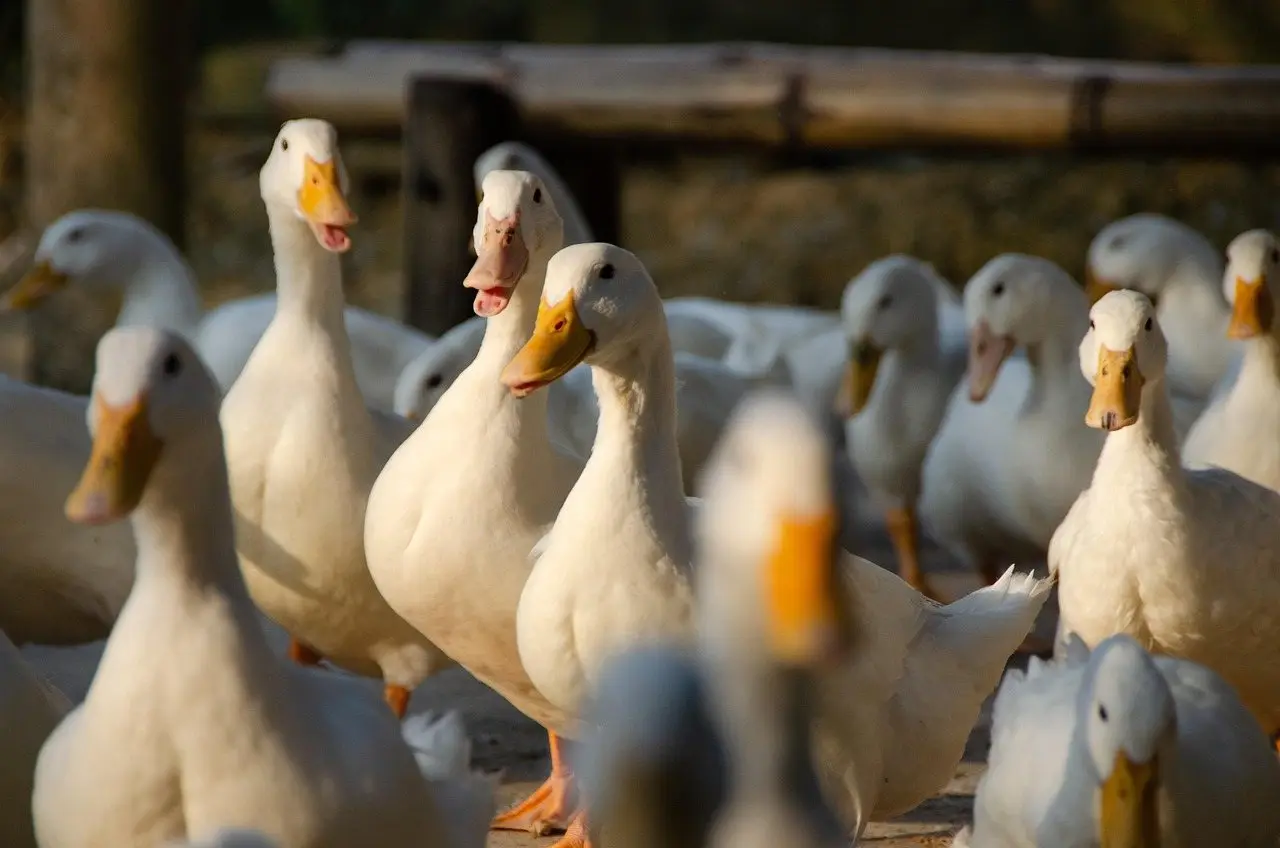
Pekins are the standard answer, and they deserve it: big, placid, slow and genuinely interested in people. But across every breed, how much the ducklings were handled in the first three weeks predicts tameness better than the breed does.
Temperament by breed
| breed | temperament | eggs per year | notes |
|---|---|---|---|
| Pekin | calmest; seeks people out | 150–200 | heavy, slow, cannot fly — the pet default |
| Welsh Harlequin | calm, curious, quiet | 240–330 | the best all-rounder on this table |
| Cayuga | calm and quiet | 130–180 | black iridescent plumage; very placid |
| Call | affectionate, bold | 50–100 | extremely loud — a real neighbour problem |
| Buff Orpington | docile | 150–220 | good-tempered, decent layer |
| Swedish Blue | steady, hardy | 100–150 | calm, good foragers |
| Khaki Campbell | busy, not unfriendly | 250–340 | superb layer; not interested in you |
| Muscovy | calm but independent | 60–120 | flies well; drakes can be assertive |
| Runner | flighty, panics as a flock | 150–250 | excellent layer, poor pet |
Why Pekins come top
- Size and build. A heavy, broad-bodied duck simply cannot flee fast, and the behaviour follows the body — they walk away rather than bolting
- Flightless. No escape route upward means less panic
- Bred for confinement. Generations of being kept in close contact with people
- Slow to startle. They assess rather than run
The trade-off is laying: 150 to 200 eggs against a Welsh Harlequin’s 240 to 330. If you want a pet that also pays its way, the Harlequin is the better buy.
The quiet consideration
Female ducks of every breed quack loudly; drakes have a soft raspy call. Call ducks are the loudest common breed by a wide margin, which matters far more than friendliness if you have close neighbours.
Drakes against ducks
- Females are the easier choice for a pet flock throughout
- Drakes turn assertive in spring and some breeds will challenge people, particularly a lone drake
- You do not need a drake for eggs. Ducks lay without one
- If you keep a drake, four to six females per drake prevents the over-mating injuries that happen with fewer
How much handling actually matters
Ducks habituate strongly in the first two to three weeks. What you do in that window sets the flock’s temperament for life.
- Handle daily from week one, briefly and gently
- Sit at their level. Looming over a duck is a predator approaching
- Let them come to you. Chasing teaches avoidance, reliably
- Peas from a flat palm — the standard treat and the fastest association there is
- Talk to them while you work around the pen
- Keep them in a small group. Two or three raised together tame much faster than twenty
An adult duck bought at point of lay can still be tamed, but it takes months of patience to reach where three weeks of handling would have put you.
Two practical cautions
- Never keep a single duck. They are flock animals and a lone duck is a welfare problem, however attached it gets to you
- Ducks are messy. Water, mud and droppings in volume. Temperament is not the thing that determines whether duck keeping works for you — the water management is
Common questions
What is the friendliest duck breed?
Which ducks are the least friendly?
Are drakes or female ducks friendlier?
How do I make my ducks friendly?
Do ducks like being picked up?
Are ducks friendlier than chickens?
Backyard Weekly
Know what to plant, week by week
Join the weekly email for seasonal jobs, fixes for what is going wrong, and gear worth buying.
Not ready to subscribe? The planting calendar is free and needs no email.
By subscribing you agree to our privacy policy. Grow In Backyard will never sell your address.
Keep reading
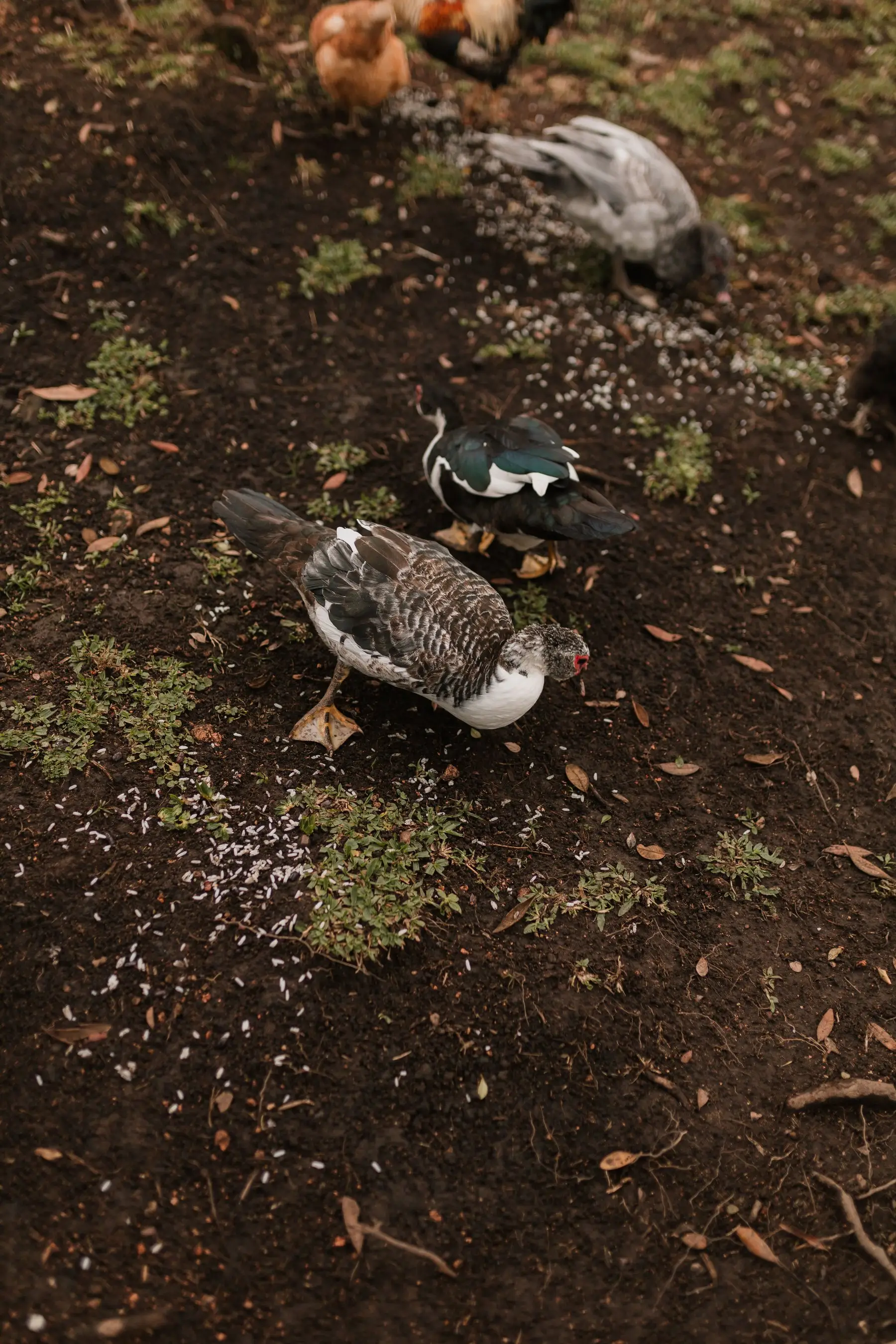
Best Ducks for a Backyard: Which Breed Suits a Small Garden
Noise, space and temperament decide this, not looks. The breeds that suit a suburban garden, the one to avoid near neighbours, and the quiet option.
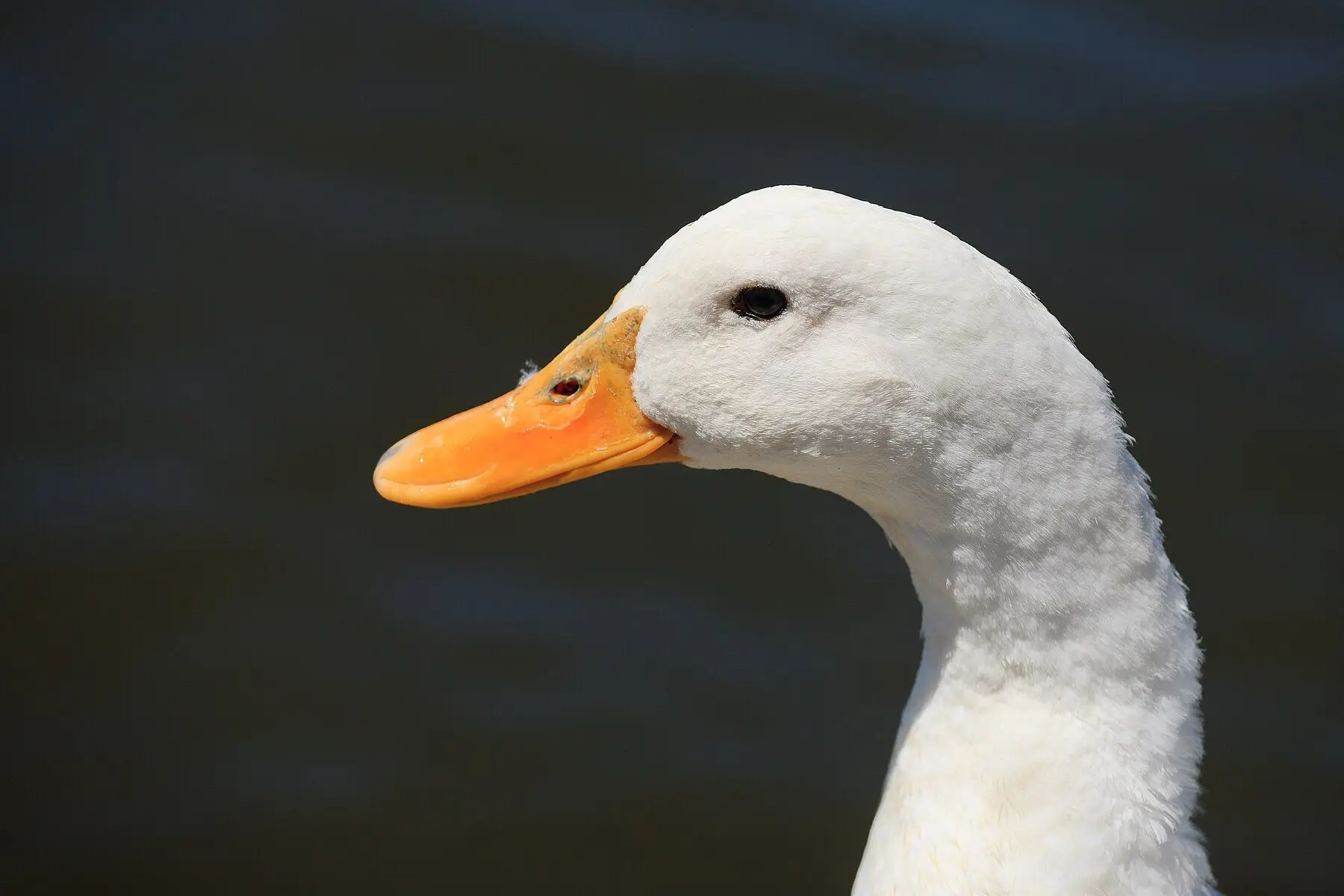
Keeping Ducks in Residential Areas: Rules, Mess and Neighbours
Ducks are quieter than roosters but far messier than hens. The zoning questions to ask first, and what a suburban duck setup actually has to handle.
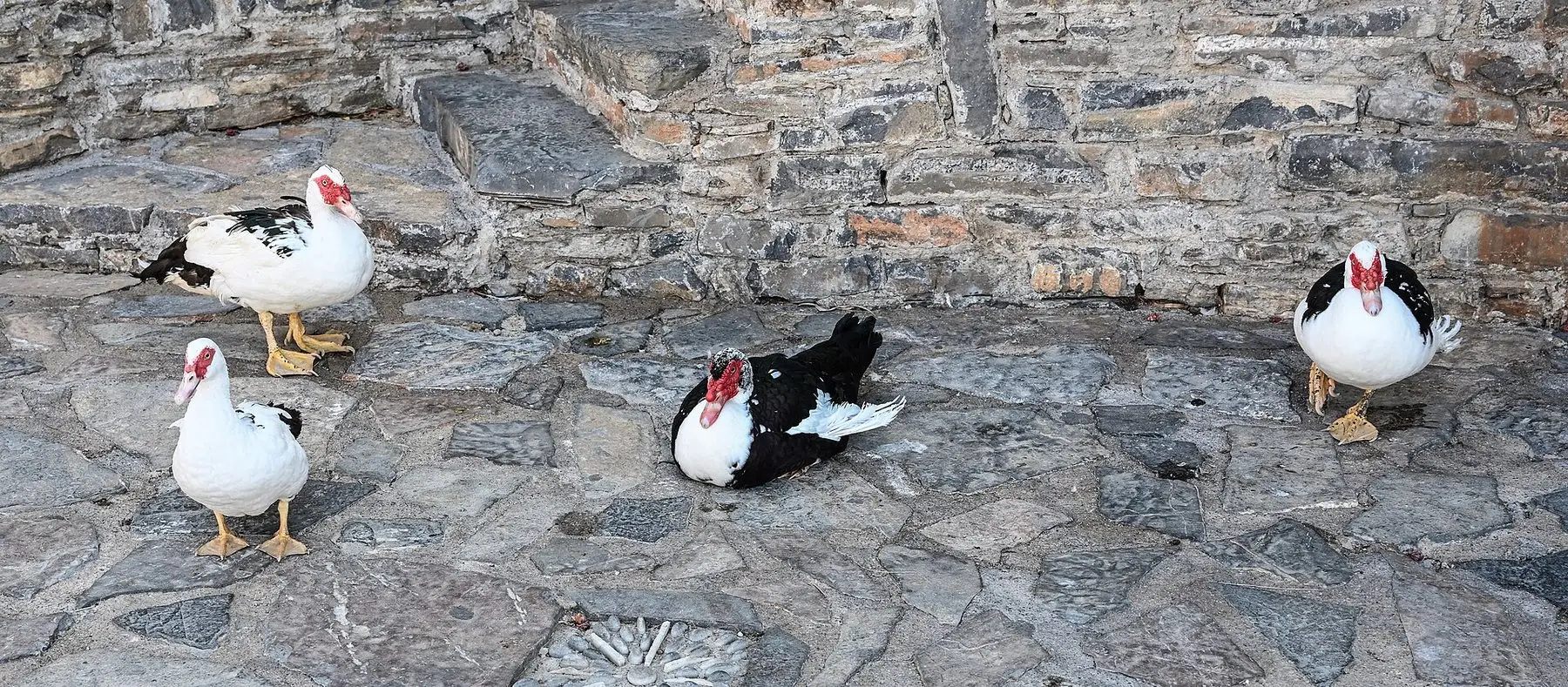
Do Ducks Need a Pond? What They Actually Require
Ducks do not need a pond, but they do need water deep enough to submerge their heads. What that means in practice, and what happens without it.
What Do Wild Ducks Eat in a Pond? Far More Than Plants
Pondweed and seeds, yes — but also snails, insect larvae, small fish and amphibian eggs. Dabblers and divers work different parts of the water.