
What Breed of Chicken Sells the Best? Chicks and Layers
Rare heritage and sought-after egg colours fetch the most per bird. Why the breed matters less than timing and reputation, and the licensing to check first.
 By
On this page
The breeds that sell best are the ones that are hard to get and visibly different — unusual egg colours and genuine rare heritage stock. But timing and reputation move the numbers more than the breed does.
What the market actually wants
| category | examples | why it sells |
|---|---|---|
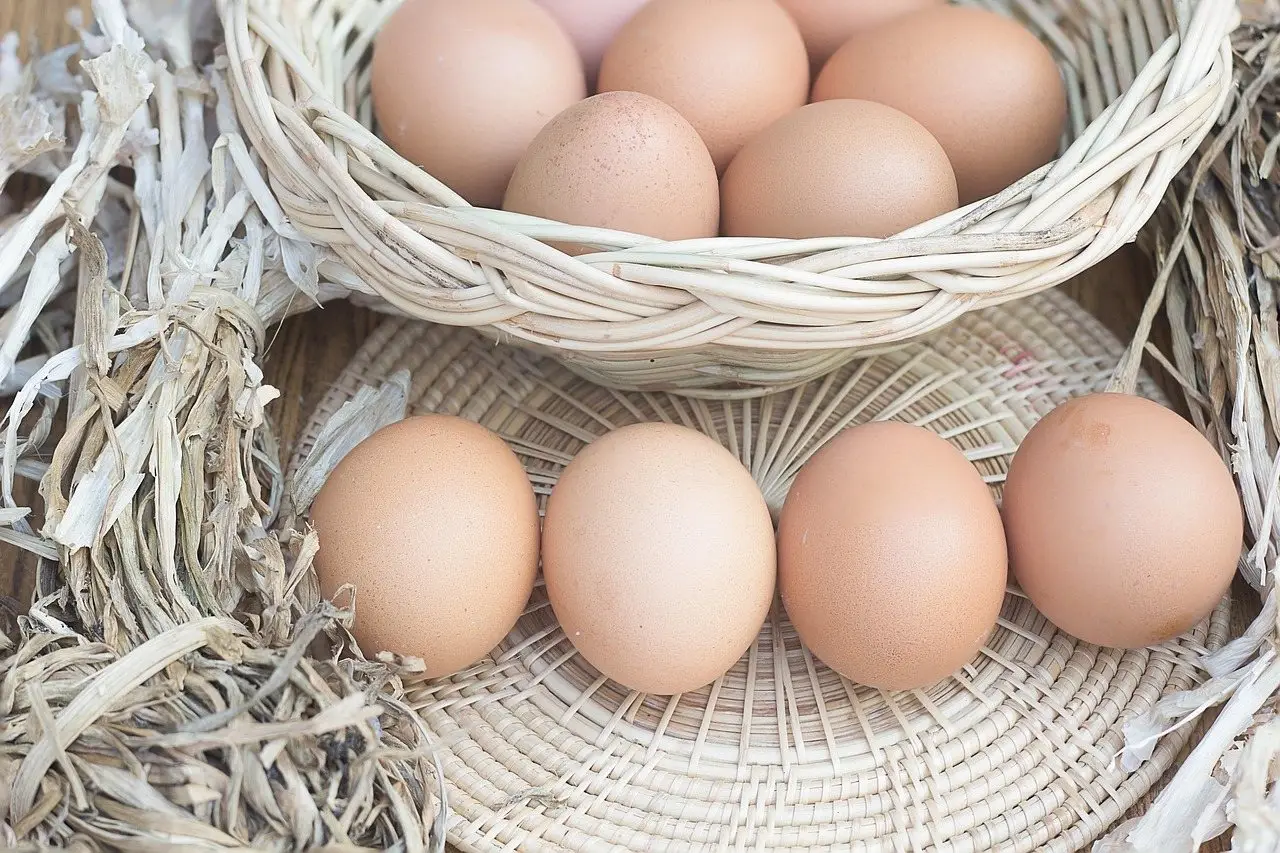
| Blue and green eggs | Ameraucana, Cream Legbar, Olive Egger | the single strongest draw for backyard buyers |
| Dark chocolate eggs | Marans, Welsummer | visually striking, consistently in demand |
| Rare heritage | depends on region and conservation listing | small breeding populations, serious buyers |
| Ornamental bantams | Silkies, Polish, Cochins | pets and children’s flocks, not egg buyers |
| Production layers | Rhode Island Red, Australorp, Sussex | steady volume, low margin |
| Dual purpose | Orpington, Wyandotte | reliable, unspectacular |
The split that matters is margin against volume. A handful of Olive Egger pullets at a good price is a different business from fifty production chicks at a few dollars each, and the second needs incubator capacity, brooder space and a market lined up.
Chicks against pullets
| day-old chicks | point-of-lay pullets | |
|---|---|---|
| Price per bird | lowest | several times higher |
| Your holding cost | almost none | ~16 weeks of feed and space |
| Risk you carry | minimal | mortality, and sexing surprises |
| Speed of sale | fast, in batches | slower, one or two at a time |
| Buyer | wants a project | wants eggs now |
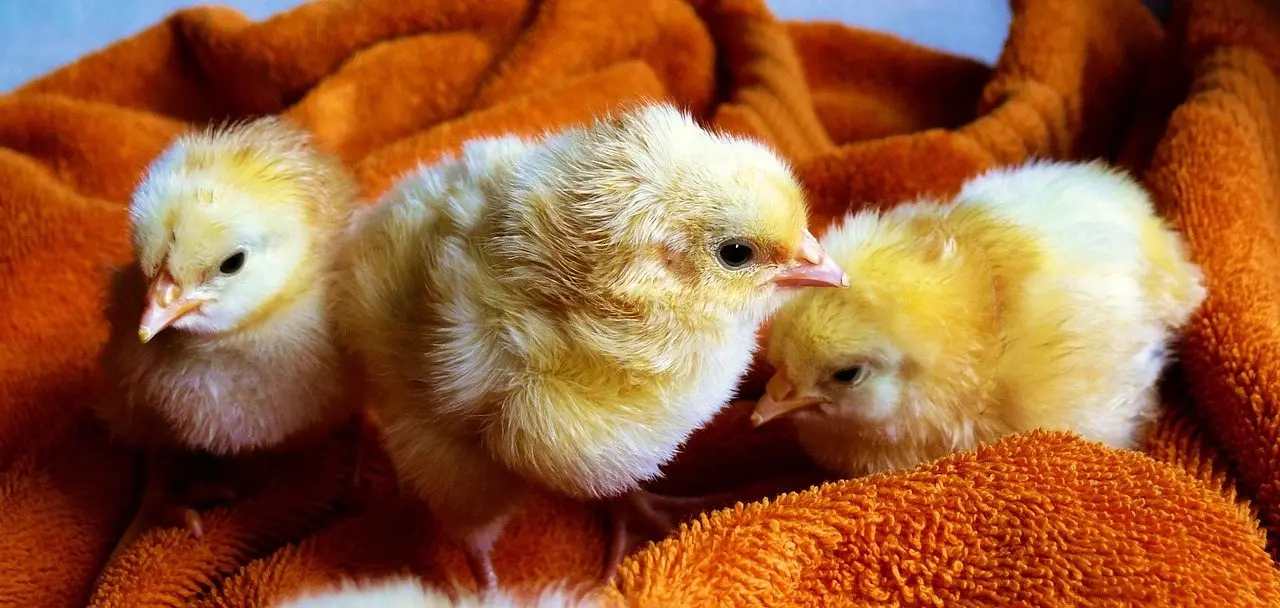
Pullets are where the margin is, and they are also where the work is. A sixteen-week-old sexed pullet has absorbed feed, brooder heat, space and your time, and has survived the period when losses happen.
Straight-run is where sellers lose money
Unsexed chicks mean roughly half cockerels, and cockerels are very hard to sell — most buyers are in municipalities that ban roosters. Decide in advance what happens to them, because “someone will want them” is reliably false.
Timing beats breed
Demand runs on a sharp annual cycle:
- February to May — the market. People set up for the season, feed stores run chick days, everything sells
- June to August — tailing off
- September onward — very thin. Birds hatched late often sit through autumn eating feed
Hatching to land inside the spring window changes what you make more than switching breeds does.
Before you sell anything
- Licensing. Many jurisdictions require registration or a licence to sell poultry
- Poultry health schemes. Testing or scheme membership is required in some places, particularly for selling at markets or across state lines
- Shipping rules for day-old chicks, which are strict
- Record-keeping requirements
- Sales tax registration, where it applies
Your state department of agriculture, or the national equivalent, is the authority. This is a twenty-minute phone call that occasionally changes the whole plan.
What actually builds a price
Once you are past the breed question, these are what separate a seller who gets asked for birds from one who advertises every spring:
- Consistent quality stock from known parents
- Honest descriptions — age, sex, what it is and is not
- Health, visibly: clean birds, clean housing, no mites
- Photographs of the actual birds, not stock images
- Being easy to deal with. Answering messages, keeping to arrangements
- Repeat buyers, who are worth far more than any breed premium
The realistic framing: selling birds can offset the cost of keeping a flock. Treating it as income tends to end in a lot of unsold cockerels.
Common questions
Which chicken breeds sell for the most money?
Is it more profitable to sell chicks or point-of-lay pullets?
What should I check before selling chickens?
Why do rare breeds sell for more?
When is the best time to sell chicks?
Can I make real money selling backyard chickens?
Backyard Weekly
Know what to plant, week by week
Join the weekly email for seasonal jobs, fixes for what is going wrong, and gear worth buying.
Not ready to subscribe? The planting calendar is free and needs no email.
By subscribing you agree to our privacy policy. Grow In Backyard will never sell your address.
Keep reading
How to Make Money With Backyard Chickens, Honestly
Eggs rarely clear a profit at small scale. Where the money actually is — point-of-lay pullets, hatching eggs, manure — and the legal limits.
Best Chickens for Meat — 5 Breeds, 8 Weeks to 6 Months
The best chickens for meat take 8 weeks to 6 months to reach table weight. 5 breeds compared on feed cost and welfare. See which suits your setup.
Best Chickens for Eggs — 6 Breeds, 200 to 300 a Year
The best chickens for eggs lay 200 to 300 a year, but not for long. 6 breeds compared on output, temper and lifespan. See which fits your flock.
What Breed of Quail Lays the Best Eggs? Coturnix, Clearly
Coturnix quail lay 250 to 300 eggs a year and start at six weeks. How the breeds compare, which strains lay largest, and why Bobwhites are not the answer.