
How to Make Money With Backyard Chickens, Honestly
Eggs rarely clear a profit at small scale. Where the money actually is — point-of-lay pullets, hatching eggs, manure — and the legal limits.
 By
On this page
Eggs are the thing that does not make money. Birds do. That inversion is the whole of this article, and it is the opposite of how most people start.
Why eggs do not pay
| cost | rough scale |
|---|---|
| Layer feed | ~1/4 lb per hen per day |
| Bedding | Ongoing, varies with method |
| Replacement birds | Laying drops materially after year two |
| Coop | Amortised, and often replaced early if cheap |
| Your labour | Unpriced, which is how the sums appear to work |
At typical farm-gate prices the feed cost alone takes most of the revenue from a dozen. It is a good hobby that part-subsidises itself, not a business.
Where the margin actually is
| route | why it works |
|---|---|
| Point-of-lay pullets | A few dollars of chick becomes a bird worth several times that at 18–20 weeks. You are selling absorbed risk and 20 weeks of feed |
| Hatching eggs | A defined, well-bred trio commands a real premium over eating eggs |
| Started chicks | Shorter commitment than pullets, smaller premium |
| Aged manure | Gardeners buy it; it is a waste stream you already have |
| Services | Coop-sitting, hatching services, setup consultations in some areas |
All of those beat eggs because the value added is selection, time and risk rather than feed converted to protein.
Check the selling rules before you advertise
They vary by state and by country and they are specific. US states generally allow small-scale direct farm-gate sales under an exemption with a bird or case limit; selling to shops or across state lines brings grading, candling, refrigeration and licensing. In the UK, ungraded farm-gate and door-to-door selling is permitted but shop and market supply is not without registration. Reusing printed commercial cartons is usually prohibited either way.
Pricing eggs, if you sell them
- Work out feed cost per dozen — that is your floor
- Check what local keepers charge — that is your ceiling
- Expect a modest premium over supermarket free-range, not a multiple
- Do not discount to clear a glut — it resets what customers expect
- Value reliability over price. Unsold eggs are a total loss within a fortnight
The two usual mistakes
- The cheapest coop. Sold for six birds, holds three, replaced in a few years — the saving reverses twice
- Too many birds too early. Surplus eggs become feed cost rather than income. Build the customer list first, then add hens against demand you already have
Common questions
Can you actually make money from backyard chickens?
Where is the money actually, then?
What are the rules on selling eggs?
What should I charge for backyard eggs?
Does scale fix the economics?
What is the most common financial mistake?
Backyard Weekly
Know what to plant, week by week
Join the weekly email for seasonal jobs, fixes for what is going wrong, and gear worth buying.
Not ready to subscribe? The planting calendar is free and needs no email.
By subscribing you agree to our privacy policy. Grow In Backyard will never sell your address.
Keep reading
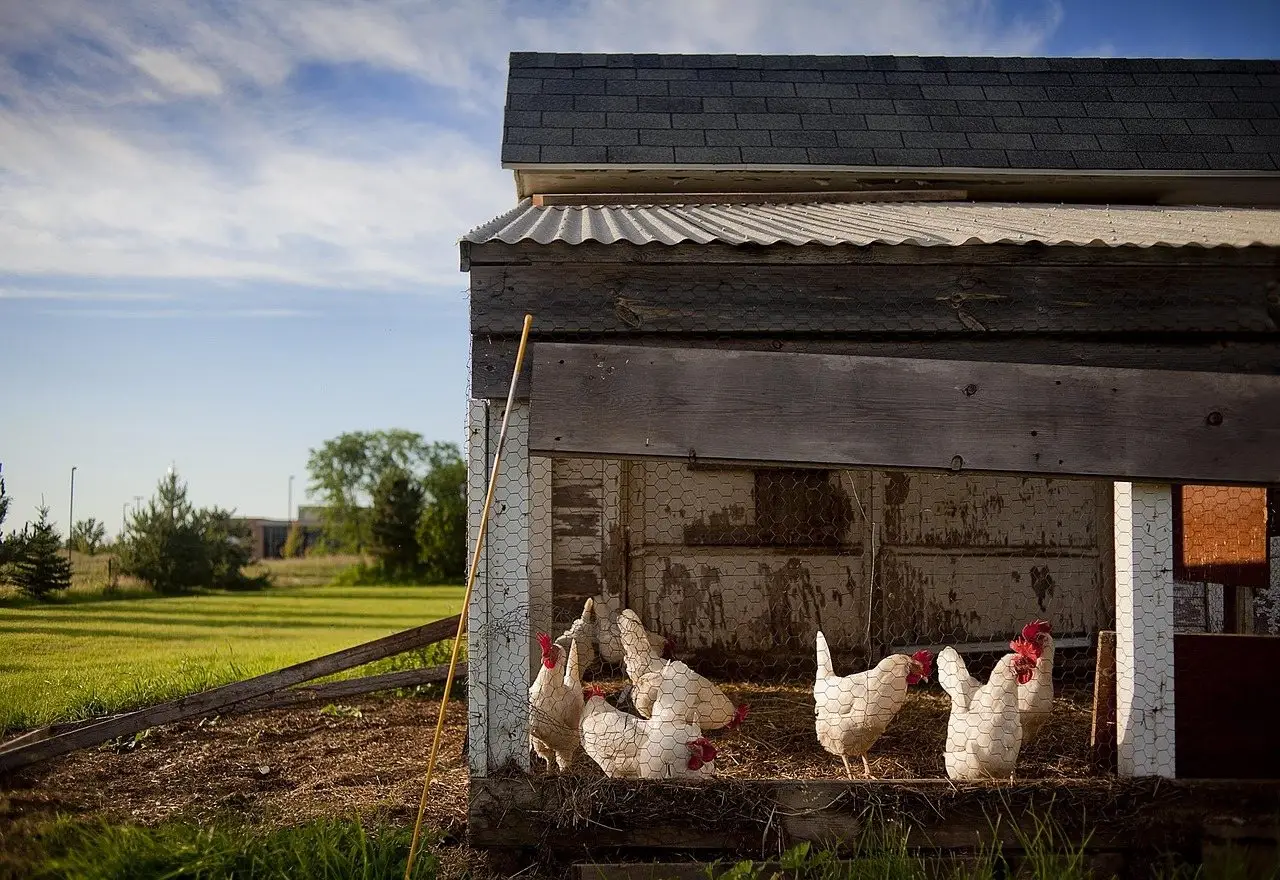
How Much Should You Pay for a Chicken Coop?
Flat-pack coops run $200 to $600 and are usually half the stated capacity. What each tier buys, and where building beats buying.
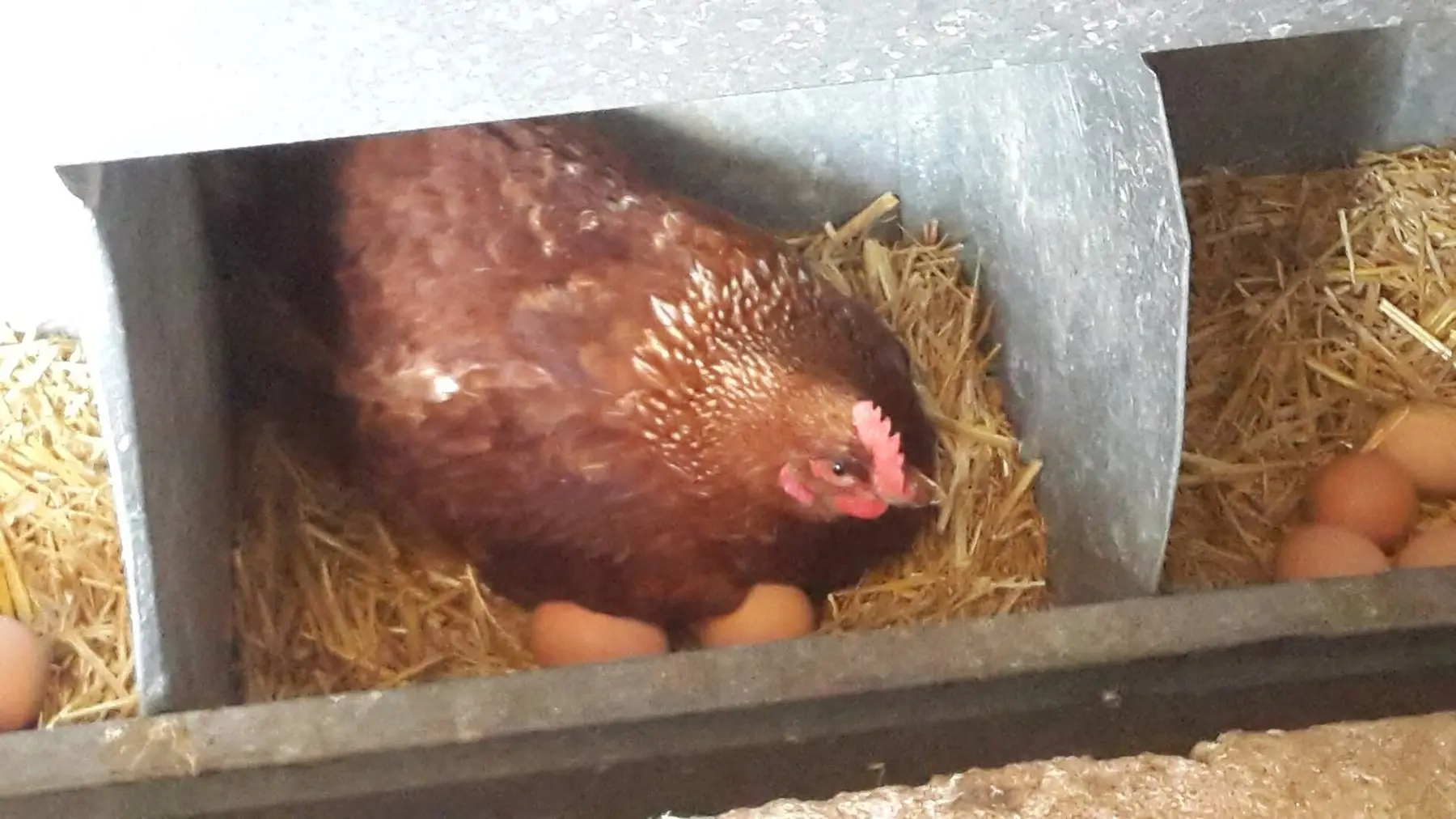
Best Chickens for Eggs — 6 Breeds, 200 to 300 a Year
The best chickens for eggs lay 200 to 300 a year, but not for long. 6 breeds compared on output, temper and lifespan. See which fits your flock.
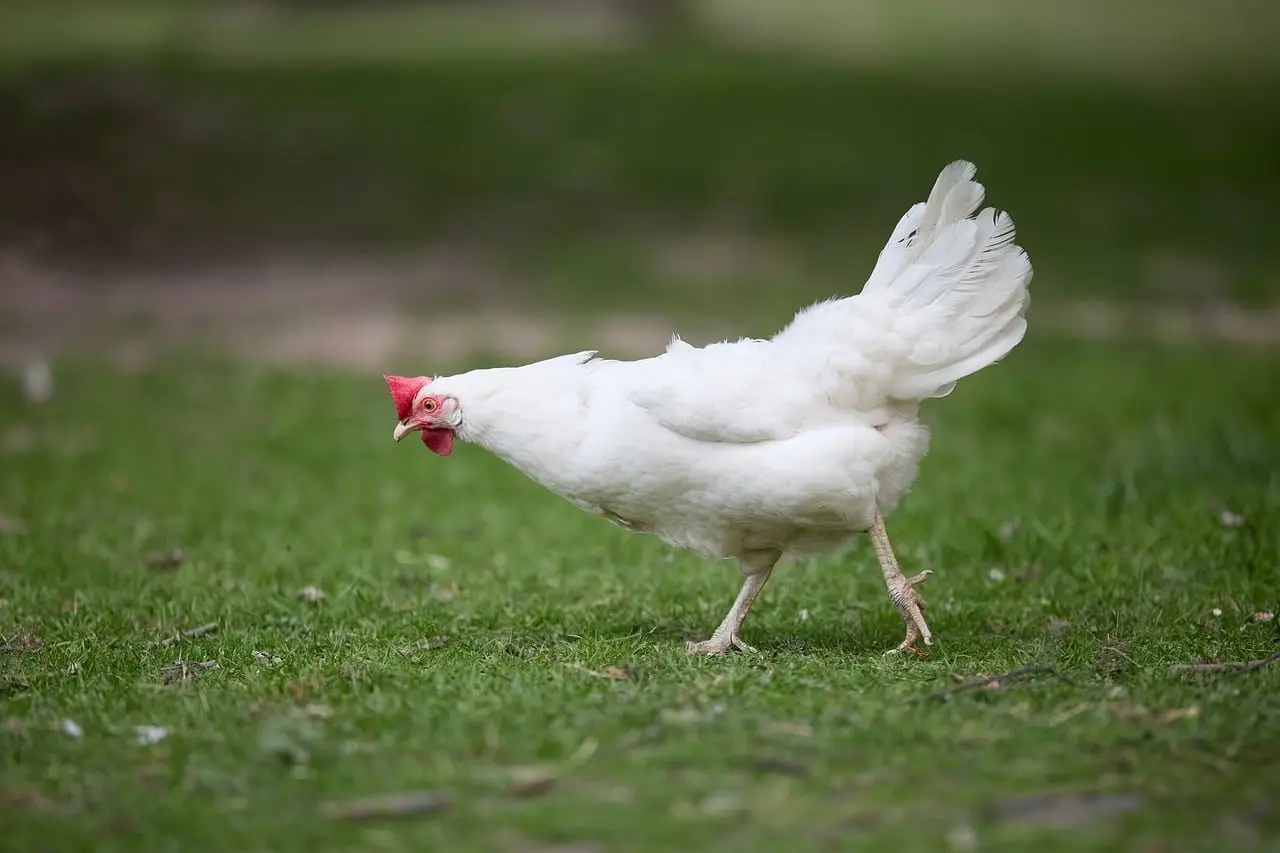
How to Keep Backyard Chickens Healthy: The Routine
Most flock illness is prevented by dry bedding, clean water, parasite checks and quarantine. The weekly routine and the signs that need acting on.
Introducing New Chickens to Your Flock Without a Bloodbath
Chickens will hurt a stranger dropped straight into their pen. A slow introduction over two to three weeks avoids nearly all of it — here is the actual sequence.