
Is It Worth Raising Ducks for Eggs? For Most People, Yes
Ducks out-lay hens, keep laying through winter and shrug off cold — at the cost of water, mud and a harder egg to sell. The real comparison.
 By
On this page
A good laying duck out-produces a good laying hen, keeps going through winter, and gets sick far less often. The bill arrives as water, mud and a daily chore nobody mentions in the breed guides.
Ducks against hens, on eggs
| good laying duck | production hen | |
|---|---|---|
| Eggs per year | 250–320 | 250–300 |
| Egg weight | 70–90 g | 55–65 g |
| Winter laying | strong | drops sharply |
| Mites, respiratory disease | uncommon | common |
| Cold and wet tolerance | high | moderate |
| Lays in a nest box | unreliably | reliably |
| Mud created | a lot | little |
Breeds, if eggs are the point
| breed | eggs/year | note |
|---|---|---|
| Khaki Campbell | 280–320 | the output breed |
| Indian Runner | 250–300 | upright, small footprint |
| Welsh Harlequin | 240–330 | calmer, good forager |
| Ancona | 210–280 | dual purpose |
| Pekin | 140–200 | meat bird |
| Muscovy | 60–120 | meat bird, broody |
Water is the daily commitment
Ducks need water deep enough to dunk their whole head, or they develop eye and nostril problems. They will foul it within hours and churn the ground around it into mud. Standing the water on a slatted or gravelled pad, and moving it regularly, is the difference between a duck pen and a bog.
What nobody mentions
- They lay before 9am, usually in the dark — let them out late and the eggs are all in one place
- They do not use a nest box reliably — expect a daily hunt until they settle on a corner
- Eggs get muddy, because ducks are muddy; collect early and dry-brush rather than washing
- They are loud when excited — Campbell females are noticeably noisier than most hens
- They eat slugs enthusiastically, which is a genuine garden benefit hens do not match
Three Campbells is the sweet spot
Three good laying ducks give a steady supply of large eggs year-round for a family, keep each other company, and produce a water-and-mud footprint a single person can manage with a daily tub change.
Common questions
Do ducks lay more eggs than chickens?
What is the real downside?
Do duck eggs taste different?
Can I sell duck eggs?
Are ducks harder to keep than chickens?
Which breeds should I start with?
Backyard Weekly
Know what to plant, week by week
Join the weekly email for seasonal jobs, fixes for what is going wrong, and gear worth buying.
Not ready to subscribe? The planting calendar is free and needs no email.
By subscribing you agree to our privacy policy. Grow In Backyard will never sell your address.
Keep reading
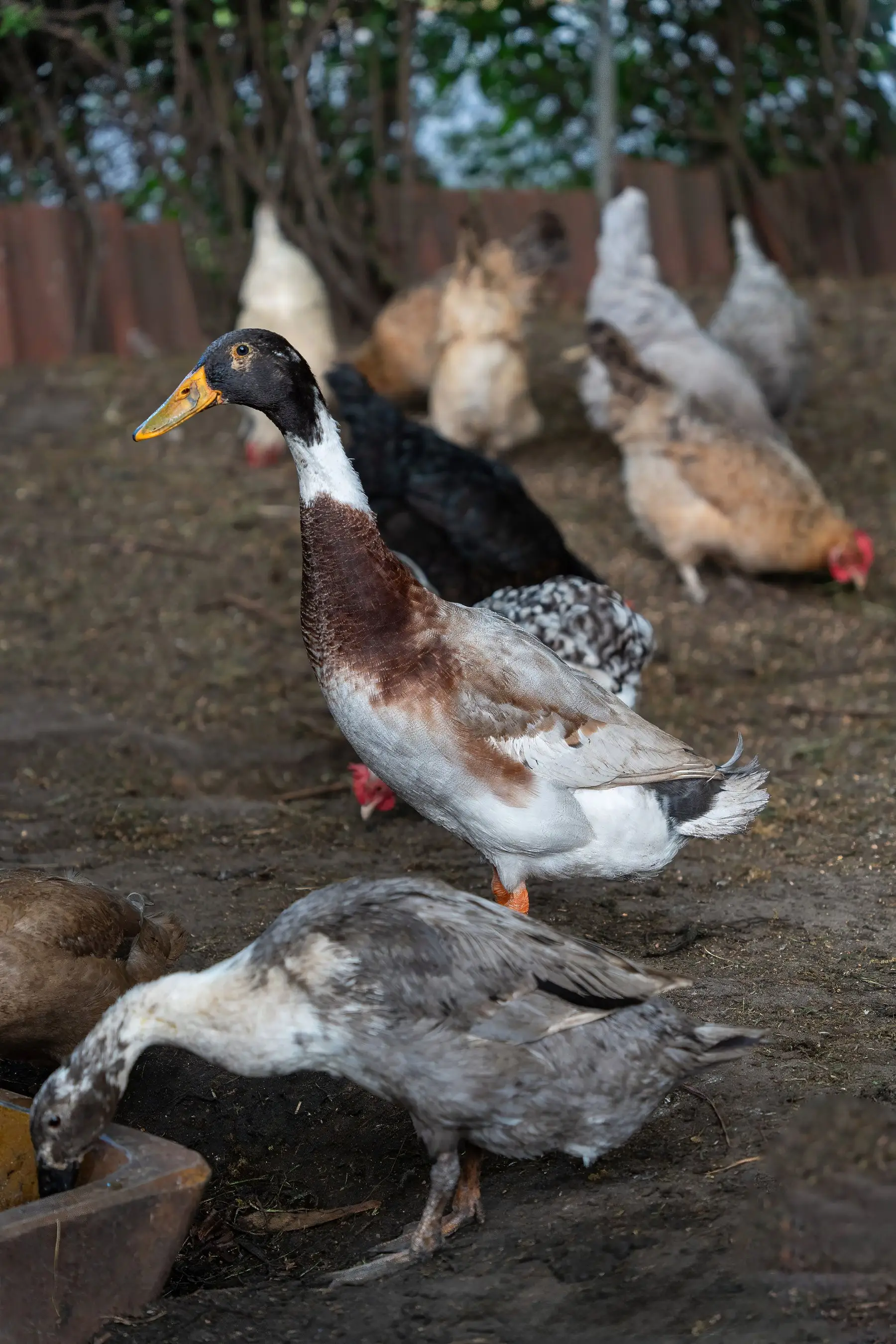
Best Ducks for Eggs: Five Breeds, and What Each Costs You
A Khaki Campbell out-lays almost any chicken. Five laying breeds compared on eggs per year, noise, temperament and how long the output actually holds up.
Do Ducks Need a Pond? What They Actually Require
Ducks do not need a pond, but they do need water deep enough to submerge their heads. What that means in practice, and what happens without it.
Keeping Ducks in Residential Areas: Rules, Mess and Neighbours
Ducks are quieter than roosters but far messier than hens. The zoning questions to ask first, and what a suburban duck setup actually has to handle.
What Breed of Duck Is the Friendliest? Pekin and Welsh
Pekins, Welsh Harlequins and Cayugas are the calmest with people. The temperament table by breed, and why handling matters more than breed.