
Best Ducks for Eggs: Five Breeds, and What Each Costs You
A Khaki Campbell out-lays almost any chicken. Five laying breeds compared on eggs per year, noise, temperament and how long the output actually holds up.
 By
On this page
The Khaki Campbell, at roughly 280–320 eggs a year — more than most laying hens. Welsh Harlequins come close and are calmer. The cost is noise and no meat worth having.
The five
| Breed | Eggs/year | Build | Temperament | Notes |
|---|---|---|---|---|
| Khaki Campbell | 280–320 | Light | Active, flighty | The production choice. Loud |
| Welsh Harlequin | 240–330 | Light | Calm | Nearly a Campbell, easier to live with |
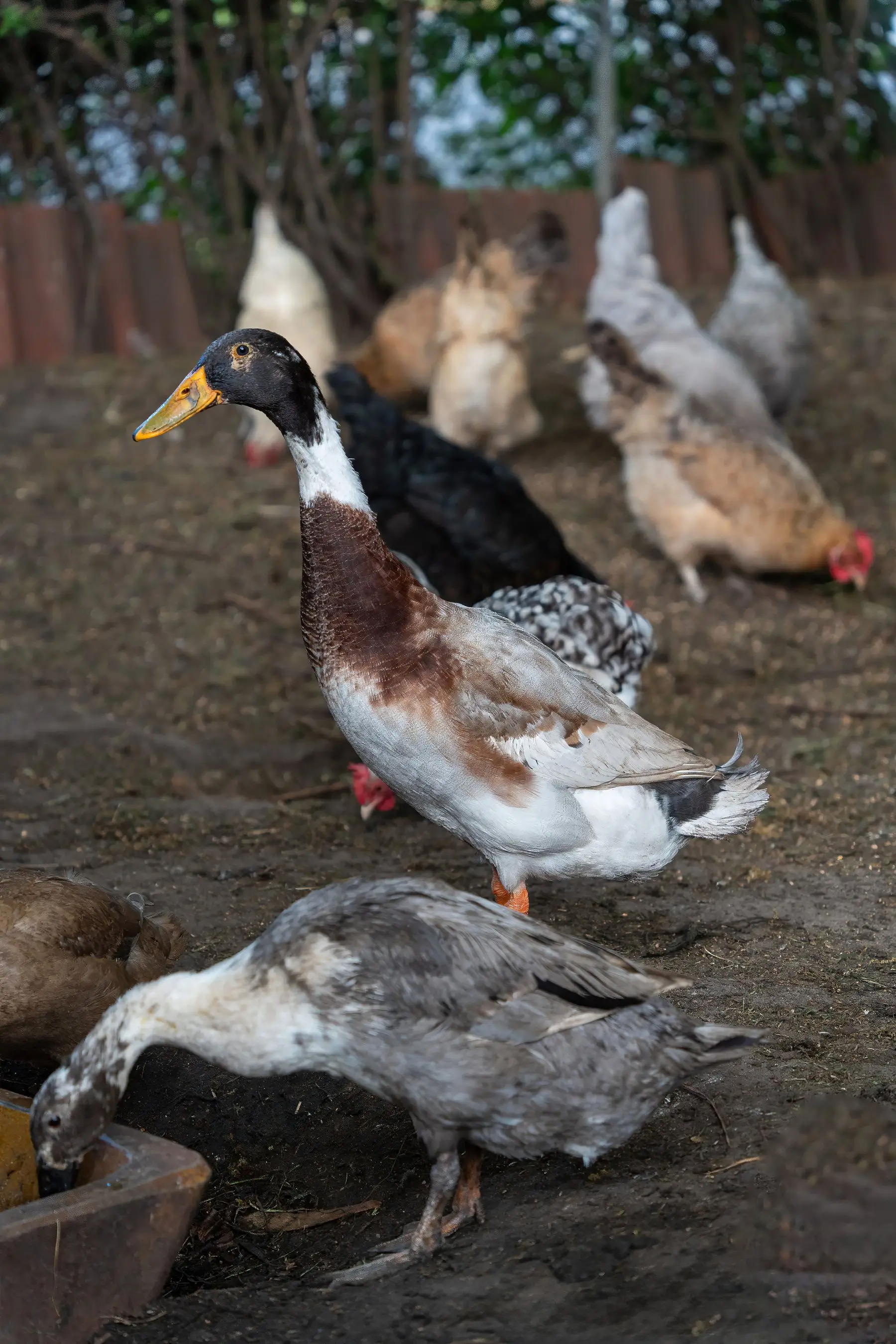
| Indian Runner | 250–300 | Light, upright | Nervous, busy | Best forager. Comic to watch |
| Ancona | 210–280 | Medium | Calm | Hardy; broken colour markings |
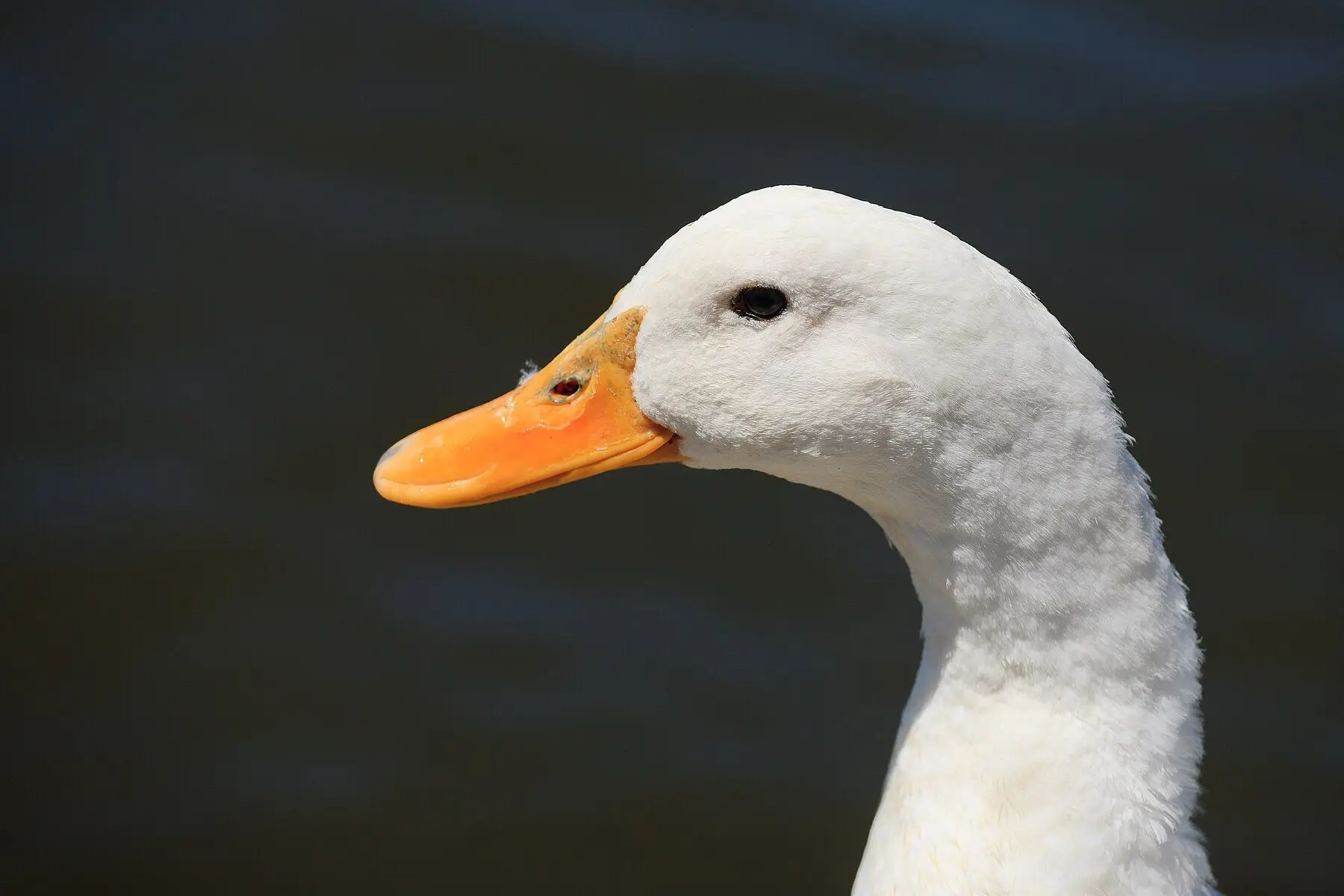
| Pekin | 140–220 | Heavy | Calm, docile | Dual-purpose. The common white duck |
The pattern is consistent: the lighter the bird, the more eggs and the less meat. There is no breed that escapes it.
Duck against chicken
Worth putting plainly, because it is the reason people switch.
- A good laying duck matches or beats a good laying hen on count, and the eggs are larger
- Ducks keep going further into winter, and through weather that puts hens off lay
- They lay early, usually before being let out, which makes collection simple
The trade is water and noise, not productivity
Ducks are messier than chickens by a wide margin — water is how they drink, clean and feed, and it goes everywhere.
And the laying breeds are loud. If either of those is a problem where you are, it is a better reason to reconsider than anything on the egg-count table.
Dual-purpose, honestly
Silver Appleyard, Saxony and Pekin are the usual recommendations, and all three are compromises by construction.
Expect roughly 150–250 eggs and a reasonable carcass. You are giving up about a hundred eggs a year against a Campbell, and the bird will still not match a purpose-bred broiler for meat.
That is a perfectly sensible trade for one flock doing two jobs. It is not a free one.
How long the laying lasts
- Peak in years one and two, declining from the third
- Ducks hold useful output longer than high-production hybrid hens
- A well-kept Campbell may still lay respectably in its fourth year
Ducks outlive chickens, and a laying flock accumulates
A duck can live eight to twelve years. A flock kept for eggs therefore builds up retired birds unless that has been planned for.
Decide what happens to a four-year-old duck before you buy the ducklings, not after.
The eggs themselves
Larger, with a proportionally bigger yolk, more fat and more protein, and a thicker shell and membrane that keeps them longer.
Bakers generally prefer them — the extra fat and protein give richer cakes and better pastry. The white sets firmer when cooked, which some people dislike fried or poached. That is taste, not quality.
Common questions
Which duck breed lays the most eggs?
Do ducks lay better than chickens?
What is the best dual-purpose duck?
How long do laying ducks keep laying?
Are duck eggs different to chicken eggs?
Will laying ducks be too noisy for neighbours?
Backyard Weekly
Know what to plant, week by week
Join the weekly email for seasonal jobs, fixes for what is going wrong, and gear worth buying.
Not ready to subscribe? The planting calendar is free and needs no email.
By subscribing you agree to our privacy policy. Grow In Backyard will never sell your address.
Keep reading
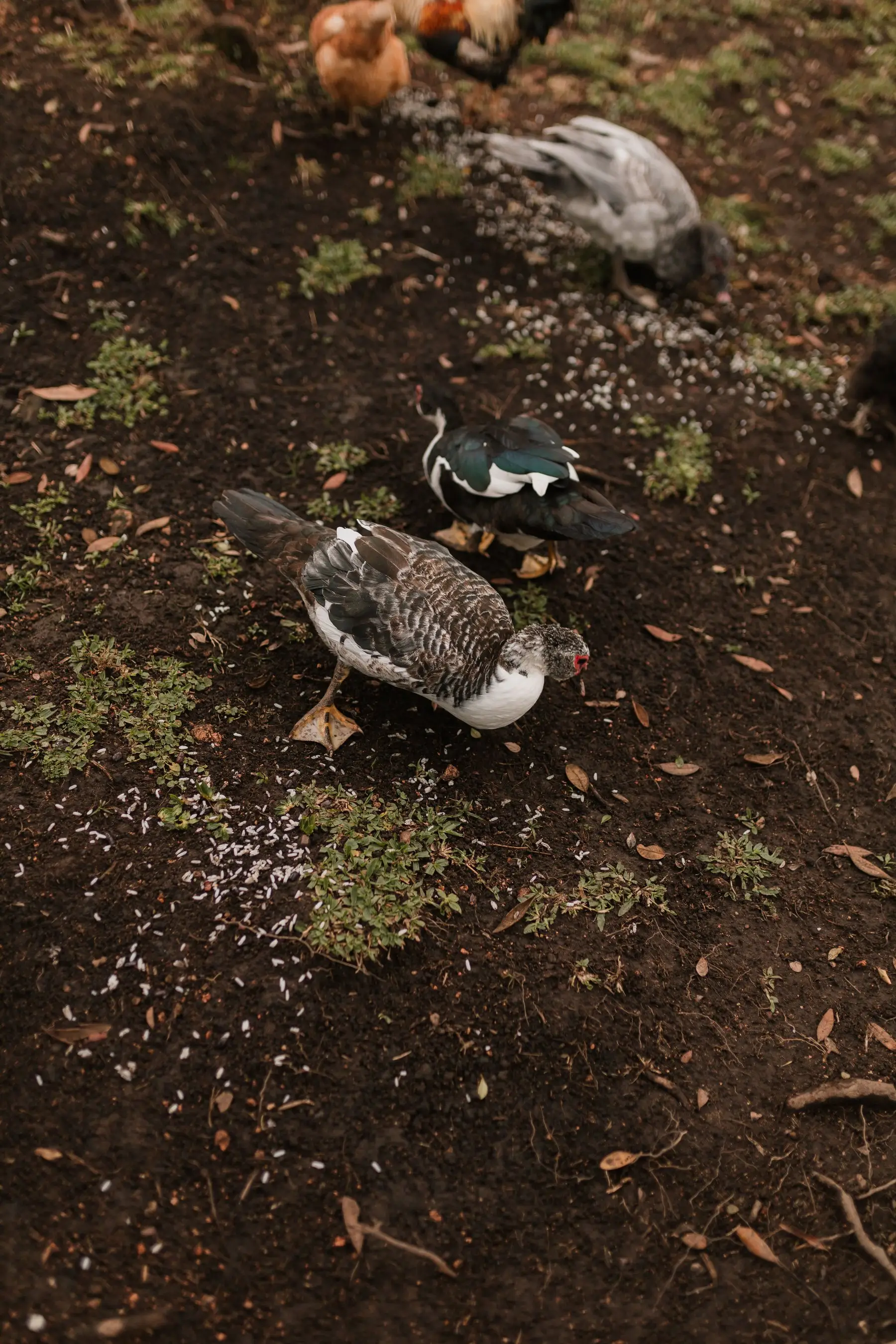
Best Ducks for a Backyard: Which Breed Suits a Small Garden
Noise, space and temperament decide this, not looks. The breeds that suit a suburban garden, the one to avoid near neighbours, and the quiet option.
Keeping Ducks in Residential Areas: Rules, Mess and Neighbours
Ducks are quieter than roosters but far messier than hens. The zoning questions to ask first, and what a suburban duck setup actually has to handle.
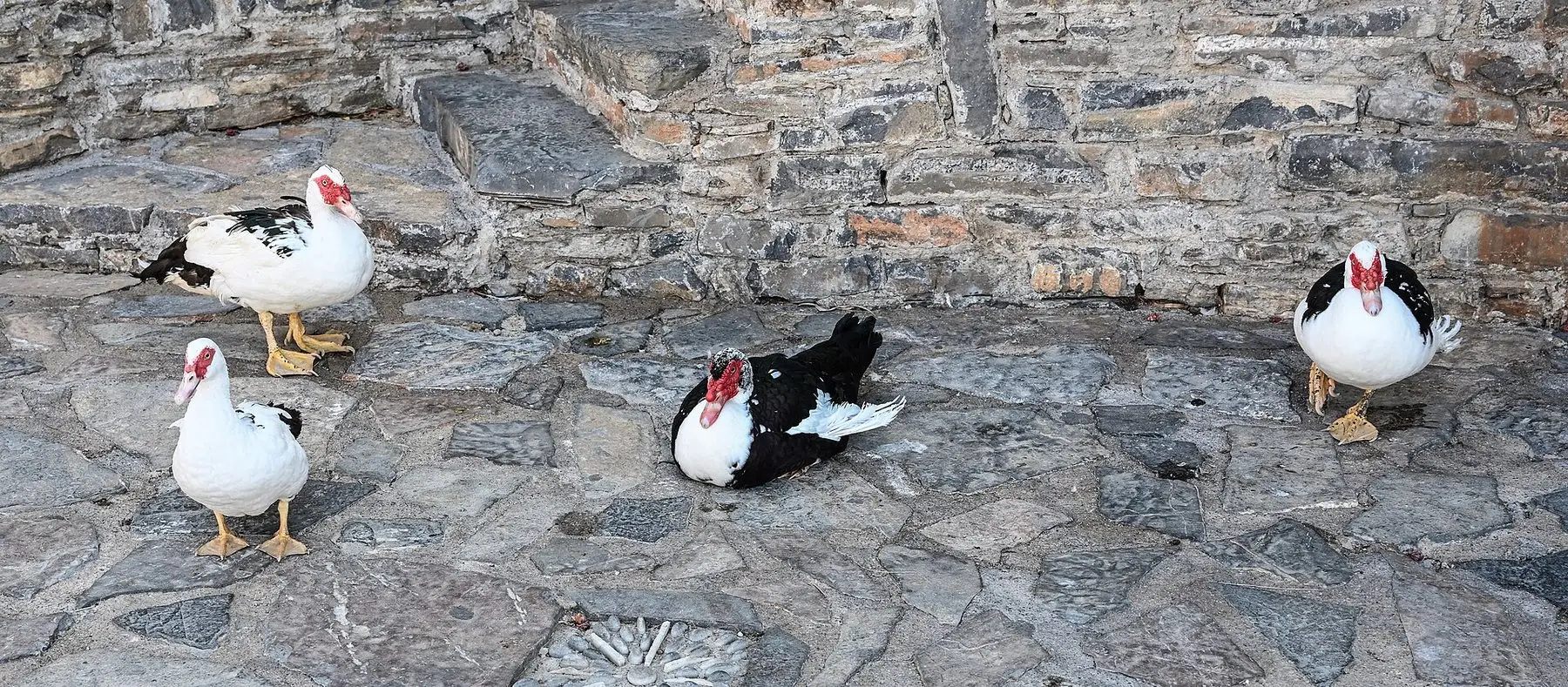
Do Ducks Need a Pond? What They Actually Require
Ducks do not need a pond, but they do need water deep enough to submerge their heads. What that means in practice, and what happens without it.
Can Ducks Eat Chicken Feed? Mostly, With One Fix
Chicken feed will not harm ducks, but it falls short on niacin. What to add if you free-feed a mixed flock, and the one chicken feed to avoid entirely.